
With 800 tonnes of daily milling capacity, a MAD 200 million investment in couscous and pasta manufacturing, and new organic products unveiled at SIAL Paris 2026, KENZ Maroc is combining industrial integration with international expansion and a broader consumer goods portfolio.
SKHIRAT, MOROCCO —KENZ Maroc is expanding beyond conventional cereal products, introducing certified organic couscous and pasta as the Moroccan food manufacturer seeks to turn its industrial capabilities into a broader international business.
At SIAL Paris in October 2026, the company presented a wholegrain organic couscous made from Moroccan durum wheat, alongside new pasta products targeting consumers seeking differentiated cereal-based foods.
The launch follows years of investment in cereal processing, including a MAD 200 million manufacturing facility inaugurated in Skhirat in December 2022.
For KENZ, the strategy brings together three commercial priorities: processing capacity, product diversification and access to international distribution networks.
From a Small Flour Mill to an Integrated Food Manufacturer
KENZ's industrial origins date to the late 1990s, when the family business began with a flour mill capable of processing approximately 130 tonnes of grain per day.
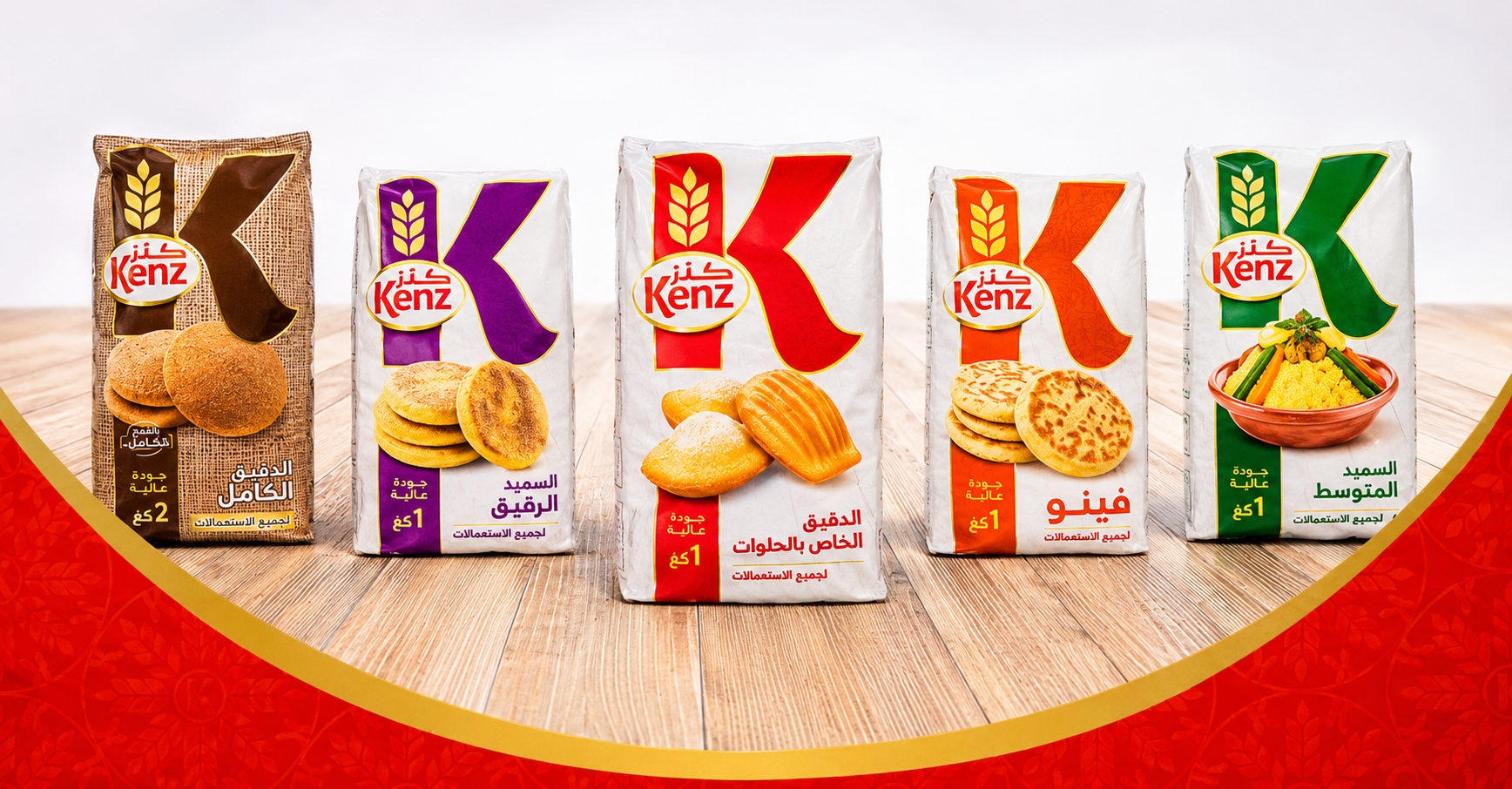
Over subsequent decades, the company expanded into flour, semolina, couscous and pasta manufacturing.
A major milestone came in December 2022, when Kenzpat, part of Vita Holding, inaugurated a new production facility in Skhirat.
According to Morocco's Ministry of Industry and Trade, the project represented an investment of MAD 200 million and was expected to generate 130 direct jobs.
The facility was designed to develop domestic couscous and pasta production while strengthening the group's position along the cereal-processing value chain.
KENZ's Gulfood 2026 exhibitor profile subsequently reported daily milling capacity of 800 tonnes for flour and semolina, alongside 130 tonnes of couscous and pasta manufacturing capacity.
These figures describe the company's stated industrial capabilities, not verified production volumes or sales.
The integration of milling and finished-food manufacturing can improve coordination across processing stages, although commercial performance still depends on raw-material prices, operating costs and customer demand.
Organic Couscous and the Move Into Higher-Value Food Products
KENZ's participation in SIAL Paris 2026 marked another stage in its product-development strategy.
The company introduced a wholegrain organic couscous made from 100% Moroccan durum wheat and milled using natural stone.
According to FOOD Magazine, the product was developed in collaboration with a Moroccan agricultural group and carried Moroccan and European organic certifications.
The brand also presented organic wholegrain pasta, extending its presence in differentiated cereal products.
The new range illustrates an opportunity to move beyond conventional staples into categories where certification, ingredient origin and product characteristics influence purchasing decisions.
For KENZ, this creates potential opportunities with specialist retailers and international distributors serving consumers seeking organic food products.
The company also unveiled a refreshed identity for its couscous range in November 2026, connecting product innovation with updated brand positioning.
However, organic certification and new packaging do not establish higher profitability. The company has not disclosed sales volumes, pricing premiums or margins for its new products.
International Distribution and the Economics of Expansion
KENZ's industrial development supports an established international commercial presence.
Its Gulfood 2026 profile identifies export markets including France, Spain, Belgium, the Netherlands, Canada, Bahrain and the United Arab Emirates.
These markets offer different distribution opportunities, from retailers serving Moroccan communities abroad to broader consumer and food-service channels.
Expanding internationally also introduces operational requirements.
Food manufacturers must manage product specifications, packaging, certification, transport costs and distributor relationships across markets with different regulatory frameworks.
For KENZ, its combination of milling infrastructure and finished-product manufacturing provides a platform for serving those requirements.
Participation in international trade exhibitions also allows the company to develop relationships with existing and prospective commercial partners.
Yet production capacity and geographic reach are not substitutes for financial performance.
KENZ has not publicly disclosed sufficiently detailed recent audited revenue, operating margins or country-level export sales to independently quantify its international growth.
KENZ's next stage will be defined by how effectively it converts Moroccan cereal-processing expertise, industrial investment and product innovation into stronger commercial opportunities at home and abroad.