
With more than 40,000 partner farmers, 1,150 milk collection points and four manufacturing sites, Centrale Danone is strengthening its Moroccan dairy operations through advanced milk- processing technology. Newly appointed Chairman and CEO Imad Bakkali is overseeing the next phase of an industrial strategy built around local sourcing and higher-value production.
CASABLANCA —Centrale Danone is expanding its abilityto turn locally collected Moroccan milk into specialised dairy ingredients, part of a broader effort to strengthen domestic manufacturing and reduce reliance on selected imported inputs.
The company inaugurated its Milk-Co technology at Fkih Ben Salah on July 1, 2026, as part of an industrial innovation programme valued at MAD 60.2 million under four investment agreements with Morocco's Ministry of Industry and Trade.
The inauguration coincided with the appointment ofImad Bakkalias Chairman and Chief Executive Officer, following more than 23 years of experience in fast-moving consumer goods.
The development brings together three priorities for the Moroccan dairy producer: industrial innovation, agricultural integration and more efficient use of locally sourced milk.
Imad Bakkali and Centrale Danone’s Next Chapter
Bakkali succeeded Hervé Barrere, who departed after nine years with the Danone group.
His professional experience includes previous responsibilities at Centrale Danone and other major consumer goods companies, giving him familiarity with Morocco's commercial and operational environment.
His appointment places him at the head of a business connecting dairy farmers, collection infrastructure, industrial facilities and retail distribution.
The leadership transition also coincides with a period of technological development for the company.
Milk-Co was conceived and developed before Bakkali's appointment, making it part of a longer- term corporate investment programme rather than an initiative attributable exclusively to the new CEO.
At the inauguration, Bakkali highlighted the company's ability to industrialise advanced technology locally and strengthen the value generated from milk collected through its Moroccan agricultural network.
His management challenge is now to translate those capabilities into sustained industrial efficiency, competitive products and stronger relationships throughout the dairy value chain.
MAD 60.2 Million in Industrial Innovation
Milk-Co uses advanced milk-fractionation processes, including microfiltration, ultrafiltration and nanofiltration.
The technology separates components such as proteins, lactose and minerals from locally collected milk, creating ingredients used in yoghurts, cheeses and protein-enriched dairy beverages.
According to Morocco's Ministry of Industry and Trade, Centrale Danone is the country's first dairy manufacturer to deploy this technology at an industrial scale.
The MAD 60.2 million figure covers the broader innovation programme established under four investment agreements, rather than a separately disclosed equipment cost for the Fkih Ben Salah facility.
The commercial rationale is to obtain greater value from each litre of milk while developing more specialised ingredients domestically.
This could reduce dependence on selected imports and support greater manufacturing flexibility.
For Centrale Danone, however, the benefits will depend on operating costs, production efficiency and demand for the ingredients and finished products.
The company has not disclosed sufficient project-level financial information to calculate Milk- Co's import savings or return on investment.
40,000 Farmers and the Economics of Local Integration
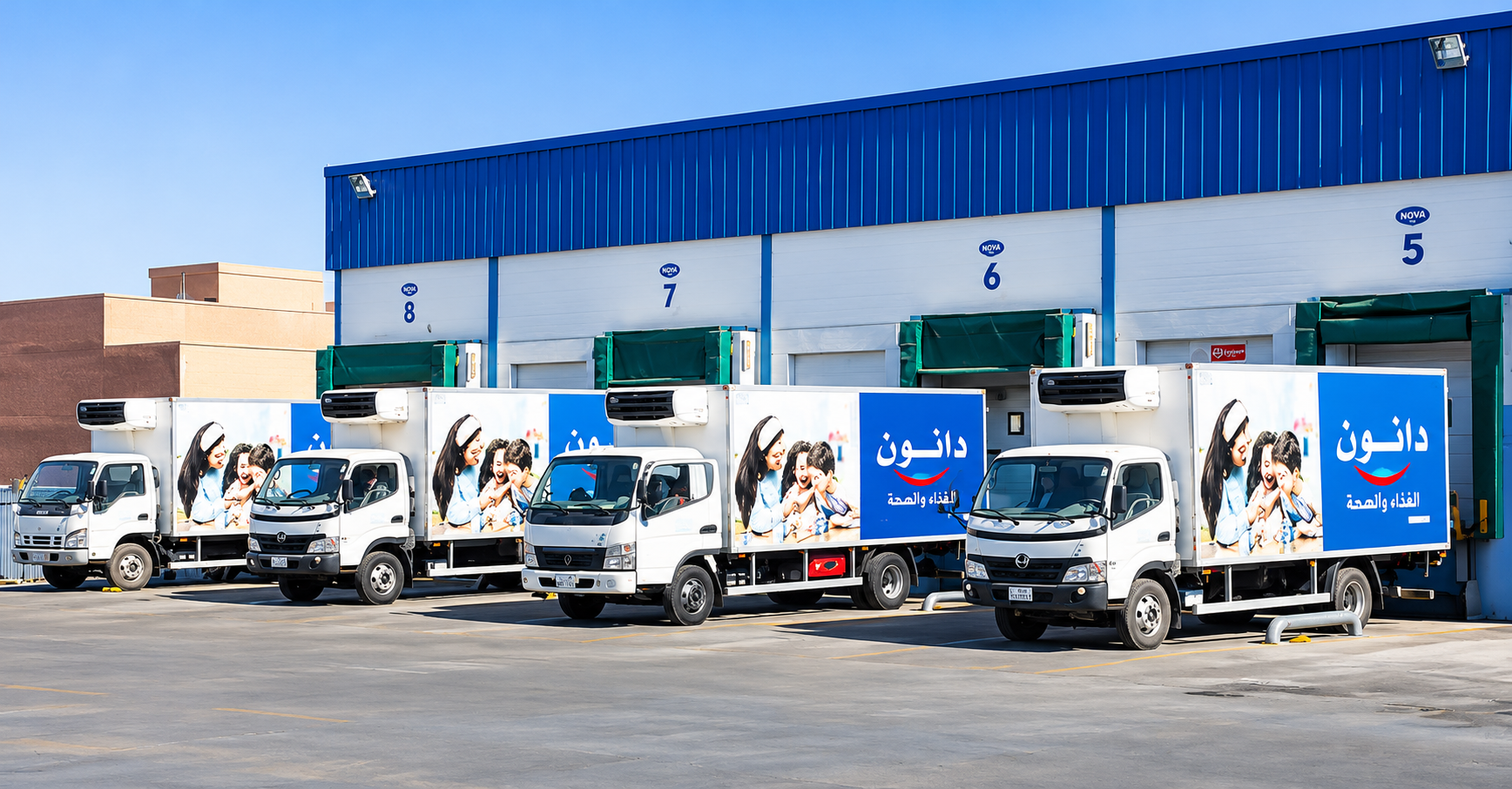
Centrale Danone's Moroccan operations rely on more than 40,000 partner farmers, over 1,150 milk collection points and four industrial sites, according to figures released during the inauguration.
That infrastructure gives the company an extensive connection between agricultural production and dairy manufacturing.
Milk-Co adds a processing capability intended to increase the industrial value of milk collected from domestic suppliers.
Its broader objectives include better resource utilisation and reduced material losses, although independently quantified savings have not been published.
The company's financial disclosures also provide context for the scale of its operations.
Documents prepared for Centrale Danone S.A.'s April 2026 annual general meeting presented a 2025 standalone net profit of MAD 141.35 million,alongside a proposed MAD 200 million dividend distribution covering the 2024 and 2025 financial years.
Those figures appeared in proposed resolutions and should not be interpreted as confirmation of shareholder approval or as evidence of Milk-Co's financial contribution.
For Bakkali, the next phase involves connecting the company's agricultural reach with technological innovation and commercial performance.
Centrale Danone's industrial ambition is to create greater value from Moroccan milk — linking local farmers, advanced manufacturing and consumer markets through a more integrated dairy business.