
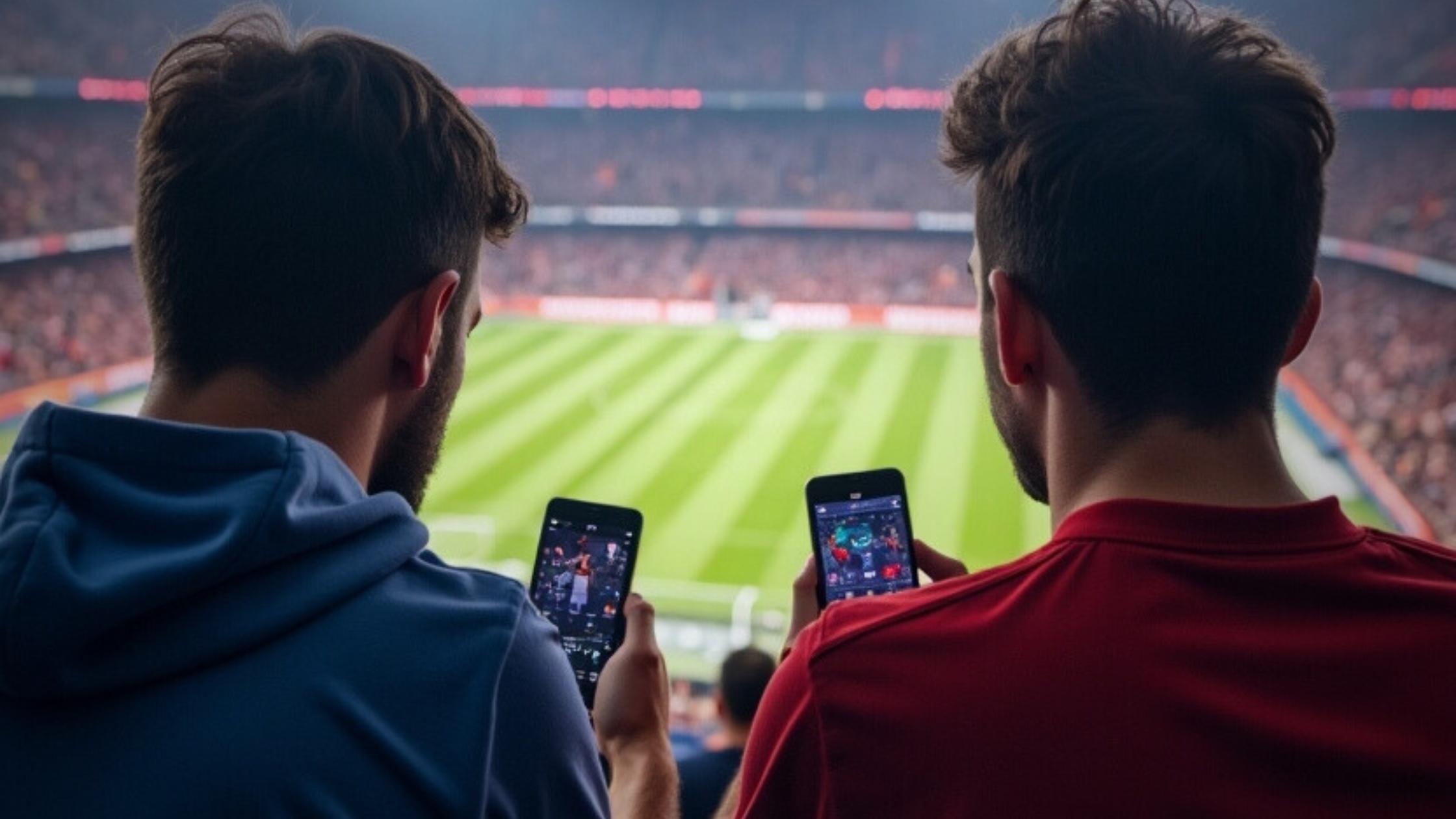
The Live Event Gold Rush is changing the streaming war.
For years, platforms fought over subscribers with series, films, documentaries and exclusive catalogues. That model still matters, but it no longer gives streaming companies the same guaranteed excitement. Viewers can cancel, return, delay shows, skip releases and move between apps with little loyalty.
Live events solve a different problem.
They create urgency.
They make audiences gather at the same time.
They turn content into conversation.
That is why Netflix, YouTube, Prime Video and other platforms are chasing sports, concerts, creator events and global spectacles with more intensity.
Live Event Gold Rush Is About Urgency
The Live Event Gold Rush is not only about entertainment. It is about control over attention.
A series can become popular, but viewers do not have to watch it at the same moment. A film can trend, but the conversation may spread over days or weeks. A live event is different because the value is tied to the moment itself.
People watch because the event is happening now.
They post because everyone else is reacting now.
They stay connected because spoilers, highlights and commentary move instantly.
That urgency is rare in modern media, and rare things become expensive.
Streaming Needs Appointment Viewing Again
Streaming originally won because it destroyed appointment viewing.
No schedules.
No fixed television hour.
No waiting for a broadcaster to decide when something airs.
But the same freedom created a new problem for platforms. When everything is available anytime, almost nothing feels essential right now.
Live events bring back the old power of appointment viewing, but with a digital business model.
A major match, fight, awards show, concert or creator tournament can push millions of people into one platform at the same time. That creates advertising value, social media visibility and subscriber retention in a way that ordinary catalogue content cannot always deliver.
The future of streaming may therefore look less like an endless library and more like a calendar of moments.
Prime Video Sees Sport As A Profit Engine
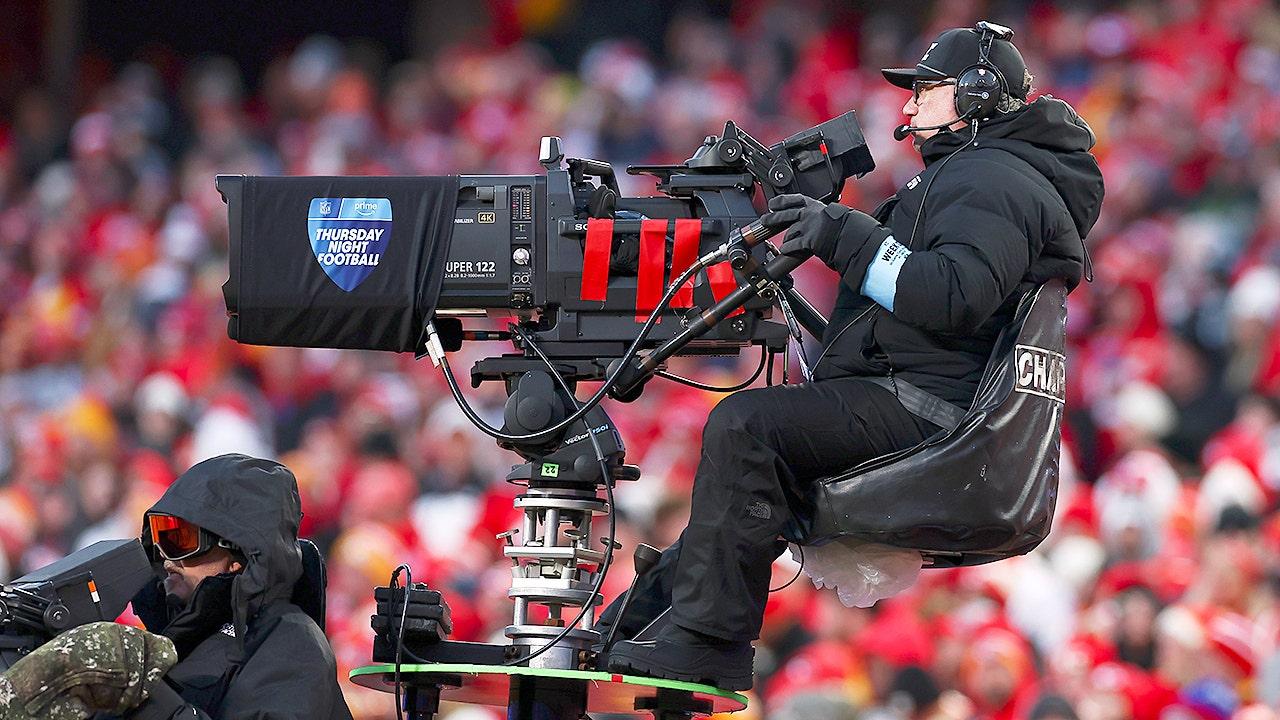
Amazon Prime Video has been one of the clearest examples of this shift.
Reuters reported that Amazon has focused more heavily on live sports as part of a strategy to improve Prime Video’s profitability. The logic is clear: sport is not only programming. It is a habit machine.
Fans return weekly.
They watch for longer.
They bring predictable advertising inventory.
They give Amazon another reason to keep users inside the Prime ecosystem.
That matters because Amazon does not measure entertainment like a traditional broadcaster. A live event can support subscriptions, advertising, shopping behaviour, data and customer loyalty at the same time.
For Amazon, sport is not just content.
It is infrastructure for attention.
YouTube Already Owns The Conversation Around Events
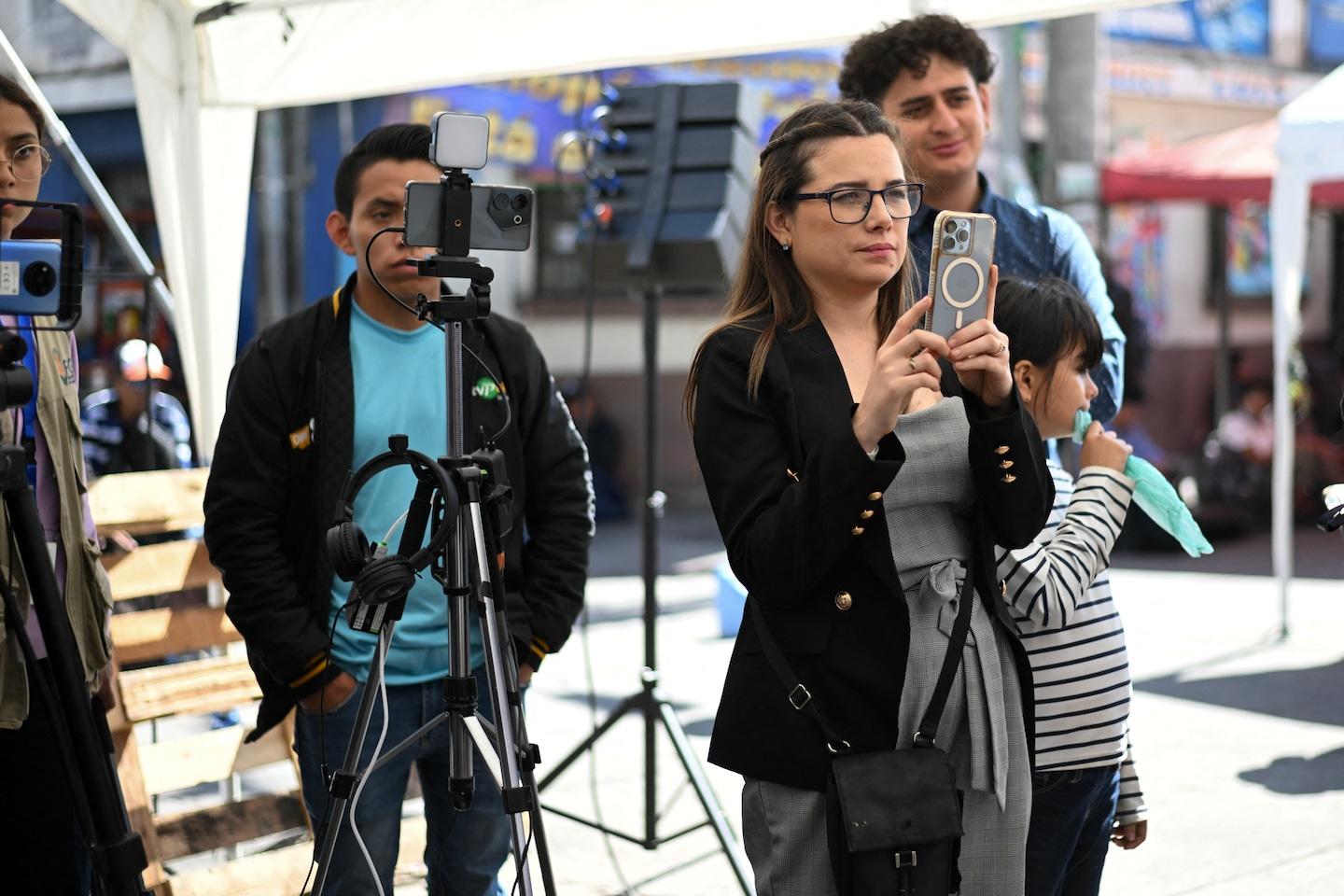
YouTube has a different advantage.
It does not need to behave exactly like Netflix or Prime because it already owns much of the before-and-after economy around live events.
Fans go to YouTube for highlights, reactions, tactical breakdowns, podcasts, interviews, creator commentary and short clips. Even when YouTube does not own the main event, it often owns the conversation that surrounds it.
That is why YouTube TV’s move toward genre-based plans, including sport, matters.
If YouTube can combine official live access with its existing creator ecosystem, it becomes more than a broadcaster. It becomes the full event environment: preview, live viewing, reaction and replay.
That is powerful because modern audiences rarely experience live events in only one place.
They watch, scroll, comment and share at the same time.
Netflix Wants Moments, Not Only Libraries
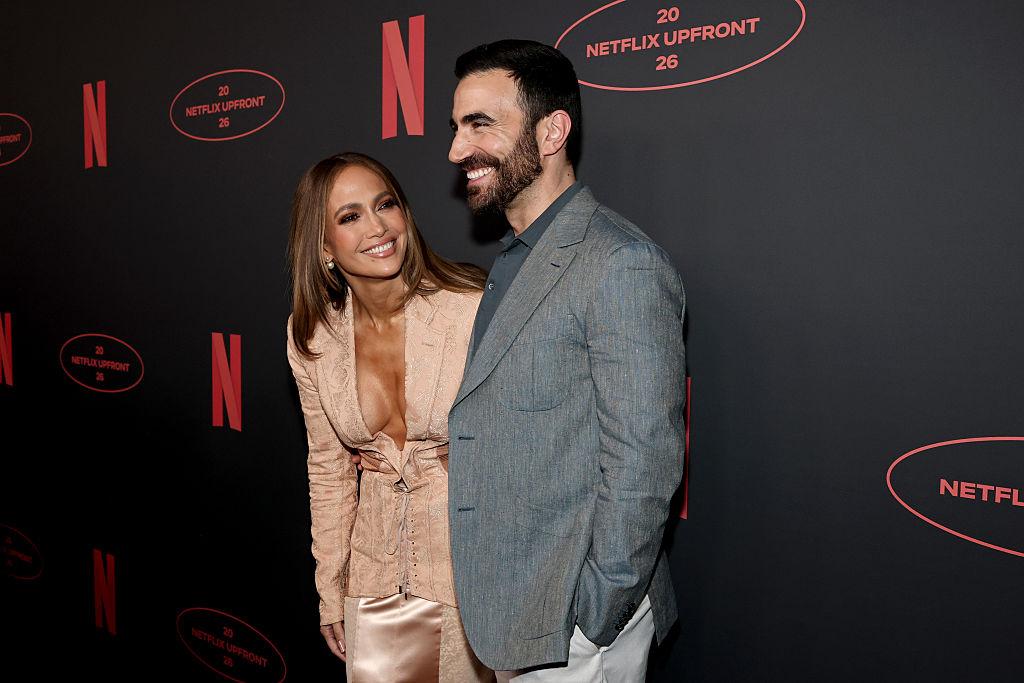
Netflix became dominant by building a global on-demand habit.
But even Netflix understands that libraries alone do not create enough urgency in a crowded market. Live events offer something different: cultural concentration.
A live fight, comedy special, sports package or entertainment spectacle can make Netflix feel less like a storage platform and more like a global arena.
That is why the company’s live-event strategy should not be seen as a side experiment.
It is a response to a basic media problem: platforms need moments that viewers cannot postpone.
Netflix does not have to become a traditional sports broadcaster to benefit from live programming. It only needs enough major events to make users feel that missing the platform means missing the conversation.
Traditional Broadcasters Are Losing Their Wall
The rise of live streaming worries traditional television for a reason.
Live sports and major events have long been one of broadcasting’s strongest protections. They bring mass audiences, advertising power and public relevance. If those rights move to technology platforms, broadcasters lose part of the wall that protected them from streaming disruption.
Reuters reported that major U.S. broadcast station owners warned the FCC that Big Tech’s move into sports rights could threaten local TV news by weakening the economics of broadcast television.
That warning shows how big the shift has become.
This is no longer only a fight between apps.
It is a fight over the financial base of traditional media.
The Super Bowl Is The Model Everyone Wants
The Super Bowl remains the clearest example of what every platform wants.
It is not only a sports event.
It is advertising, music, celebrity, brand activation, trailers, social media, halftime performance, food culture and national conversation compressed into one night.
That is the dream model.
Streaming platforms may not be able to create the next Super Bowl easily, but they are chasing smaller versions of the same effect: events that gather audiences, attract advertisers and dominate cultural attention.
The business logic is simple.
A platform that owns the moment owns the conversation.
The Consumer May Pay The Price
The live-event race also creates a problem for viewers.
Fragmentation.
One sport may be on Prime. Another may move to Apple. A major fight may sit behind Netflix. Highlights may be on YouTube. Local coverage may remain somewhere else. Fans who once used one television package may now need several apps to follow the events they care about.
This is the irony of the streaming era.
It promised simplicity, then rebuilt complexity through subscriptions.
For consumers, the Live Event Gold Rush may mean more choice, but also more confusion, more monthly bills and more frustration when important events are locked behind different platforms.
Rights Owners Have More Leverage
For leagues, federations, artists and event organisers, the shift creates opportunity.
More bidders can mean higher rights fees.
Technology companies can justify spending in ways traditional broadcasters cannot. They can connect live events to advertising, subscriptions, data, shopping, devices and platform loyalty. That gives them a wider business case for paying high prices.
Rights owners understand this.
If a league can make Netflix, Amazon, Apple, YouTube and traditional broadcasters compete for the same property, the value of that property can rise.
The live-event economy rewards scarcity, and major rights are scarce.
Morocco Should Watch This Closely Before 2030
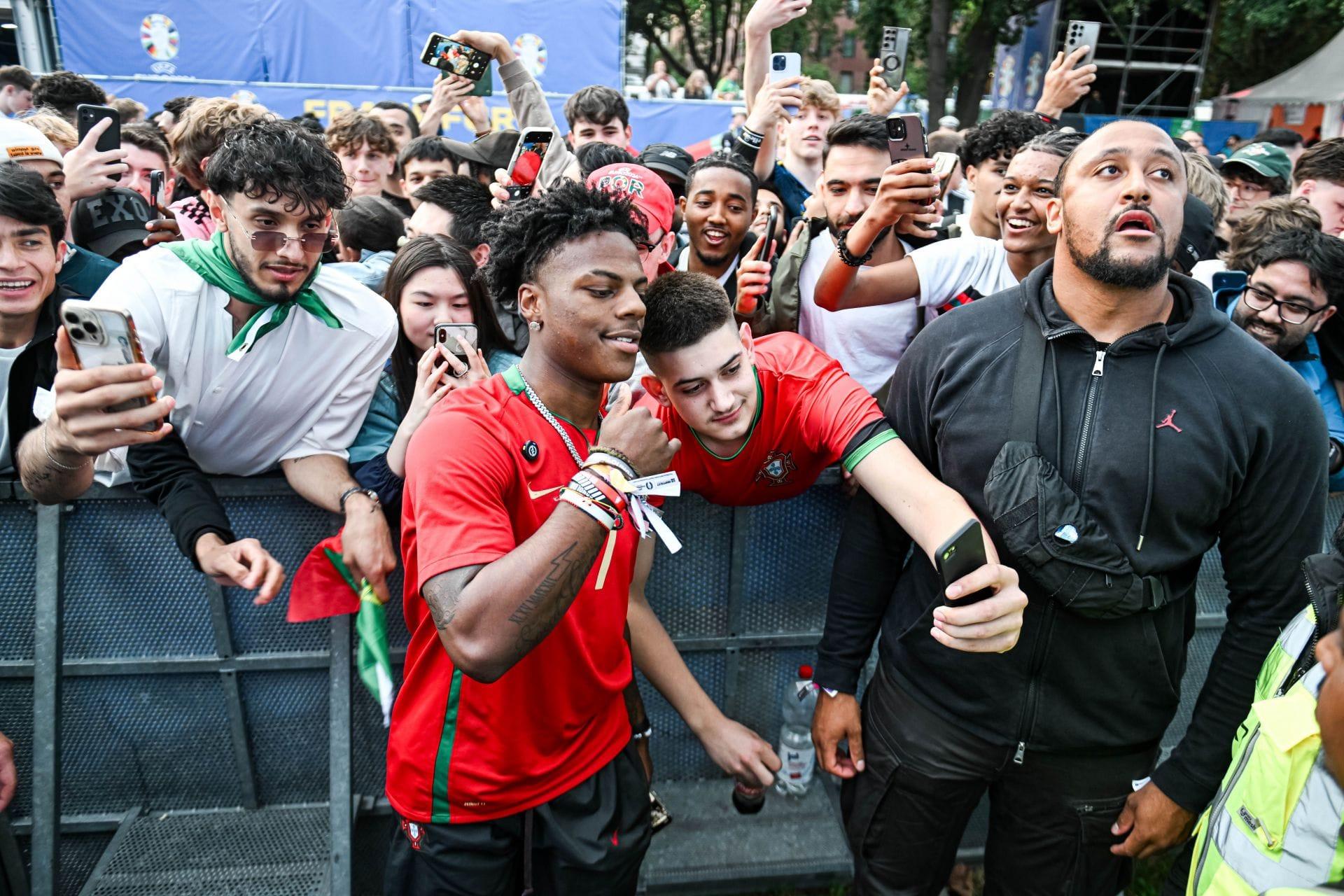
For Morocco, this may look like a global media story, but it has direct relevance before 2030.
The World Cup will not only test stadiums, airports and hotels. It will test Morocco’s ability to participate in a live media economy where attention moves across television, streaming, creators, clips, fan zones and social platforms.
A host country does not control all media rights.
But it can influence the surrounding content economy.
Behind-the-scenes coverage, city storytelling, cultural events, food content, fan experiences, interviews, digital campaigns and creator access can all multiply the value of hosting.
The match is only one layer.
The attention around the match is the business.
Live Events Are Becoming National Branding Platforms
Major live events now operate as branding platforms for cities and countries.
A football match can show a stadium.
A fan zone can show a city.
A concert can show culture.
A creator video can show food, streets, hotels and nightlife.
A behind-the-scenes clip can travel faster than a traditional tourism campaign.
That is why Morocco must think about 2030 as a media export opportunity.
If the country packages its atmosphere well, the tournament can produce years of reusable global visibility. If it treats media only as match coverage, it may miss the wider value.
In the new entertainment economy, hosting is not enough.
The host must be visible in every layer of the event.
The Bottom Line
The Live Event Gold Rush is reshaping entertainment.
Netflix, YouTube, Prime Video and other platforms are chasing live sports, concerts and major events because live programming creates urgency, advertising value and cultural attention that ordinary streaming libraries cannot always deliver.
Traditional broadcasters are worried because live rights were one of their strongest defenses. Consumers may face more fragmentation as major events spread across competing apps.
For Morocco before 2030, the lesson is clear.
The future of global events will not be decided only inside stadiums. It will be decided across screens, platforms, clips, creators and live conversations.
The next media winner will not simply own content.
It will own the moment.