

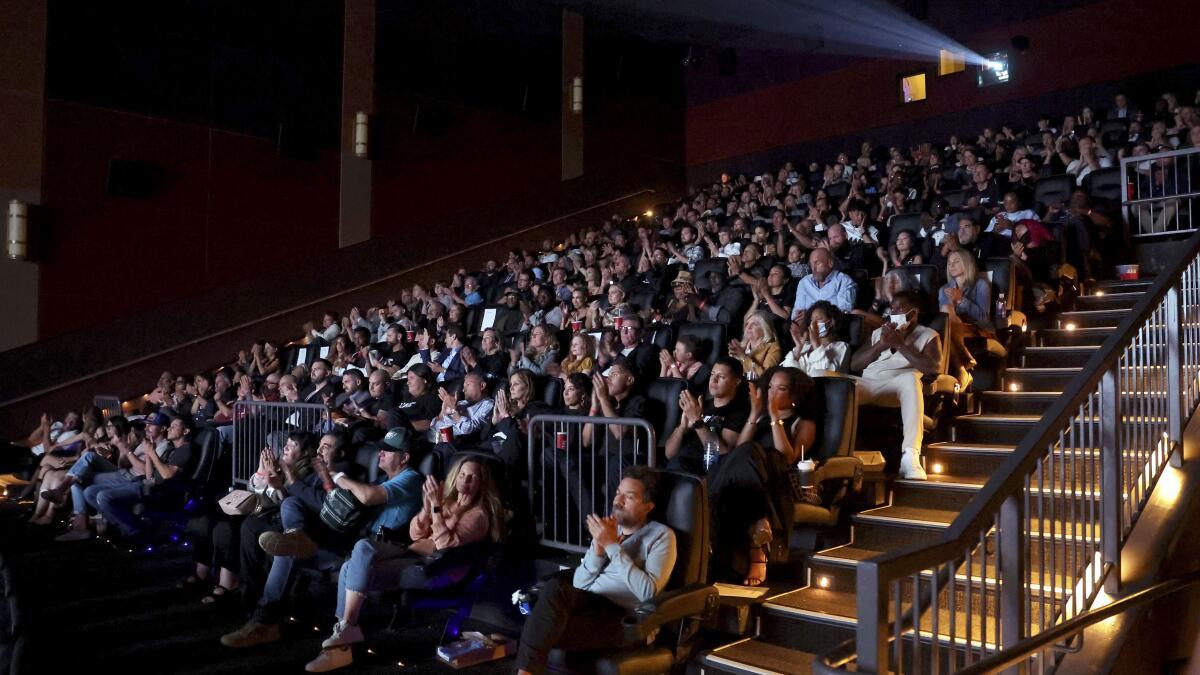
The cinema comeback is no longer a theory.
It is being tested in real time.
After years of pandemic damage, streaming disruption, Hollywood strikes, debt pressure and changing audience habits, theaters finally have something they desperately needed: a summer slate powerful enough to make people leave home again.
The question is not whether audiences still like movies.
They do.
The question is whether they still believe the cinema itself is worth the trip.
This summer, Hollywood is trying to prove that the answer is yes.
Cinema Comeback Test Begins With A Blockbuster Signal
The Cinema Comeback Test matters because the theater industry has spent years defending its own relevance.
Streaming trained audiences to wait.
Short theatrical windows weakened urgency.
Ticket prices rose.
Concessions became expensive.
Family outings became harder to justify.
Then a film like Christopher Nolan’s The Odyssey arrives and reminds the industry why the big screen still has power.
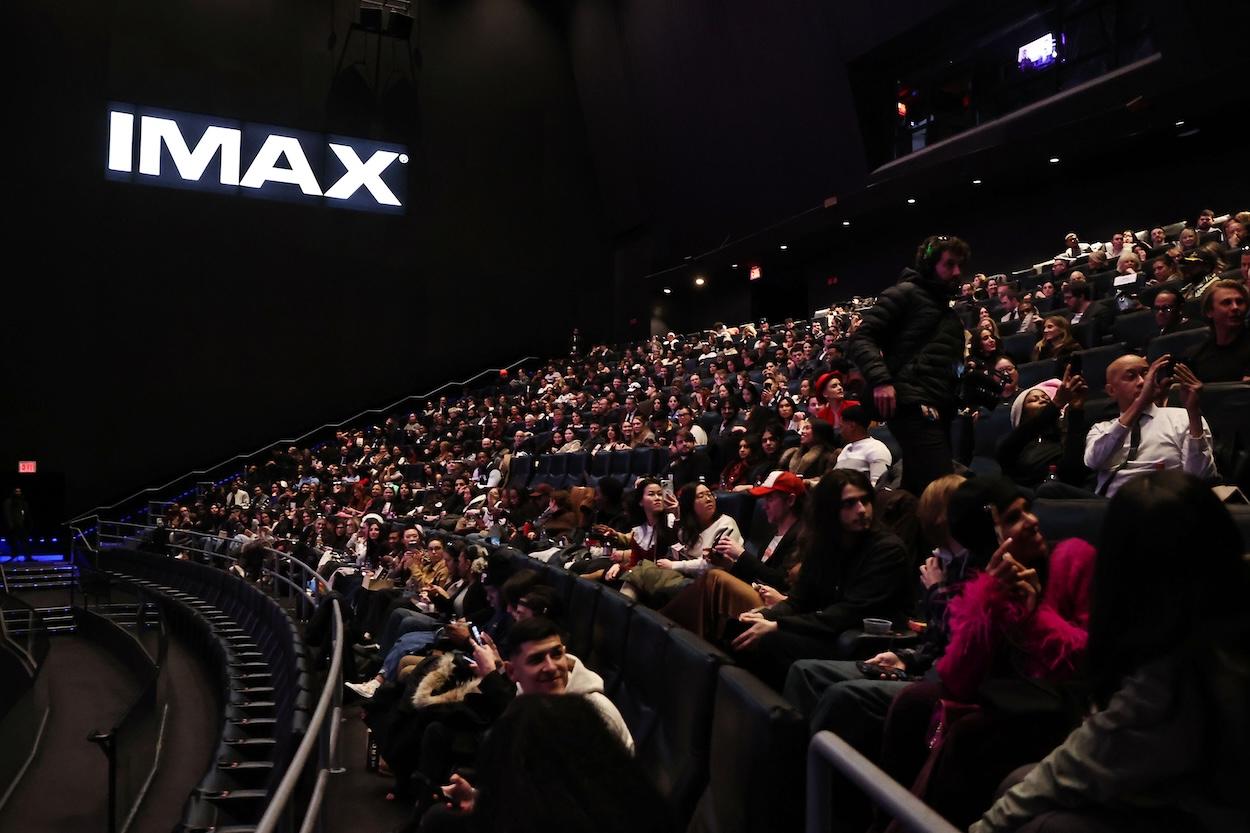
Reuters reported that The Odyssey sold about $264 million in worldwide tickets during its opening weekend from July 17 to July 19, with a record $52 million coming from IMAX screens.
That is not only a box-office number.
It is a statement.
Some films still feel too big for the sofa.
IMAX Becomes The Premium Proof
The IMAX result is especially important.
If audiences were only returning because they wanted entertainment, any screen would do. But a record IMAX contribution suggests something more specific: viewers are willing to pay for a theatrical format they cannot reproduce at home.
That is the theater industry’s strongest argument.
A living room can offer convenience.
A phone can offer speed.
A streaming platform can offer abundance.
But none of them can fully replicate scale, sound, darkness, crowd energy and the feeling of watching a spectacle with strangers.
IMAX turns that difference into a product.
The bigger the film feels, the stronger the theatrical case becomes.
AMC Gets A Rare Confidence Boost
The rebound is also showing up in cinema-chain results.
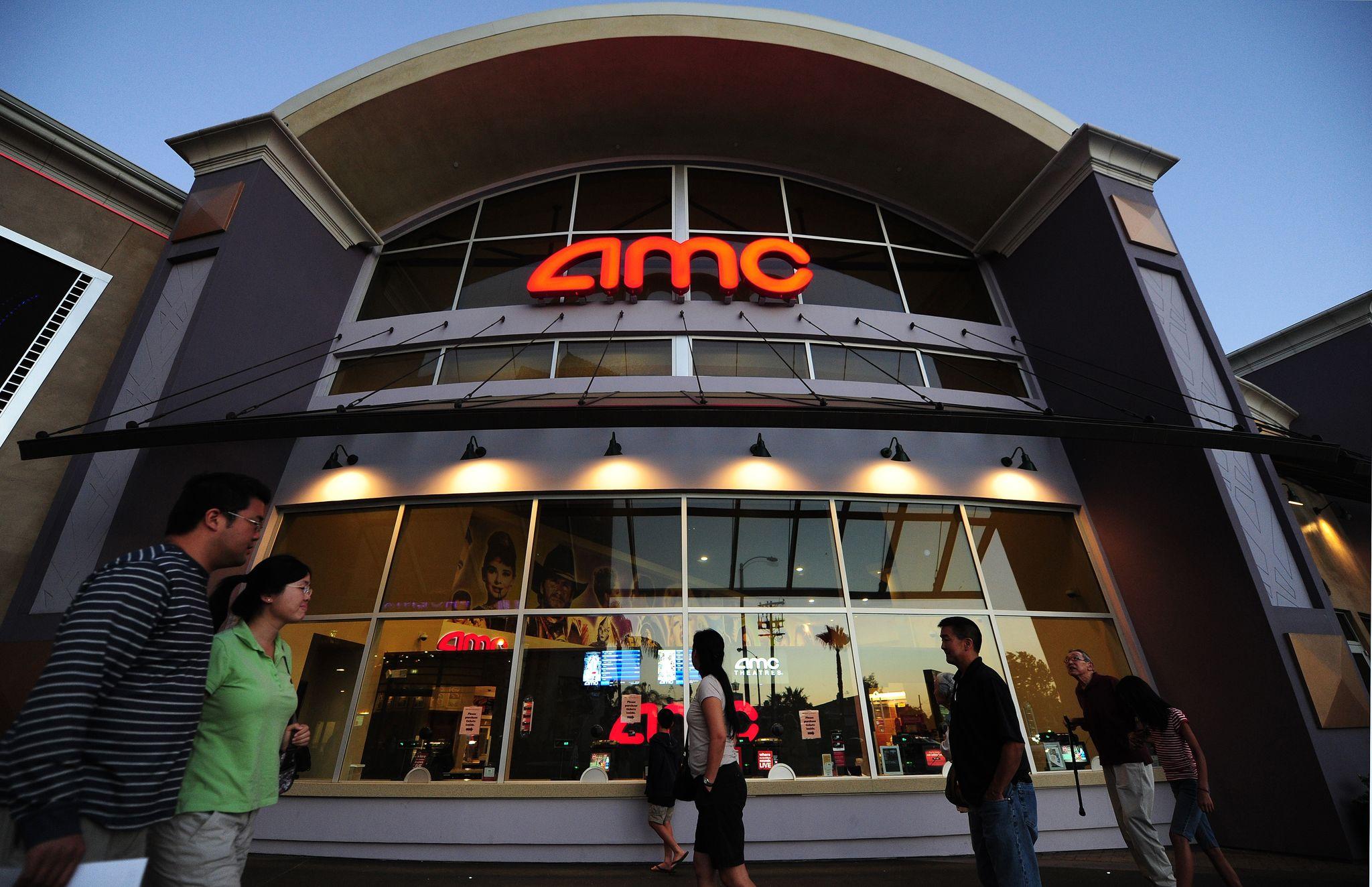
Reuters reported that AMC Entertainment posted a surprise adjusted quarterly profit and record revenue, helped by blockbuster titles including The Super Mario Galaxy Movie and Obsession. The company also pointed to the strong domestic opening of The Odyssey as a positive sign for an industry still working back toward pre-pandemic attendance levels.
That matters because AMC is not just another company.
It became one of the symbols of the theater crisis.
When AMC struggles, people ask whether cinemas can survive.
When AMC beats expectations, people ask whether the recovery is finally real.
The answer is still not guaranteed.
But the mood has changed.
Theaters Need Events, Not Just Releases
The biggest lesson from the current box office is simple.
Theaters need events.
A normal film can be watched later.
An event film creates urgency.
People want to see it before spoilers spread. They want the large screen. They want the first-weekend conversation. They want the shared experience. They want the feeling that everyone is watching the same cultural moment at once.
That is why Nolan matters.
That is why franchises matter.
That is why animation matters.
That is why premium formats matter.
The theater business is no longer built only on movies.
It is built on reasons to leave the house.
Streaming Changed The Audience Permanently
The cinema comeback does not mean streaming failed.
Streaming won many habits permanently.
People now expect convenience, choice and lower friction. They can watch films, series, documentaries, live events and short videos without leaving home. That means theaters must work harder for every visit.
The old model assumed people went to the movies because that was the default.
The new model requires persuasion.
A cinema trip now competes with Netflix, YouTube, TikTok, gaming, sports, restaurants, travel, social media and home comfort.
That competition is brutal.
Theaters must make the outing feel special.
Exclusive Windows Still Matter
The return of stronger theatrical windows is important.
Reuters reported that major studios, including Disney and Universal, have committed to supporting exclusive theatrical release windows for many major films, a trend theater operators say helps drive attendance.
That is critical.
If audiences believe a film will arrive on streaming very soon, many will wait. If they believe the cinema is the first and best place to see it, urgency returns.
The window does not need to be endless.
But it must be meaningful.
Theaters cannot survive if they become only a short marketing stop before streaming.
They need time to own the movie.
The Summer Slate Is Doing Heavy Work
A strong summer matters because seasonality still shapes movie habits.
Families are out.
Students are free.
Tourists look for entertainment.
Heat pushes people indoors.
Studios release their biggest titles.
The cinema calendar is designed for momentum.
Box Office Mojo’s summer 2026 data shows a broad slate of releases contributing to seasonal totals, with major titles such as The Super Mario Galaxy Movie among the year’s biggest performers.
That breadth matters.
A comeback cannot depend on one film.
The industry needs several reasons for audiences to return repeatedly.
One hit creates excitement.
A slate creates recovery.
Families Are The Hardest Test
Family audiences are crucial but difficult.
A family cinema trip can be expensive. Tickets, food, transport and time all add up. Parents may decide to wait for streaming unless the film feels truly worth the outing.
That is why animated franchises and family blockbusters are so important.
They turn cinema into an event for children and parents at the same time. They also create merchandise, repeat viewing, social media content and cultural visibility beyond the theater.
But families are price-sensitive.
If the cinema feels too expensive, the home screen wins.
The industry must balance premium revenue with affordability.
The Concession Problem Remains
The theater experience is not only the ticket.
It is also popcorn, drinks, snacks and the total cost of the outing.
For cinema chains, concessions are financially important. For customers, they can be the part that makes the visit feel overpriced. This is one of the tensions the industry has not solved.
A blockbuster can bring people back once.
Value perception brings them back again.
If audiences feel that the ticket is expensive and the food is excessive, the outing becomes occasional rather than habitual. Theaters need premium experiences, but they also need consumers to feel respected.
The recovery depends on both emotion and price.
Premium Formats Create A Two-Speed Market
IMAX, Dolby Cinema, large-format screens, luxury recliners and premium sound are powerful because they make the cinema feel differentiated.
But they also create a two-speed market.
Premium screens can sell out while ordinary screens struggle. Event films can dominate the best formats while smaller films fight for attention. Wealthier audiences can pay for the upgraded experience, while budget-conscious viewers wait for streaming.
That is the risk.
The cinema comeback may be real, but uneven.
Premium formats prove theaters still matter.
They do not automatically save every screen.
Smaller Films Still Face A Harder Road
The blockbuster rebound does not answer every question.
Smaller dramas, comedies, independent films and adult-focused mid-budget movies still face a tougher theatrical environment. Many audiences are more willing to see spectacle in theaters than intimate stories they can stream later.
That changes Hollywood economics.
Studios may lean even harder into franchises, known directors, sequels, animation and visual scale.
That can help theaters financially.
But it may narrow the kind of films that get serious theatrical support.
A healthy cinema culture needs more than giant releases.
It needs range.
The Crowd Is Part Of The Product
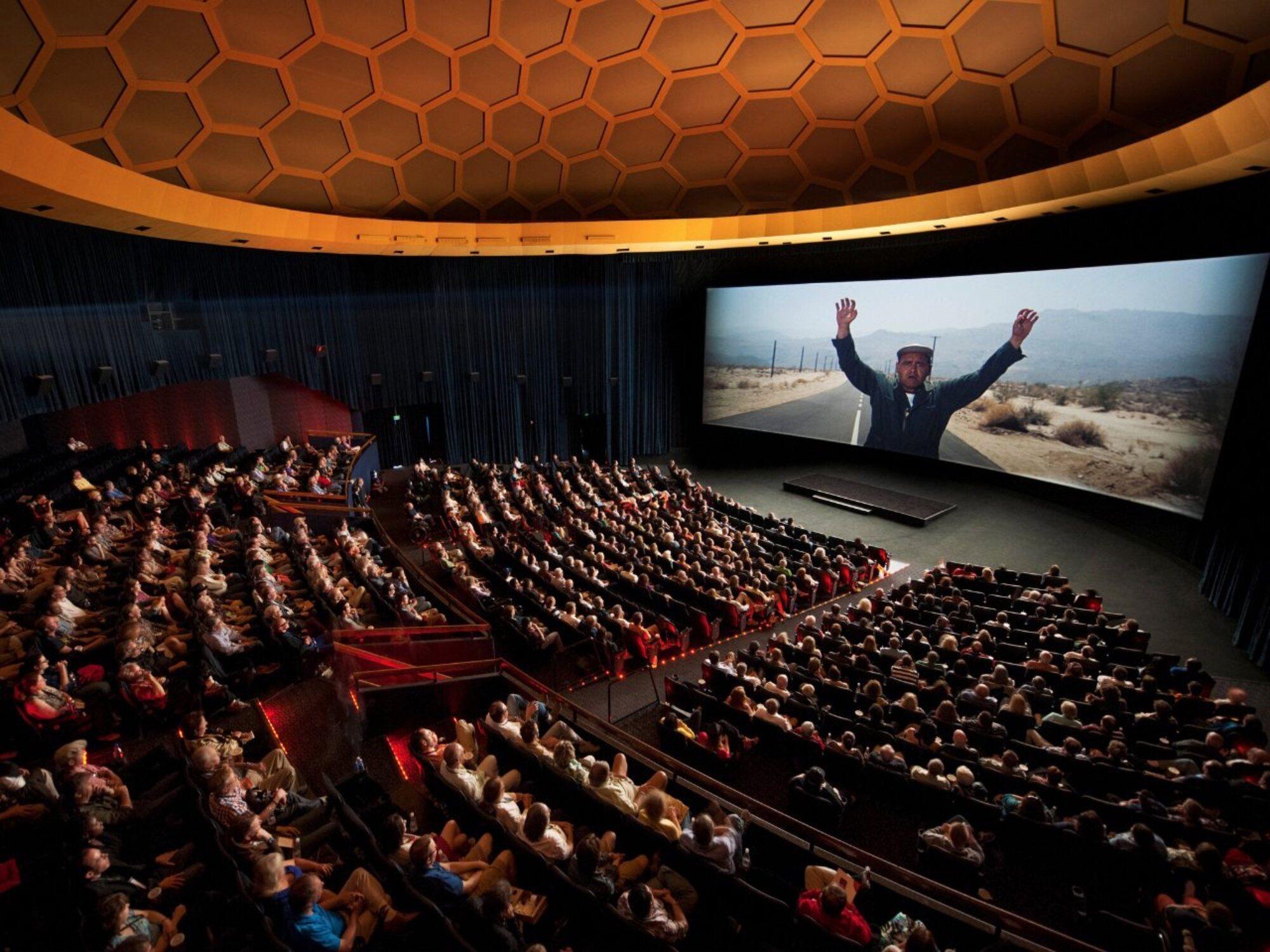
One thing streaming cannot reproduce is crowd emotion.
The collective gasp.
The laugh that spreads across the room.
The silence before a reveal.
The applause after a major moment.
The feeling that a film is happening with people, not merely in front of one person.
This is why theaters still matter culturally.
They turn entertainment into public experience.
That may be the strongest long-term defense of cinema. People do not only want content. They want moments. The right film, in the right room, with the right crowd, can still feel larger than ordinary life.
That is hard to replace.
Hollywood Needs Theaters Financially
Studios may love streaming platforms, but theatrical success still does things streaming cannot easily do.
It creates global marketing heat.
It builds prestige.
It generates large upfront revenue.
It gives films cultural importance.
It strengthens franchises.
It creates scarcity.
A film that succeeds in theaters arrives on streaming with a stronger identity. It has already been validated by the public. It feels like an event that people missed if they did not see it.
Streaming can distribute attention.
Theaters can create it.
That is why studios are returning to theatrical discipline.
The Strike Recovery Still Matters
The industry is still recovering from production disruptions caused by Hollywood labour strikes. Those disruptions weakened release calendars and delayed projects. A fuller 2026 slate gives theaters the supply they need to rebuild habits.
This point matters because cinemas cannot manufacture content themselves.
They depend on studios.
If the release pipeline is thin, theaters suffer even if demand exists. If the slate is strong, theaters can rebuild attendance, staffing, revenue and confidence.
The comeback is therefore a chain reaction.
Writers write.
Actors perform.
Studios release.
Theaters sell.
Audiences return.
When one part breaks, the whole system feels it.
The Market Wants Proof Beyond One Weekend
Investors will not be satisfied with one blockbuster.
They want proof that the recovery can last.
AMC’s surprise profit and record revenue are encouraging, but the industry remains sensitive to debt, rent, labour costs, competition and uneven attendance. A few major films can lift a quarter. A weak slate can expose the same old problems.
That is why the next releases matter.
Theaters need momentum.
Studios need consistency.
Audiences need reasons to keep coming back.
The cinema comeback is not a single opening weekend.
It is a year-long test.
Theaters Are Becoming More Like Live Events
The future of cinema may look more like live entertainment.
Special screenings.
Premium formats.
Fan events.
Director Q&As.
Anniversary releases.
Concert films.
Sports screenings.
Anime events.
Horror nights.
Franchise marathons.
Theaters can no longer rely only on ordinary showtimes. They need programming that makes the building feel alive.
This is where cinema chains can innovate.
The auditorium is not only a place to show movies.
It is a venue for shared screen culture.
The Sofa Is Still The Biggest Rival
The strongest rival to cinema is not another theater chain.
It is the sofa.
The sofa is comfortable.
The sofa is cheap.
The sofa has pause.
The sofa has snacks from the kitchen.
The sofa has no parking problem.
The sofa has no loud stranger behind you.
To beat the sofa, theaters need scale, sound, service and urgency. They need to make the trip feel worth the effort.
That is the real cinema comeback test.
Not whether people love movies.
Whether they love the experience enough to move.
Nolan Shows The Director Still Matters
The success of The Odyssey also shows that directors can still be brands.
Christopher Nolan has become one of the few filmmakers whose name alone can create theatrical urgency. Audiences trust that his films are built for the big screen. That trust has commercial value.
This is important because Hollywood often relies on franchise names more than filmmaker names.
Nolan proves that auteurs can still function like event brands when audiences believe the cinematic experience will be distinctive.
That is good news for theaters.
They need franchises.
But they also need filmmakers who make cinema feel necessary.
The Global Box Office Is The Real Prize
The $264 million worldwide opening for The Odyssey shows that theatrical recovery is not only a U.S. story.
Global audiences still matter enormously.
Hollywood depends on international markets to justify large budgets. A film that performs across regions gives studios confidence to keep investing in cinema-scale releases.
That is why the comeback must be measured globally.
A strong domestic weekend helps.
A strong worldwide weekend changes the investment case.
Theaters everywhere need proof that audiences still respond to spectacle when the film feels big enough.
The Bottom Line
The Cinema Comeback Test is now underway.
Christopher Nolan’s The Odyssey opened with about $264 million worldwide and a record $52 million from IMAX screens, while AMC posted a surprise adjusted profit and record revenue as blockbuster films lifted ticket sales.
That is the strongest signal theaters have had in years.
But the comeback is not complete.
Cinemas still face streaming competition, price pressure, debt, uneven attendance and the challenge of turning occasional event visits into repeat habits.
The lesson is clear.
Theaters still matter when movies feel big enough.
Now Hollywood must prove it can keep making audiences believe that the biggest stories belong on the biggest screens.