
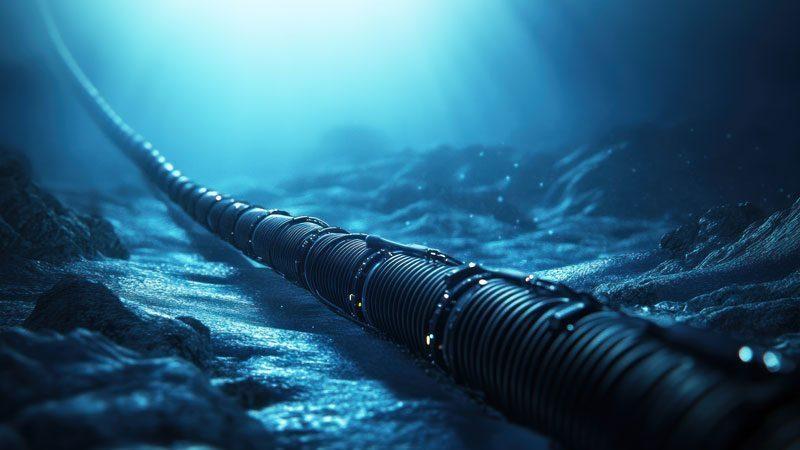
The next bridge between Morocco and Europe may not carry cars, tourists or containers.
It may carry electricity.
Morocco and Portugal are pushing forward with a long-discussed power interconnection that could link North Africa more directly to Europe’s electricity system. The project is still early, and key questions remain open, including the route, financing model and commercial structure.
But the direction is clear.
Energy is becoming one of the most important connections between Morocco and the international economy.
This is not politics first.
It is infrastructure.
And infrastructure is where tomorrow’s power is built.
Electricity Bridge Moves Back Onto The Table
The Electricity Bridge matters because Morocco and Europe are both trying to solve the same problem from different sides.
Europe needs more clean electricity, stronger grids and better energy security.
Morocco wants to turn its renewable-energy potential into industrial value, export capacity and strategic relevance.
Reuters reports that Portugal and Morocco will ask the European Commission to consider their long-discussed power interconnector as a candidate for EU funding, while also exploring private-sector investment. (Reuters)
That financing detail is important.
A power cable is not only an engineering project. It must become bankable. Someone must pay for it, someone must regulate it, someone must buy the electricity, and someone must believe the economics work over decades.
That is why EU funding and private capital matter.
They can turn a strategic idea into real infrastructure.
Morocco Is Becoming An Energy Connector
Morocco is often described as a country between Africa and Europe.
Usually, that phrase refers to geography, migration, trade or culture.
But energy gives it a more concrete meaning.
If Morocco can connect renewable production, industrial zones, ports, mining, green hydrogen, fertilizer, desalination and cross-border electricity flows, it becomes more than a market. It becomes a platform.
The Portugal link fits that logic.
It would not only connect two countries. It would connect two energy systems at a time when electricity is becoming the backbone of the global economy.
Cars are becoming electric.
Factories need cleaner power.
Data centers need huge energy supply.
Desalination needs electricity.
Green hydrogen needs electricity.
Europe’s climate transition needs electricity.
That means the grid is becoming as strategic as oil pipelines once were.
Portugal Needs More Flexibility
Portugal has invested heavily in renewable energy, but renewable-heavy systems need flexibility.
Wind and solar do not always produce when demand is highest. Grid interconnections help countries balance supply and demand by importing or exporting power when needed.
Reuters reports that Portuguese Energy Minister Maria da Graça Carvalho said a new Europe-Africa electricity connection would strengthen energy security and cooperation on both continents. (Reuters)
That is the technical heart of the story.
A stronger interconnection could help Portugal manage renewable variability, reduce isolation and create new options for electricity trade.
For Morocco, the benefit is different but equally important.
It gives the Kingdom a potential route to export power into Europe and deepen its role as a clean-energy partner.
The Route Is Still Open
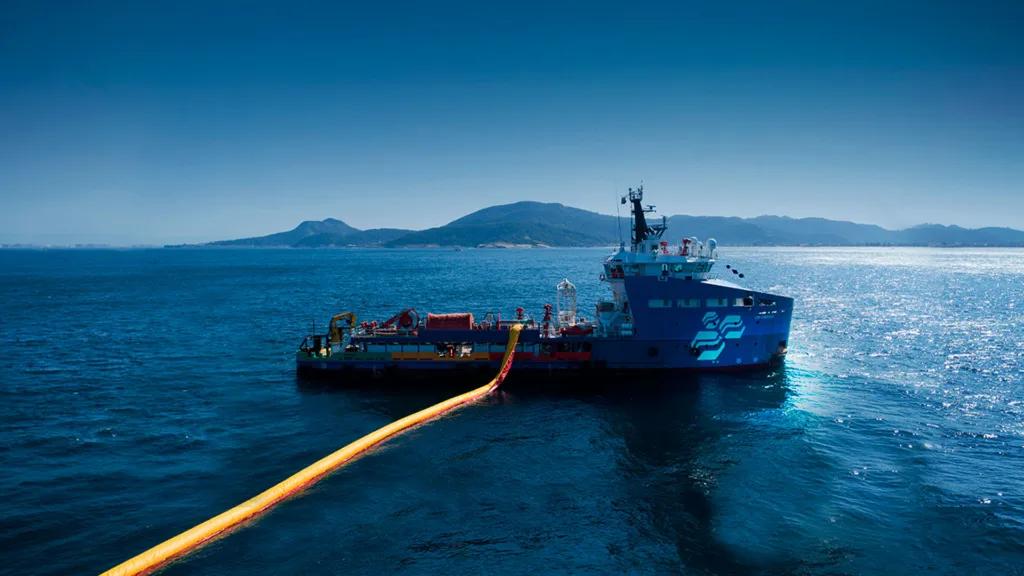
One of the most important questions is how the project would physically work.
Reuters reports that it is still too early to say whether the project would involve a direct subsea cable between Portugal and Morocco or use infrastructure via Spain, which already has an electricity interconnection with Morocco. (Reuters)
That uncertainty matters.
A direct subsea cable could create a strong bilateral link between Rabat and Lisbon.
A route via Spain may be more practical or cheaper, depending on technical and regulatory factors.
The final design will shape the economics of the project.
It will also shape who controls the flow, who benefits most, and how the interconnection fits into the wider European grid.
In energy, geography is never neutral.
The cable route becomes the business model.
Spain Is Already Part Of The Story
Spain cannot be ignored.
Morocco already has electricity links with Spain, making the Iberian Peninsula the natural gateway between Morocco and the European grid. Any Morocco-Portugal project will therefore interact with Spain’s infrastructure, market rules and wider European interconnection plans.
That does not make the project impossible.
It makes it more complex.
Electricity does not move like a normal product. It needs grid capacity, balancing rules, regulatory coordination and stable market design. If one country produces power and another consumes it, the transmission path must be reliable.
This is where Morocco’s energy future becomes technical.
The headlines say cable.
The real story is regulation, capacity and pricing.
Europe Wants Clean Power, But Also Control
Europe is trying to electrify its economy while reducing dependence on imported fossil fuels.
That creates demand for renewable electricity, green hydrogen, battery materials, grid flexibility and low-carbon industrial supply chains.
Morocco has advantages in several of those areas.
It has solar potential.
It has wind potential.
It has phosphate and fertilizer infrastructure.
It has Atlantic and Mediterranean access.
It has industrial zones and export ambition.
But Europe will not simply buy energy without asking questions.
It will want traceability, regulatory alignment, environmental standards, reliability, pricing transparency and security of supply.
That is why Morocco must not only produce energy.
It must produce trust.
The Private Sector Will Decide The Pace
Government support can open the door.
Private capital often decides whether a project moves.
Portugal and Morocco are considering private-sector investment alongside possible EU funding, according to Reuters. (Reuters)
That makes the business case central.
Investors will ask several questions.
What is the expected capacity?
Who buys the electricity?
What price mechanism applies?
What is the return period?
Who carries construction risk?
Who regulates access?
How are outages handled?
What happens if power prices change?
Can the project compete with other interconnectors?
These questions are not obstacles.
They are the normal reality of infrastructure finance.
A cable becomes real only when the spreadsheet works.
Morocco’s Renewable Story Needs Export Routes
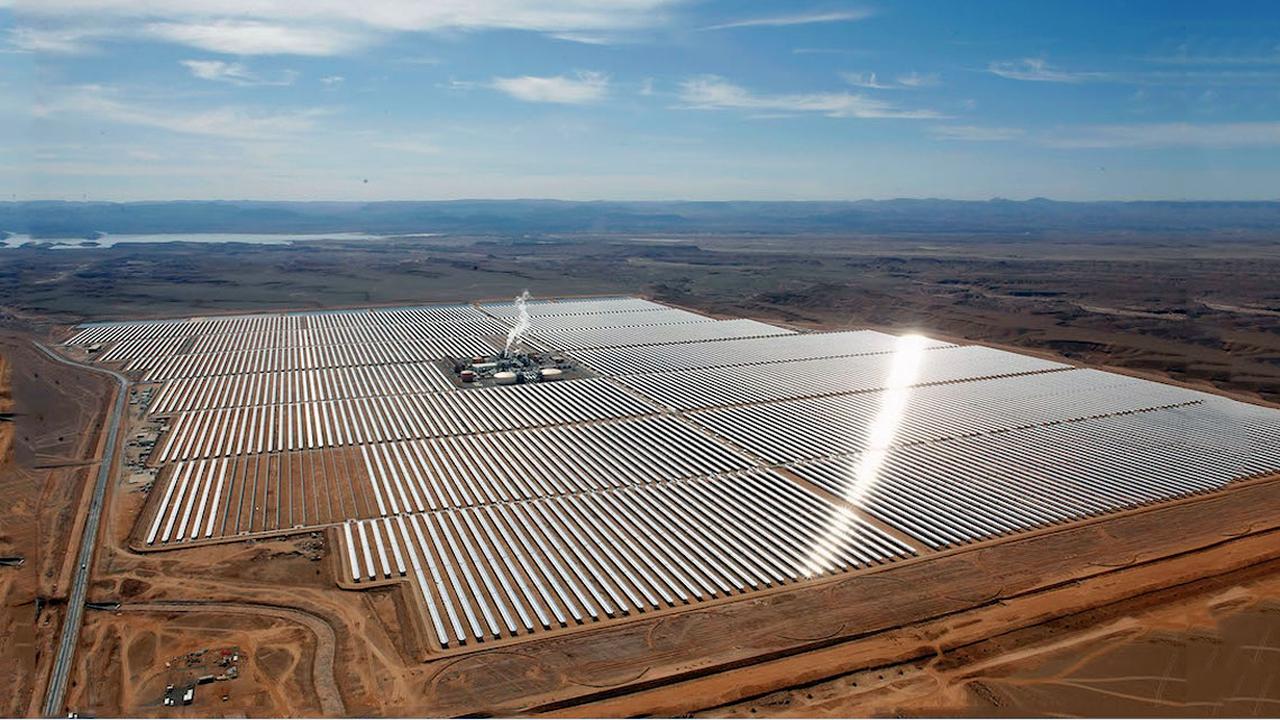
Morocco has spent years presenting itself as a renewable-energy leader.
But renewable ambition needs transmission.
Producing clean electricity is one thing.
Moving it to valuable markets is another.
If Morocco can create more routes into Europe, it can strengthen the economics of renewable projects at home. Export potential can support investment in generation, storage and industrial projects.
But Morocco must balance export ambitions with domestic needs.
Electricity is not only an export product.
It powers Moroccan homes, factories, farms, ports, trains, desalination plants and future green industries.
The right model cannot be “export everything.”
It must be “build enough capacity to serve Morocco and sell surplus where value is highest.”
That is the difference between strategy and dependency.
Domestic Consumers Must Not Carry The Whole Cost
One sensitive issue is who pays.
A large interconnection project can be expensive. If costs are passed too heavily to consumers, the project may face resistance. If taxpayers carry too much, it becomes politically and fiscally difficult. If private investors carry the risk, they will demand returns.
This is why the financing structure matters.
Médias24 reported that Morocco and Portugal want support from the European Union and private investors instead of placing the financial burden only on taxpayers and consumers.
That is the right direction.
Energy transition must be ambitious, but it must also be socially acceptable.
A project that raises bills too sharply can lose public support, even if it makes strategic sense.
The Project Fits A Wider Morocco-Europe Energy Map
The Portugal link is not happening in isolation.
Reuters also reported that France and Morocco have called for expressions of interest in a direct electricity interconnection project between the two countries, as part of broader efforts to strengthen energy ties between Europe and North Africa. (Reuters)
That is significant.
It suggests Morocco is not only exploring one connection.
It is becoming part of a larger discussion about how North African renewable power can connect with European demand.
Portugal.
Spain.
France.
Possibly the UK through other private projects.
All of these routes point to the same idea.
Morocco’s energy value is rising because Europe needs more clean power and more resilient grids.
Energy Security Is No Longer Only About Oil And Gas
For decades, energy security meant access to oil and gas.
That definition is changing.
In an electrified world, energy security also means grid stability, cable capacity, storage, renewable generation, cyber protection and cross-border balancing.
A country with strong electricity connections has more options.
A country with weak interconnections can become isolated during crises.
This is why Portugal is interested.
And this is why Morocco should be interested too.
The country that can export electricity, import flexibility when needed and participate in regional power trade becomes more resilient.
Energy security is becoming electric.
Morocco Can Gain Industrial Advantage
The electricity link could also support Morocco’s industrial strategy.
Clean power is increasingly important for factories that export to Europe. As European carbon rules tighten, companies will care more about the carbon footprint of the electricity used in production.
If Morocco can offer renewable power, industrial land, ports and proximity to Europe, it becomes more attractive for manufacturers.
That matters for automotive, batteries, fertilizer, green hydrogen, data centers, logistics and other sectors.
The cable is therefore not only an export route.
It is part of an industrial ecosystem.
Energy infrastructure can attract factories.
Factories can create jobs.
Jobs can create domestic value.
That is the real prize.
The Grid Must Become Smarter
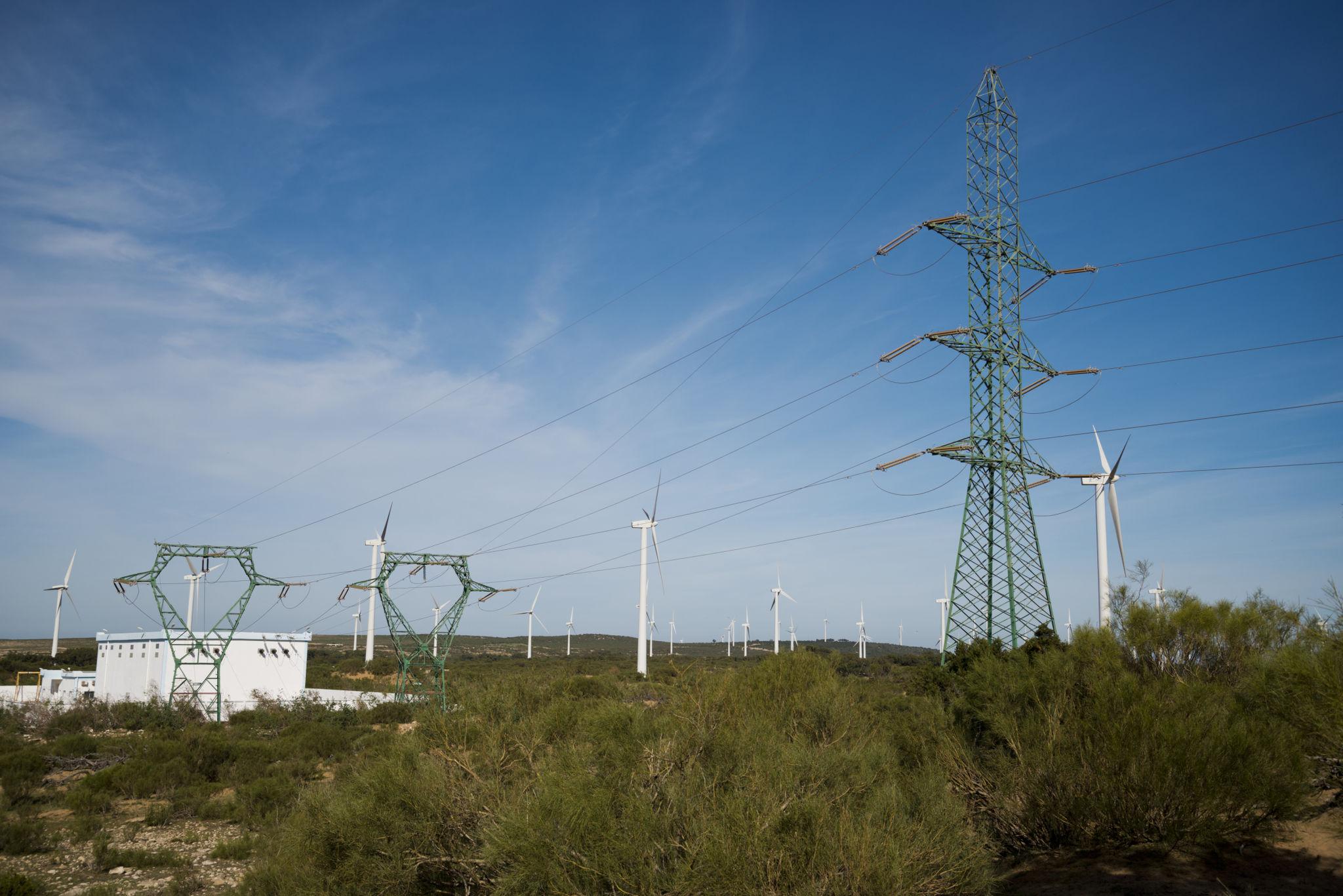
A cross-border power link requires more than a cable.
It requires a smarter grid.
Electricity systems must manage variable renewable generation, peak demand, storage, backup capacity and real-time balancing. The more Morocco connects with Europe, the more important grid management becomes.
That means investment in transmission infrastructure, digital monitoring, storage, dispatch systems and regulatory capacity.
A renewable-energy country without a strong grid is like a port without roads.
The energy may exist, but it cannot move efficiently.
Morocco’s next energy challenge is therefore not only generation.
It is orchestration.
Europe Needs Morocco, But Morocco Also Needs Discipline
The global story is attractive.
Morocco exports clean power.
Europe receives renewable electricity.
Investors finance infrastructure.
Both sides gain.
But the practical reality is harder.
Projects can face cost overruns, permitting delays, engineering challenges, regulatory disputes and political hesitation. Undersea cables are complex. Cross-border electricity markets require trust. Investors need certainty. Consumers need protection.
Morocco must approach this with discipline.
The country has strong strategic assets, but execution will decide whether those assets become income.
Energy dreams do not pay dividends.
Completed infrastructure does.
The Climate Angle Is Clear
Climate change is making electricity infrastructure more important.
Heatwaves increase cooling demand.
Drought affects hydropower.
Wildfires threaten transmission lines.
Extreme weather stresses grids.
Desalination increases electricity demand.
Electric vehicles add new load.
Industrial decarbonisation requires cleaner power.
All of this points to one conclusion.
Countries need stronger, more flexible electricity systems.
A Morocco-Portugal interconnection would fit that world. It would not solve every problem, but it would add optionality, and optionality is valuable in a volatile climate era.
The future energy system will reward countries that can move power across regions.
Morocco wants to be one of them.
Africa-Europe Energy Cooperation Needs Better Models
For years, Europe has looked at North Africa as a potential source of solar power.
The challenge has always been turning that idea into a fair, bankable and politically acceptable model.
North African countries do not want to become simple energy colonies.
European countries do not want unreliable supply.
Investors do not want unclear regulation.
Consumers do not want higher bills.
That means the model must be balanced.
Morocco should export energy only in a way that also strengthens domestic industry, local jobs, infrastructure and national resilience.
A good cable must not only serve Europe.
It must also serve Morocco.
The Atlantic Dimension Matters
The Morocco-Portugal link would also strengthen Morocco’s Atlantic identity.
Morocco is already positioning itself as an Atlantic country, not only a Mediterranean one. A power connection with Portugal fits that wider map, connecting the Kingdom to Europe through the Atlantic corridor.
That matters for trade, energy, ports, logistics and diplomacy.
The Atlantic is becoming more important to Morocco’s future.
Electricity could become part of that story.
Not just ships crossing water.
Power crossing water.
The Business Headline Is Bigger Than The Cable
The immediate news is about a possible power interconnector.
The bigger business headline is about Morocco’s role in the clean-energy economy.
If the Kingdom can finance, build and operate cross-border energy infrastructure, its global profile changes. It becomes a country that does not only consume energy or produce commodities.
It becomes an energy connector.
That is a stronger position.
Connectors create value because they sit between supply and demand.
Morocco sits between African renewable potential and European electricity demand.
That geography now needs infrastructure.
The Bottom Line
The Electricity Bridge could become one of Morocco’s most important international infrastructure stories.
Reuters reports that Morocco and Portugal will ask the European Commission to consider a power interconnection between the two countries for EU funding, while also exploring private-sector investment. The route is still open, either through a direct subsea cable or through infrastructure connected to Spain. (Reuters)
This is not a tourism story.
It is not a stadium story.
It is not a political speech.
It is Morocco’s energy future taking shape.
If the project becomes real, it could strengthen Europe-Africa power trade, support Morocco’s renewable ambitions, attract industrial investment and give the Kingdom a stronger role in the clean-electricity economy.
The next big bridge between Morocco and Europe may not be visible from the road.
It may be under the sea.
And it may carry the current that defines the next economy.