
The most important infrastructure of the digital age is often invisible.
It does not look like a tower.
It does not look like a port.
It does not look like a highway.
It lies under the sea.
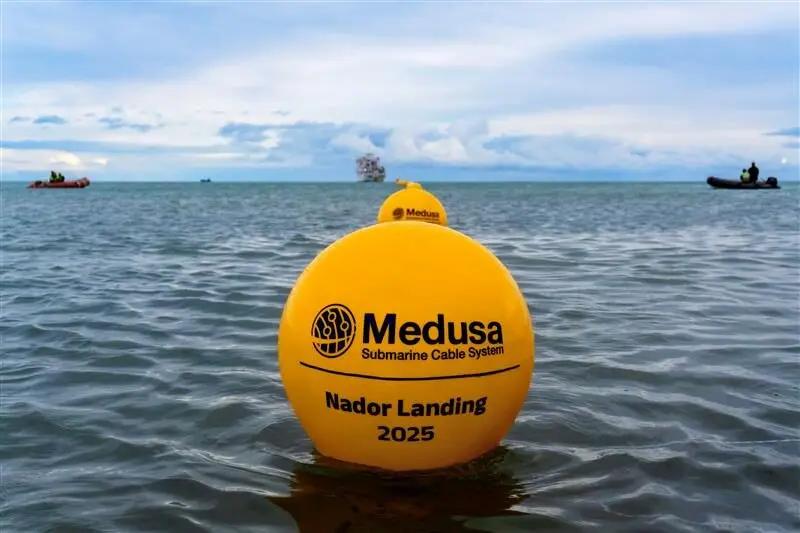
Morocco’s arrival on the Medusa submarine cable route shows how the Kingdom’s geography is becoming valuable in a new way. Not only for trade, tourism, migration or energy, but for data.
In a world shaped by cloud computing, artificial intelligence, streaming, digital finance and cross-border services, internet infrastructure is no longer a technical side issue.
It is strategic power.
Data Cable Frontier Reaches Morocco
The Data Cable Frontier matters because Morocco is no longer only looking at Europe through roads, ferries, flights and electricity links.
It is also connected through fibre.
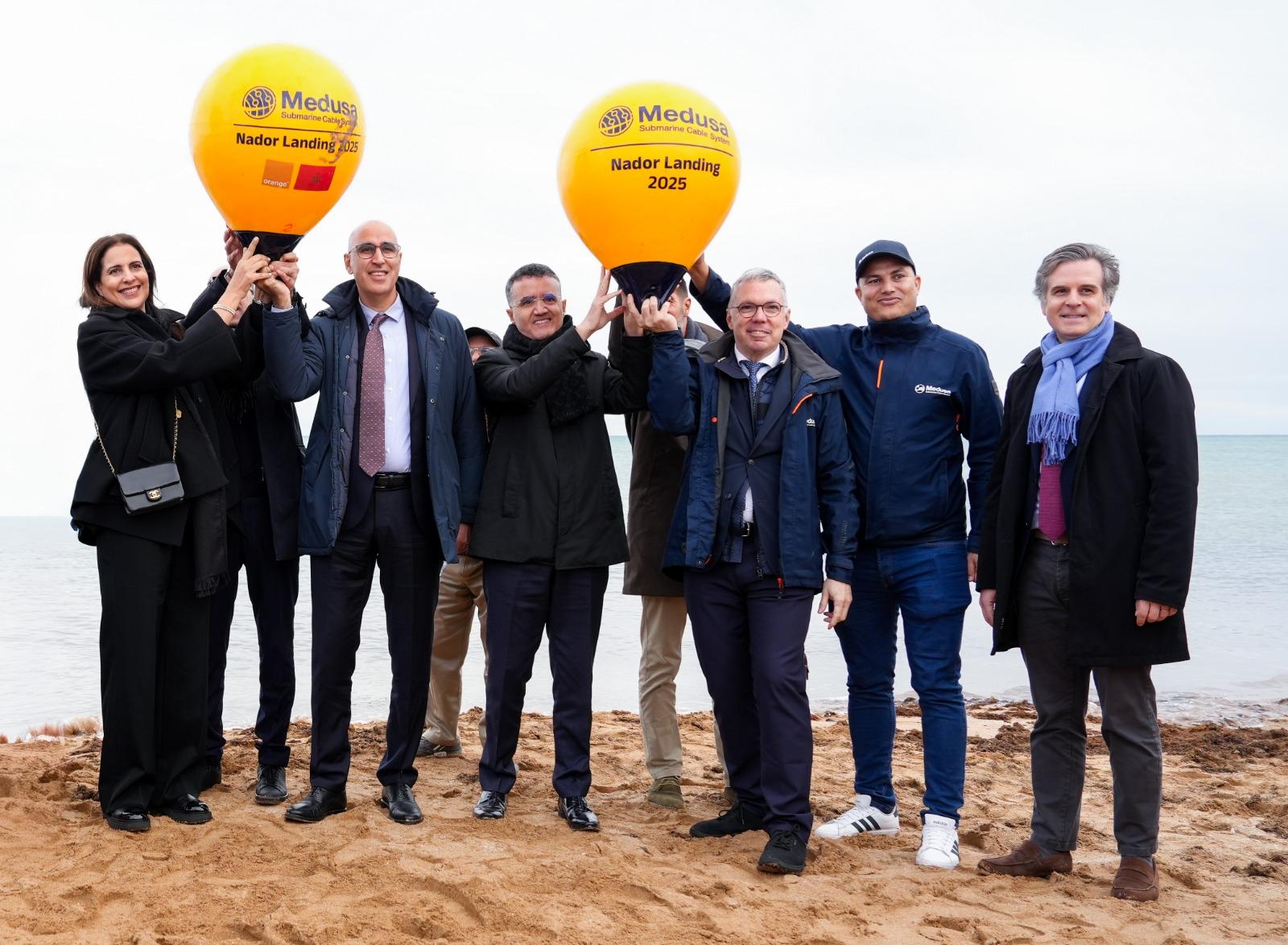
The Medusa submarine cable has landed in Nador, creating a new digital link between Morocco, Southern Europe, North Africa and the wider Mediterranean region. The European Union describes the project as a high-capacity, resilient connectivity route designed to strengthen digital infrastructure between Europe and North Africa.
That is the real story.
Morocco is not only moving goods across borders.
It is moving data.
And in the modern economy, data movement is as important as physical movement.
The Mediterranean Becomes A Digital Corridor
For decades, the Mediterranean was discussed mainly as a trade, migration and security space.
Now it is becoming a digital corridor.
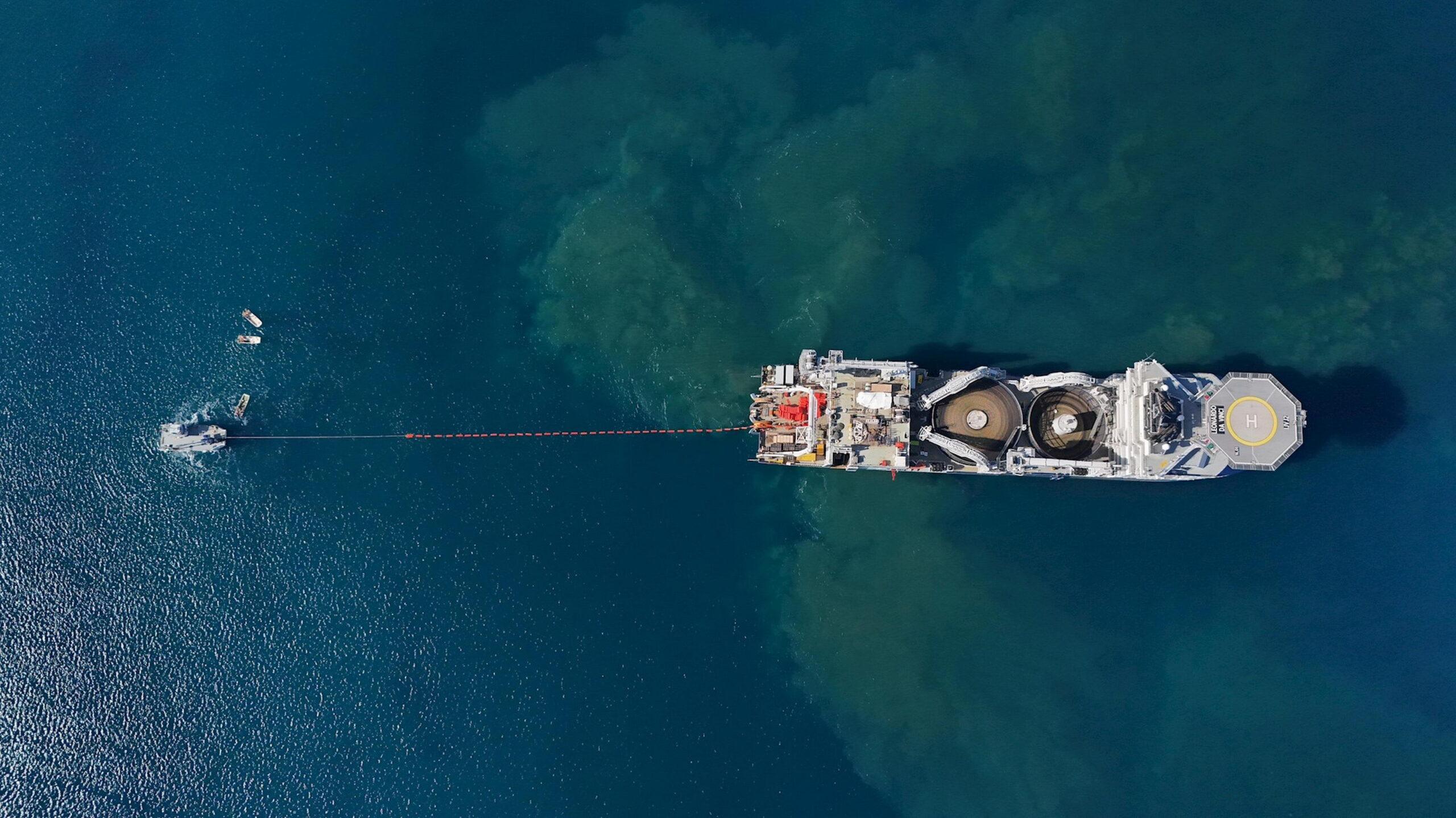
Medusa changes the map because it connects countries that need more bandwidth, lower latency and stronger international connectivity. The system is designed to link Southern Europe, North Africa and parts of the Middle East through thousands of kilometres of submarine fibre.
For Morocco, that matters because location is one of the country’s strongest assets.
Morocco sits near Europe.
Morocco faces the Atlantic.
Morocco connects Africa and the Mediterranean.
That geography becomes more valuable when the world needs faster, safer and more diversified data routes.
Nador Gains A New Strategic Role
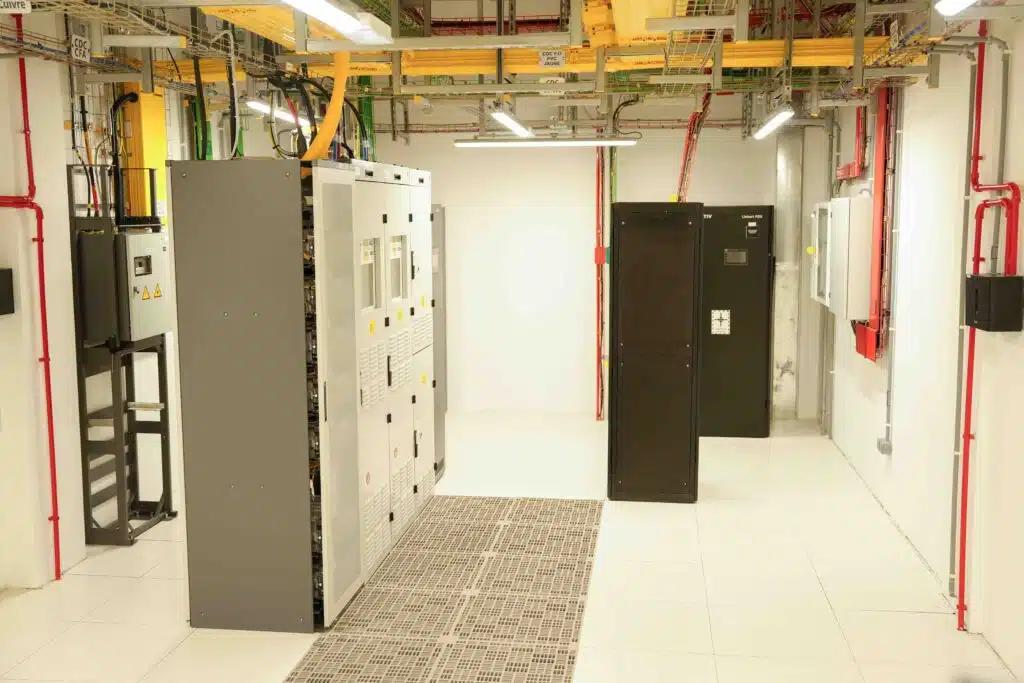
Nador is often discussed through port development, regional growth and the wider Oriental region.
But the Medusa landing adds a digital layer.
A cable landing point is not just a technical station. It can become part of a wider connectivity ecosystem, especially if linked to data centres, telecom networks, cloud services, research institutions and industrial zones.
This is where Morocco must think bigger.
A cable landing is not the final objective.
It is the beginning of a digital value chain.
If Morocco only receives cable capacity, the gain is limited.
If Morocco turns that capacity into cloud infrastructure, research connectivity, digital services and business attraction, the gain becomes much larger.
Internet Speed Is Economic Infrastructure
Fast internet is not only for entertainment.
It supports banking.
Hospitals.
Universities.
Call centres.
Government services.
Logistics.
E-commerce.
Media.
Remote work.
Cybersecurity.
Artificial intelligence.
Export services.
A country with weak connectivity becomes slower in almost every modern sector. A country with strong connectivity can attract more digital activity, serve regional markets and integrate better into global business systems.
That is why submarine cables matter.
They are not glamorous.
But they are essential.
A slow connection can be a hidden tax on the economy.
A strong connection can be an invisible subsidy for growth.
AI Makes The Cable More Important
Artificial intelligence increases the importance of data infrastructure.
AI tools require large volumes of data, fast cloud access, powerful data centres and reliable international connections. The countries that want to participate in the AI economy need more than talented engineers.
They need infrastructure.
Servers.
Electricity.
Cooling.
Fibre.
Cybersecurity.
Data regulation.
International connectivity.
That is where Morocco’s digital ambition meets reality.
If the Kingdom wants to become a serious digital and AI hub between Africa and Europe, submarine cables are part of the foundation.
Without connectivity, ambition remains a slogan.
With connectivity, ambition becomes buildable.
Europe Needs More Digital Routes
Europe also has an interest in stronger Mediterranean digital infrastructure.
The digital economy depends on resilience. If too much traffic depends on too few routes, the system becomes vulnerable. Cable damage, geopolitical tension, technical failures or congestion can disrupt services far beyond one country.
That is why route diversity matters.
Medusa adds another connectivity layer across the Mediterranean. It gives Europe and North Africa additional digital paths, and it supports a broader strategy of reducing digital bottlenecks.
For Morocco, this creates an opportunity.
The country can position itself not only as a user of connectivity, but as a regional node inside Europe-Africa digital flows.
Digital Sovereignty Enters The Conversation
The phrase “digital sovereignty” can sound abstract.
But in practice, it means control over data routes, storage, security, infrastructure and strategic technology dependencies.
Submarine cables are part of that.
If a country depends entirely on external routes and foreign infrastructure, its digital economy is exposed. If it has multiple connections, stronger local networks and trusted data infrastructure, it gains resilience.
Morocco does not need to isolate itself digitally.
That would be impossible and counterproductive.
But it does need to understand who controls the routes, where data flows, which companies operate infrastructure and how national resilience is protected.
The cable is technical.
The sovereignty question is strategic.
Universities And Research Can Benefit
Medusa is also important for research and education.
The project is designed to improve connectivity between North African research and education networks and European networks. That matters because universities need strong international data connections for science, collaboration, remote laboratories, databases and academic exchange.
A Moroccan student or researcher should not be held back by weak bandwidth.
Science is increasingly digital.
Research moves through data.
Medical imaging, climate modelling, satellite information, engineering simulations and AI research all depend on strong connectivity.
If Morocco wants stronger universities, the internet backbone matters.
Digital infrastructure is academic infrastructure.
Morocco Must Not Waste The Opportunity
A cable landing is not enough by itself.
Many countries have submarine cables but fail to turn them into broad digital growth because local infrastructure, competition, regulation or pricing remain weak.
Morocco must avoid that trap.
The country needs better last-mile fibre.
Competitive pricing.
Reliable service quality.
Stronger data centres.
Clear cloud regulation.
Digital skills.
Cybersecurity capacity.
Support for startups.
Better public-sector digitisation.
A submarine cable can bring capacity to the shore.
But national policy must carry that capacity into homes, companies, schools and institutions.
Otherwise, the cable becomes a symbol more than a transformation.
Telecom Competition Will Matter
Consumers and businesses will judge digital progress through daily experience.
Is the internet faster?
Is fibre available?
Are prices fair?
Are service levels reliable?
Can companies access cloud tools easily?
Can startups operate without infrastructure frustration?
Can remote workers depend on stable connections?
These questions matter more than big announcements.
If international bandwidth improves but local users still face poor service, the promise will feel empty.
Telecom operators therefore become central to the success of the project.
The cable creates potential.
Operators and regulators decide whether citizens and businesses feel it.
Nador Could Become More Than A Landing Point
The wider Nador region has an opportunity to connect physical and digital infrastructure.
If cable landing capacity is combined with port activity, logistics, industrial zones, renewable energy and technology services, the region could build a stronger economic identity.
This does not happen automatically.
It requires planning.
A cable station alone does not create a digital hub.
But a cable station linked to investment, talent, power supply, land, security and business incentives can help create one.
Morocco should think of Nador not only as a place where a cable arrives.
It should think of it as a place where digital value could begin.
Data Centres Need Energy
Digital infrastructure also needs electricity.
Data centres consume large amounts of power and require reliable supply, cooling systems and strong physical security. Morocco’s renewable-energy ambitions could become an advantage if the country can offer clean and stable power for digital infrastructure.
This is where Morocco’s energy and data strategies meet.
A country that wants to host data centres needs more than fibre.
It needs energy planning.
If Morocco can combine submarine cables, renewable electricity, industrial land and proximity to Europe, it can offer a compelling platform.
But again, execution matters.
The digital economy rewards countries that can deliver reliability.
Cybersecurity Becomes More Important
More connectivity also means more exposure.
As Morocco becomes more digitally connected, cybersecurity becomes more important for banks, telecoms, public services, hospitals, ports, airports, universities and media platforms.
A country cannot build digital power without digital protection.
Submarine cables, cloud systems and data flows must be part of a security culture that includes monitoring, incident response, legal frameworks and skilled professionals.
The more Morocco becomes a digital route, the more it must become a digital guardian.
Connectivity brings opportunity.
It also brings responsibility.
The Africa-Europe Position Is Valuable
Morocco’s strongest digital argument is its position between Africa and Europe.
European companies want access to African markets.
African startups and institutions need better global connectivity.
Cloud providers look for regional nodes.
Universities need research links.
Financial services need secure data flows.
Media and entertainment platforms need low-latency distribution.
Morocco can sit between those needs.
But geography alone is not enough.
To become a real digital bridge, Morocco must offer performance, regulation, skills and trust.
A bridge must be strong on both sides.
Digital Infrastructure Is The New Soft Power
Soft power is not only music, tourism, cinema and football.
It is also infrastructure.
A country that connects others becomes useful.
A country that hosts data routes becomes relevant.
A country that supports research networks becomes respected.
A country that provides reliable digital services becomes attractive.
This is why Medusa matters for Morocco’s image.
It shows the Kingdom as part of a modern, connected, Mediterranean economy. It supports the narrative of Morocco as an international platform, not only a national market.
The best national brands are built on real capabilities.
Submarine cables are one of those capabilities.
The Public Needs To Understand The Stakes
Most citizens will not think about submarine cables unless the internet fails.
That is normal.
But the public should understand why these projects matter.
When someone watches a video, sends money, uses WhatsApp, books a ticket, studies online, exports services, pays taxes digitally or works remotely, they are relying on infrastructure they cannot see.
Submarine cables are part of everyday life.
They are the hidden roads of the internet.
Morocco’s entry into stronger Mediterranean cable networks is therefore not an abstract technical story.
It affects the future quality of digital life.
The Bottom Line
The Data Cable Frontier gives Morocco a safer, smarter and more modern World story.
Medusa’s arrival in Nador places the Kingdom inside one of the Mediterranean’s most important digital connectivity projects, linking Europe, North Africa and the wider region through high-capacity submarine fibre.
This is not sensitive politics.
It is infrastructure.
And infrastructure is power.
If Morocco uses this opportunity well, the country can strengthen its position as a digital bridge between Africa and Europe, improve research connectivity, support cloud and AI ambitions, attract technology investment and make its economy more resilient.
The next global route through Morocco may not carry passengers or cargo.
It may carry the data that powers the future.