
Africa’s industrial transition has reached a decisive point in Kenitra.
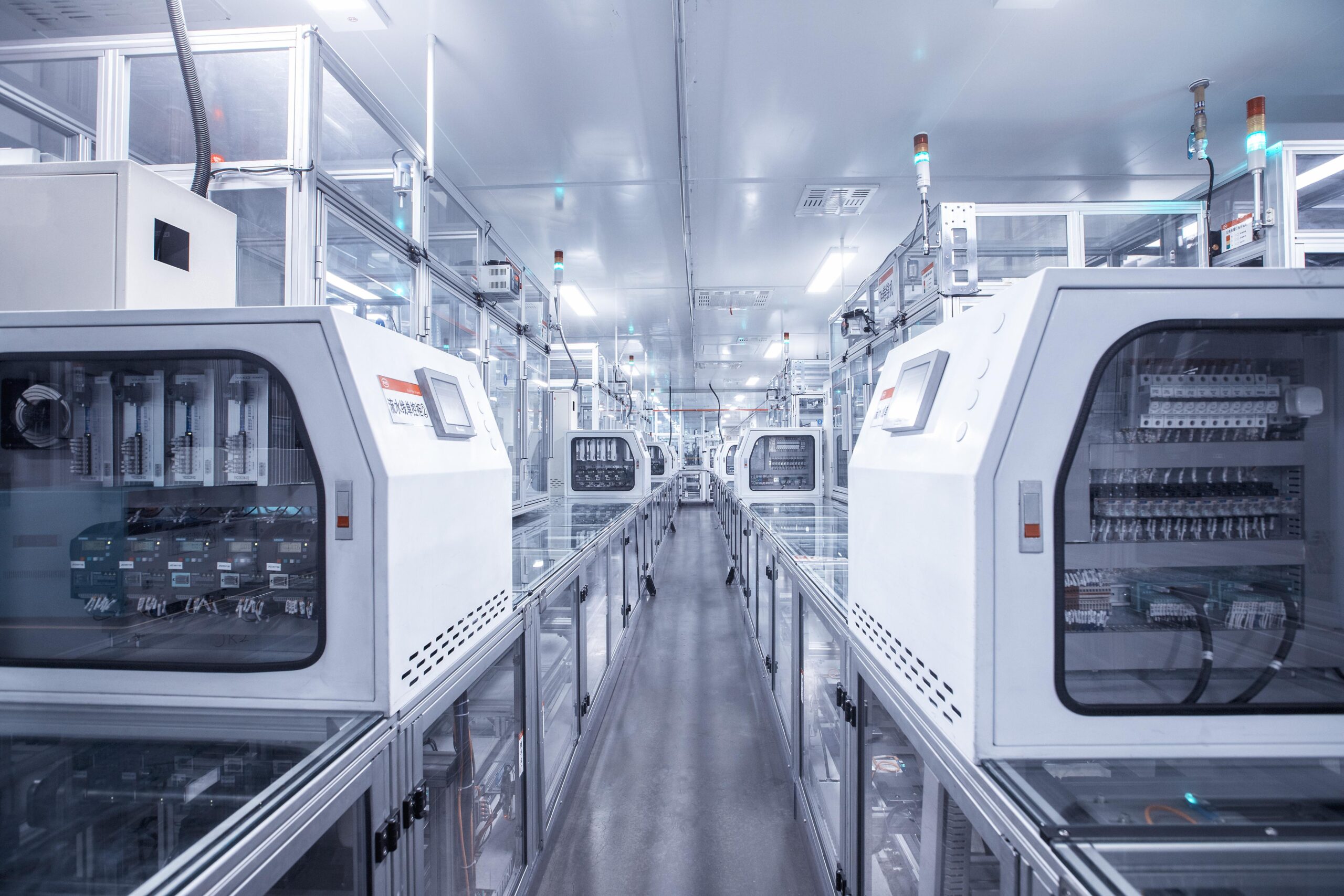
The African Development Bank has approved a €100 million loan for Gotion Power Morocco, supporting the development of what the institution describes as Africa’s first integrated lithium iron phosphate battery gigafactory.
The financing is significant, but the larger story extends far beyond a single loan.
The project places Morocco deeper inside the global electric-vehicle supply chain, linking Chinese industrial capital, African development finance and European demand through one strategically located manufacturing platform.
For Morocco, the factory represents an opportunity to move beyond vehicle assembly and capture more of the value generated by the transition to electric mobility.
For Europe, it offers a potential battery-production base close to its automotive market.
For Africa, it raises a more important question: can the continent become a producer of clean-technology components rather than remaining primarily a supplier of raw materials?
A €1.3 Billion First Phase
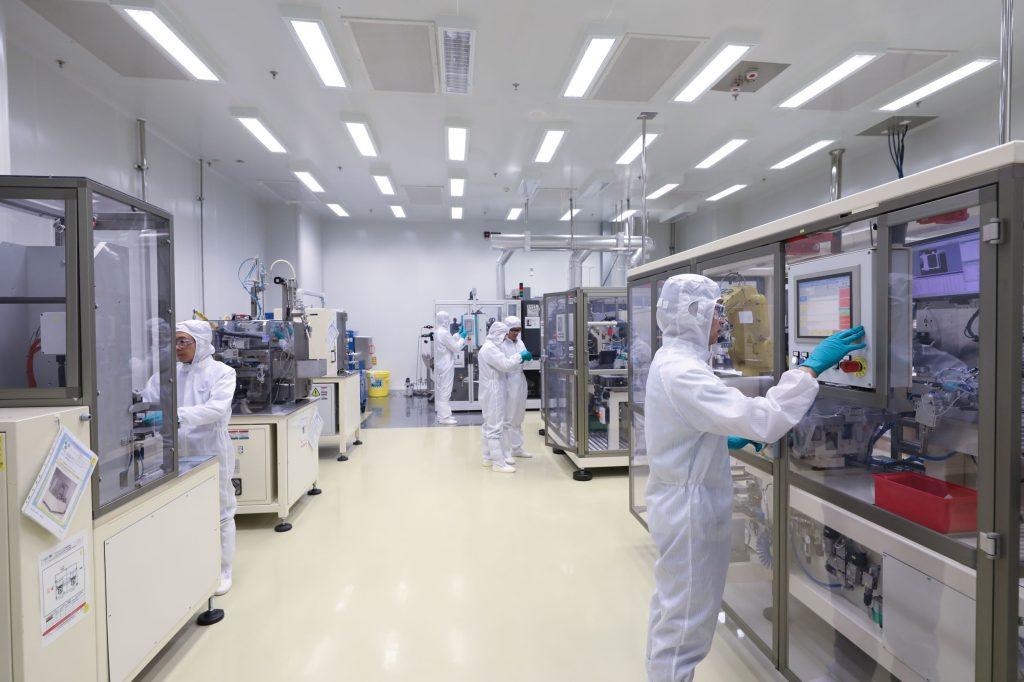
The gigafactory is being developed by Gotion Power Morocco, part of China’s Gotion High-Tech group.
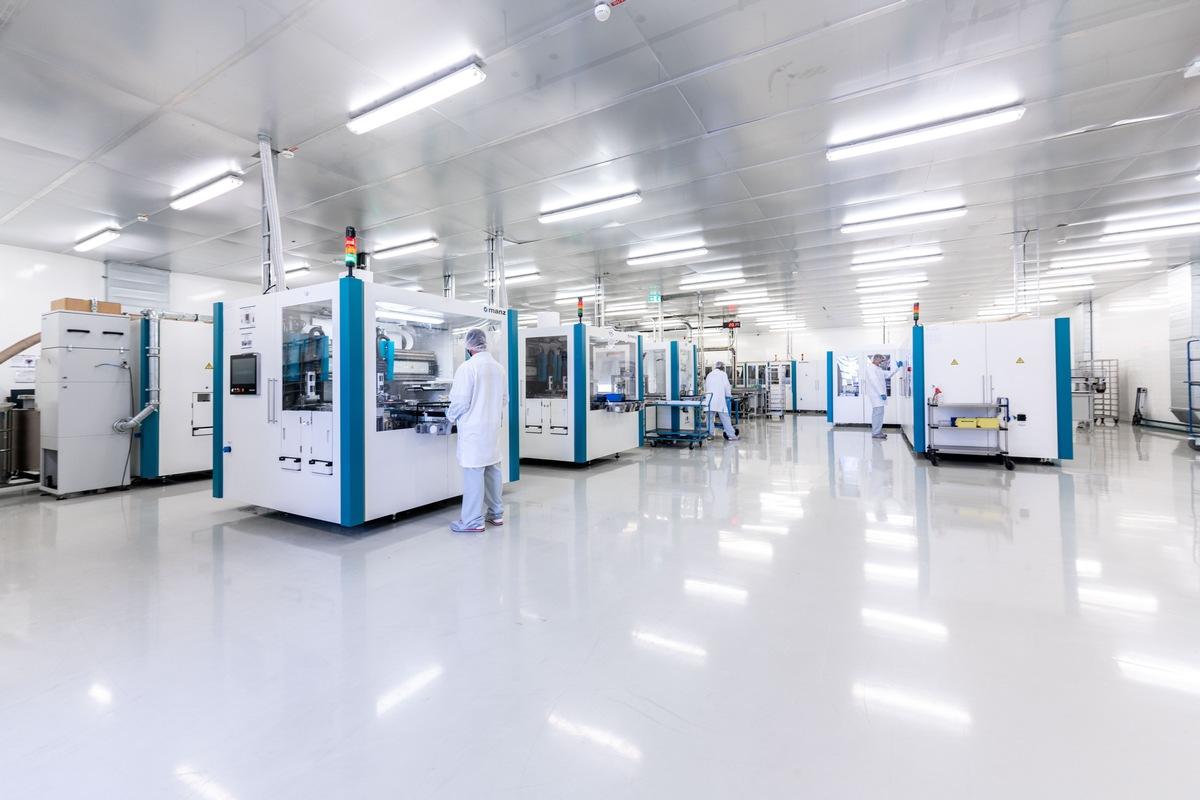
Its initial phase is expected to involve an investment of approximately $1.3 billion. The facility will manufacture lithium iron phosphate battery cells and packs, together with battery components including cathodes and anodes. Much of the production is intended for export, particularly to Europe.
The African Development Bank also plans to mobilise as much as €141 million in additional financing from development partners while acting as mandated lead arranger.
This structure matters.
Development-bank participation does more than provide capital. It can reduce financing risk, attract other lenders and strengthen confidence in a project whose value depends on long construction periods, global demand and complex supply agreements.
Battery factories require enormous upfront investment before they generate meaningful revenue. Their success depends on scale, energy costs, technical capability and reliable access to customers.
The loan therefore supports more than a building. It helps make the entire industrial proposition bankable.
Why Kenitra Matters
The location inside the Rabat-Salé-Kenitra industrial ecosystem is not accidental.
Morocco already hosts major automotive production operations and an established network of component suppliers. Renault and Stellantis have built large manufacturing bases in the country, while hundreds of companies now participate in the broader automotive value chain.
That existing ecosystem gives the battery project advantages that many other African locations cannot yet offer.
It provides industrial infrastructure, export logistics, trained workers, supplier experience and proximity to vehicle manufacturers.
Morocco also has trade access to major international markets and a geographic position that allows components to reach Europe more quickly than supplies transported from East Asia.
The country is therefore not competing only on labour costs.
It is competing on the combined value of location, infrastructure, trade relationships, renewable-energy potential and industrial maturity.
That combination is increasingly important as European manufacturers seek to shorten supply chains and reduce their exposure to distant production centres.
From Assembly To Industrial Depth
Morocco has already established itself as a major vehicle-exporting country.
But assembling vehicles is only one layer of the automotive economy.
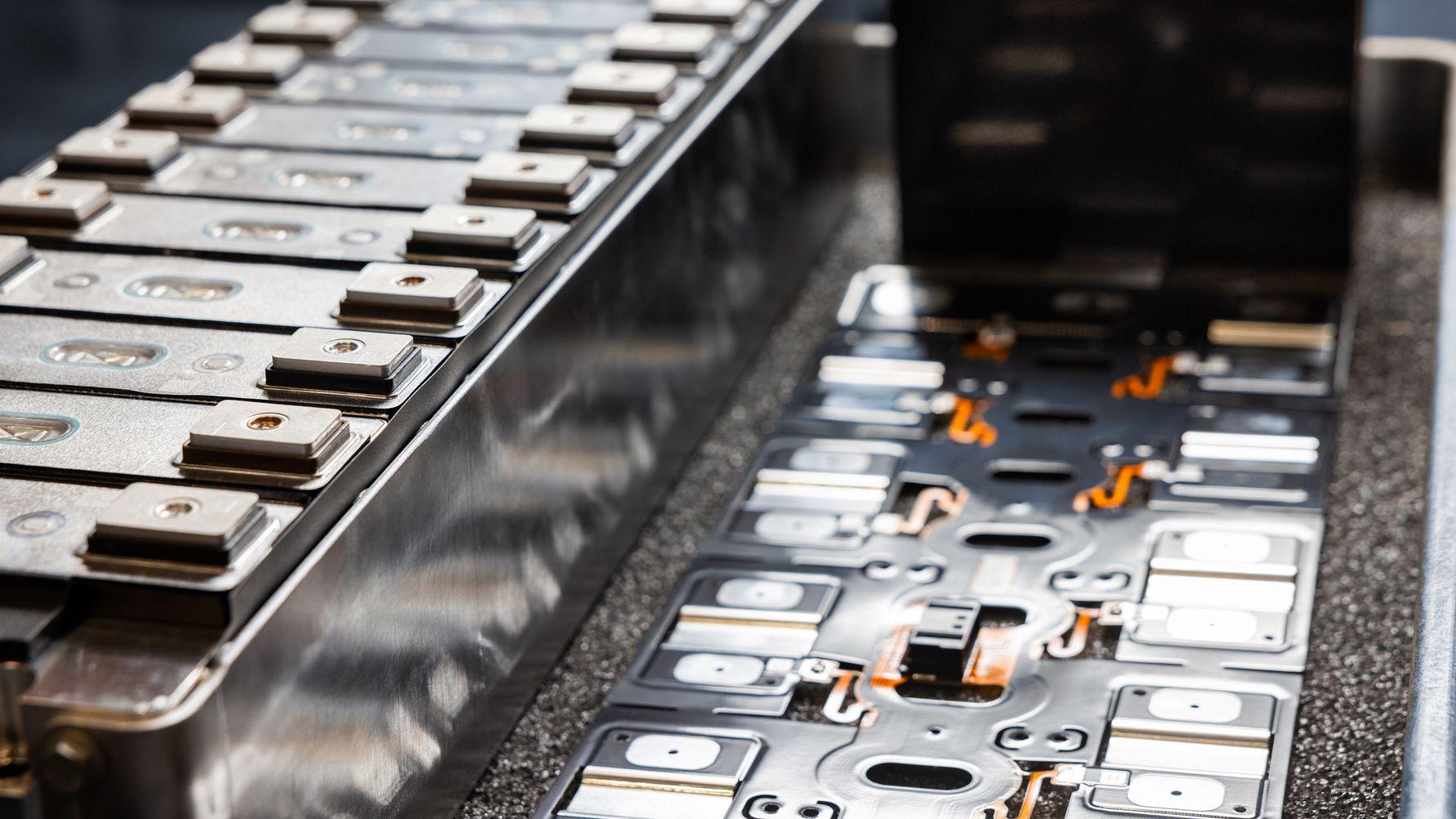
The battery is among the most valuable components inside an electric vehicle. Control over battery production therefore determines where a large share of industrial value, technical knowledge and future investment will be concentrated.
By attracting battery-cell manufacturing, cathode and anode production, Morocco is attempting to deepen its position in the sector.
The objective is not simply to produce more vehicles. It is to control more of the chain that makes those vehicles possible.
That distinction becomes critical as European markets gradually move away from internal-combustion engines.
A country that remains dependent on conventional vehicle assembly may eventually face pressure as global production changes.
A country that develops capabilities in batteries, electric drivetrains, electronics and energy storage is better positioned to remain relevant during that transition.
The Gotion project is therefore partly defensive.
It protects Morocco’s existing automotive base by adapting it to a market that is becoming increasingly electric.
The Local-Value Test
Large foreign investments generate impressive headline numbers.
Their long-term impact, however, depends on what remains inside the host economy.
The first phase of the gigafactory is expected to create more than 600 direct jobs and target a local industrial-integration rate of approximately 70%, according to the African Development Bank.
That target will be one of the most important measures of the project’s success.
A high integration rate would mean greater participation by Moroccan suppliers, service providers, technicians and industrial companies.
It could also support skills development in chemical engineering, battery technology, quality control, automation and energy management.
But local integration cannot be measured only by the number of Moroccan employees inside the factory.
The stronger test is whether domestic companies gain contracts, acquire technical capabilities and become competitive suppliers within the wider battery industry.
If the most advanced equipment, intellectual property, critical inputs and decision-making remain external, Morocco may host production without capturing the full strategic value.
The challenge is therefore to convert foreign investment into domestic industrial capacity.
An African Opportunity With European Customers
The factory is being presented as a major step for Africa’s clean-energy transition.
Yet its initial commercial logic appears strongly connected to European demand.
That is not necessarily a contradiction.
Europe offers a large and relatively close market capable of supporting the scale required by battery manufacturing. Export demand can provide the revenue certainty needed to justify the investment.
The risk is that Africa becomes the production location while the largest commercial benefits remain concentrated elsewhere.
The project’s continental significance will depend on whether it eventually contributes to an African battery and electric-vehicle ecosystem, including energy storage, public transport and local manufacturing.
Battery technology is not relevant only to cars.
It is also central to electricity grids that rely increasingly on solar and wind power. Storage can help manage the difference between when renewable energy is produced and when electricity is needed.
A large battery-manufacturing base could therefore support both export industries and Africa’s own energy transition.
The Next Industrial Test
The €100 million loan is an important endorsement, but financing approval is not the final achievement.
The project must still demonstrate execution, production quality, cost competitiveness and access to long-term customers.
It must secure reliable supplies of materials, operate at sufficient scale and meet demanding international standards.
Morocco must also ensure that the project contributes to skills, supplier development and industrial knowledge rather than functioning as an isolated export platform.
If those conditions are met, the Kenitra gigafactory could become more than Africa’s first large battery plant.
It could establish Morocco as the continent’s most important electric-mobility manufacturing hub and give Europe a new strategic production base on the southern side of the Mediterranean.
The real breakthrough will not be the arrival of one factory.
It will be the creation of an ecosystem capable of producing batteries, attracting related industries and retaining more of the value created by the global transition to electric transport.