
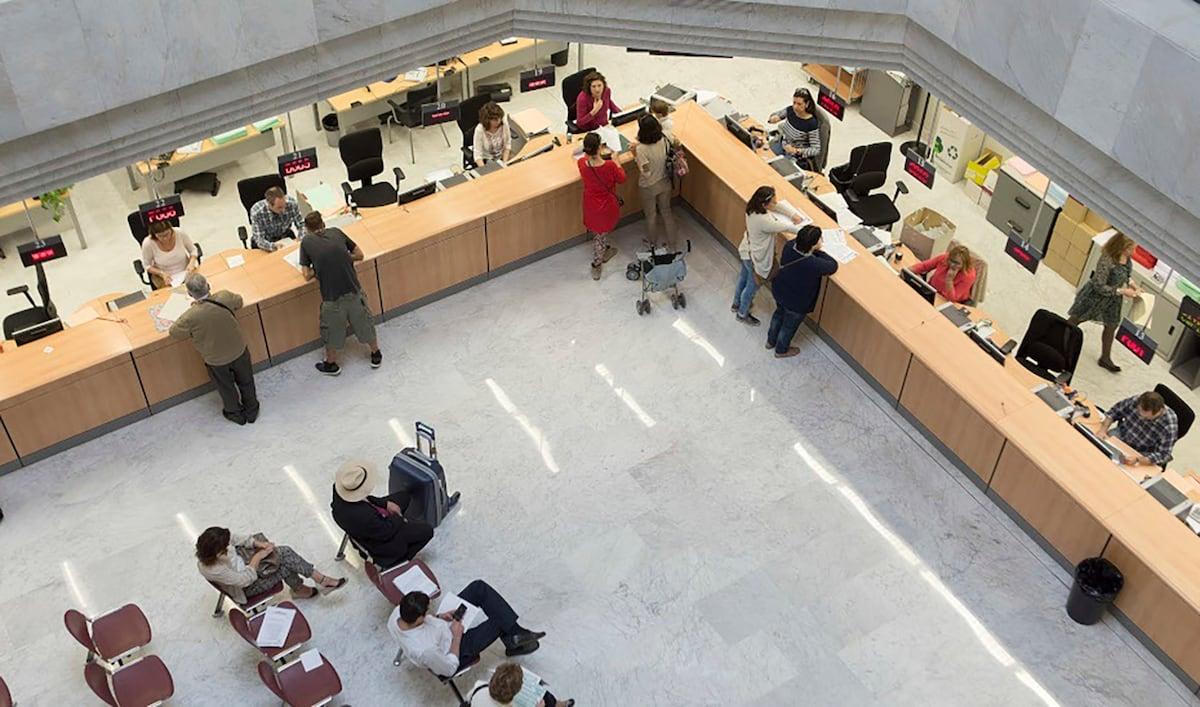
Morocco has removed 22 administrative certificates.
That may sound small.
It is not.
In a modern economy, paperwork is not only paperwork. It is time, stress, cost, uncertainty, travel, queues, stamps, copies, signatures, waiting rooms, repeated visits and lost confidence.
For citizens, paperwork can turn simple life events into administrative fatigue.
For businesses, paperwork can slow decisions.
For investors, paperwork can become a hidden risk.
For diaspora Moroccans, paperwork can turn a short visit home into a race against offices, opening hours and missing documents.
That is why Morocco’s decision matters.
The country is not only cutting documents.
It is cutting friction.
Paperwork Cut Sends A Governance Signal
The Paperwork Cut matters because administrative reform is one of the clearest ways a state can show respect for citizens.
People often judge governance through daily contact with public services. Not through speeches. Not through strategy documents. Through the counter.
Can I get the document?
Can I understand the procedure?
Do I need to come back tomorrow?
Do I need another copy?
Why is one administration asking for a certificate that another administration already knows?
Why must I prove something the state already recorded?
These questions shape trust.
When Morocco abolishes 22 certificates, the signal is simple: the administration must start carrying more of the burden, instead of pushing everything back onto citizens.
That is a governance shift.
Small Documents Create Big Friction
A single certificate may look minor.
But multiplied across millions of people, certificates become a national productivity issue.
Every unnecessary paper requires someone to request it, produce it, print it, stamp it, collect it, submit it, verify it and archive it. That is time taken from families, businesses and public servants.
The citizen loses time.
The administration loses time.
The economy loses time.
That is why simplification matters.
A country does not modernise only by building highways, ports, factories and digital platforms. It modernises when ordinary procedures become faster, clearer and less humiliating.
Administrative dignity is part of development.
Family Certificates Were Especially Sensitive
The abolished certificates include several documents linked to civil status and family situations, such as proof that a person is single, married, widowed, divorced or still in a valid marriage.
That matters because family-status paperwork often touches private life.
Citizens can feel frustrated when asked to prove repeatedly what official registers should already show. A person’s marital status, divorce record or family situation should not become an obstacle every time another procedure begins.
The reform therefore has a human side.
It reduces unnecessary exposure of private family information.
It also reduces the repetitive burden on people who may already be dealing with sensitive life situations.
A state that simplifies these procedures is not only becoming more efficient.
It is becoming more considerate.
The Diaspora Will Feel This Directly
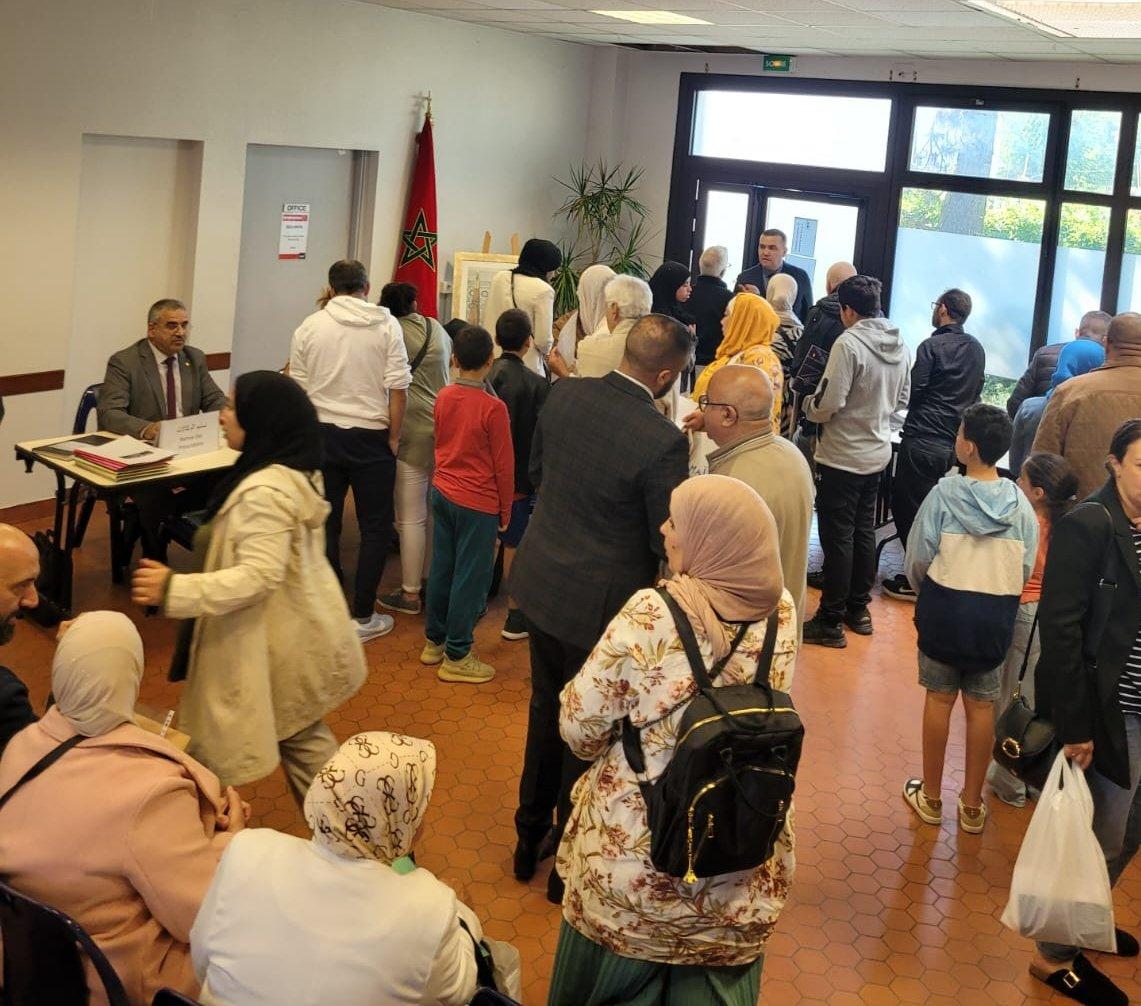
For Moroccans living abroad, administrative simplification is especially important.
Diaspora visits are often short.
A person may come to Morocco for two or three weeks and need to handle property, inheritance, family documents, banking, business, school files, marriage records, vehicle paperwork or investment steps.
One missing certificate can ruin the schedule.
One unexpected requirement can delay a project for months.
One repeated visit to an office can turn a holiday into frustration.
This is why the Paperwork Cut matters beyond Morocco’s borders.
It tells Moroccans abroad that the state understands time.
For the diaspora, time in Morocco is limited.
Every saved procedure matters.
Investors Watch Administrative Behaviour
Investors do not only look at tax rates, labour costs and market size.
They look at execution.
Can permits move?
Can documents be processed?
Can files be understood?
Can public services coordinate?
Can administrative risk be predicted?
Paperwork is therefore part of the investment climate.
A country can announce major reforms, but if entrepreneurs still spend days chasing certificates, the reality does not match the message. Removing unnecessary documents is a practical way to improve confidence.
It shows that Morocco understands a basic truth.
The economy does not move only through capital.
It moves through procedures.
When procedures slow down, capital slows down.
Law 55.19 Becomes More Visible
This reform fits into the wider framework of Law 55.19 on the simplification of administrative procedures.
The principle is important.
Administrations should not ask citizens for documents that are unnecessary, duplicated or already available within public systems. They should not request more than one copy of the same application file. They should make procedures clearer, shorter and more predictable.
This is how administrative reform becomes real.
Not in slogans.
In the list of documents citizens no longer need.
A reform law is meaningful only when people feel it at the counter.
The abolition of 22 certificates gives the reform a visible form.
The State Must Stop Asking Citizens To Carry The State
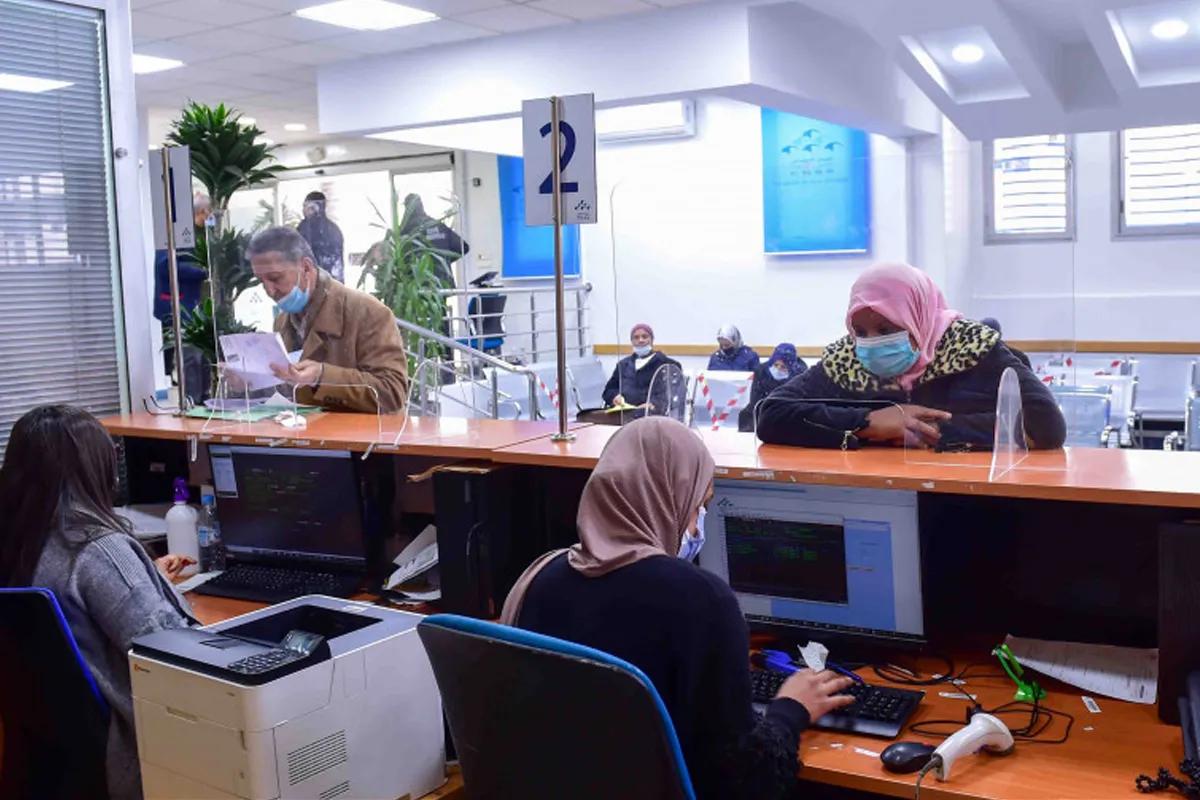
The deeper issue is philosophical.
For too long, many administrations around the world have forced citizens to carry information from one office to another. The citizen becomes the messenger between state institutions. One office asks for a certificate from another office, even though both belong to the same public system.
That is inefficient.
It is also unfair.
The state already has many records.
Civil status.
Identity.
Address.
Marriage.
Death.
Divorce.
Business registration.
Property.
Tax.
Social protection.
The modern state should connect its own information systems so citizens do not have to prove the same facts repeatedly.
The citizen should not be a courier for the administration.
Digitalisation Must Follow Simplification
There is a key point here.
Digitalising a bad procedure does not make it good.
It only makes the bad procedure online.
Before governments digitise public services, they must simplify them. Otherwise, citizens end up uploading the same unnecessary documents instead of carrying them physically.
The Paperwork Cut is therefore a good step because it addresses the procedure itself.
First remove what is unnecessary.
Then digitise what remains.
That is the correct order.
A modern Morocco does not need online bureaucracy.
It needs fewer, clearer and smarter procedures.
Trust Is Built Through Repetition
Citizens will not believe reform after one announcement.
They will believe it after repeated experience.
When they go to an office and the abolished document is no longer requested.
When the civil servant knows the new rule.
When the online platform reflects the change.
When municipalities apply the measure consistently.
When banks, schools, courts and administrations stop asking for outdated certificates.
That is when trust grows.
The reform must be implemented everywhere, not only published centrally.
A citizen should not need to argue with an office to prove that a certificate has been abolished.
The administration must know its own reform.
Implementation Is The Real Test
The challenge now is execution.
Morocco can abolish 22 certificates on paper, but citizens will judge whether offices actually stop asking for them. If local administrations continue old habits, the reform loses credibility.
This is common in administrative change.
The law changes first.
Behaviour changes later.
The gap between the two is where frustration lives.
To close that gap, Morocco needs training, internal circulars, digital updates, accountability and simple public communication. Citizens must know their rights. Civil servants must know the new rules. Supervisors must correct old practices.
Reform is not complete until the counter changes.
Public Servants Need Support Too
Administrative simplification should not be framed as an attack on public servants.
Many civil servants work inside complicated systems they did not design. They follow procedures, check documents and manage pressure from citizens who are often frustrated before they arrive.
If Morocco wants reform to succeed, public servants need better tools.
Clear lists.
Updated platforms.
Internal training.
Digital access to verified information.
Less contradictory instruction.
Better staffing.
Simplification helps citizens, but it can also help civil servants by reducing repetitive paperwork and unnecessary conflict.
A simpler system can be better for both sides of the counter.
The Business Effect Can Be Bigger Than It Looks
For companies, especially small businesses, administrative burden can be exhausting.
Large firms may have lawyers, accountants and administrative staff. Small entrepreneurs often manage everything themselves. A missing certificate can delay registration, licensing, banking, tender participation or contractual work.
This matters because Morocco’s growth depends heavily on small and medium-sized enterprises.
If paperwork becomes lighter, entrepreneurship becomes easier.
Not easy.
Easier.
That difference matters.
A young entrepreneur deciding whether to formalise a business may be discouraged by administrative complexity. If the system feels more accessible, formalisation becomes more attractive.
That supports the economy.
Informality Is Linked To Administrative Burden
People often discuss the informal economy through taxes and enforcement.
But bureaucracy also matters.
When formal procedures are slow, confusing or document-heavy, some people avoid them. They operate informally because the formal path feels too costly.
Simplification can therefore support formalisation.
If it becomes easier to register, declare, apply, modify, renew or prove status, more people may choose formal channels.
This is not automatic.
Taxes, trust and incentives still matter.
But administrative friction is one of the hidden reasons informality persists.
Reducing paperwork is not only customer service.
It is economic policy.
Morocco Sends A Regional Message
The reform also has an international angle.
Many countries in Africa and the wider region struggle with administrative complexity. Citizens and businesses often face heavy documentation requirements, unclear procedures and repetitive proof obligations.
When Morocco reduces paperwork, it sends a governance signal beyond its borders.
It says modernisation is not only about mega-projects.
It is also about the small documents that shape daily life.
For a country positioning itself as an African and Mediterranean platform, administrative credibility matters. Investors, diaspora professionals and regional partners watch whether the state can simplify itself.
A country that makes paperwork easier becomes easier to work with.
Administrative Reform Is Soft Power
Soft power is not only culture, football, tourism or cinema.
It is also the reputation of institutions.
A country becomes attractive when people believe it works.
When a Moroccan abroad tells a friend that a procedure took one visit instead of five, that is soft power.
When an investor says the file was clear, that is soft power.
When a citizen says the administration finally stopped asking for useless papers, that is soft power.
Governance creates reputation through daily experience.
The Paperwork Cut may not look glamorous.
But it can shape how people talk about Morocco.
The Risk Of Unequal Application
One danger is unequal implementation.
Reforms often reach big cities faster than smaller towns. Some offices update quickly. Others continue old practices. Some citizens know their rights. Others accept outdated demands.
That creates inequality.
A reform must not depend on whether a citizen is educated, persistent or connected. It must work for everyone.
Morocco should therefore make the list of abolished certificates widely available in Arabic, Amazigh, French and simple public formats.
People should know what can no longer be requested.
Knowledge protects citizens.
The Private Sector Must Align
Public administrations are not the only actors that ask for documents.
Banks, insurance companies, schools, employers, developers, notaries and service providers may continue requesting certificates out of habit, risk management or outdated internal checklists.
The reform should influence them too.
If a certificate is no longer necessary administratively, private actors should review whether they really need it. Otherwise, citizens may feel the state has simplified, but the broader system remains heavy.
Modernisation requires coordination.
Public rules change first.
Private procedures must follow.
The Diaspora Needs A Digital Explanation
Moroccans abroad need a clear digital explanation of what changed.
A diaspora Moroccan preparing a trip should be able to check online which documents are no longer required, which procedures can be started remotely, which offices are responsible, and what alternatives exist.
This should not be hidden in technical language.
The message should be practical.
What changed?
Who is affected?
What documents are abolished?
What should I do if an office still asks for one?
Where can I complain?
That would turn the reform into a service.
The diaspora does not need more speeches.
It needs clear steps.
Simplification Can Support Trust In Reform
Morocco has announced many modernisation strategies in recent years.
Citizens sometimes become sceptical because they do not always feel those strategies directly. Administrative simplification is different because it can touch everyday life quickly.
One less certificate.
One less queue.
One less stamp.
One less photocopy.
One less lost morning.
These are small victories, but they are real.
When people feel reform directly, they become more open to larger reforms.
Trust grows from practical proof.
The Bottom Line
The Paperwork Cut is a small headline with a big governance meaning.
Morocco has abolished 22 administrative certificates, including several linked to civil status and family situations, as part of a wider simplification effort under Law 55.19. The measure reduces unnecessary paperwork and supports the principle that public administrations should not demand duplicated or avoidable documents from citizens.
That matters for households.
It matters for businesses.
It matters for investors.
It matters for the diaspora.
Administrative reform is not only about efficiency.
It is about dignity, trust and time.
Morocco’s next challenge is implementation.
If offices apply the change properly, citizens will feel the reform.
If old habits continue, the announcement will lose force.
The direction is right.
Now the counter must change.