
Europe’s security debate is no longer limited to armies, borders and defence budgets.
It increasingly concerns the systems that keep economies functioning.
Electricity networks.
Ports.
Shipping routes.
Digital cables.
Energy supplies.
Food corridors.
Industrial supply chains.
The disruptions of recent years have demonstrated how quickly dependence on a limited number of routes can become a strategic weakness.
A blocked maritime passage can delay global trade.
A power-grid failure can interrupt activity across several countries.
Political instability can affect access to energy, minerals and transport infrastructure.
Europe is consequently searching for greater resilience through diversification.
Morocco is emerging as an increasingly important part of that search.
Its Atlantic coastline, proximity to Europe, major ports, industrial platforms and expanding African partnerships place the country at the intersection of several strategic routes.
The opportunity is larger than becoming another supplier.
Morocco can become a platform connecting European resilience with African growth.
The Portugal Link Changes The Map
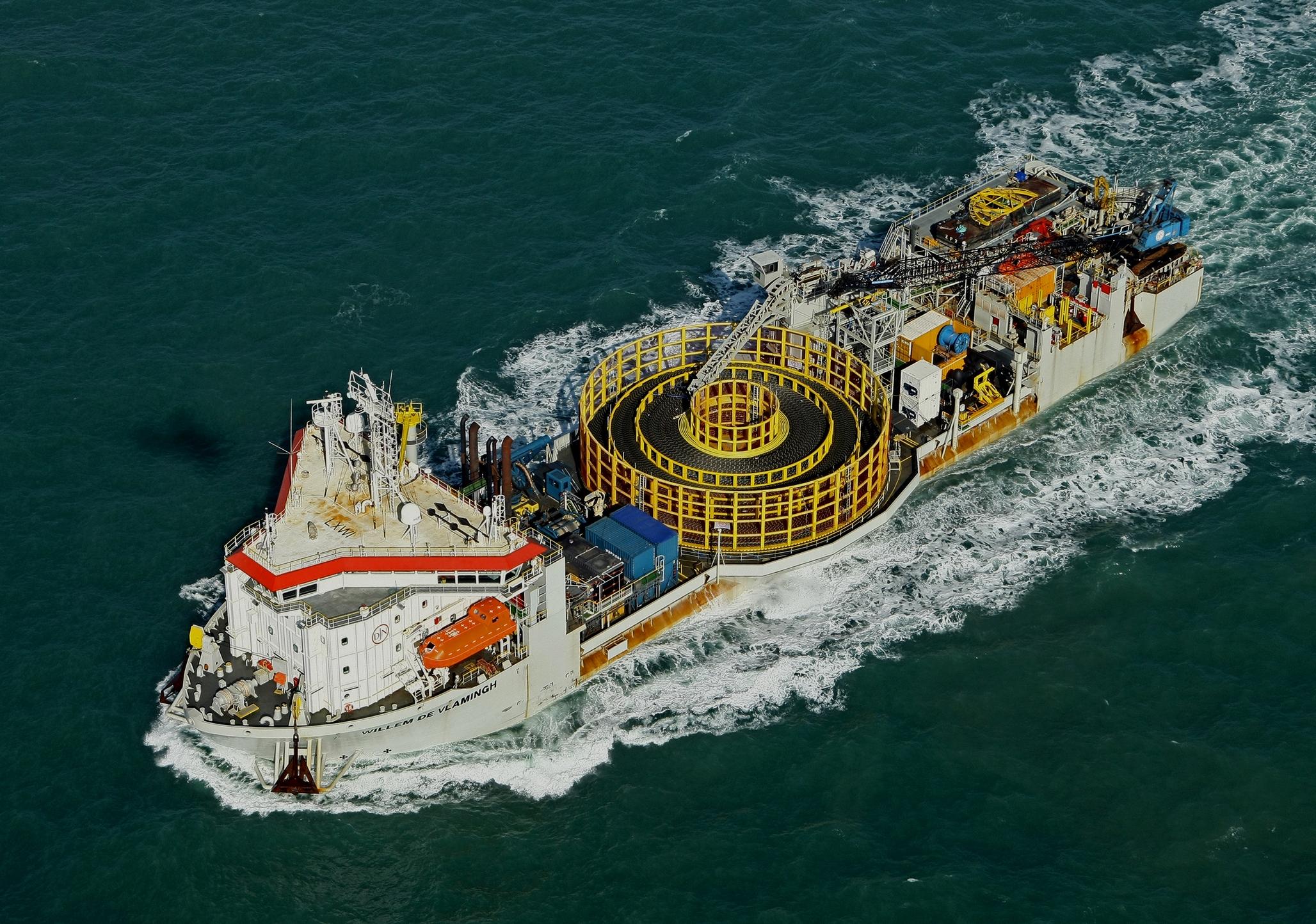
Morocco and Portugal are reviving plans for an electricity interconnection between their two countries.
The project has gained new strategic importance because Portugal currently depends heavily on its connection through Spain to exchange electricity with the wider European system.
A direct or indirectly routed link with Morocco would create another source of cross-border capacity.
That would not eliminate Portugal’s dependence on European networks.
It would diversify it.
This distinction matters.
Energy security is not achieved by replacing one dependency with another.
It is achieved by creating enough connections, suppliers and technologies to prevent one disruption from paralysing the system.
The proposed Morocco–Portugal interconnection could eventually allow electricity to move in both directions according to demand, production and network conditions.
For Portugal, that means an additional route during periods of pressure.
For Morocco, it means deeper integration into the European electricity market.
For both sides, it creates a shared infrastructure interest extending beyond conventional trade.
A cable beneath the Atlantic would not merely transport power.
It would connect two energy-security strategies.
Morocco Is Already Connected To Europe
The proposed Portuguese link would not be Morocco’s first electricity connection with Europe.
Morocco and Spain have operated cross-border electricity infrastructure for years.
This existing connection demonstrates that energy exchange between North Africa and Europe is technically possible.
But one connection does not create a complete regional system.
A resilient network requires multiple routes.
A Morocco–Portugal link could provide a second Atlantic-facing connection and reduce the concentration of electricity exchange through a single geographic corridor.
That could become increasingly important as both sides expand renewable-energy production.
Solar and wind generation fluctuate according to weather conditions.
When production is strong in one country and weaker in another, interconnection allows electricity to move towards the area where it is needed.
This reduces waste and improves system flexibility.
The strategic value of the project therefore goes beyond emergency supply.
It can support the daily management of a more renewable electricity system.
The Atlantic Is Becoming An Energy Corridor
Morocco’s Atlantic position has often been discussed mainly through shipping and fisheries.
Energy is giving it another dimension.
The country has developed large renewable-energy ambitions, including solar, wind, green hydrogen and industrial decarbonisation projects.
Europe is searching for cleaner energy sources while attempting to reduce strategic dependence on politically vulnerable suppliers.
These two agendas can create a new Atlantic energy corridor.
Electricity may become one part of that corridor.
Green hydrogen, ammonia and low-carbon industrial products could become others.
Ports may handle new energy commodities.
Industrial zones may attract manufacturers seeking access to renewable power and European markets.
Digital infrastructure may follow the same route.
The result could be an Atlantic system combining energy, logistics, industry and data.
But the value will depend on integration.
A collection of isolated projects will not automatically become a corridor.
Transmission networks, ports, regulations, industrial demand and financing structures must be designed to work together.
Morocco’s advantage lies not only in geography.
It lies in its ability to organise geography into infrastructure.
Tanger Med Has Already Changed Trade Geography
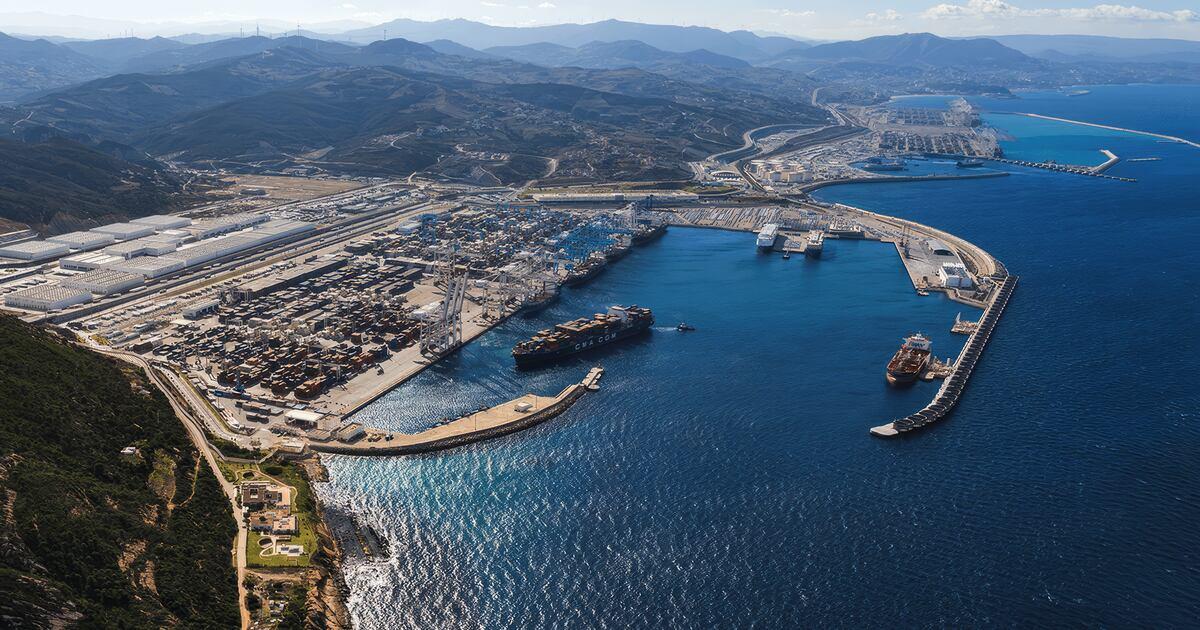
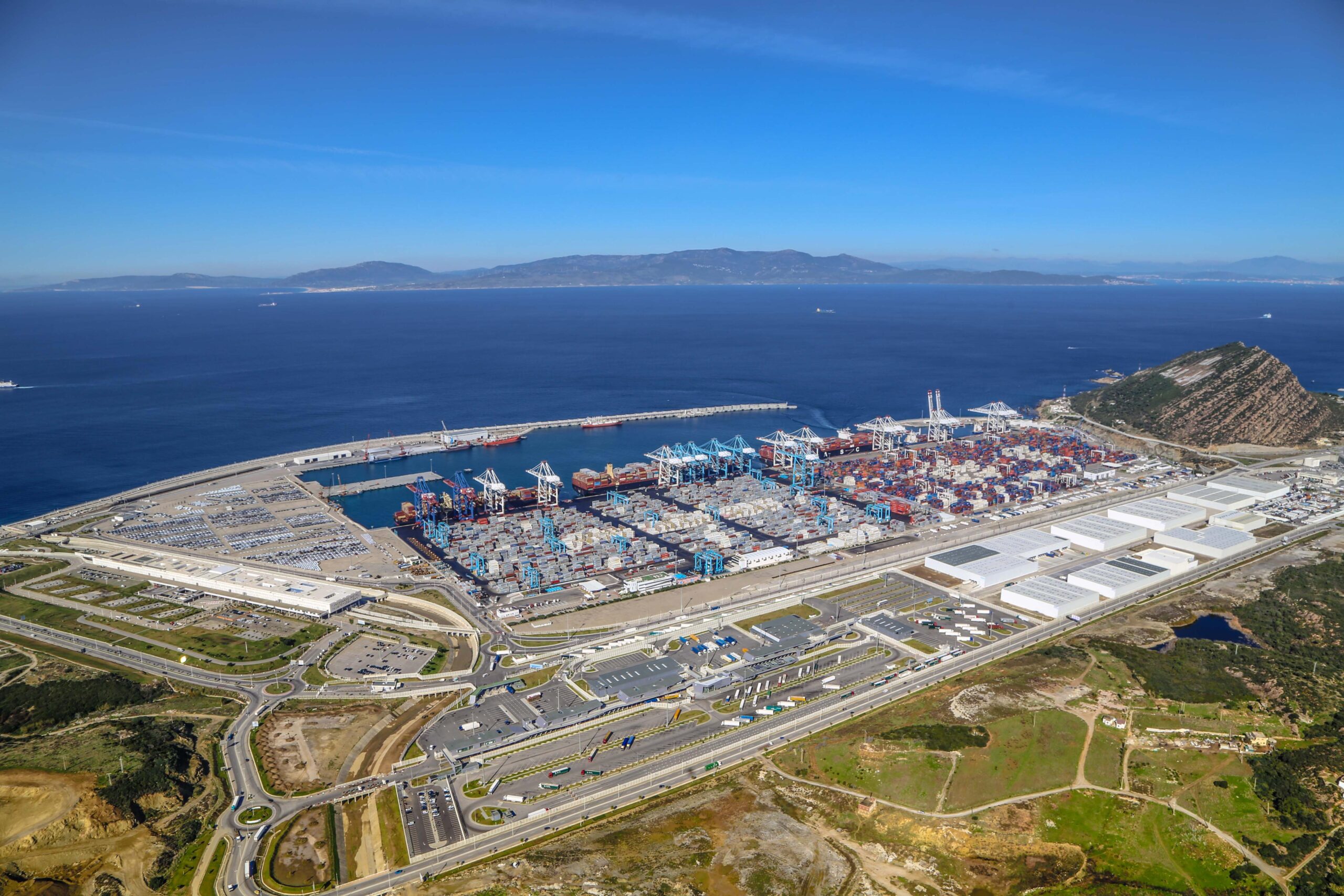
Tanger Med provides the clearest example of how infrastructure can transform Morocco’s strategic position.
The port has developed into one of the Mediterranean’s most important logistics and industrial platforms.
Its value does not come only from the number of containers handled.
It comes from the network surrounding the port.
Automotive factories.
Logistics providers.
Supplier zones.
Road and rail connections.
Customs systems.
Maritime services.
International shipping links.
This ecosystem allows Morocco to participate in supply chains rather than functioning only as a transit point.
That distinction is essential.
Transit creates movement.
Industrial integration creates jobs, exports and long-term economic relationships.
As Europe seeks alternative sourcing locations closer to its consumer markets, Morocco can offer both proximity and industrial capacity.
Companies can manufacture in Morocco, connect through major ports and reach European destinations within relatively short shipping times.
This is not complete independence from global supply chains.
It is a way of making those chains shorter, more diversified and easier to manage.
Atlantic Ports Can Extend The Model South
Morocco’s strategic role cannot depend on Tangier alone.
The Atlantic coast offers opportunities to build a wider network connecting northern industrial centres with southern regions and West Africa.
Ports such as Casablanca, Jorf Lasfar and Agadir already support important economic activity.
The development of Dakhla Atlantique introduces another long-term possibility.
A major southern Atlantic port could strengthen Morocco’s connection with West African trade routes and create a platform for logistics, fisheries, energy and industrial activity.
Its importance will depend on the infrastructure built around it.
A port without sufficient road, energy, digital and industrial connections risks becoming underused.
A port integrated into a broader corridor can reshape regional trade.
The southern Atlantic strategy therefore requires more than maritime construction.
It requires a complete economic system linking production centres, land transport, customs procedures, energy networks and foreign markets.
Morocco’s challenge is to ensure that new port capacity generates activity rather than simply adding infrastructure.
The Sahel Needs Reliable Access To The Sea
Landlocked Sahel countries face one of the most serious geographic constraints in international trade.
Goods must cross neighbouring territories before reaching a port.
Every additional border can increase cost, delay and uncertainty.
Political tensions or infrastructure failures can disrupt the entire route.
Morocco’s Atlantic Initiative seeks to provide Sahel countries with improved access to Atlantic ports through infrastructure, logistics and economic cooperation.
The concept is strategically significant.
It offers landlocked states another commercial option.
It can connect Sahel markets with Moroccan ports and industrial platforms.
It may also create new corridors for food, fuel, manufactured goods and export commodities.
For Morocco, the initiative could extend its logistics role deeper into Africa.
For participating countries, it could diversify access to global markets.
But political declarations will not be enough.
The initiative will require roads, rail connections, border systems, financing, insurance and security cooperation.
Transport costs must be commercially competitive.
Customs procedures must be predictable.
Cargo must be protected across long distances.
The corridor will succeed only when businesses can use it reliably.
Security And Development Cannot Be Separated
The Sahel is often discussed almost exclusively through terrorism, military intervention and political instability.
These risks are real.
But security cannot be sustained without economic access.
Regions with limited infrastructure, weak employment and expensive trade remain vulnerable to instability.
A functioning Atlantic corridor could support legitimate commercial activity and improve access to essential goods.
It could create demand for transport, warehousing, maintenance, financial services and regional production.
This does not mean that a road or port can solve a security crisis.
It means that economic integration can become part of a wider stabilisation strategy.
Trade corridors create relationships between governments, businesses and communities.
They also create incentives to protect infrastructure and maintain predictable cooperation.
Morocco’s Atlantic approach is therefore not simply about moving cargo.
It reflects a broader argument that connectivity can support stability.
The credibility of that argument will depend on whether local economies benefit.
A corridor that passes through communities without creating opportunity may generate limited political support.
Europe Needs More Than A Southern Supplier
Europe has often viewed North Africa mainly as a source of energy, labour or migration pressure.
That perspective is becoming too narrow.
The relationship is moving towards infrastructure interdependence.
Europe needs diversified energy routes.
It needs reliable industrial partners.
It needs access to African markets and resources.
It needs stable maritime and digital corridors.
Morocco can contribute to all four.
But the partnership must avoid becoming extractive.
A model in which European buyers secure energy or commodities while most industrial value remains outside Morocco would create limited long-term benefit.
Morocco’s stronger position lies in processing, manufacturing and service integration.
Renewable electricity should support Moroccan industry as well as exports.
Critical materials should be processed locally where economically viable.
Ports should connect domestic companies to international supply chains.
Training should allow Moroccan workers to move into higher-value technical roles.
Strategic partnership becomes durable when both sides gain productive capacity.
The Digital Atlantic Matters Too
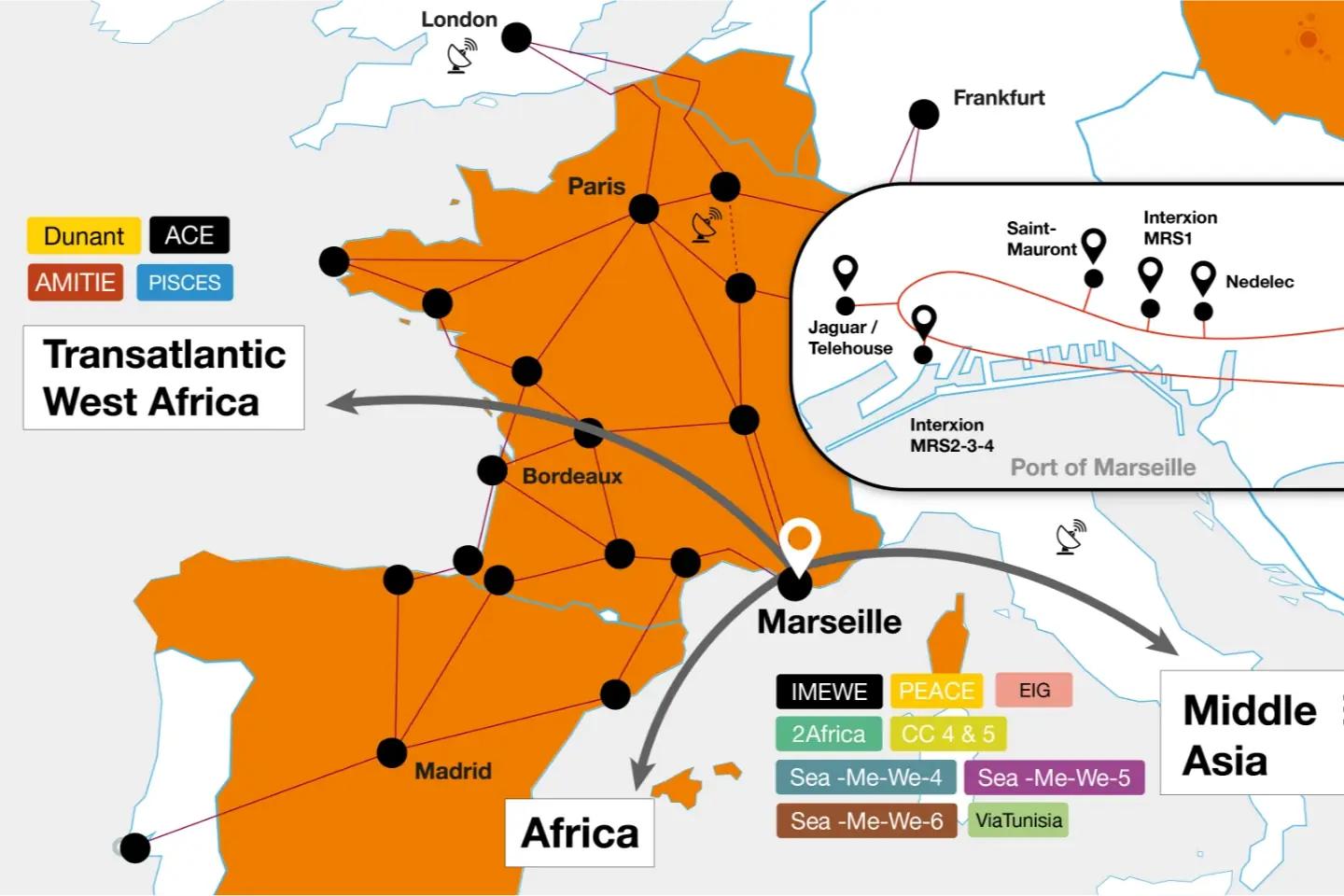
Physical trade and energy are only part of the emerging Atlantic system.
Digital connectivity is becoming equally important.
Submarine cables carry the overwhelming majority of international internet traffic.
Their routes influence data speed, resilience and digital investment.
Countries connected through several cable systems are better protected against technical failures and damage affecting a single route.
Morocco’s position between Europe, West Africa and the Atlantic gives it potential value as a digital transit and hosting location.
Additional submarine cables can strengthen international connectivity.
Data centres can support cloud services, finance and digital platforms.
Renewable energy can improve the attractiveness of energy-intensive digital infrastructure.
But digital corridors create their own security requirements.
Cable routes must be protected.
Data-centre reliability must be guaranteed.
Cybersecurity standards must be strong.
Regulations must give investors and users confidence.
Digital infrastructure can become a strategic asset only when technical connectivity is matched by institutional trust.
Resilience Requires Redundancy
Modern infrastructure policy has traditionally prioritised efficiency.
Businesses and governments sought the cheapest route, the smallest inventory and the most concentrated production model.
Recent disruptions exposed the weakness of this approach.
A system can be highly efficient under normal conditions and extremely fragile during a crisis.
Resilience requires redundancy.
More than one supplier.
More than one port.
More than one cable.
More than one electricity connection.
More than one transport route.
Redundancy can appear expensive because some capacity may remain underused during normal periods.
But the value becomes visible when another part of the system fails.
The proposed Morocco–Portugal power link reflects this changing logic.
Its commercial return cannot be measured only by the electricity transferred on an average day.
Its value also includes the disruption it may help prevent.
This is the economics of strategic infrastructure.
Financing Will Determine What Becomes Real
The scale of Atlantic infrastructure requires large amounts of patient capital.
Electricity interconnections, ports, railways, highways and digital cables involve high upfront costs and long development periods.
Public budgets alone cannot finance every project.
Private investors will participate only when risks are clearly allocated.
They need predictable regulation.
Transparent tariffs.
Reliable project timelines.
Creditworthy counterparties.
Clear rules for cross-border disputes.
European financing institutions may support projects that strengthen regional connectivity and energy security.
African institutions can contribute to corridors supporting continental trade.
Commercial banks, infrastructure funds and pension capital may participate when revenue models are credible.
The central question is who carries which risk.
Governments may need to absorb political and early-development risk.
Operators can manage construction and performance risk.
Users can support infrastructure through transparent tariffs.
International lenders can provide long-term financing and guarantees.
Projects become financeable when these responsibilities are defined before construction begins.
Morocco Must Protect Domestic Value
Strategic positioning can attract investment, but it can also create pressure.
Large infrastructure projects may consume land, water, public guarantees and administrative capacity.
Energy exports can compete with domestic industrial demand.
Port expansion can generate environmental and urban challenges.
Public investment can become concentrated around international corridors while local services remain under pressure.
Morocco therefore needs a clear domestic-value test.
How many skilled jobs will the project create?
Which Moroccan suppliers can participate?
Will local industry gain access to infrastructure?
What environmental costs must be managed?
What financial obligations will the state assume?
Will the project strengthen regional development?
The objective should not be to approve every corridor project merely because it appears strategic.
It should be to select projects that convert strategic relevance into national value.
Geography creates opportunity.
Governance determines who benefits from it.
An Alternative Route Must Also Be Reliable
Europe will not depend on Morocco merely because the country is nearby.
Infrastructure users choose routes based on reliability, cost and predictability.
Ports must operate efficiently.
Energy rules must remain stable.
Customs procedures must be fast.
Contracts must be enforceable.
Transport connections must work beyond flagship projects.
The same standard applies to links with the Sahel.
A corridor advertised as an alternative must perform better than the risk it is designed to replace.
This creates a demanding benchmark.
Morocco’s reputation will increasingly depend on operational performance rather than strategic announcements.
The country has already demonstrated an ability to build major infrastructure.
The next step is to connect those assets into a system that users can trust continuously.
The Atlantic Opportunity Is Larger Than One Cable
The proposed electricity connection between Morocco and Portugal is important.
But its greatest significance may be what it represents.
Europe is looking beyond its traditional routes.
Africa needs stronger access to global markets.
Morocco is positioned between those two needs.
Its ports can serve trade.
Its energy system can support interconnection.
Its industries can shorten supply chains.
Its Atlantic initiatives can connect landlocked economies to the sea.
Its digital infrastructure can link continents.
Together, these elements could transform Morocco from a geographic bridge into a strategic operating platform.
That transformation is not guaranteed.
It requires financing, regulatory credibility, regional cooperation and disciplined execution.
But the direction is becoming clearer.
Europe’s next layer of resilience may not be built only within Europe.
Part of it may run through Morocco and along the Atlantic.