
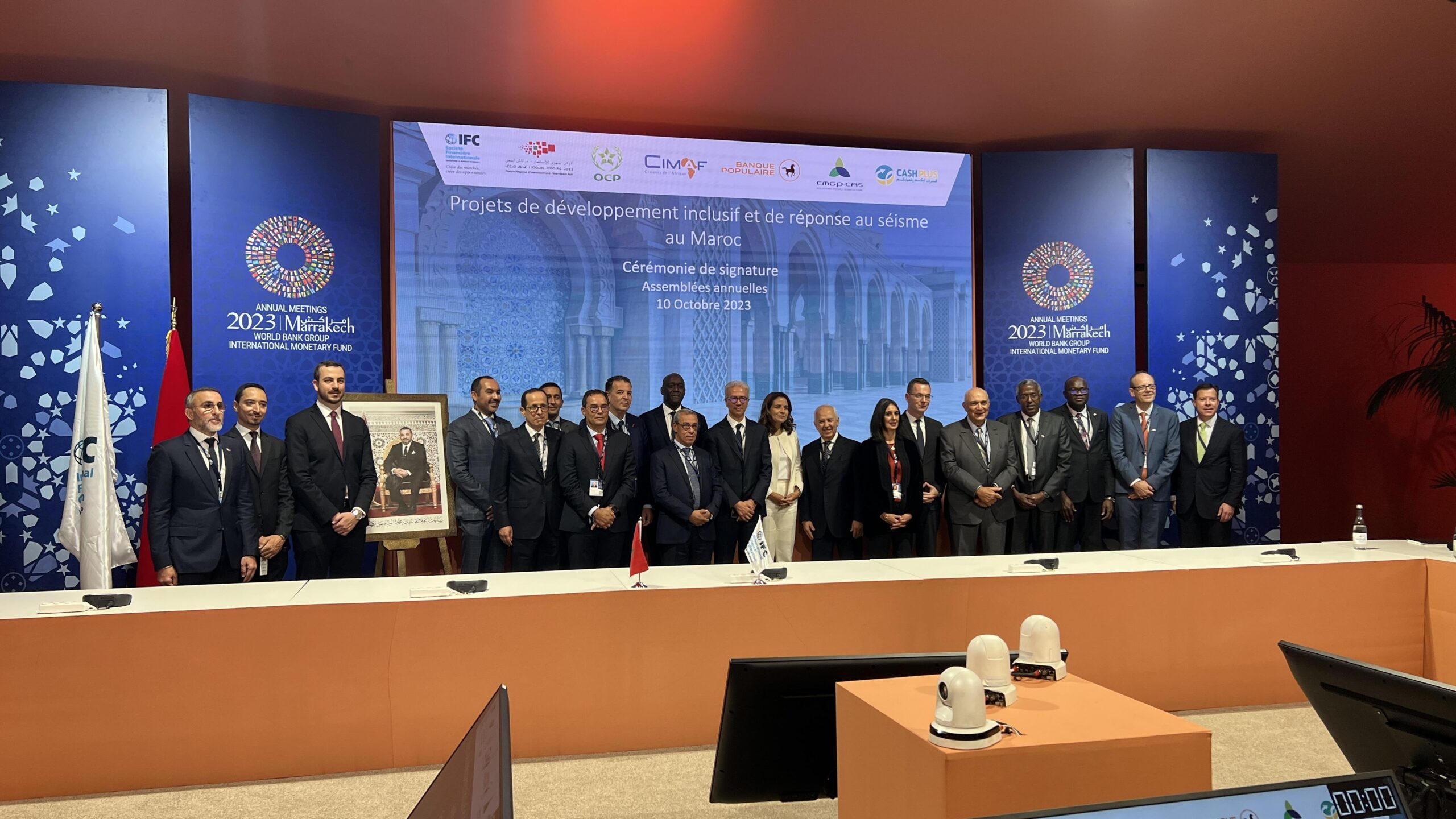
Morocco and the World Bank Group have launched a new ten-year partnership framework focused on employment, private-sector growth, resilience and broader economic inclusion.
The duration is important.
Most development programmes are structured around projects, loans or reform cycles lasting only several years.
A ten-year framework reflects something larger.
It signals that Morocco’s international partners increasingly view the country not as a collection of individual financing needs, but as a long-term economic platform with stable institutions, defined national priorities and the capacity to manage complex transformation.
This is a strong expression of confidence.
It also raises the standard against which the partnership should be judged.
The value of international cooperation does not ultimately lie in the number of agreements signed or the amount of financing announced.
It lies in whether external capital, expertise and institutional support produce stronger Moroccan companies, more productive employment and greater national capability.
Morocco’s next development phase will therefore depend on converting long-term international confidence into measurable domestic value.
Ten Years Creates Strategic Visibility
Economic transformation requires time.
Industrial ecosystems cannot be built within one budget cycle.
Educational reform does not produce results immediately.
Water infrastructure, digitalisation and regional development all require long implementation periods.
A ten-year partnership allows Morocco and its international partners to work across a more realistic horizon.
It creates room to connect short-term projects with long-term national objectives.
Financing can support infrastructure today while institutional reforms prepare the economy for future investment.
Skills programmes can respond to sectors that will expand over several years rather than only to current vacancies.
Private-sector support can follow companies through different stages of growth.
This continuity is valuable because fragmented projects often lose impact when each programme is designed independently.
A longer framework can create a more coherent sequence.
The first investment builds capacity.
The second expands it.
The third helps convert it into employment and productivity.
The strategic advantage is not simply having more time.
It is using that time around a consistent national direction.
International Confidence Has Become An Economic Asset
Investors do not evaluate countries only through growth forecasts.
They also examine institutional continuity, financial stability, infrastructure quality and the predictability of public policy.
Morocco has strengthened its position across these areas.
The country has developed major industrial platforms.
Its financial system has remained relatively stable.
Infrastructure connects factories, ports, cities and export markets.
Public investment has created visible capacity in transport, energy, logistics and social services.
International institutions increasingly recognise these foundations.
That recognition matters commercially.
When development banks, insurers and institutional investors view a country as credible, financing can become easier to mobilise.
Projects can attract longer maturities.
Private investors may become more willing to participate alongside public institutions.
Perceived risk can decline.
International confidence therefore has a direct economic value.
But reputation must continually be supported by execution.
Trust grows when projects are completed, rules remain understandable and commitments are followed by measurable results.
Morocco’s task is to turn its improving international position into better financing conditions for the wider economy.
Jobs Must Remain The Central Measure
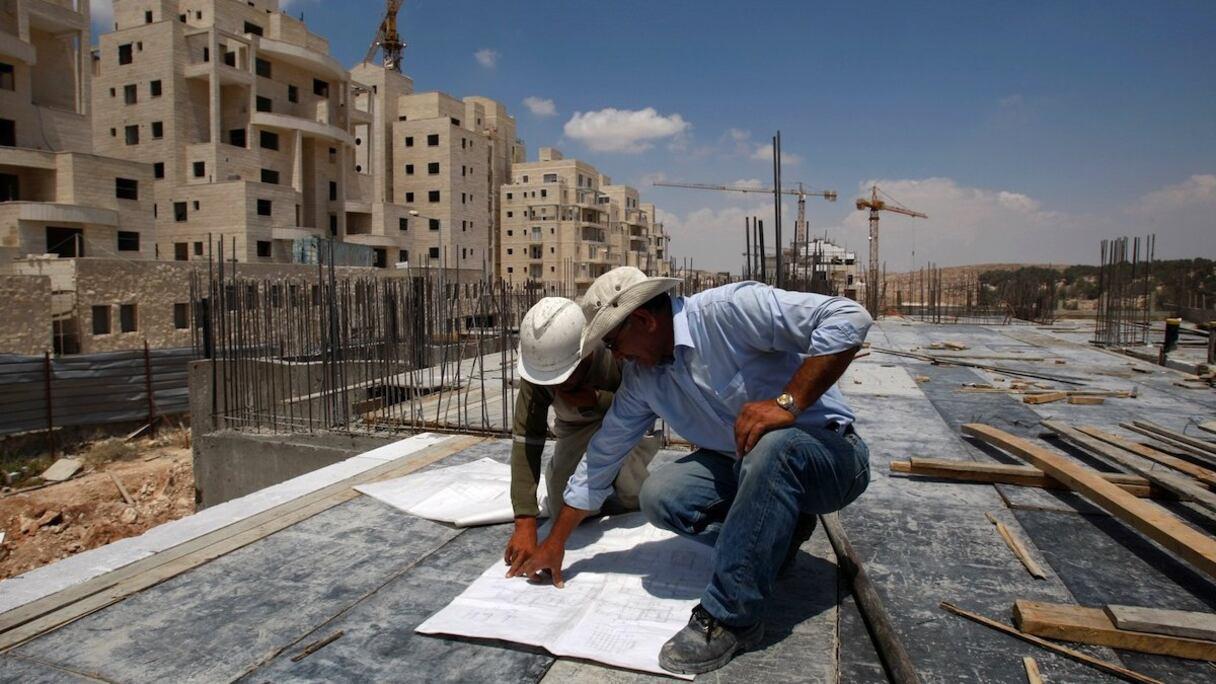
Economic growth becomes socially meaningful when it creates productive employment.
Morocco has attracted investment and expanded infrastructure, but employment remains one of the country’s most important development tests.
A ten-year partnership focused on job creation therefore addresses the correct priority.
The challenge is not only generating a larger number of positions.
Morocco needs jobs capable of supporting stable careers, skills development and rising productivity.
Temporary construction work can provide valuable income.
Permanent industrial, technical and service employment creates a different long-term effect.
The quality of employment should therefore be measured alongside quantity.
Are workers receiving recognised skills?
Can they progress into more senior roles?
Do salaries reflect improving productivity?
Are women and young people entering sectors with genuine career potential?
Are jobs distributed beyond the largest metropolitan areas?
These questions determine whether growth becomes broadly shared.
International financing can support the conditions for employment.
Moroccan companies and institutions must convert those conditions into real careers.
The Private Sector Must Carry More Growth
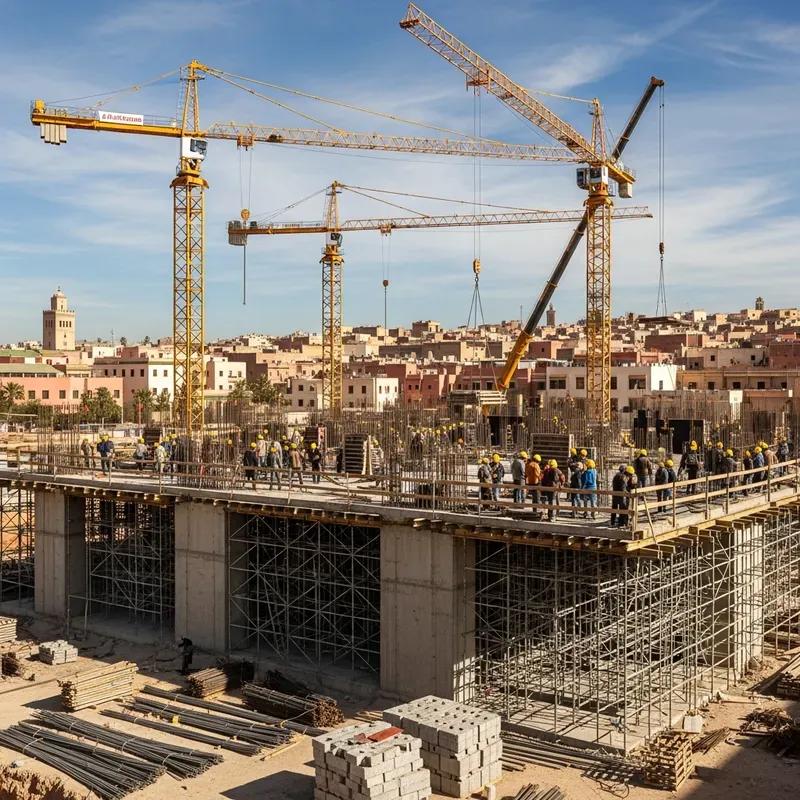
Public investment has played a central role in Morocco’s development.
Roads, ports, airports, rail networks, water systems and industrial zones have created the foundations for economic expansion.
But the state cannot remain the principal source of growth indefinitely.
Private companies must increasingly use those foundations to invest, hire, export and innovate.
This is where the new partnership framework may create its strongest value.
Development institutions can help reduce financing constraints.
They can support guarantees, risk-sharing mechanisms and access to long-term capital.
They can assist companies seeking to improve governance, environmental standards or export readiness.
They can also help financial institutions serve businesses that currently struggle to obtain funding.
The objective should not be to replace commercial markets with development finance.
It should be to help those markets reach productive companies more effectively.
Public infrastructure creates opportunity.
Private enterprise converts that opportunity into recurring economic activity.
Moroccan SMEs Need Direct Access To The Opportunity
Large companies are generally better positioned to participate in major investment programmes.
They have established banking relationships.
They can prepare detailed financial documents.
They understand procurement and compliance requirements.
Small and medium-sized enterprises often face greater difficulty.
They may have strong products or services but limited collateral.
They may lack the internal capacity required to access international programmes.
Payment delays can place pressure on working capital.
Certification requirements can appear disproportionately expensive.
A ten-year development partnership should therefore create practical routes for SMEs.
That may include credit guarantees, supplier-development programmes, export support and simplified access to technical assistance.
Larger projects should also create openings for Moroccan suppliers.
A logistics platform should generate contracts for transport, maintenance and technology companies.
An industrial investment should help local manufacturers enter the supply chain.
A tourism programme should create opportunity for regional food producers, guides and service businesses.
The success of international cooperation should be visible not only among major institutions.
It should reach companies capable of creating employment at the local level.
Financing Must Become More Patient
Many Moroccan businesses rely on conventional bank debt.
That system works effectively for established companies with predictable cash flows and sufficient security.
It is less suited to every form of growth.
Innovation, technology, industrial expansion and new export markets may require several years before they produce stable returns.
Short repayment schedules can create pressure before an investment has matured.
Longer-term and risk-sharing instruments can help close this gap.
Development institutions can support patient capital without weakening financial discipline.
They can share part of the risk around new sectors.
They can provide guarantees that encourage commercial banks to finance viable companies.
They can support equity and quasi-equity mechanisms for businesses that should not rely entirely on debt.
The objective is not cheaper money without conditions.
It is financing structured around the economic life of the investment.
A factory, technology platform or skills programme should not be financed according to the same model as short-term working capital.
Better alignment between financing and project timelines can improve both investment and repayment performance.
Regional Inclusion Must Become Operational
Morocco’s economic strength remains concentrated around several major corridors.
Casablanca, Rabat, Tangier and other established centres benefit from deeper infrastructure, larger labour markets and stronger corporate networks.
The ten-year framework offers an opportunity to support a broader territorial distribution of growth.
Regional development cannot depend only on locating a project outside the largest cities.
The surrounding economic system must also function.
Workers need training.
Businesses need finance.
Industrial sites need reliable utilities.
Transport must connect producers with markets.
Local institutions need the capacity to resolve operational obstacles.
A project creates stronger regional value when local companies can participate and local workers can access the jobs.
Otherwise, physical investment may remain economically disconnected from the territory around it.
International programmes should therefore be measured partly by their regional multiplier.
How much activity remains in the province?
How many local suppliers enter the project?
What skills remain after implementation?
Does the region become more attractive for the next investor?
Regional inclusion becomes durable when one project improves the conditions for another.
Human Capital Determines The Return
Infrastructure can be financed and built.
Human capability develops more gradually.
Morocco’s growth sectors increasingly require specialised skills.
Automotive manufacturing needs technicians and engineers.
Aerospace requires precision, certification and quality control.
Tourism requires languages, management and digital service.
Healthcare needs trained professionals and technical operators.
Renewable energy requires installation, maintenance and grid expertise.
Training must therefore be connected closely with investment.
Educational institutions need clear information about where employment demand is emerging.
Companies should participate in curriculum design and practical training.
Students need exposure to real workplaces before graduation.
Existing workers require opportunities to update their skills as technology changes.
International partners can bring technical knowledge and comparative experience.
But the system must remain rooted in Morocco’s labour-market reality.
The objective is not to produce qualifications without demand.
It is to build capabilities that employers can use and workers can convert into careers.
Resilience Is Now An Economic Requirement
The new partnership also places emphasis on resilience.
This reflects a wider change in development thinking.
Economic systems must now prepare for climate pressure, supply-chain disruption, health emergencies and global financial volatility.
Morocco is particularly exposed to water scarcity and agricultural uncertainty.
Its cities must manage heat, urban growth and infrastructure demand.
Its industrial economy depends on reliable energy, logistics and access to external markets.
Resilience therefore cannot be treated as a separate environmental programme.
It must be integrated into economic planning.
New infrastructure should be designed for future climate conditions.
Businesses need continuity plans.
Agriculture requires greater water productivity.
Energy systems need diversification.
Social protection should respond effectively when households face sudden economic pressure.
Resilience protects development gains.
Without it, one external shock can reverse years of progress.
International Expertise Must Build Moroccan Capability
Development partnerships often bring consultants, technical specialists and international firms.
Their expertise can be valuable.
They may offer knowledge developed through similar projects in other countries.
But international assistance creates its greatest value when capability remains after the programme ends.
Moroccan institutions should be able to operate systems independently.
Local professionals should gain experience in project design, implementation and evaluation.
Domestic companies should move into higher-value roles.
Technical knowledge should become embedded rather than temporarily imported.
This requires deliberate planning.
Contracts can include training and knowledge-transfer objectives.
Moroccan experts should participate in leadership positions, not only support functions.
Local universities and research institutions can be connected to major programmes.
The success of technical assistance should be measured by how much external support is still required later.
A strong partnership does not create permanent dependence.
It progressively increases national autonomy.
Data Must Follow The Entire Ten Years
A long-term framework needs transparent performance measurement.
Ten years is long enough for priorities, governments and economic conditions to change.
Without clear indicators, activity can continue while the original objectives become difficult to assess.
The framework should therefore follow a limited number of meaningful outcomes.
Jobs created and maintained.
Private investment mobilised.
Companies gaining access to finance.
Regional distribution of projects.
Women and young people entering employment.
Infrastructure completed and operational.
Productivity improvements.
Skills acquired.
Resilience strengthened.
These indicators should distinguish announcements from implementation.
Financing approved is not the same as financing deployed.
Training delivered is not the same as employment secured.
A project completed is not automatically a project producing its intended economic return.
Measurement should remain practical rather than bureaucratic.
Its purpose is to identify what works, what requires correction and where public resources create the strongest value.
Moroccan Ownership Must Remain Clear
International partnerships are strongest when they reinforce national priorities rather than replace them.
Morocco has its own development vision, institutional structures and strategic objectives.
External financing should support that direction.
Projects must respond to needs identified within the country.
Implementation should remain coordinated with Moroccan institutions.
Local economic and social realities must shape programme design.
This is not only a matter of sovereignty.
It improves performance.
Policies designed without sufficient local understanding often encounter difficulty during implementation.
Moroccan ownership increases the likelihood that programmes continue after external financing ends.
It also creates clearer accountability.
International partners can provide capital, knowledge and risk-sharing.
Morocco must remain responsible for defining the outcomes it wants to achieve.
The Partnership Must Mobilise Private Capital
Public development finance is limited.
The scale of Morocco’s infrastructure, climate and employment ambitions requires much larger investment.
The ten-year framework can help mobilise private capital by reducing risks that commercial investors may not carry alone.
A development institution can support the early stages of a project.
It can provide guarantees.
It can finance common infrastructure that improves commercial viability.
It can establish technical and environmental standards that increase investor confidence.
Once the project becomes clearer and more predictable, private capital can participate more comfortably.
This multiplier effect is central.
One dirham of institutional financing should ideally help attract several additional dirhams from private sources.
The strongest projects will not depend permanently on concessional support.
They will use public and development finance to create commercially sustainable activity.
Cooperation Must Become Visible To Citizens
International frameworks often operate through technical language.
Financing facilities.
Institutional reform.
Risk instruments.
Sector strategies.
These concepts matter, but citizens judge development through everyday outcomes.
Can a young graduate find work?
Can a small company obtain financing?
Does a regional hospital function better?
Is transport more reliable?
Can a farmer manage water risk?
Does a family receive more effective social protection?
The partnership will gain public credibility when its results become visible through these experiences.
Communication should therefore focus on outcomes rather than ceremonies.
Announcements create temporary attention.
Improved services and employment create lasting trust.
This is particularly important during a ten-year programme.
People need to understand not only what has been signed, but what has changed because of it.
The Ten-Year Test Begins With Execution
The new Morocco–World Bank Group framework reflects substantial confidence in the Kingdom’s direction and institutional capacity.
It provides a long horizon for cooperation around employment, private-sector development, resilience and inclusion.
That is a valuable foundation.
But duration alone does not guarantee impact.
Ten years can produce deep transformation.
It can also produce a long sequence of disconnected projects unless implementation remains disciplined.
The measure of success will be found in Moroccan companies that grow, workers who build careers, regions that attract investment and institutions that become more capable.
International financing should not become the final objective.
It should become the instrument through which Morocco mobilises more domestic and private-sector value.
The strongest partnerships do not simply fund development.
They help a country increase its own capacity to finance, manage and sustain development independently.
Morocco has secured a ten-year framework.
The next step is to make every year of it count.