
Morocco’s retail sector is moving towards a much larger corporate structure.
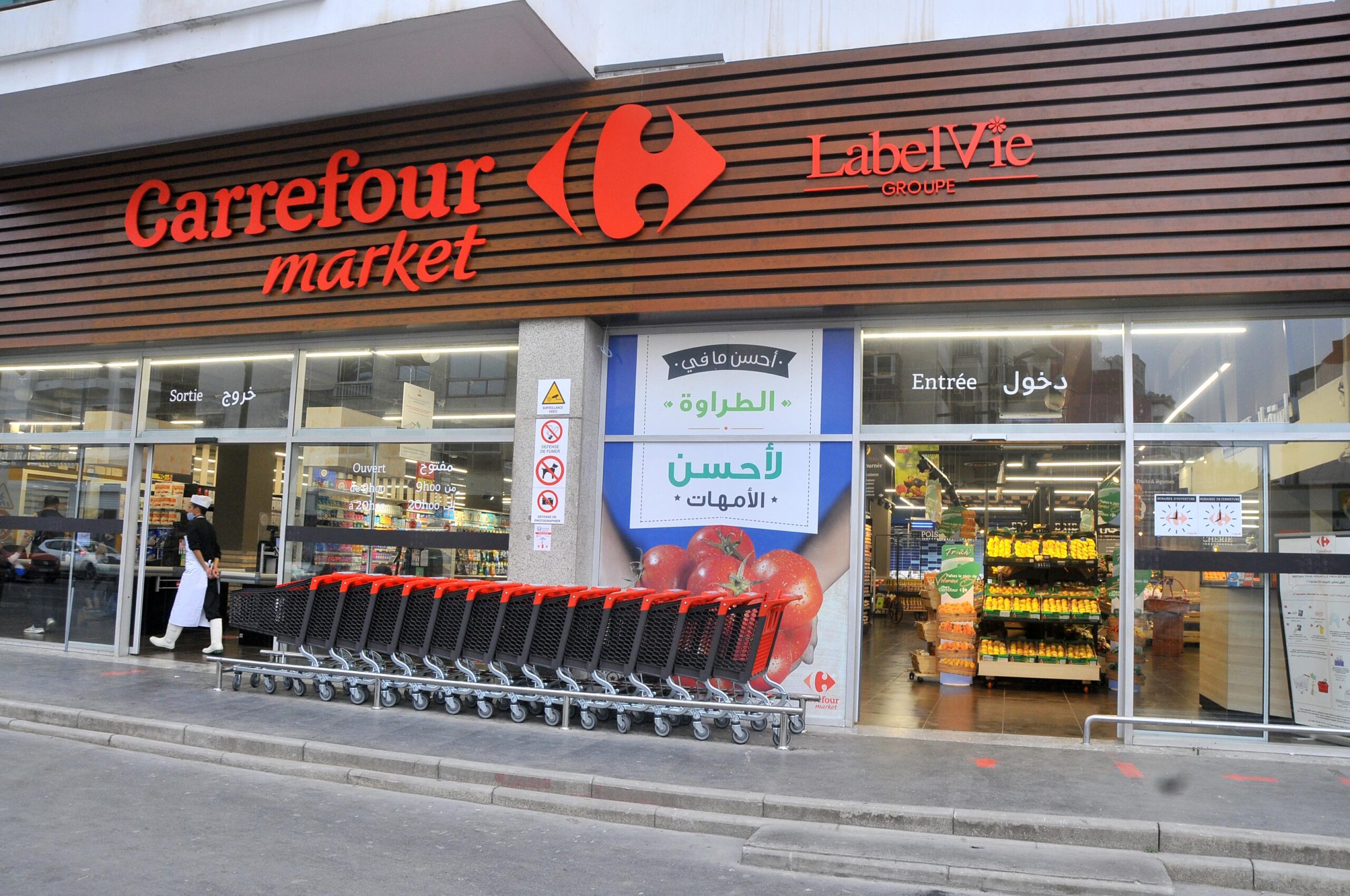
Retail Holding is preparing to absorb Label’Vie into a broader listed group, effectively ending Label’Vie’s existence as a standalone company and replacing it with a larger platform spanning food retail, real estate, distribution and international expansion.
The new structure is expected to target approximately 47 billion dirhams in revenue by 2030, compared with around 21.7 billion dirhams in 2025, while mobilising close to 10 billion dirhams in investment over the period.
That changes the scale of the conversation.
Label’Vie has long been associated primarily with supermarkets and hypermarkets.
Retail Holding is building something wider.
A consumer platform.
A property platform.
A distribution platform.
Potentially, a regional African retail platform.
The key question is whether greater size will create greater efficiency — or simply greater complexity.
Retail Is Becoming A Platform Business
Modern retail groups no longer compete only through stores.
They compete through ecosystems.
Supermarkets bring traffic.
Retail parks provide real estate.
Distribution systems control supply.
Digital platforms connect customers.
Private labels improve margins.
Logistics networks reduce stock-outs.
Financial services can deepen loyalty.
The larger the platform becomes, the more these activities can reinforce one another.
Retail Holding’s transformation therefore makes strategic sense.
The group can potentially connect purchasing, property, logistics, digital retail and supplier relationships through one organisation.
That creates scale.
But it also requires coordination.
A group containing several different businesses cannot be managed as if every division has the same economics.
47 Billion Dirhams Requires A Different Organisation
Moving from roughly 21.7 billion dirhams in annual revenue to around 47 billion by 2030 would represent extraordinary growth.
That cannot come from opening a few additional stores.
The group will need more locations.
More customers.
More formats.
More logistics capacity.
More suppliers.
More employees.
Potentially more African markets.
The organisation must therefore develop before the revenue does.
Management systems that work at 20 billion dirhams may become inefficient at twice that scale.
Technology must connect stores, warehouses and purchasing.
Financial controls need to remain visible across subsidiaries.
Regional managers need enough authority to respond locally without weakening group standards.
Growth becomes dangerous when commercial expansion moves faster than internal capability.
Carrefour Remains A Powerful Anchor
Label’Vie built much of its scale through its relationship with Carrefour.
That partnership gives the Moroccan group access to one of the world’s most recognised retail brands, purchasing expertise and multiple store concepts.
Hypermarkets.
Supermarkets.
Convenience formats.
These different models allow the group to address different customer missions.
A family completing a weekly shop has different needs from someone buying dinner on the way home.
The challenge is preventing each format from competing unnecessarily with the others.
The network should cover more shopping occasions, not simply place more stores into the same customer base.
Retail Holding can use Carrefour as a powerful commercial anchor while building additional businesses around it.
Real Estate Is Becoming More Strategic
Retail groups often begin as tenants.
As they grow, property becomes part of the business model.
Owning or controlling retail real estate can provide several advantages.
Better location security.
Rental income from third-party tenants.
Greater control over expansion.
Long-term asset appreciation.
The ability to create mixed-use destinations.
Retail Holding’s broader structure can combine store operations with real-estate development more directly.
That creates a useful cycle.
A supermarket anchors a retail destination.
Other tenants generate rent.
Restaurants and entertainment increase visits.
More visits support the supermarket.
The property and operating businesses reinforce each other.
But capital allocation becomes crucial.
A dirham invested in land cannot simultaneously finance new stores or logistics.
Management needs to know which assets truly deserve ownership.
Convenience Retail Will Matter More
Moroccan cities are becoming denser.
Traffic is increasing.
Consumers increasingly value time.
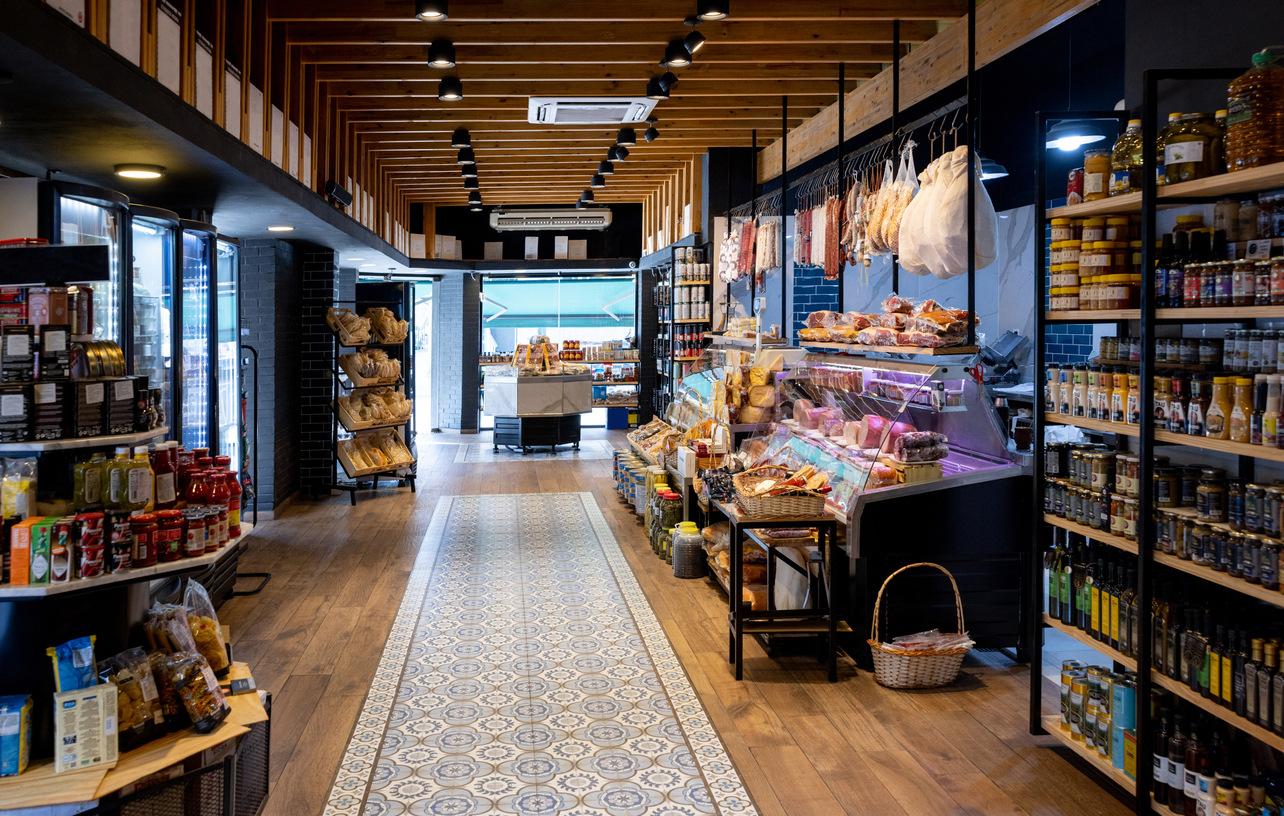
That makes smaller neighbourhood formats strategically important.
Customers may still visit hypermarkets for major purchases.
They also want nearby stores for daily needs.
Retail Holding can use its scale to expand across several formats without depending entirely on large suburban locations.
Convenience stores require a very different operating model.
Smaller inventories.
Higher replenishment frequency.
More precise location selection.
Faster checkout.
Strong fresh-food management.
The group’s purchasing power can help.
Its success will depend on local execution.
A convenience store succeeds street by street, not through national scale alone.
Logistics Will Become The Invisible Advantage
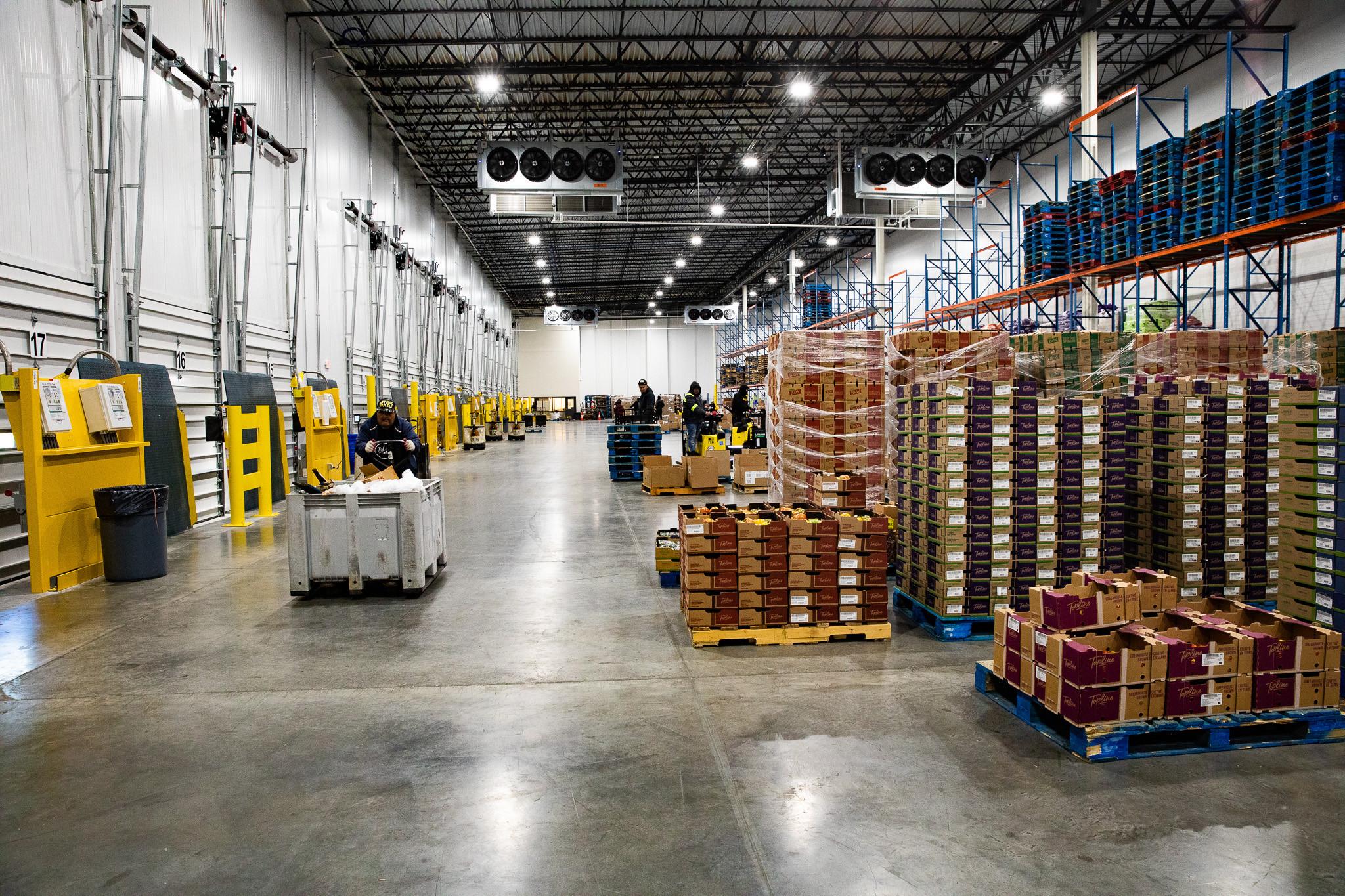
A retail network of increasing size requires enormous logistics discipline.
Thousands of products must move from suppliers into warehouses and stores continuously.
Fresh food has limited life.
Promotional products create temporary demand spikes.
Imported items face longer lead times.
A missing product means lost revenue immediately.
Customers rarely think about the distribution centre behind the supermarket.
They notice when the shelf is empty.
Retail Holding’s future competitiveness will therefore depend heavily on forecasting, warehousing and transport.
The group needs to know what will sell before customers arrive.
Data can help reduce both shortages and excess stock.
The larger the network becomes, the more valuable every small improvement in inventory efficiency becomes.
Suppliers Could Gain From Scale
A larger Retail Holding can create enormous demand for Moroccan producers.
Food.
Cleaning products.
Packaging.
Personal care.
Home products.
Fresh produce.
Prepared meals.
The opportunity extends beyond existing national brands.
Smaller manufacturers may gain access to a national distribution platform if they meet quality and volume standards.
Private-label production could become especially important.
Retail Holding can commission Moroccan manufacturers to produce products sold under retailer-owned brands.
This can provide suppliers with predictable volume while giving the retailer greater control over pricing and margins.
But scale creates negotiating power.
The relationship must remain sustainable.
Suppliers cannot invest confidently when payment terms or commercial conditions become excessively difficult.
Strong retail ecosystems depend on strong suppliers.
Private Labels Could Become A Bigger Profit Engine
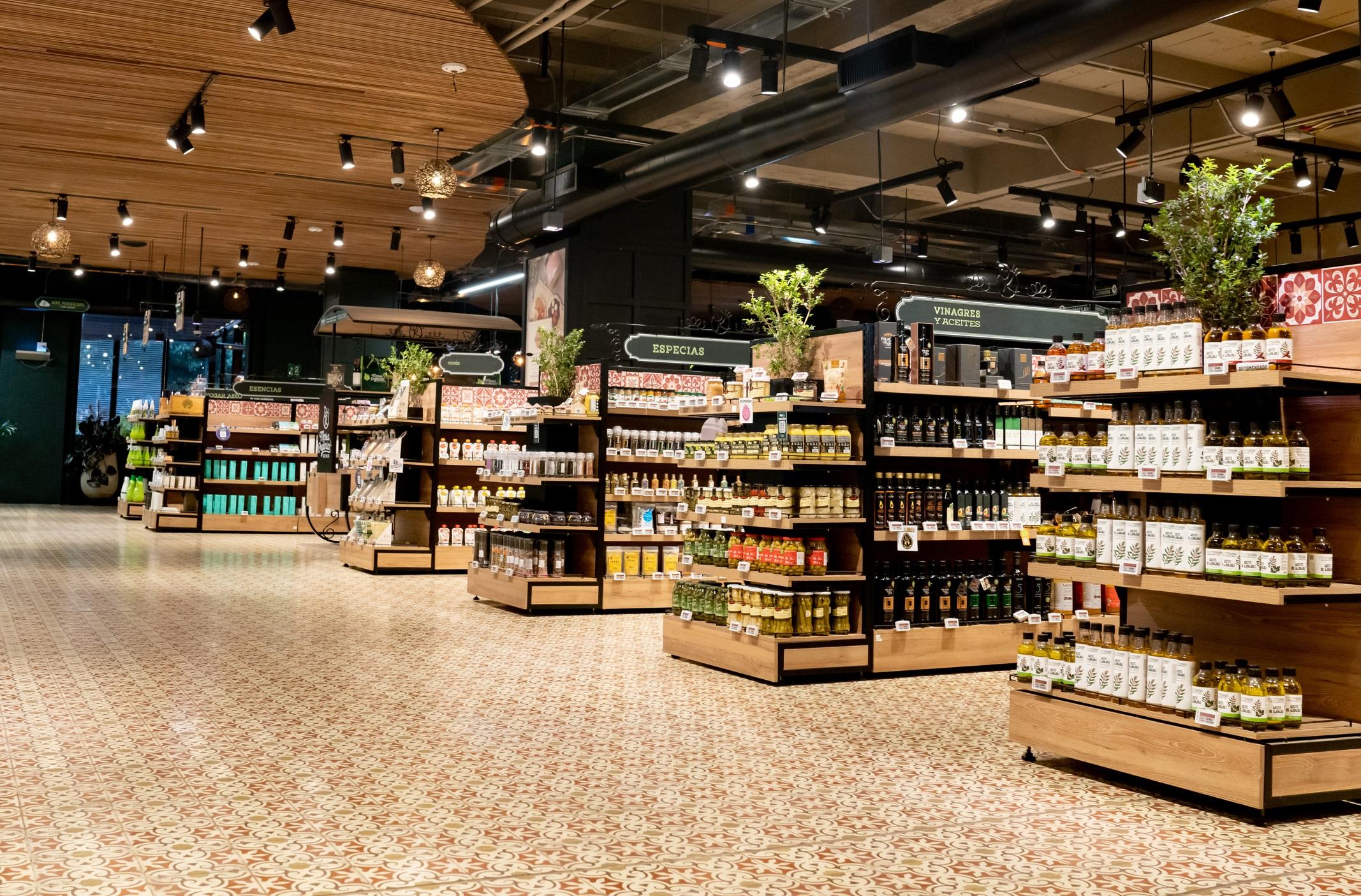
Retailers worldwide increasingly rely on private labels.
They provide an alternative to established brands and can offer stronger margins.
Morocco has significant room for growth here.
Food staples.
Household products.
Personal care.
Prepared food.
Premium ranges.
Organic or health-oriented categories.
Retail Holding’s scale could support several levels of private label.
Entry-price products.
Mainstream ranges.
Premium offerings.
The advantage is differentiation.
A customer can purchase a global consumer brand from several retailers.
A successful private label is available only inside the group’s own network.
That gives the retailer another reason for customers to return.
Quality will determine whether that advantage develops.
Digital Grocery Must Become More Efficient
Online grocery is difficult.
Customers expect fast delivery.
Orders contain many low-value products.
Fresh items require careful selection.
Substitutions create frustration.
Delivery costs can consume margin quickly.
Yet digital convenience is increasingly part of customer expectations.
Retail Holding can use its physical network as an advantage.
Stores and logistics centres can become fulfilment points.
Customers can choose home delivery or collection.
Digital platforms can show real inventory.
The challenge is economics.
Online grocery should not become a permanently subsidised channel simply because competitors offer it.
The group needs enough order density and operational efficiency to make each delivery sustainable.
Loyalty Data Can Become A Strategic Asset
A large retail group sees consumer behaviour at extraordinary scale.
What people buy.
When.
Where.
Which promotions work.
Which products are bought together.
This information can improve inventory, pricing and marketing.
Loyalty programmes make the data even more valuable by connecting purchases over time.
Retail Holding can use this information to personalise offers and improve assortment.
But customer trust matters.
Data should be used to make the shopping experience more relevant, not intrusive.
Retailers know intimate details about households simply through purchase patterns.
That creates responsibility.
The stronger the data capability becomes, the stronger privacy governance must become.
Africa Could Become The Next Growth Layer
Retail Holding’s ambitions extend beyond Morocco.
African expansion offers a potentially much larger market.
Urban populations are growing.
Formal retail is developing.
Middle-income consumer segments are expanding.
Moroccan companies also possess established financial and commercial networks across the continent.
But retail is deeply local.
Taste differs.
Income differs.
Supply chains differ.
Regulation differs.
Store formats successful in Casablanca may not work identically in Abidjan or Dakar.
The group should therefore export capability rather than blindly export the Moroccan model.
Purchasing systems.
Logistics expertise.
Private-label development.
Real-estate knowledge.
Digital technology.
These can travel.
The customer proposition still needs local adaptation.
Expansion Must Not Weaken Service
Rapid store growth creates a familiar risk.
The company opens locations faster than it can develop managers.
Customer service becomes inconsistent.
Fresh departments perform differently.
Stock availability varies.
Cleanliness declines in weaker locations.
A large retailer cannot allow individual stores to operate as separate quality levels.
Customers see one brand.
Retail Holding therefore needs a deep management pipeline.
Store managers.
Regional managers.
Logistics specialists.
Buyers.
Merchandising professionals.
Digital teams.
Expansion should be supported by training before each new wave of openings.
Retail scale is built through people as much as property.
Price Remains The Daily Reputation
Consumers may admire a new store.
They return because the economics make sense.
Food inflation and household budgets make price especially sensitive.
Retail Holding’s size gives it stronger purchasing power.
Part of that advantage should translate into competitive pricing.
Customers know the price of common items.
Milk.
Oil.
Sugar.
Coffee.
Cleaning products.
When these become consistently more expensive than competitors, trust falls quickly.
The company can earn higher margins in categories where service, convenience or differentiation justify them.
Essential products require a sharper price position.
Retail reputation is rebuilt every week at the checkout.
The Merger Must Create Real Synergies
Corporate mergers often promise synergies.
Central purchasing.
Shared technology.
Lower overhead.
Integrated logistics.
Better capital allocation.
The value appears only when those synergies are actually delivered.
Combining organisations can also create duplicated systems, internal politics and slower decisions.
Retail Holding must therefore avoid becoming a larger corporate structure that is harder to operate.
The merger should make the customer experience simpler and the company more efficient.
If suppliers interact with one system instead of several, that is progress.
If data becomes unified, that is progress.
If capital can be deployed more intelligently across formats, that is progress.
If decisions require additional bureaucracy, the merger has created size without advantage.
10 Billion Dirhams Must Be Allocated Carefully
Close to 10 billion dirhams of planned investment represents substantial firepower.
But capital is finite.
New stores.
Warehouses.
Technology.
Property.
Renovation.
African expansion.
Digital services.
Each competes for investment.
Retail Holding needs a disciplined return framework.
A prestigious property project may attract attention but produce lower returns than a network of smaller stores.
A warehouse may be invisible to customers but improve economics across hundreds of locations.
Technology may initially produce no visible revenue but reduce inventory losses for years.
The strongest capital allocation will not always create the most impressive announcement.
It will strengthen the economics of the complete network.
Label’Vie’s Disappearance Marks A New Phase
Label’Vie becoming part of a larger Retail Holding structure is symbolically important.
The company helped professionalise modern food retail in Morocco.
Its disappearance as a standalone listed identity does not mean the business disappears.
The opposite is happening.
The retail operation is becoming part of something larger.
A group targeting around 47 billion dirhams of revenue by 2030.
A multi-format retail network.
A real-estate platform.
A distribution system.
A potential African expansion vehicle.
The strategic opportunity is significant.
But scale will not protect the group from competition.
Customers remain demanding.
Traditional neighbourhood retail remains resilient.
New convenience formats are arriving.
Digital commerce continues evolving.
International and Moroccan brands continue competing for shelf space.
Retail Holding’s advantage will depend on whether it can turn its greater size into something customers actually notice:
Better availability.
Better prices.
Better locations.
Better convenience.
Better products.
Label’Vie may be disappearing as a corporate name.
What replaces it has the potential to become one of Morocco’s largest consumer platforms.
Now the 47 billion dirham ambition has to become an operating reality.
 Jamal Mahdad, Founder & Editor-in-Chief