
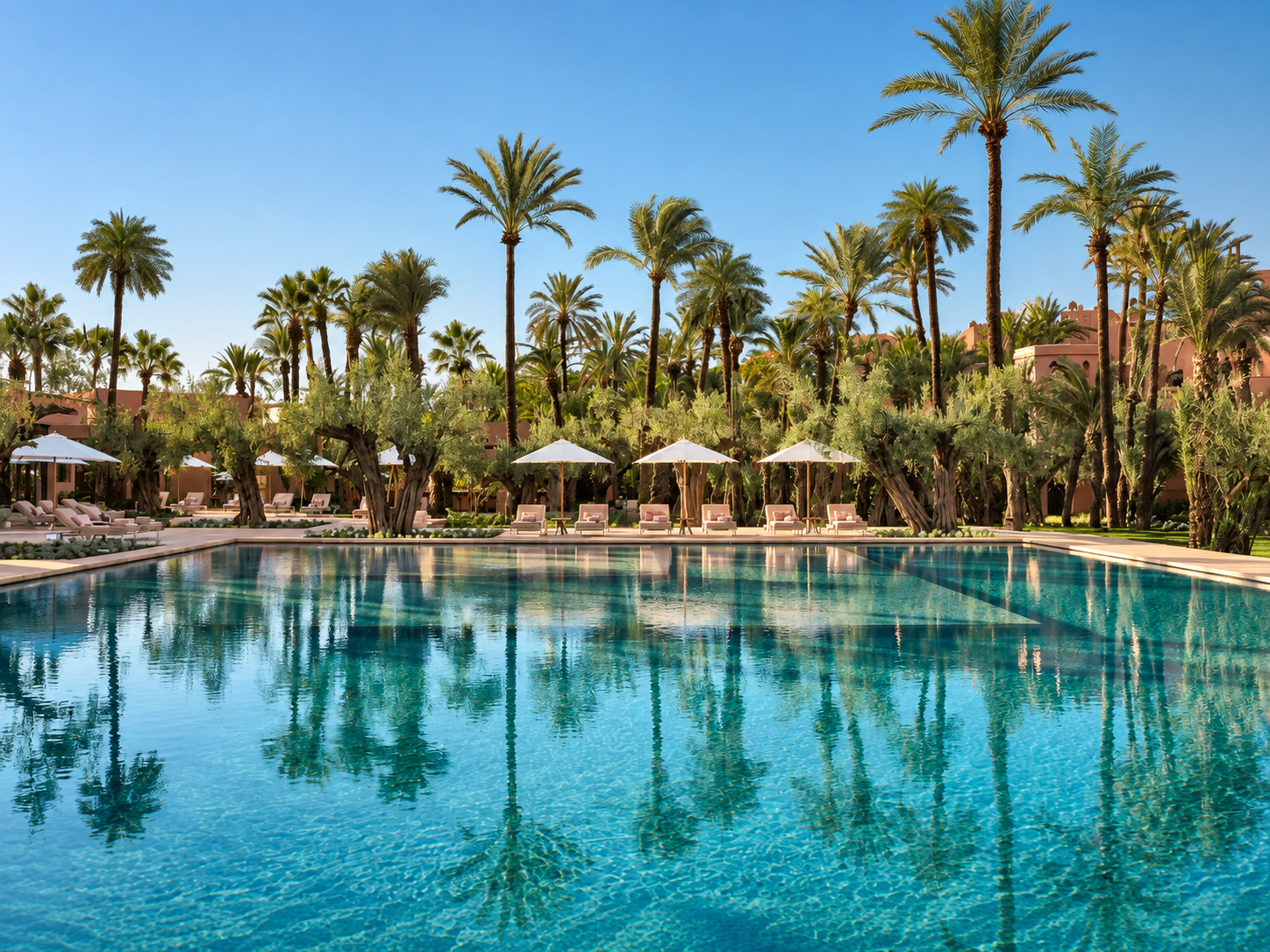
The Moroccan palace hotel has also been named The Best Hotel in Africa, giving Marrakech another major place on the global luxury-travel stage.
Morocco has secured a prominent place in global hospitality after Royal Mansour Marrakech was ranked No.26 in The World’s 50 Best Hotels 2026.
The hotel also received the title of The Best Hotel in Africa during the awards announced in Paris on 15 September.
Royal Mansour was the highest-ranked African property in the main list. Mount Nelson in Cape Town placed No.34, while Marrakech’s La Mamounia appeared at No.75 in the extended ranking covering positions 51 to 100.
The results give Morocco two hotels in the global top 100 — both in Marrakech — and underline the city’s strength as a destination for high-value international travel.
More than 800 experts cast their votes
The World’s 50 Best Hotels is organised by 50 Best, part of international business media group William Reed.
Its 2026 ranking was determined by an academy of more than 800 voters across 13 geographical regions. The panel includes hoteliers, travel journalists, hospitality educators, business travellers and experienced luxury travellers.
At least a quarter of the voting panel is renewed each year, while Deloitte independently adjudicates the results.
Unlike a traditional hotel-inspection guide, the ranking is not based on a published checklist or points awarded for individual facilities. Academy members vote for their strongest hotel experiences during the eligible period.
That gives the list considerable influence in the international hospitality industry. Its voters include people who operate hotels, study the sector and travel extensively across the world’s leading destinations.
Royal Mansour received an additional distinction during the ceremony: The Best Hotel in Africa 2026, sponsored by Monte Vibiano.
No ordinary hotel room
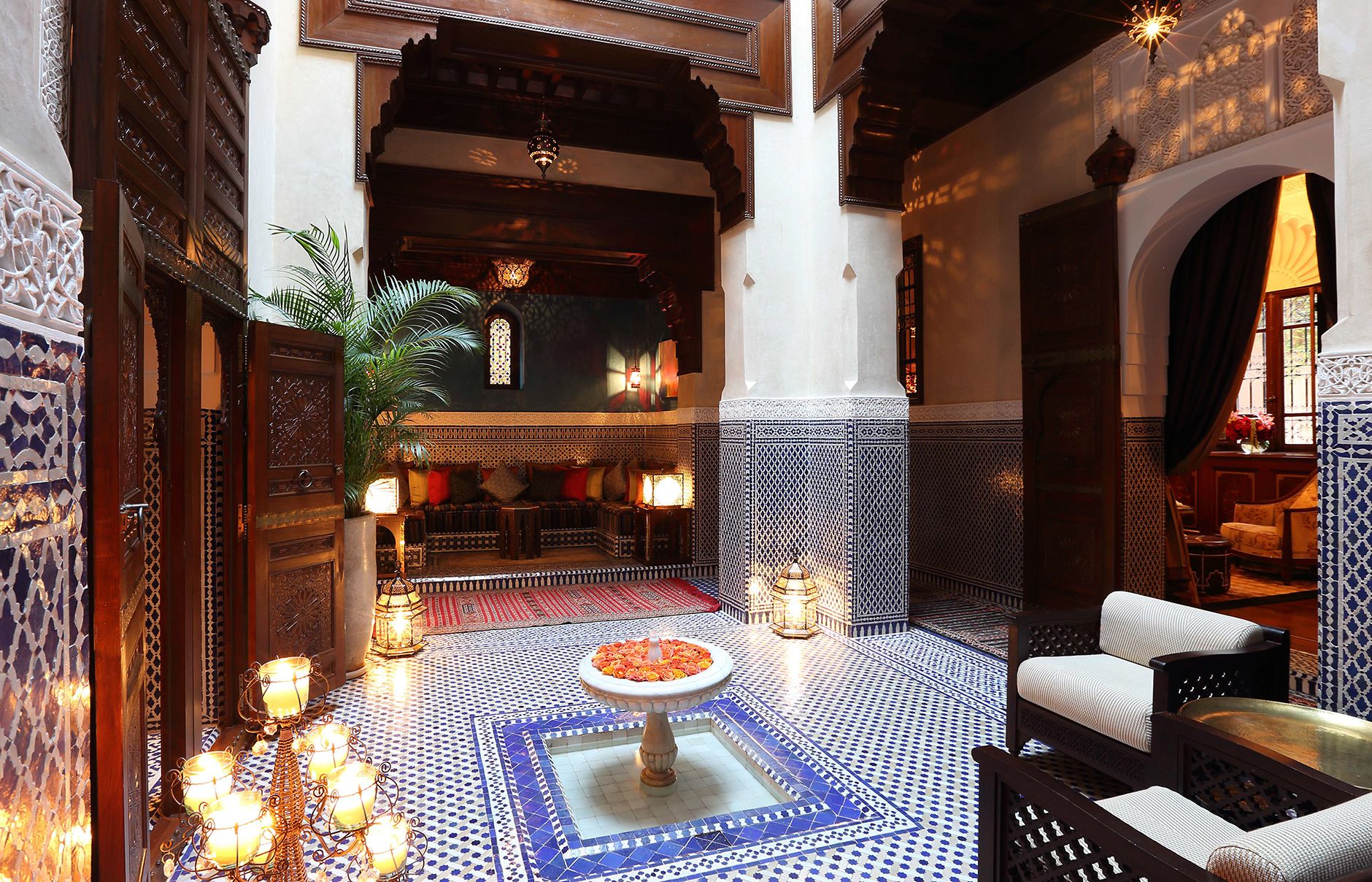
Royal Mansour’s defining idea is simple but unusual: there are no conventional hotel rooms.
Instead, guests stay in 53 private riads spread across landscaped gardens and narrow lanes designed to evoke the rhythm of a traditional Moroccan medina.
Each riad is arranged around its own courtyard and extends across several floors. The interiors bring together zellige tilework, carved plaster, woodwork, metal detailing, fabrics and objects produced by Moroccan craftspeople.
Here, craftsmanship is not an accessory added to an international hotel formula. It shapes the property itself.
That distinction matters in modern luxury travel. Spacious accommodation, spas and polished service can be found in many countries. A convincing sense of place is much harder to reproduce.
Royal Mansour’s architecture, gardens, restaurants, wellness facilities and discreet service model present visitors with an experience rooted firmly in Morocco. The hotel does not merely occupy a site in Marrakech; its identity depends on the city and the country around it.
What the ranking means for Marrakech
Marrakech competes with historic European capitals, Mediterranean resorts, Gulf cities and Asian hospitality hubs for the world’s most demanding travellers.
Its appeal comes from a combination few destinations can replicate: a living medina, longstanding culinary traditions, skilled artisans, established luxury hotels, distinctive gardens and access to the landscapes of the Atlas region.
The presence of both Royal Mansour and La Mamounia in the 2026 top 100 shows that global recognition is not limited to one property. Together, they reflect the depth and longevity of Marrakech’s high-end hospitality sector.
That recognition can benefit far more than the hotels themselves.
Luxury travellers also spend on restaurants, cultural experiences, specialist guides, transport, design, fashion, wellness and locally made products. A successful high-end hospitality sector can therefore generate demand across a much wider network of Moroccan businesses and professions.
It also creates opportunities for chefs, therapists, concierges, gardeners, craftspeople, designers, managers and technical teams capable of delivering service at an international level.
From visitor numbers to greater value
Morocco’s tourism opportunity is not based on attracting more visitors alone. It also lies in raising the quality, range and value of what each visitor can experience.
Hotels with a strong local identity have an important role in that shift. They can connect accommodation with gastronomy, architecture, craftsmanship, wellness and culture — turning a stay into a broader encounter with the country.
For Marrakech, Royal Mansour’s latest recognition strengthens an already powerful international image. For Morocco, it shows how local heritage can become part of a sophisticated modern hospitality offer without being reduced to decoration.
The strongest message from the 2026 ranking is therefore larger than one hotel or one award.
Royal Mansour reached No.26 in the world and No.1 in Africa by placing Moroccan architecture, service and craftsmanship at the centre of the experience. That is also a convincing model for Morocco’s development as a higher-value international destination: global standards delivered with a character that belongs unmistakably to the Kingdom.