


The precautionary recall covers CardioAspirine 100 mg batches BT1CJP2 and BT1CJP3, both expiring in February 2031. Other batches are not affected.
Anyone using CardioAspirine 100 mg in Morocco should check the batch number on their medicine.
The two recalled batches are BT1CJP2 and BT1CJP3. Both carry an expiry date of February 2031.
Bayer is carrying out the precautionary recall in coordination with the Moroccan Agency for Medicines and Health Products, known as AMMPS, after a temperature deviation was identified during transportation.
The recall is limited to these two batches. Other batches of CardioAspirine 100 mg are not included, according to the recall information.
WHAT TO CHECK
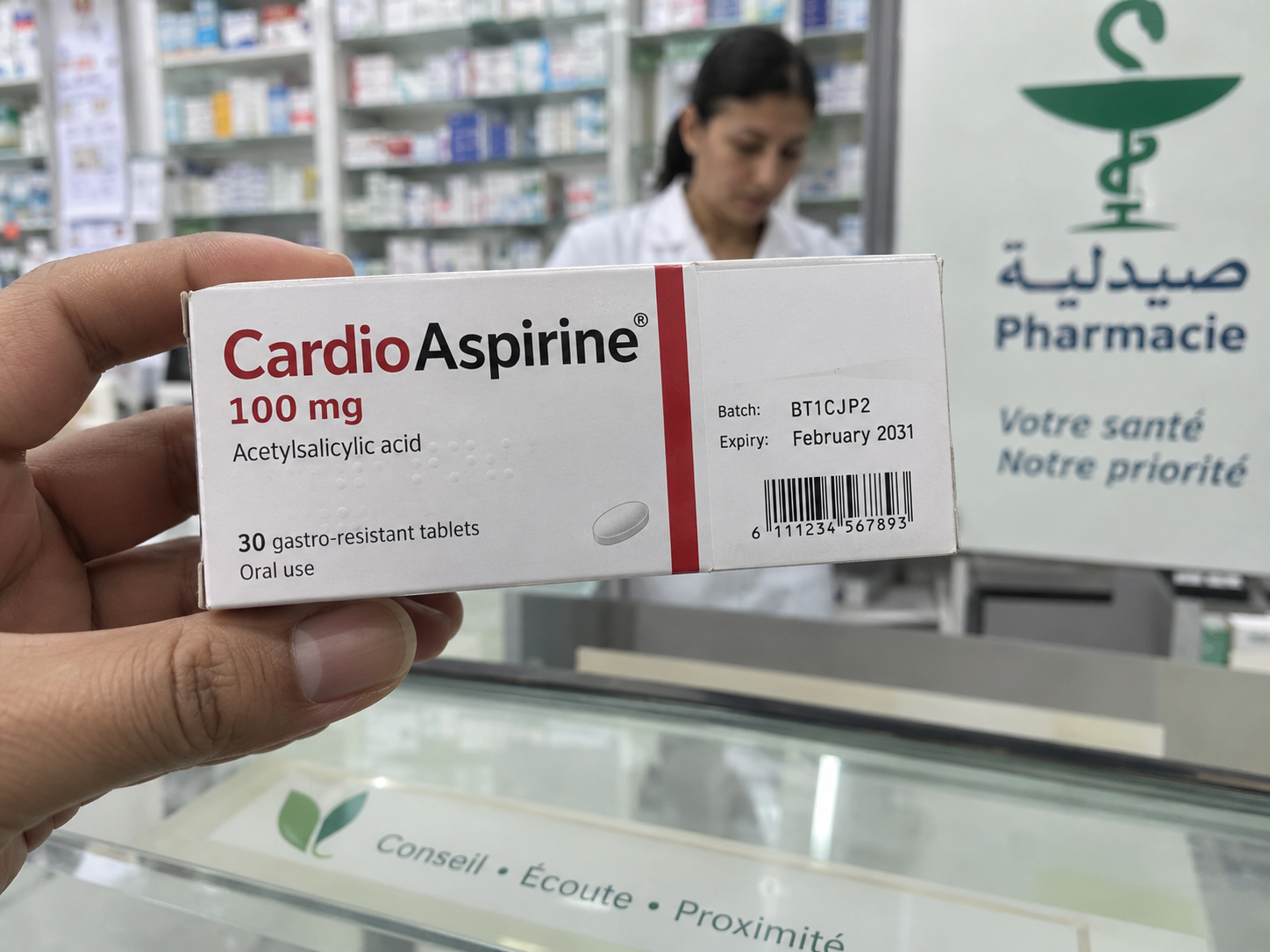
Product: CardioAspirine 100 mg
Batch: BT1CJP2
Batch: BT1CJP3
Expiry: February 2031
Other batches: Not affected, according to the recall information
The batch number is normally printed on the outer box, usually beside the word “Lot” or “Batch” and near the expiry date.
If the number is difficult to find or read, take the box and any remaining blister packs to a pharmacist for checking.
WHY ARE THE BATCHES BEING RECALLED?
The recall follows a reported temperature deviation while the two batches were being transported.
Medicines must be transported and stored under specified conditions. If those conditions are not fully met, the affected stock may be recalled as a precaution while the appropriate quality procedures are followed.
The available information does not say that the tablets were contaminated or counterfeit. It also does not establish that they caused harm.
The recall should therefore be understood for what it is: a precautionary measure involving two clearly identified batches, not every CardioAspirine product on the Moroccan market.
CardioAspirine 100 mg contains acetylsalicylic acid and comes in gastro-resistant tablets.
WHAT SHOULD PATIENTS DO?
Anyone with a box marked BT1CJP2 or BT1CJP3, with an expiry date of February 2031, should contact a pharmacist, prescribing doctor or other qualified healthcare professional.
They can confirm whether the medicine is included in the CardioAspirine recall Morocco operation and explain how it should be returned or replaced.
Patients should not stop prescribed CardioAspirine on their own. Interrupting prescribed treatment without professional guidance may carry separate risks, depending on the reason it was prescribed.
MTD is not providing individual medical or dosage advice. Patients who are uncertain about their medicine should speak directly to a qualified healthcare professional.
Anyone who feels unwell or suspects an adverse reaction should seek medical advice through the usual healthcare channels.
WHAT HAVE PHARMACIES AND WHOLESALERS BEEN TOLD?
Moroccan pharmacies and pharmaceutical wholesalers have reportedly been instructed to stop dispensing, distributing or using units from batches BT1CJP2 and BT1CJP3.
Existing stock from the two batches must be separated from other medicines, placed in quarantine and returned in coordination with Bayer.
These instructions are intended to remove the identified units from circulation without unnecessarily affecting supplies from other batches.
HAVE ANY INCIDENTS BEEN REPORTED?
At the time of the recall notice, no product-quality complaints or pharmacovigilance reports linked to the transport deviation had been reported.
Pharmacovigilance is the system used to monitor suspected adverse reactions and other medicine-safety concerns.
The absence of reported incidents is reassuring, but it does not cancel the recall instructions. Boxes carrying either affected batch number should still be referred to a pharmacist or healthcare professional.
The message for patients is simple: check the box, verify the batch number and seek professional guidance if it matches — but do not interrupt prescribed treatment on your own.