

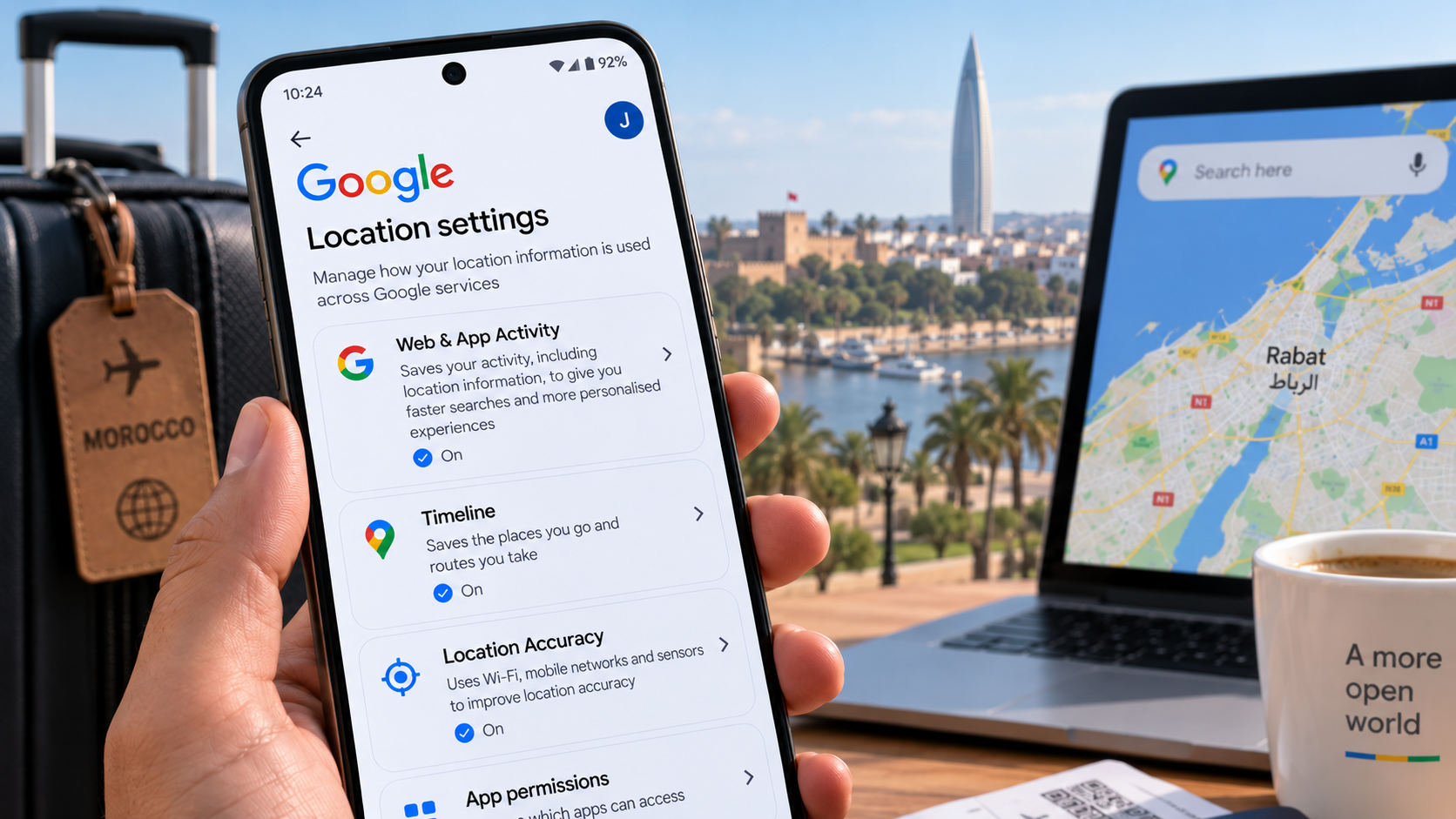
Ireland’s privacy regulator has fined Google after examining how Web & App Activity, Location History and Location Accuracy processed users’ location information. Here is what happened — and what every Google user can check today.
Google has been fined €403 million over past practices that may have left users unclear about how their location information was collected and used.
Ireland’s Data Protection Commission, or DPC, announced the penalty on 21 September following an investigation into three Google features: Web & App Activity, Location History and Location Accuracy.
The inquiry covered processing carried out between 2018 and 2020. It found infringements of the European Union’s General Data Protection Regulation, known as GDPR, involving lawfulness, fairness, transparency and accountability.
Google has also been ordered to bring the relevant processing into compliance within six months.
For ordinary users, the case raises a simple question: do you know which location settings are active in your Google Account and on your phone?
WHY GOOGLE WAS FINED
The DPC’s concern was not simply that Google possessed location information. Services such as Maps need access to location data to provide directions, identify nearby businesses or show local search results.
The issue was whether users received clear enough information and retained meaningful control over how their data was processed.
The regulator said Google’s failures meant people could have been unaware that their location information might be used to influence the advertising shown to them or to infer their interests.
It also said keeping users’ location data for longer than necessary aggravated this loss of control.
The penalty is reportedly the fourth-largest imposed by the Irish DPC under the GDPR. Three other statutory investigations involving Google remain at an advanced stage.
The full DPC decision was not publicly available at the time of writing. The findings described here are therefore limited to information announced by the regulator and confirmed through established reporting.
GOOGLE SAYS THE CASE CONCERNS OLDER PRACTICES
Google said the decision relates to practices dating back several years and that it has since introduced clearer controls and improved tools for managing location information.
That distinction matters.
The investigation examined activity between 2018 and 2020. Its findings should not be presented as proof that Google’s current system operates in exactly the same way.
Nor does the decision mean that Google is continuously tracking every user. What information may be processed or saved depends on the person’s account controls, device settings, app permissions and use of particular services.
Any appeal or further legal challenge could also affect the outcome. The fine should not be described as final and unappealable unless that status is officially confirmed.
THE SETTINGS YOU NEED TO UNDERSTAND
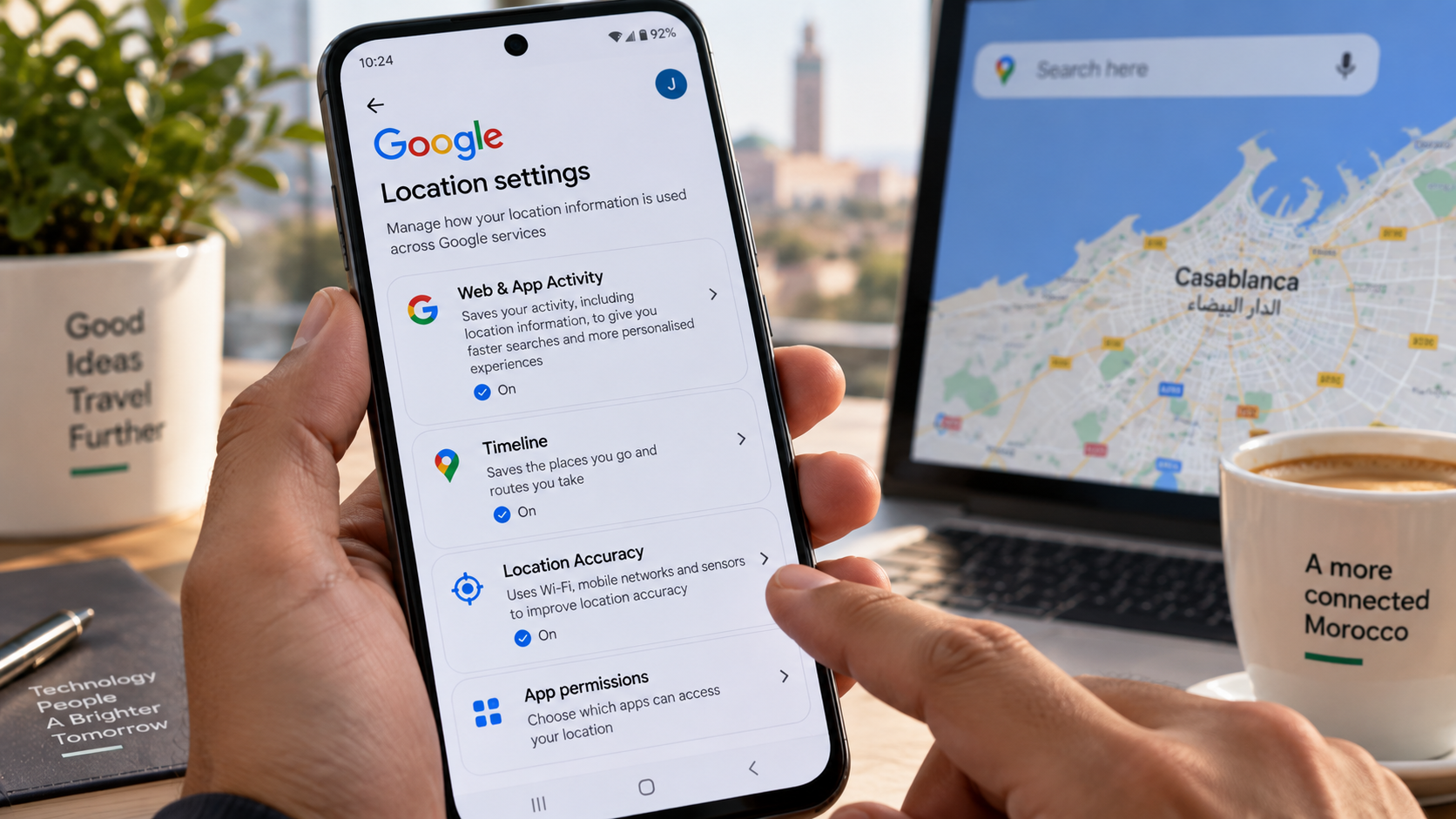
WEB & APP ACTIVITY
This Google Account setting can save what you do across Google sites, apps and services.
Google says saved activity may include associated information, such as the general area from which a service was used. It can be used to provide faster searches, recommendations and more personalised experiences.
Depending on other controls, the information may also contribute to personalised advertising.
TIMELINE OR LOCATION HISTORY
Google now calls this feature Timeline. It was previously known as Location History, the name used during the period examined by the DPC.
When switched on, Timeline can create a personal map of places visited and routes travelled. Google says it is currently off by default.
On eligible devices, precise location can be saved regularly when Timeline is active, including when Google apps are not being used. Google has moved towards storing Timeline information on users’ devices, with an optional encrypted backup.
LOCATION ACCURACY
Location Accuracy is an Android device service. It is not the same as a list of places stored in Timeline.
It can combine GPS, nearby Wi-Fi networks, mobile towers and phone sensors to establish a device’s position more quickly and accurately — particularly indoors or near large buildings.
Google says information used to improve the service is handled with temporary, rotating identifiers that are not associated with a particular account or individual.
APP PERMISSIONS
Android and iPhone users can separately decide which apps may access their location.
Those permissions may allow approximate or precise location and can limit access to when the app is being used.
Turning off an account-history setting does not automatically change an app’s phone permission. Equally, blocking an app’s access does not necessarily erase information already saved in a Google Account.
HOW TO CHECK YOUR GOOGLE LOCATION SETTINGS
Open your Google Account. In a Google app, tap your profile picture and select Manage your Google Account.
Choose Data & privacy.
Scroll to History settings and check Web & App Activity and Timeline. Some older devices or notices may still use the name Location History.
Open each setting to see whether it is active and what information it may save.
Visit My Activity to review or delete eligible activity. Where available, you can configure automatic deletion after a selected period.
To inspect saved journeys, open Google Maps, tap your profile picture and select Your Timeline. The available controls can vary because Timeline data may be stored on individual devices.
On Android, open Settings > Location > App location permissions to review each app. Check Location services > Location Accuracy separately.
On iPhone, go to Settings > Privacy & Security > Location Services. Select an app to control when it can access your location and whether it can receive your precise position.
Turning off one control may not stop every form of location processing. For example, services can still estimate a general area using an internet address, while other Google settings or apps may retain separate information.
Deleting history may also remove saved journeys and reduce personalisation. Users should read the explanation accompanying each setting before permanently deleting data.
WHAT THE RULING MEANS FOR MOROCCO
The fine was imposed under European GDPR rules by Ireland’s privacy regulator.
It does not automatically give people in Morocco compensation or new legal rights. There is also no authoritative confirmation that Moroccan users were included in the DPC investigation.
But the practical lesson crosses borders.
People in Morocco and the Moroccan diaspora widely use Search, Maps, Android, Gmail and YouTube. Their location and activity settings therefore deserve the same careful attention, even where the European ruling does not directly govern their legal position.
There is no need to panic or immediately delete useful services. The smarter response takes only a few minutes: open your account, understand what is enabled and decide whether the convenience you receive is worth the information being saved.