

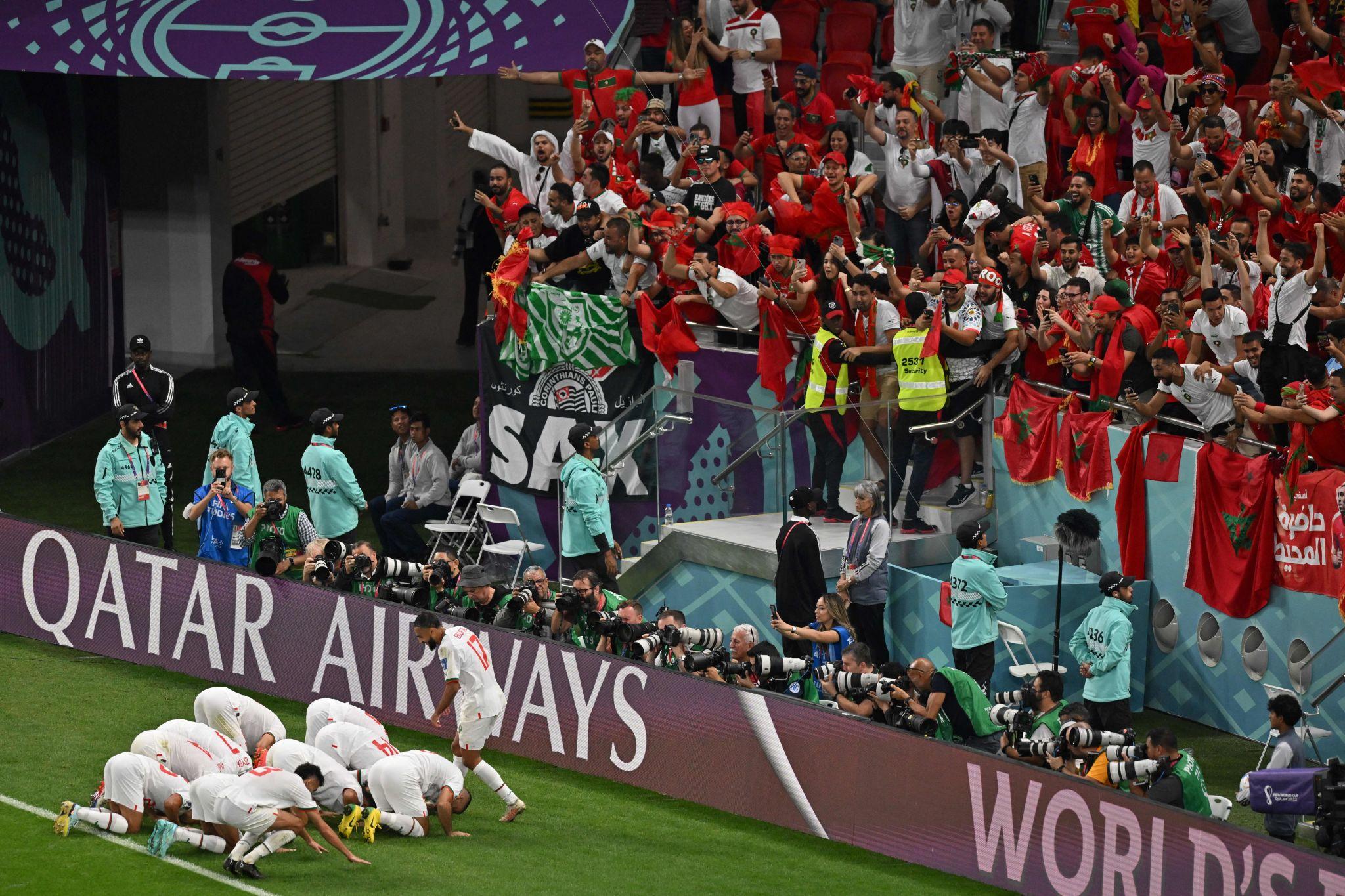
Forget the Brazil headline for a second. Morocco’s next World Cup test may be just as important. After a powerful 1-1 draw against Brazil, the Atlas Lions now turn toward Scotland in a Group C clash that could shape the feeling around their entire tournament. It is not panic time. It is not a final. But it is a serious test — and for Morocco, this is exactly the kind of match that strong World Cup teams know how to handle.
The Brazil Result Raised Expectations
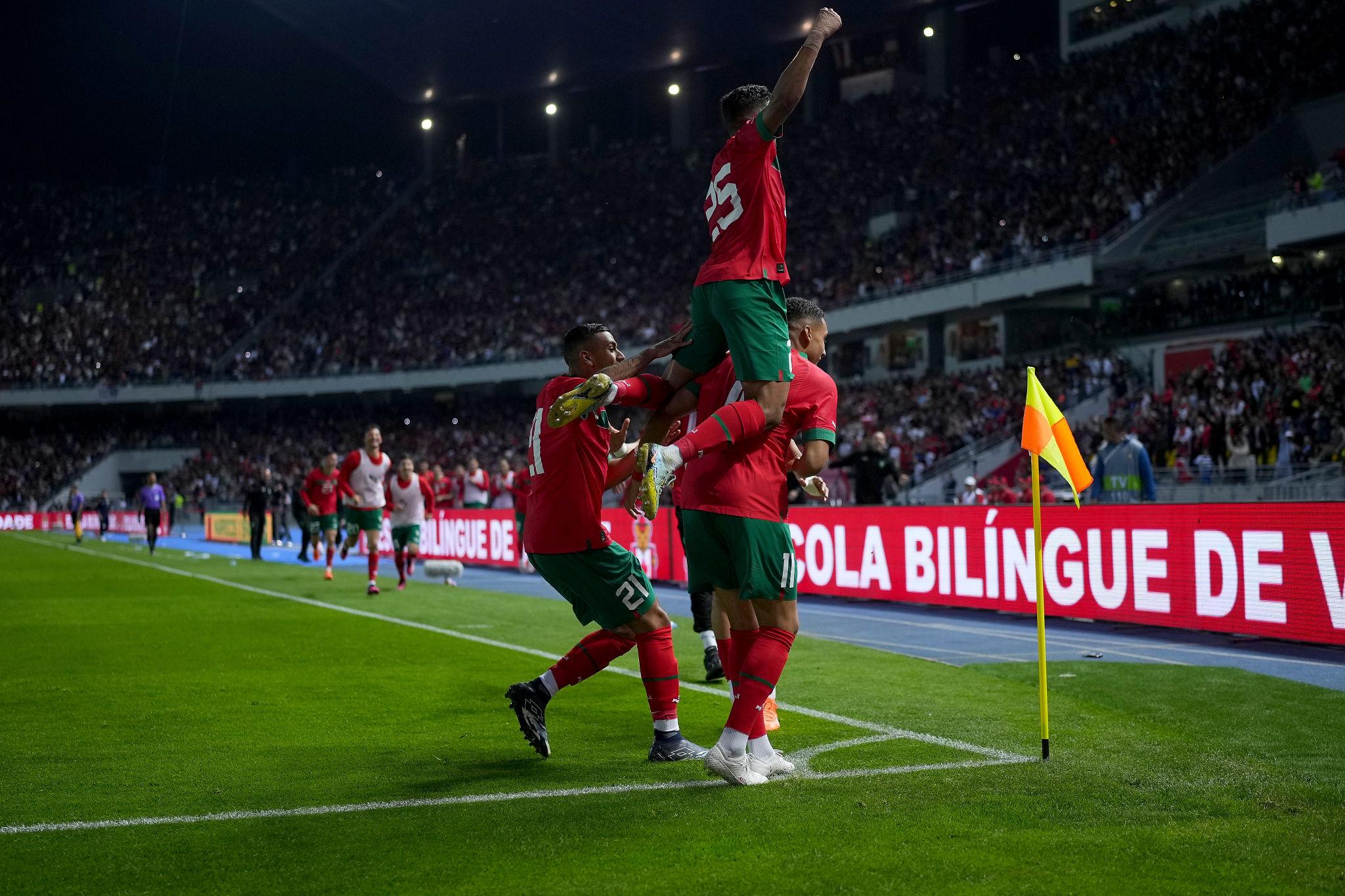
A draw against Brazil is never small — the five-time world champions carry one of the biggest names in football, and Morocco’s performance showed the world that the Atlas Lions are still operating at elite level. But big results create new pressure. After standing up to Brazil, Morocco cannot afford to lose focus. Scotland opened their tournament with a 1-0 win over Haiti, giving them 3 points and an early advantage in Group C. A team with three points can play with belief, defend harder, frustrate and turn one goal into a huge result. For Morocco, that makes Scotland a very real challenge.
Hakimi’s Leadership Will Be Huge
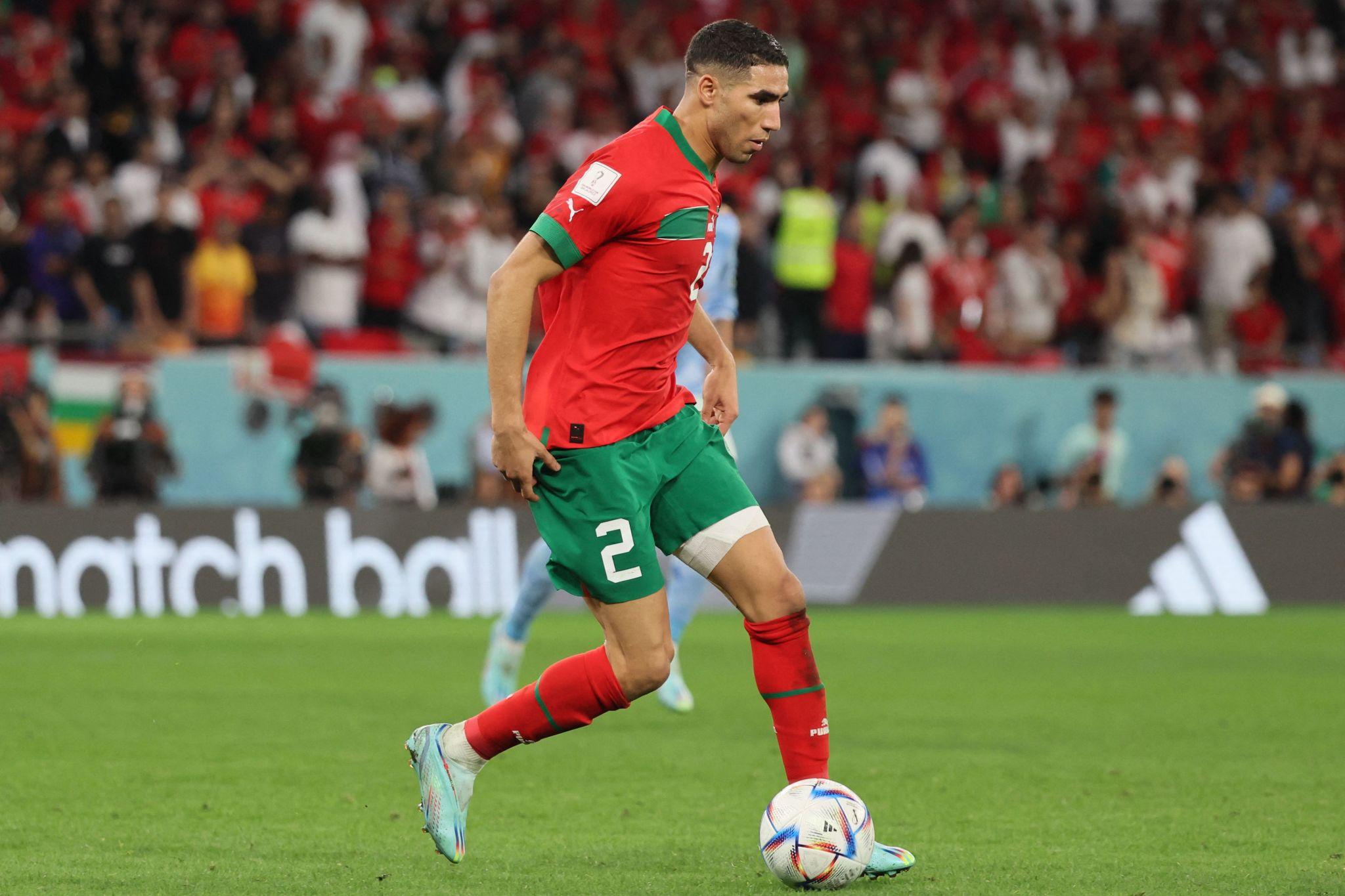
Playing Brazil is emotional. Playing Scotland is tactical. Against Brazil, Morocco could thrive as the team facing a giant. Against Scotland, the question changes: can Morocco control the rhythm, break down a disciplined opponent, stay patient if the game becomes physical and turn good football into a clean result? These are the questions that decide World Cup campaigns. Achraf Hakimi gives Morocco more than pace and quality — he gives authority. Morocco must be sharp but not reckless, aggressive but not careless, confident but not overexcited. Hakimi is one of the players who can help keep that balance.
Bouaddi Gives Morocco A Fresh Spark
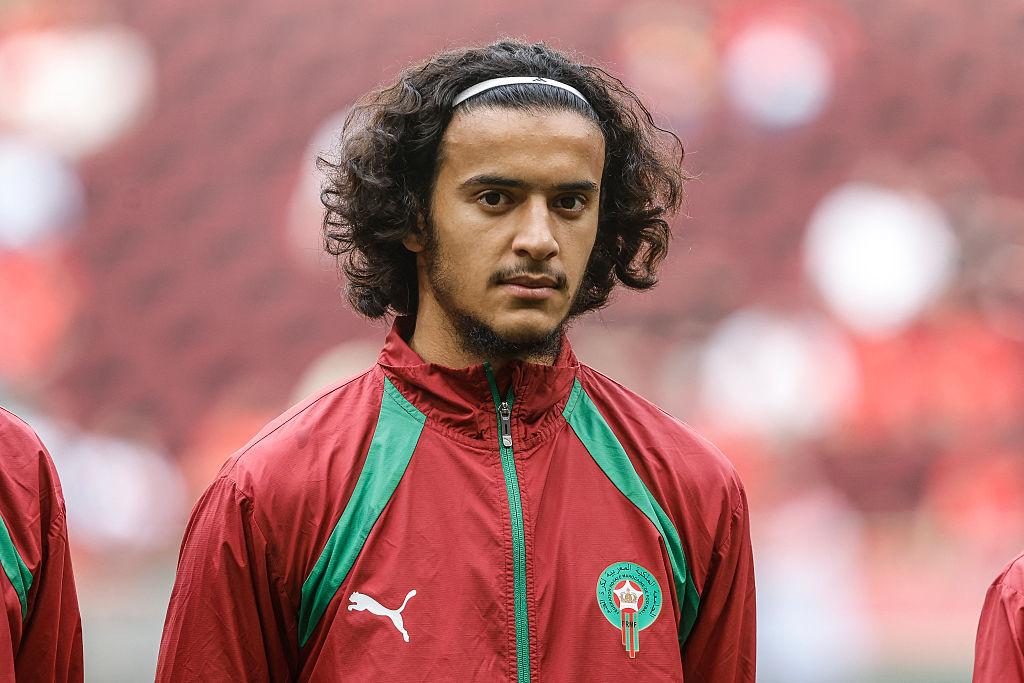
One of the biggest stories after the Brazil match was Ayyoub Bouaddi. At just 18 years old, the young midfielder showed serious composure on the World Cup stage. Now comes the second test — it is one thing to shine in a blockbuster, another to repeat that level when the opponent changes and the pressure becomes more practical. Scotland will not make it pretty: this is a team that understands hard football, can compete physically, defend deep, fight for second balls and turn set pieces into danger. For Morocco, concentration must be high from the first minute. A strong result would keep Morocco moving forward with confidence. A difficult result would make the final group match feel much more tense. Top teams do not only rise for the giants — they handle the difficult games too.