

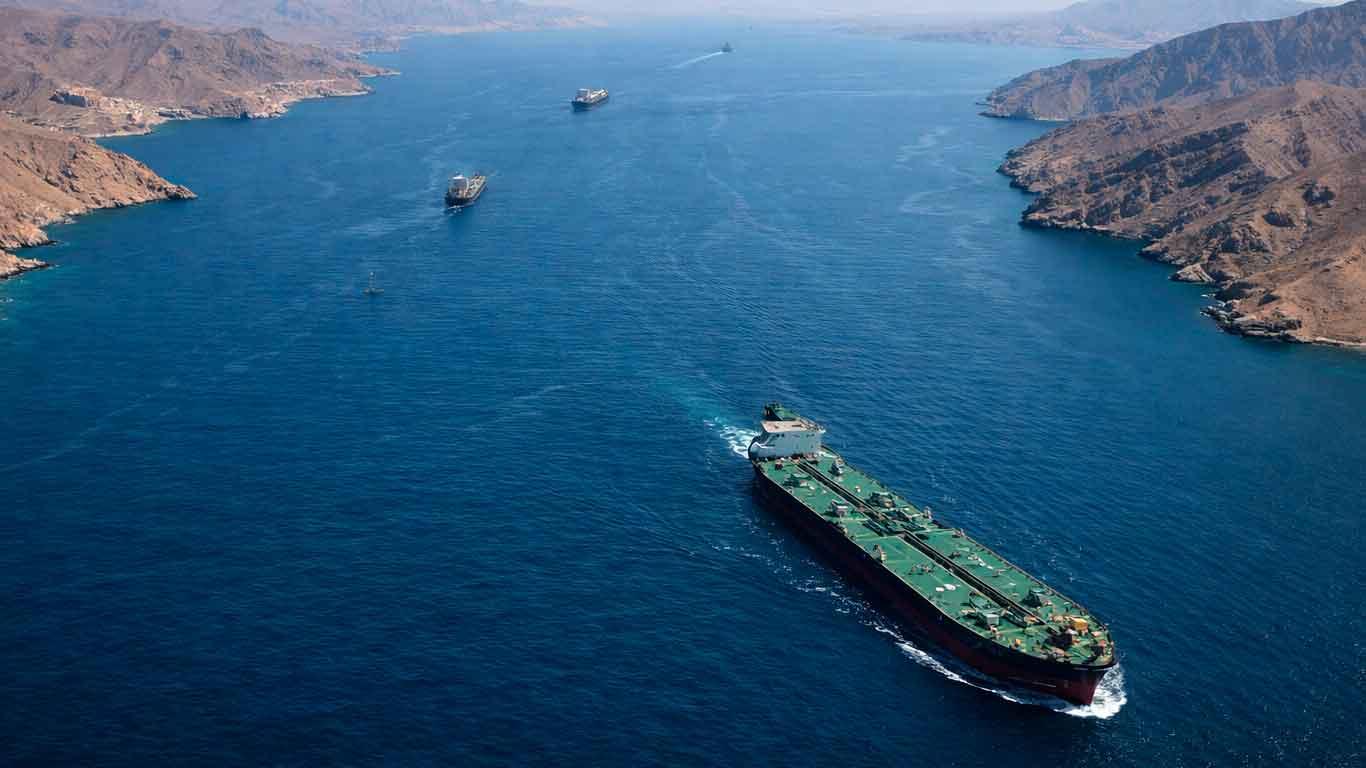
The Gulf is back at the centre of the world’s biggest risk map. Fresh U.S. strikes on Iran and Iranian attacks linked to Bahrain and Kuwait have pushed the region into another dangerous moment, with oil traders, airlines, governments and travellers watching the same narrow waterway again.
The Strait of Hormuz is not just a line on a map. It is one of the world’s most sensitive economic arteries. When it shakes, markets listen. When missiles fly near it, airlines, ports and energy buyers start recalculating risk.
The Gulf Becomes The World’s Pressure Point Again
The latest escalation began after attacks on commercial ships near the Strait of Hormuz, prompting new U.S. military strikes against Iranian targets. Iran then responded with attacks toward areas connected to U.S. military presence in Bahrain and Kuwait, both key Gulf states with major strategic value. That is why this story is bigger than one military exchange. It touches energy, shipping, airspace, insurance, diplomacy, and the cost of doing business across the Middle East.
Why Hormuz Matters So Much
The Strait of Hormuz is one of the most important shipping routes in the world. Oil and gas move through it every day, linking Gulf producers to global markets in Asia, Europe, Africa and beyond. That makes the waterway extremely powerful. If the route becomes unsafe, the effect is not local. It can move oil prices. It can raise shipping insurance. It can force companies to reroute. It can make governments nervous about fuel security. That is why every new strike near the Gulf gets watched far beyond the region.
Oil Prices Are The First Signal
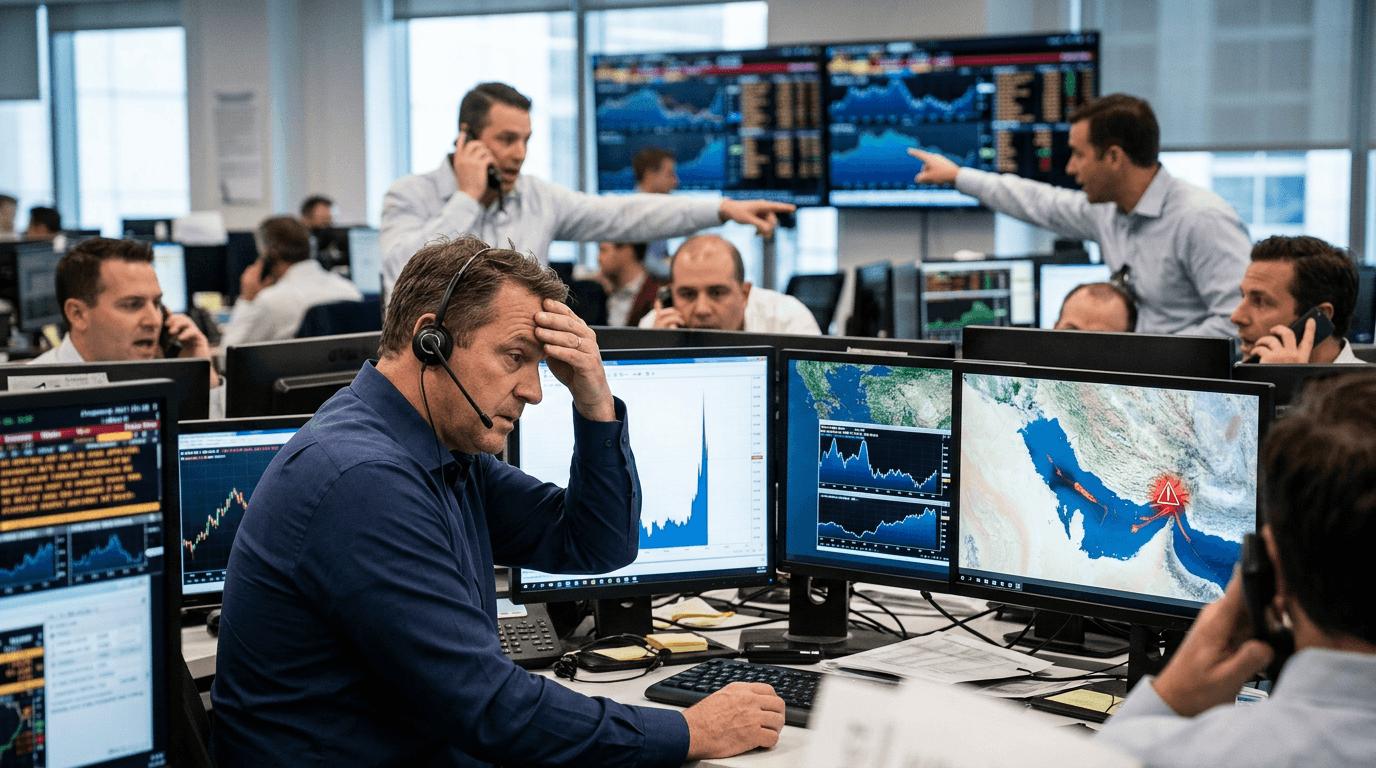
Energy markets usually react fast to Gulf tension. Traders do not wait for a full crisis before pricing risk. They move when the probability of disruption rises. A missile attack near shipping lanes, a threat to ports, a warning from Iran, a U.S. strike. Any of these can add a risk premium to oil. For ordinary people, that sounds distant. But the chain is simple. Higher oil prices can feed into fuel costs, airline costs, shipping costs and eventually consumer prices. That is why a military headline can become a household story.
Airlines Have To Watch The Sky
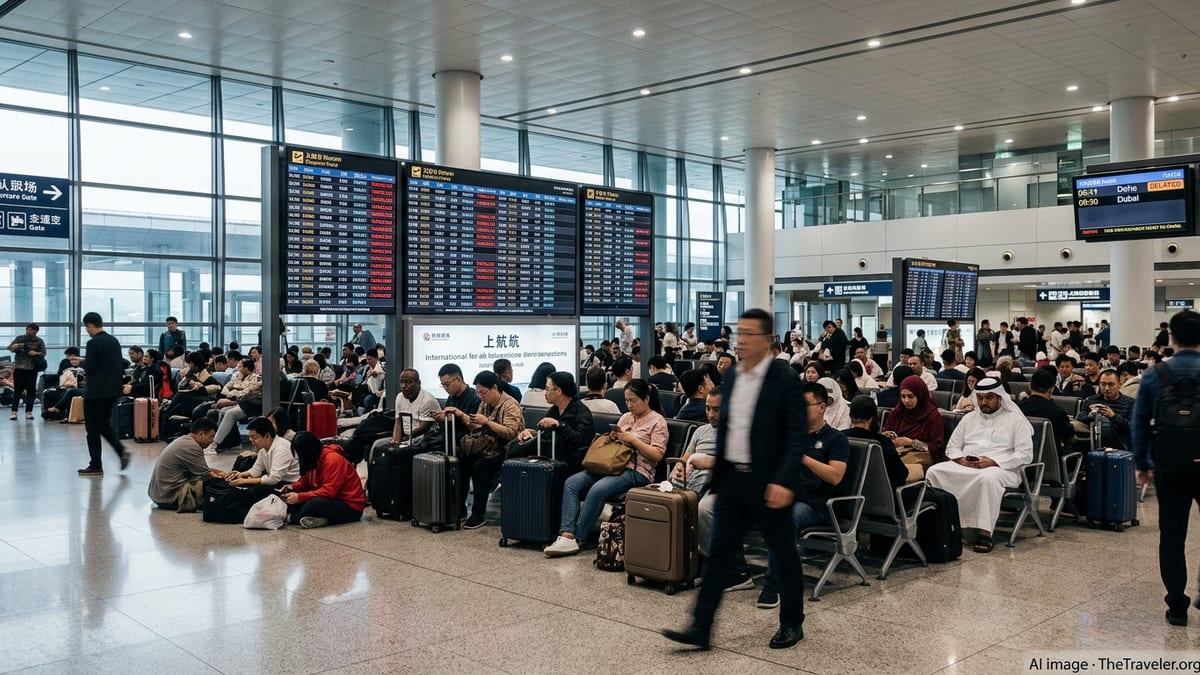
The Gulf is also a major aviation corridor. Thousands of flights use airspace across the wider Middle East, connecting Europe, Africa and Asia with the Gulf hubs. When tension rises, airlines have to assess risk quickly. Some routes may become more expensive. Some flight paths may become longer. Some passengers may face delays if airlines adjust operations. The region’s geography makes this especially sensitive. Dubai, Doha, Abu Dhabi, Riyadh, Kuwait and Bahrain are not just cities. They are aviation nodes in a global network. When the Gulf gets tense, the travel industry pays attention.
Gulf States Are In A Difficult Position
For Bahrain, Kuwait and Qatar, the latest escalation is uncomfortable. These countries want stability. They host important military, energy and business infrastructure. They are also deeply connected to global finance, aviation and trade. That puts them in a difficult position when U.S.-Iran tensions rise. They are not only watching from the sidelines. They can become part of the risk zone, even if their own strategic interest is to keep business moving and avoid a wider regional fire.
The Ceasefire Story Looks Fragile
The latest strikes also damage hopes that a temporary deal or reduced fighting could hold. A ceasefire in the Gulf is only valuable if both sides believe it can protect their core interests. The U.S. says it is acting to protect freedom of navigation. Iran says pressure and strikes will be answered. That leaves the region stuck between negotiation and retaliation. This is the most dangerous kind of diplomatic space. Talks may continue. But missiles can still move faster than diplomats.
Shipping Companies Will Reprice Risk
Commercial shipping is one of the quiet victims of Gulf tension. When ships are attacked or threatened, the cost of moving goods can rise. Insurers may demand higher premiums. Operators may slow movement. Some companies may delay shipments. Others may look for alternative routes, even if those routes are longer and more expensive. That matters because global trade already faces pressure from geopolitics, energy costs and supply-chain uncertainty. Hormuz adds another layer.
The Morocco Link Is Real
For Moroccan readers, the Gulf may feel far away. But the impact can still travel. Morocco imports energy and depends on global shipping conditions. Fuel prices, freight rates and airline costs can all be affected by tension in major maritime corridors. Tourism can also feel the shock if long-haul travel costs rise or if regional uncertainty affects passenger confidence. For a country preparing for 2030, with tourism, aviation, logistics and infrastructure all moving higher on the national agenda, global transport stability matters. Morocco does not need to be inside the conflict to feel part of the economic weather around it.
Investors Hate Unclear Escalation
Markets can deal with bad news when the limit is clear. They struggle more with uncertainty. The Gulf crisis creates exactly that problem. How far will the U.S. go? How far will Iran respond? Will Gulf bases become regular targets? Will shipping through Hormuz stay open? Will oil prices spike or settle? These questions matter because investors do not only price events. They price the possibility of worse events. That is why even limited strikes can create global nervousness.
The Timing Is Dangerous
The timing is also sensitive. Global economies are already managing pressure from inflation, elections, debt, trade tension and energy volatility. Another Gulf shock adds more uncertainty at the wrong moment. For governments, the challenge is not only military. It is economic. They must protect energy flows, calm markets, reassure allies, avoid panic and still leave space for negotiations. That is a very narrow path.
The Gulf Is Still Too Important To Ignore
Every few years, the world is reminded of the same fact. The Gulf is not just a regional story. It is a global system. Oil, gas, ports, airlines, military bases, shipping lanes, sovereign wealth, financial hubs, expat economies. When the Gulf becomes unstable, the effect moves through markets and across borders quickly. That is why today’s headlines matter.
The Bottom Line
The latest U.S.-Iran escalation has put the Gulf back at the centre of global risk. Fresh American strikes on Iran, Iranian retaliation linked to Bahrain and Kuwait, and alerts in the wider region have renewed fears around oil, flights, shipping and diplomatic stability. The Strait of Hormuz remains the key pressure point. As long as that route feels exposed, markets will stay nervous. For the world, this is not only a war story. It is an energy story, a travel story and a cost-of-living story.
 Martino Oosterveer, Contributing Editor