
Singapore is becoming the world’s power room this week.
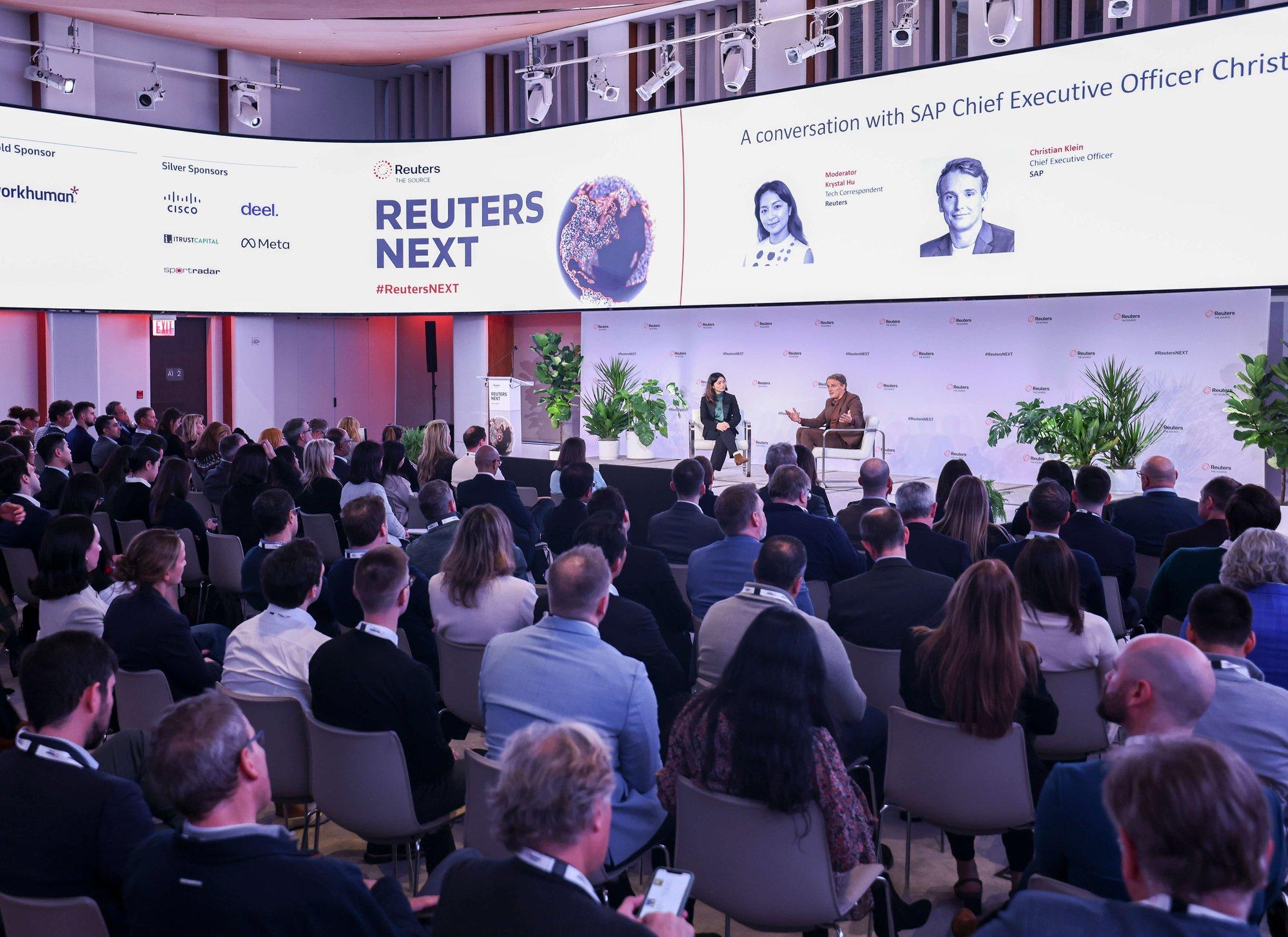
Not because of a concert. Not because of a football match. Because the people who move money, policy and technology are gathering in one city. Reuters NEXT Asia is bringing policymakers, business leaders, investors and executives to Singapore on July 9, turning the city-state into a live stage for the biggest questions shaping Asia’s future. AI. Capital. Trade. Markets. Digital assets. Geopolitics. This is not red-carpet entertainment. This is power entertainment.
Singapore Takes The Global Business Spotlight
Some cities are built for noise. Singapore is built for control. That is why a summit like Reuters NEXT Asia fits the city perfectly. It is clean, connected, wealthy, strategic and trusted by global business. For one day, the spotlight moves toward Asia’s dealmakers. The people in the room are not only talking about the future. Many of them are financing it, regulating it, building it or trying to profit from it. That makes the event bigger than a normal conference. It is a signal of where global attention is moving.
Asia Is No Longer Waiting For Permission
The big story is simple. Asia is not waiting to be invited into the global conversation. It is already inside it. China, India, Southeast Asia, Japan, South Korea and the Gulf-Asia corridor are shaping trade, technology, finance, energy and supply chains. Companies do not talk about Asia only as a manufacturing base anymore. They talk about Asia as a growth engine. A capital market. A consumer giant. A technology battleground. A diplomatic chessboard. That is why Singapore matters this week. It sits in the middle of that conversation.
More Than 400 Leaders In One Place
Reuters has said the summit will gather more than 400 global leaders, innovators and CEOs. That number matters. This is not a small room of analysts. It is a business and policy crowd with real influence. When investors, ministers, executives and experts sit together, the conversation can move quickly from theory to money. Where will capital go? Which sectors are too risky? How fast will AI change companies? Can trade survive political tension? Who will regulate digital assets? These are not abstract questions. They decide investment flows.
AI Is The Main Attraction
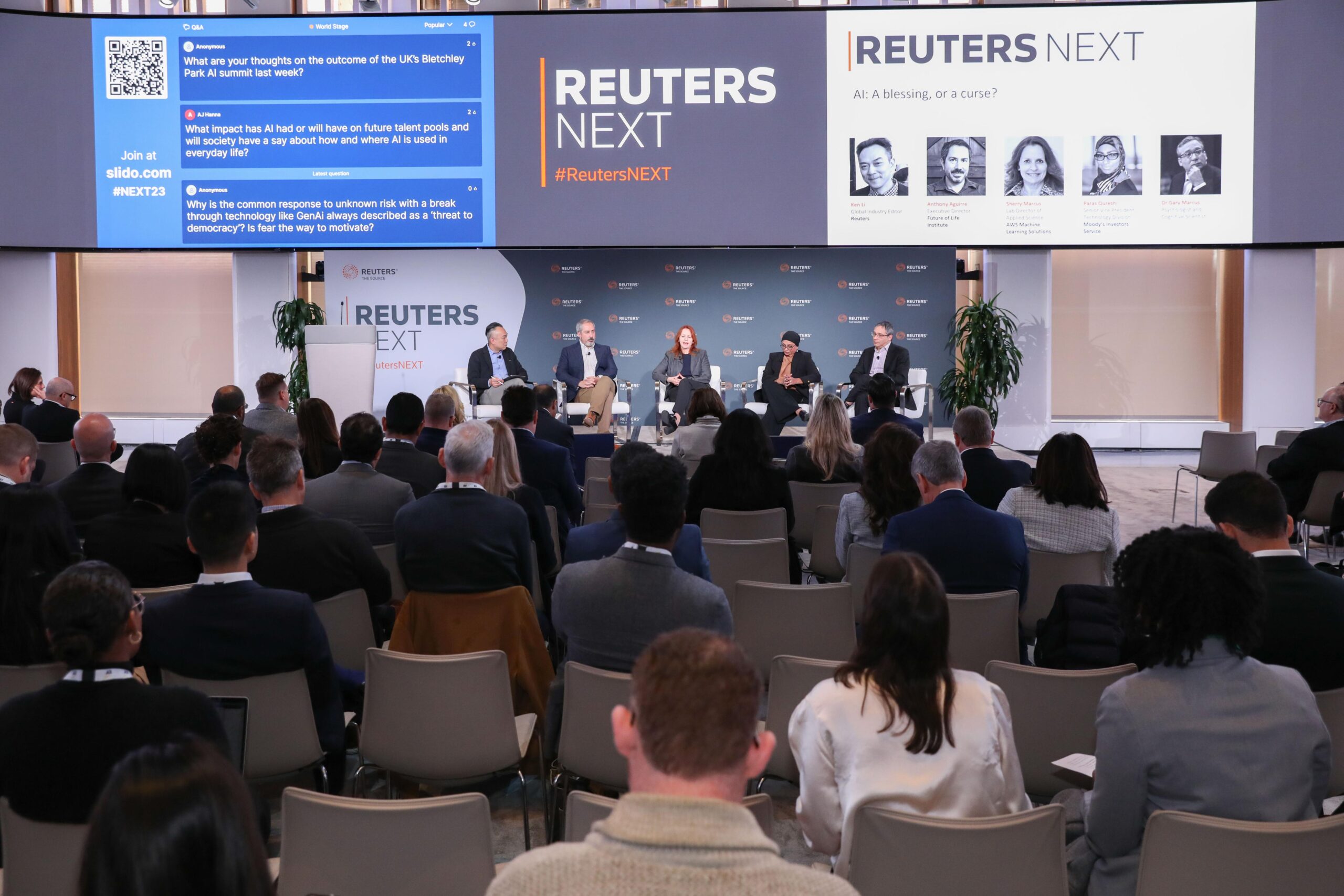
Artificial intelligence is the topic everyone wants to own. Governments want to regulate it. Companies want to monetise it. Investors want returns. Workers want protection. Consumers want better products without losing trust. That makes AI the perfect summit subject. Asia is already central to the AI story because of chips, data centres, manufacturing, software, cloud infrastructure and massive consumer markets. Singapore wants to be part of that future. Not as a spectator. As a trusted hub.
Trade Is Back In The Danger Zone
Trade is another major theme. Globalisation no longer feels simple. Tariffs, political pressure, supply-chain shocks, shipping routes, energy costs and national-security rules have made trade more complicated. Asia sits at the heart of that tension. The region depends on trade, but it also has to manage the risk of great-power competition. For business leaders, this is critical. A factory location is no longer only about cost. It is about politics. A supplier is no longer only about efficiency. It is about resilience. That is why trade talk in Singapore matters.
Capital Is Looking For The Next Safe Bet
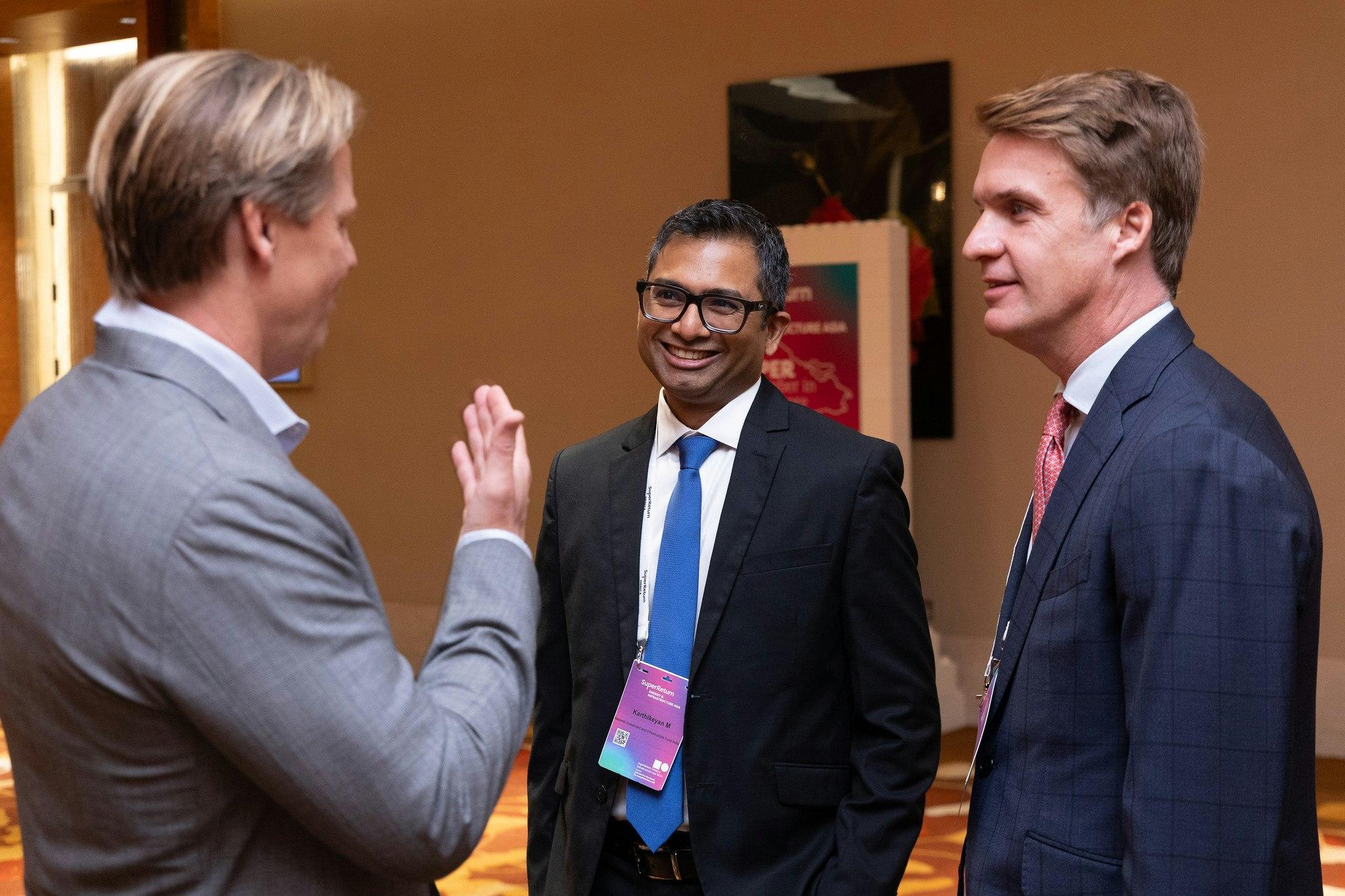
Money is moving carefully. Investors are watching interest rates, currencies, debt, AI valuations, elections, wars, shipping costs and consumer demand. In that environment, Asia offers both opportunity and risk. Some investors see growth. Others see volatility. Some see underpriced markets. Others fear political shocks. Singapore’s strength is that it offers a platform where capital feels more comfortable asking hard questions. It is a place where finance, regulation and regional access meet. That is why dealmakers like it.
Digital Assets Are Still Fighting For Trust
Crypto and digital assets are no longer only internet hype. They are now part of serious financial discussions. But trust remains the big problem. Regulators want control. Investors want clarity. Platforms want growth. Consumers want safety. Asia is important because several markets in the region have become major digital-asset hubs, trading centres or regulatory testing grounds. A summit that includes digital assets is not chasing a trend. It is recognising that the subject has entered the mainstream finance debate.
Singapore Sells Stability
Singapore’s real product is stability. That is why it keeps winning global events, finance flows and corporate attention. The city-state is small, but it has a large global role because people trust the system. Contracts matter. Regulation is clear. Infrastructure works. Flights connect. Security feels strong. For global executives, that reliability is valuable. In a world that feels unstable, Singapore sells order. And order is expensive.
Why This Matters Beyond Asia
Some readers may ask why an Asian business summit matters to the world. The answer is simple. What happens in Asia does not stay in Asia. A chip shortage in Taiwan can affect car prices in Europe. A shipping disruption in Asia can affect shelves in Africa. A capital shift in Singapore can affect startups in the Gulf. AI investment in Asia can change jobs everywhere. A digital-asset rule in one major hub can influence global finance. Asia is too connected to ignore. That is why Reuters NEXT Asia has global relevance.
Morocco Should Watch This Too
For Moroccan readers, Singapore may feel far away. But the themes are close. AI. Capital. Trade. Tourism. Digital infrastructure. Healthcare. Investment. These are also Moroccan questions. Morocco wants to become a stronger bridge between Europe, Africa and the Atlantic. To do that, it must understand where global capital and technology are moving. Singapore is a useful mirror. Small country. Strategic location. High trust. Strong infrastructure. Global role bigger than its size. That is exactly why many emerging hubs study it.
The Power Room Is Not Only Political
Power today does not only sit in government buildings. It sits in boardrooms. Cloud platforms. Investment funds. Data centres. Ports. Payment systems. Airports. Supply chains. That is why a summit about business and technology can feel as important as a diplomatic meeting. The future is not decided by politicians alone. It is shaped by whoever controls capital, infrastructure and information. Singapore understands that better than most places.
The Media Stage Matters
The Reuters name also matters. Reuters NEXT Asia is not just a closed business event. It is a live journalism summit and broadcast platform, meaning the conversations are designed to travel. Interviews can become headlines. Comments can move markets. Warnings can shape investor mood. Predictions can be repeated by business media worldwide. That turns the event into more than a meeting. It becomes a content engine for global power conversations.
The Bottom Line
Singapore is becoming this week’s power room as Reuters NEXT Asia brings policymakers, executives, investors and business leaders together on July 9. With more than 400 global leaders, more than 40 speakers and major themes including AI, trade, financial markets, digital assets, geopolitics, healthcare and travel, the summit puts Asia’s influence firmly in the spotlight. This is not just another conference. It is a sign of where power is moving. And this week, the conversation runs through Singapore.
 Martino Oosterveer, Contributing Editor