

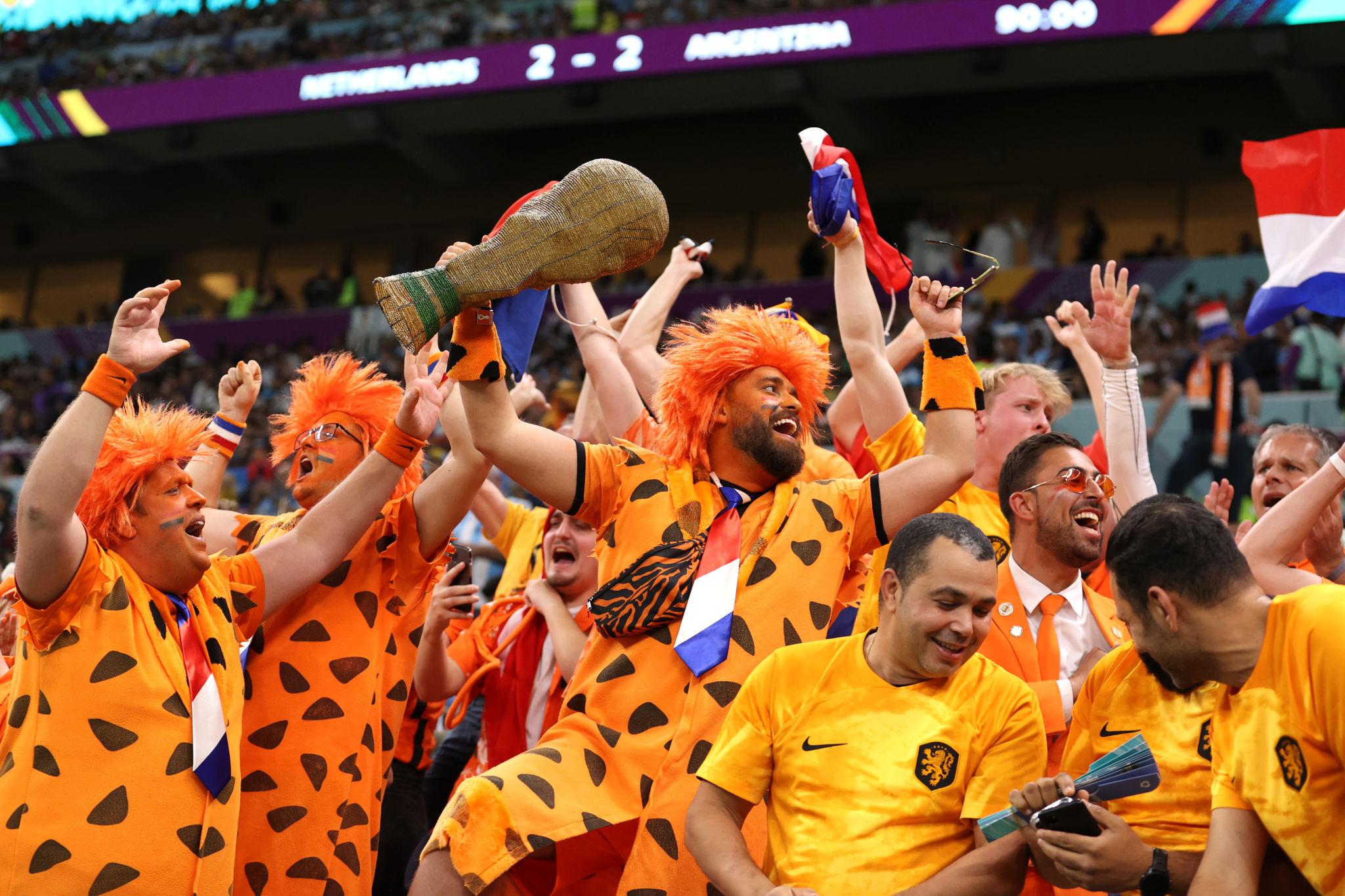
Morocco’s World Cup campaign has moved from a group-stage fight into one of the tournament’s most emotionally loaded knockout fixtures: a Last-32 clash with the Netherlands.
The Atlas Lions will face the Dutch after the Netherlands beat Tunisia 3-1 to finish top of Group F, while Morocco advanced as Group C runners-up following a dramatic 4-2 comeback win over Haiti.
On the pitch, it is a place in the next round.
Off it, the fixture carries a deeper charge.
For Dutch-Moroccan families across Amsterdam, Rotterdam, Utrecht, The Hague, Eindhoven and beyond, this is not just a football match. It is a split-heart night.
The Match-Up
The bracket is now clear.
The Netherlands finished top of Group F with seven points after drawing 2-2 with Japan, beating Sweden 5-1 and defeating Tunisia 3-1.
Morocco also finished with seven points in Group C, but ended second behind Brazil on goal difference after drawing 1-1 with Brazil, beating Scotland 1-0 and coming from behind to defeat Haiti 4-2.
That combination created one of the most talked-about ties of the Round of 32:
Netherlands vs Morocco.
It is a football match with tactical weight, tournament pressure and global fan interest. But its real force comes from the communities connected to both sides.
Why This Fixture Feels Different
Some knockout ties are defined by rivalry.
Others are defined by history.
This one is defined by identity.
The Netherlands is home to one of Europe’s most visible Moroccan communities. Moroccan-Dutch families are woven into Dutch cities, football clubs, neighbourhoods, cafés, businesses and cultural life.
That makes the match emotional without needing hostility.
For many fans, the question is not simply who wins. It is which part of the heart gets louder for 90 minutes.
Morocco represents roots, family and heritage.
The Netherlands represents birthplace, upbringing, school, work and daily life.
That is why this fixture moves beyond normal sports coverage. It touches the reality of dual identity.
Morocco’s Momentum Comes With Warnings
Morocco reached the Last 32 unbeaten, which gives the team confidence.
A draw with Brazil showed they can stand up to elite opposition. The win over Scotland showed discipline. The Haiti comeback showed resilience.
But the same Haiti match also exposed risk.
Morocco conceded twice against an eliminated side and had to recover from two deficits before late goals secured qualification. The attack looked alive, but the defensive structure was not always convincing.
Against the Netherlands, those mistakes could be more expensive.
The Dutch are more clinical, more structured and more likely to punish space between the lines. Morocco’s next test is not only emotional. It is tactical.
The Dutch Bring Control
The Netherlands enter the match with a cleaner group-stage finish.
They scored freely against Sweden, managed Tunisia and did enough to finish first. Their campaign has not been flawless, but it has shown control.
That matters in knockout football.
The Dutch can dominate possession, stretch teams wide and punish lapses with quick attacking combinations. They are unlikely to give Morocco the same open game that Haiti allowed.
For the Atlas Lions, the challenge is clear: stay compact, manage transitions and avoid the slow starts that made the Haiti match so dangerous.
The Orange Wall Meets Moroccan Noise
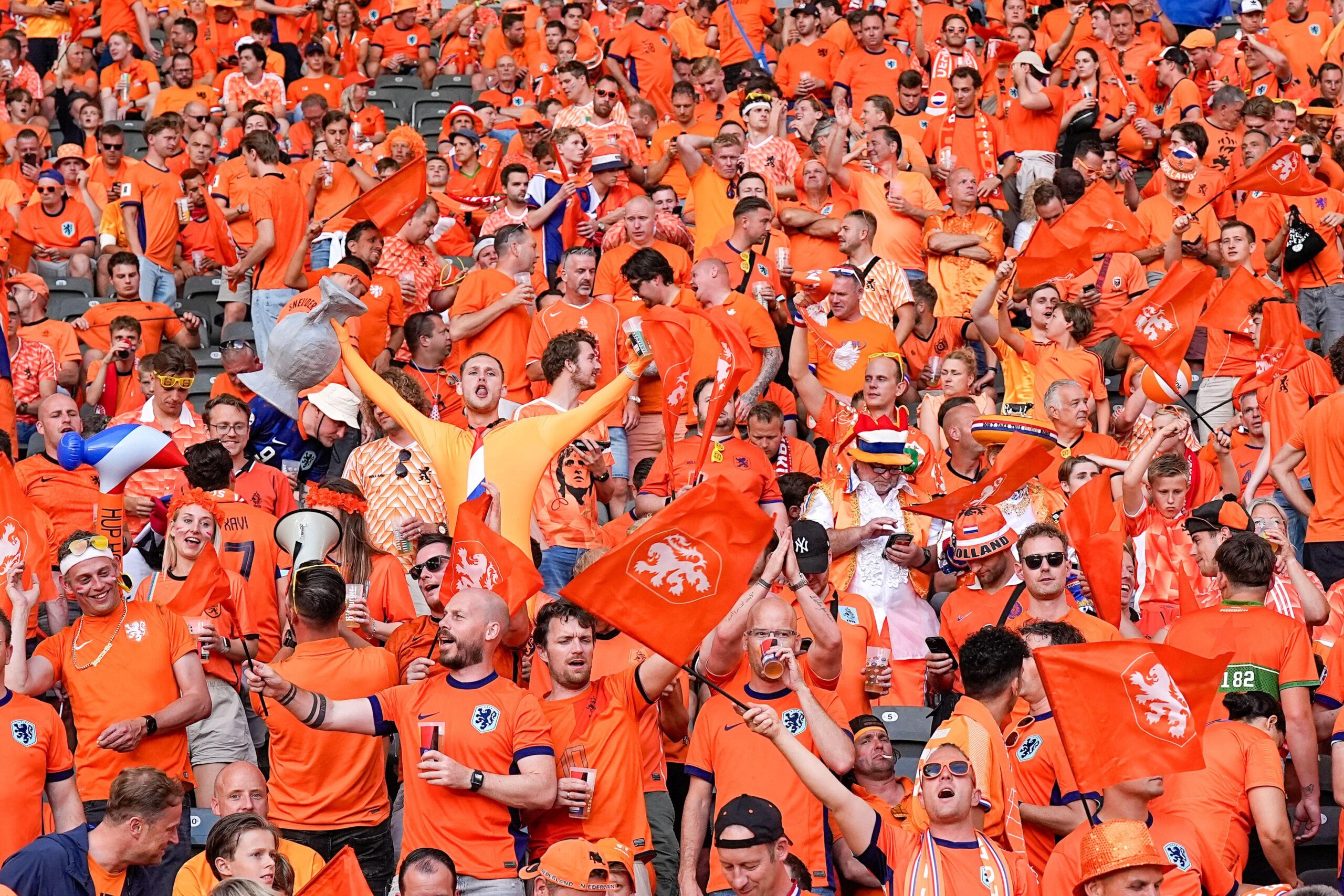
The title “Orange Wall” works because Dutch supporters are famous for turning stadiums into orange blocks of colour.
But this match will not belong to orange alone.
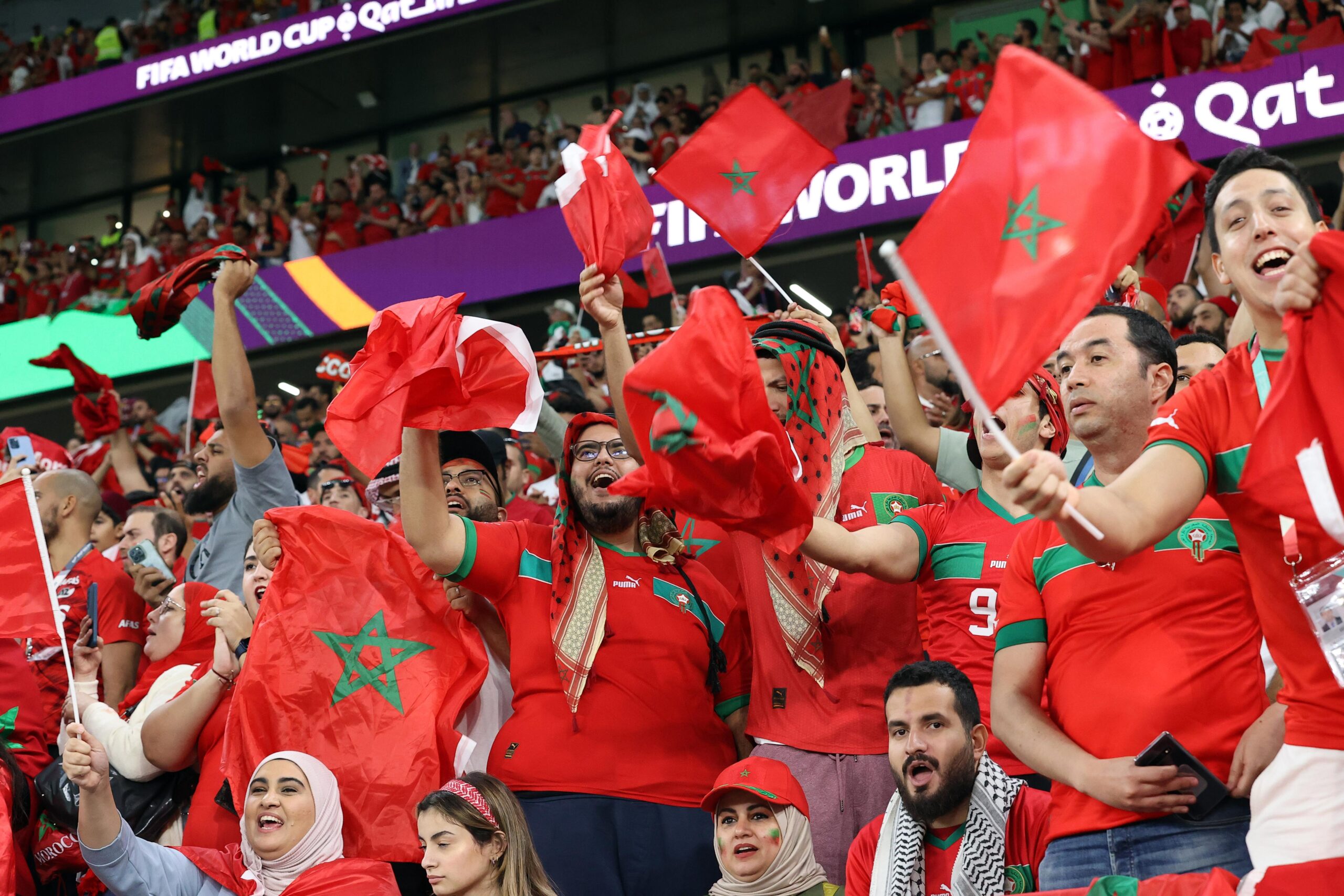
Moroccan fans have become one of the loudest forces in recent World Cups. They travel, sing, wave flags and create the kind of atmosphere that can change the feeling of a stadium.
This match could therefore become one of the strongest fan nights of the tournament.
Orange on one side.
Red and green on the other.
And across the stands, homes and cafés, thousands of people who understand both worlds.
That is what turns the fixture into a diaspora supermatch.
The Diaspora Factor
For Dutch-Moroccans, Morocco vs Netherlands is rarely neutral.
Some will wear Morocco shirts because of family roots. Some will support the Netherlands because they grew up there. Others will try to stay balanced until the first whistle makes neutrality impossible.
The same living room may have two flags.
The same family chat may split into jokes, nerves and debate.
The same café may cheer both national anthems, then choose a side once the ball starts moving.
That is the human angle that makes this match powerful.
Football becomes a mirror for migration, belonging and identity.
Morocco’s New Status
Morocco are no longer viewed as a surprise package.
The 2022 World Cup changed that.
Wins over Spain and Portugal, followed by a semi-final appearance, gave the Atlas Lions a new global reputation. They became the first African team to reach a World Cup semi-final and forced the football world to take Moroccan football seriously.
That status now follows them into 2026.
The Netherlands will not underestimate Morocco. Nobody can.
The question is whether Morocco can turn their emotional energy and recent tournament credibility into another knockout performance.
Dutch Pressure Is Different
The Netherlands also carry their own burden.
Few football nations have produced as much talent without winning the World Cup. Dutch teams have reached finals, produced legendary players and shaped modern football, but the trophy has never arrived.
That history creates pressure.
Against Morocco, the Dutch will be expected to control the game and move on. But expectation can become heavy, especially against a team that thrives when opponents feel the weight of the occasion.
Morocco know how to make big teams uncomfortable.
They built a 2022 run on exactly that.
Key Tactical Battle
The match could be decided in midfield.
The Netherlands will try to control rhythm, pass through pressure and force Morocco to defend for long spells.
Morocco will look for intensity, quick transitions and wide attacks, especially through Achraf Hakimi’s side.
If Morocco allow the Dutch to settle, the match could become a long defensive exercise.
If Morocco press intelligently and break quickly, they can turn the fixture into the kind of tense, emotional contest that suits them.
The first 20 minutes may be crucial.
Morocco cannot afford another hesitant start.
Hakimi’s Role
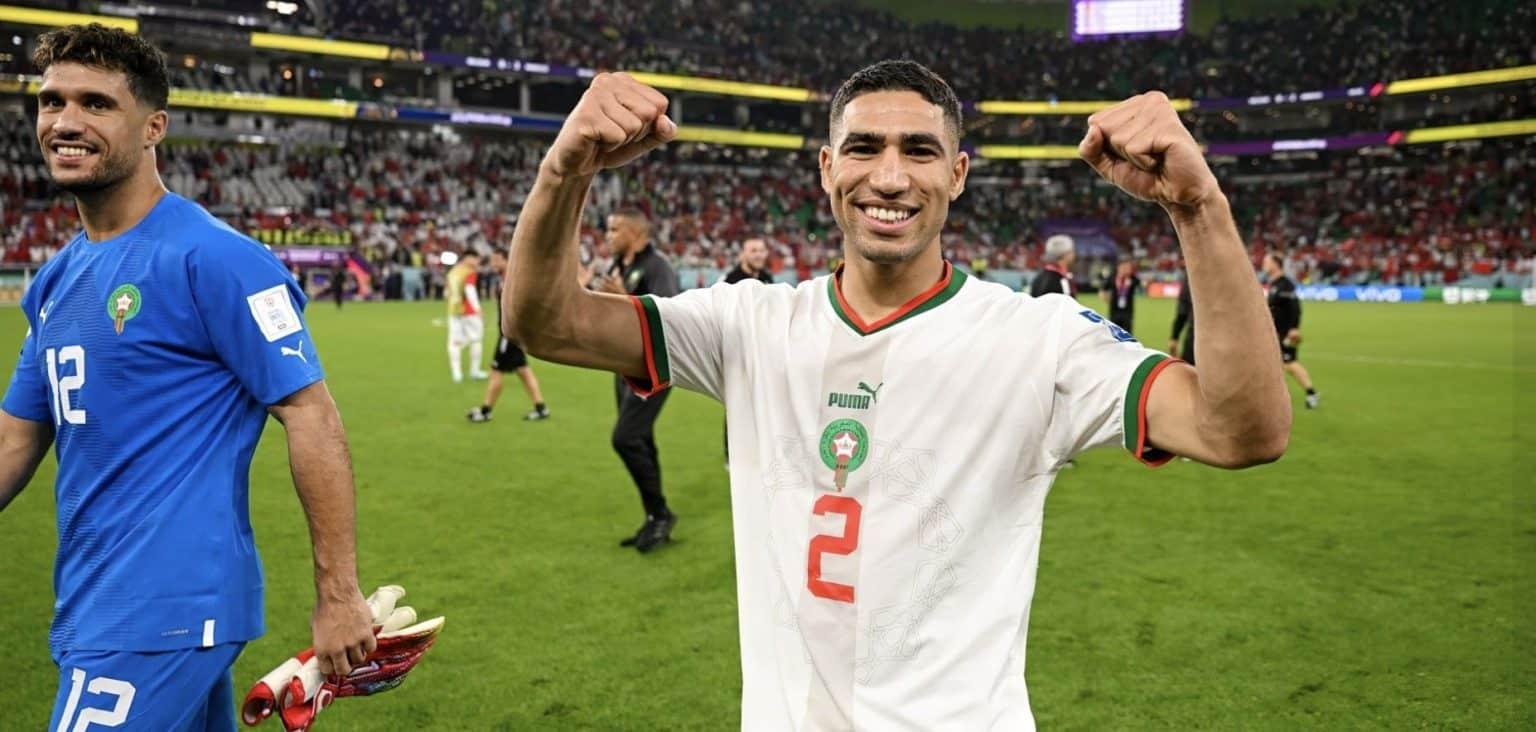
Achraf Hakimi remains Morocco’s most important global star and emotional leader.
He scored against Haiti and helped drag Morocco back into a match that could have become dangerous. Against the Netherlands, his right flank will again be central.
Hakimi gives Morocco speed, width, crossing quality and leadership. He also gives the team a player capable of producing a decisive moment in a tight match.
In knockout football, that matters.
Big games often turn on one run, one cross, one tackle or one penalty-box action.
Hakimi is one of Morocco’s players who can create that moment.
Saibari’s European Link
Ismael Saibari adds another layer to the story.
He has been one of Morocco’s standout attacking players in the tournament and scored against Haiti. His European football journey also gives the match an added personal dimension, with his club career linked to the Netherlands.
That matters because Morocco’s modern team is deeply connected to the diaspora.
Many players carry European football development with Moroccan national identity. This match against the Netherlands brings that reality into sharp focus.
Morocco’s strength is not only domestic talent. It is a global Moroccan football network.
The Knockout Reality
The group stage allowed calculation.
The knockout stage removes it.
There is no table to check after this match. No third fixture. No chance to repair the damage later.
The winner advances.
The loser leaves.
That changes how every mistake feels.
Morocco’s comeback against Haiti created excitement, but the Netherlands will demand more control. The Atlas Lions need sharper defending, cleaner passing and a calmer opening phase.
Emotion can lift a team.
But structure keeps it alive.
Why This Match Will Travel
This fixture has everything a viral World Cup story needs.
A major knockout stage.
Two football nations with strong identities.
A huge Moroccan diaspora in the Netherlands.
Orange shirts against Moroccan red.
Family tension.
Café debates.
Social media clips.
A clear emotional hook.
That is why the story will travel far beyond Morocco and the Netherlands. It will be watched across Belgium, France, Spain, Germany, Canada, the United States and the Gulf, wherever Moroccan communities follow the Atlas Lions.
It is not only a match preview.
It is a global community story.
The Bottom Line
Morocco vs Netherlands is one of the most compelling ties of the Last 32 because it sits at the intersection of sport, identity and pressure.
The Netherlands bring control, structure and the expectation of a group winner.
Morocco bring momentum, resilience and the emotional force of a team that has already changed its global reputation.
For Dutch-Moroccan fans, the match carries something even more personal.
It is the country of daily life against the country of family roots.
That is why the Orange Wall will not be just orange.
It will be mixed with Moroccan red, split loyalties and a kind of football emotion only the World Cup can create.
Category: Sport