
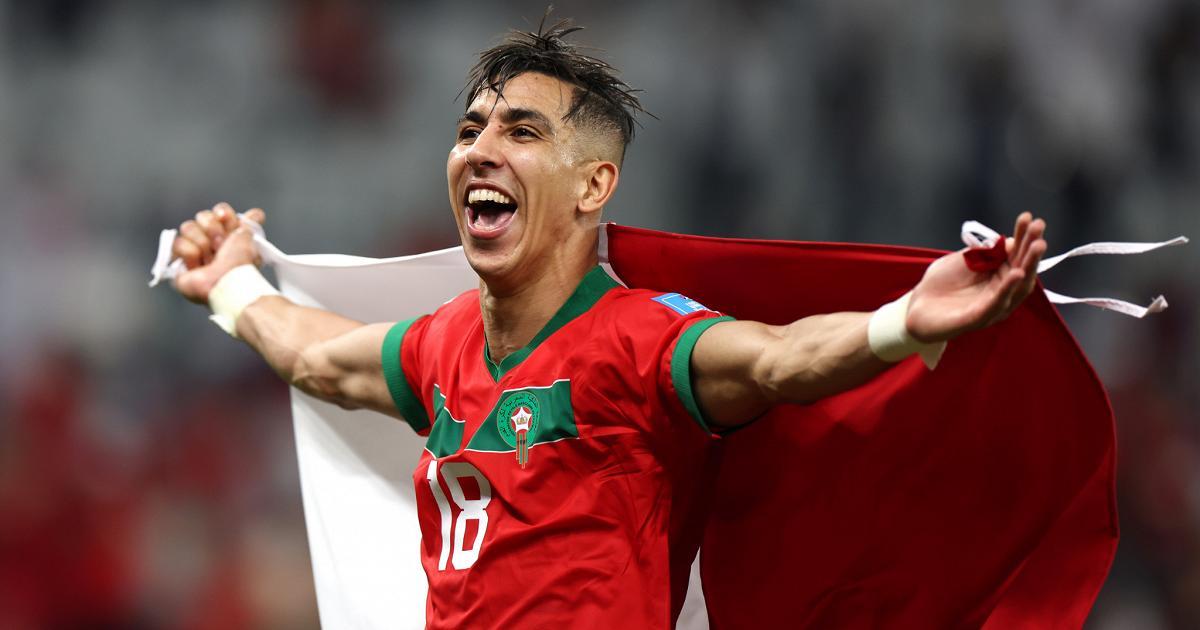
Morocco’s World Cup run has now become a money story as well as a football story.
The Atlas Lions have secured $11 million in FIFA prize money after reaching the Round of 32, adding a major financial reward to their dramatic qualification before a high-profile knockout clash with the Netherlands.
The amount is not just a bonus figure.
It reflects Morocco’s growing status in world football, the commercial value of tournament progress and the rising financial stakes of the expanded 48-team World Cup.
Morocco are still chasing glory on the pitch.
But the federation has already unlocked a serious payday.
The Prize Is Now Secured
Morocco’s qualification for the Round of 32 guarantees the team $11 million in FIFA performance prize money.
That figure applies to teams finishing between 17th and 32nd place in the 2026 World Cup structure.
For the Atlas Lions, the money follows a strong group-stage campaign in Group C.
Morocco drew 1-1 with Brazil, beat Scotland 1-0 and defeated Haiti 4-2 in a chaotic comeback win in Atlanta.
That gave Morocco seven points, enough to finish second behind Brazil on goal difference and book a knockout tie against the Netherlands.
The sporting reward is a Last-32 place.
The financial reward is now part of the story too.
Why This Matters
Prize money does not decide a World Cup dream.
Goals do.
But money matters in modern football because tournament success funds the next cycle.
Federations use World Cup revenue for bonuses, travel, staff, logistics, development, youth programmes, women’s football, training centres and future preparation.
The exact internal distribution depends on each federation’s policy, but the FIFA payment itself is a major injection.
For Morocco, $11 million strengthens the idea that World Cup progress is not only emotional.
It is institutional.
The deeper the team goes, the more valuable the campaign becomes.
A Bigger World Cup, A Bigger Prize Pool
The 2026 World Cup is the first edition with 48 teams.
That expansion changed the format and increased the number of knockout places, but it also raised the commercial scale of the tournament.
FIFA’s prize distribution for 2026 is at record levels, with performance-based payments rising as teams move through the bracket.
The Round of 32 is now a financial threshold.
Fail in the group stage, and the payout is lower.
Reach the knockout stage, and the payment rises.
Morocco have crossed that line.
That is why the Haiti comeback mattered financially as well as emotionally.
The Haiti Win Paid Twice
Morocco’s 4-2 win over Haiti was messy, dramatic and stressful.
Haiti led twice.
Morocco came back twice.
Achraf Hakimi, Ismael Saibari, Soufiane Rahimi and Yassine Gessime all scored as the Atlas Lions turned a dangerous night into a qualification moment.
That victory paid twice.
It sent Morocco into the Round of 32.
It also pushed the team into the $11 million prize bracket.
A single World Cup match can change a tournament.
It can also change the financial return attached to that tournament.
The Netherlands Clash Raises The Stakes
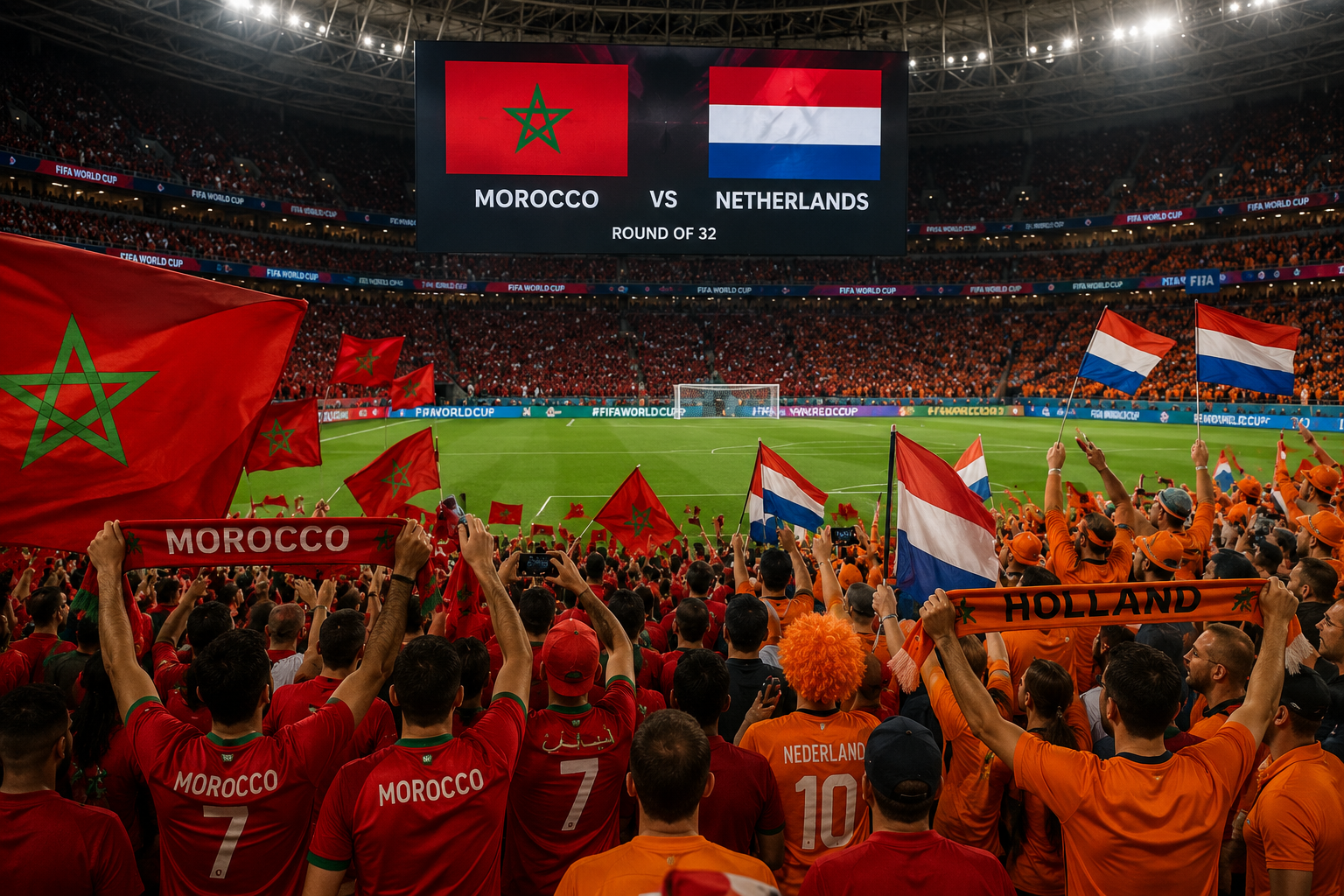
Morocco now face the Netherlands in the Round of 32.
That match carries sporting pressure, diaspora emotion and global attention.
It also carries financial upside.
If Morocco beat the Dutch and reach the Round of 16, the prize money would rise again under FIFA’s performance structure.
That creates a simple equation.
Every extra round means more exposure, more prestige and more money.
The Netherlands match is therefore not only a knockout test.
It is a financial opportunity.
Morocco’s Football Brand Is Growing
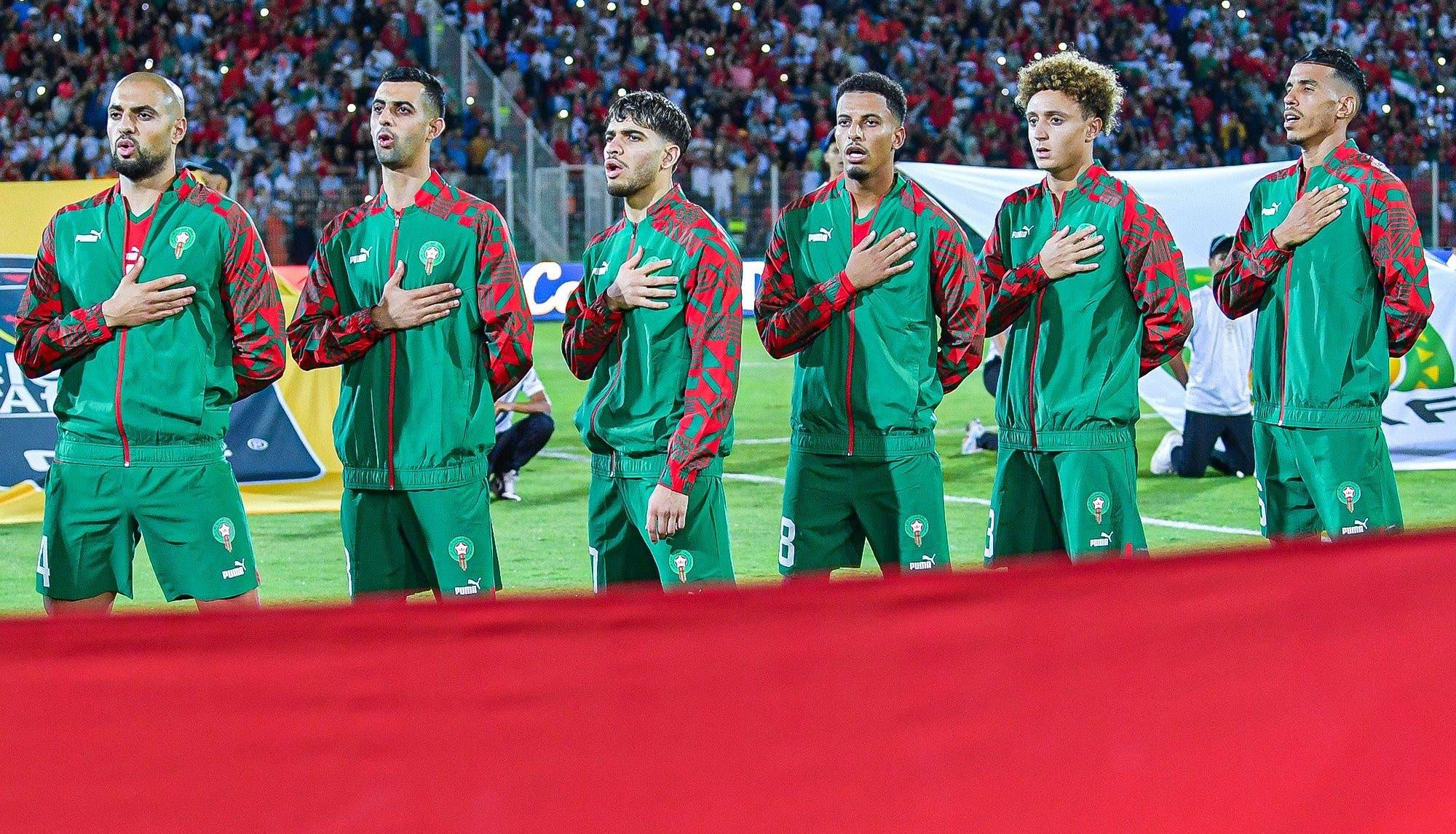
Morocco’s football brand has changed since 2022.
The semi-final run in Qatar made the Atlas Lions a global story. They beat Spain and Portugal, became the first African team to reach a World Cup semi-final and turned Moroccan football into one of the strongest identities in the game.
The 2026 campaign is testing whether that status can continue.
So far, Morocco have answered with results.
Seven group-stage points.
An unbeaten start.
A knockout place.
A major diaspora match against the Netherlands.
The prize money is a reflection of that sporting credibility.
Success Brings Commercial Value
World Cup progress also creates value outside FIFA payments.
More matches mean more broadcast attention.
More social media reach.
More sponsor visibility.
More shirt sales.
More fan engagement.
More international headlines.
A team that exits early disappears from the global conversation. A team that reaches the knockout stage stays in it.
For Morocco, that matters.
The Atlas Lions are not only playing for results. They are carrying one of Africa’s strongest football brands into the biggest sports market in the world.
The Federation’s Challenge
The Moroccan federation now has a different kind of responsibility.
Winning money is one step.
Using it well is another.
World Cup revenue can support short-term tournament costs, but the long-term value comes from reinvestment.
Youth academies.
Coaching development.
Data and scouting.
Women’s football.
Facilities.
Medical support.
Diaspora talent networks.
The best federations turn tournament income into future performance.
Morocco’s recent football rise gives it a strong platform. The question is how each new financial gain is converted into structure.
Players Create The Value
The money exists because the players delivered.
Hakimi’s equaliser against Haiti stopped panic.
Saibari’s goal kept Morocco alive.
Rahimi’s late strike changed the match.
Gessime’s finish sealed it.
Bounou, the defence, midfield and staff all carried the pressure of a group stage where every result mattered.
Prize money can sound corporate, but it begins with performance.
One tackle, one save, one goal and one recovery run can help unlock millions.
That is the hard edge of tournament football.
The Dutch Match Is Also A Market Moment
Morocco vs Netherlands is one of the most marketable Round of 32 ties.
The football is strong.
The diaspora angle is huge.
The colour contrast is perfect.
Orange against red.
Dutch control against Moroccan emotion.
European football tradition against Africa’s 2022 semi-finalist.
For broadcasters, publishers and platforms, this match has the ingredients of a major audience event.
For Morocco, that means even more exposure at the exact moment the tournament becomes global knockout theatre.
Knockout Football Changes The Economics
Group-stage matches guarantee presence.
Knockout matches create premium attention.
A Round of 32 match is sharper because there is no second chance.
Fans watch differently.
Media cover it differently.
Sponsors care more.
Every moment has higher value because elimination is immediate.
That makes Morocco’s next game bigger than anything in the group stage.
The team has already secured $11 million.
The next match can raise both the prize and the profile.
The African Football Signal
Morocco’s $11 million qualification reward also sends a broader signal for African football.
Strong World Cup performances matter financially.
They bring resources, credibility and visibility back into national systems.
Morocco already carried African pride in 2022. In 2026, the country is again showing that African teams can move through difficult groups and compete with major football nations.
The money is not the main achievement.
But it confirms that performance at global level brings tangible returns.
Fans See The Dream, Not The Invoice
For supporters, the $11 million figure is interesting but secondary.
Fans care about the Netherlands match.
They care about Hakimi.
They care about the red shirt.
They care about another knockout night.
They care about whether Morocco can create another historic run.
But behind the emotion, the financial story matters because it shows what success unlocks.
Every round gives fans a dream.
Every round gives the federation more resources.
Modern football runs on both.
The Risk Of Looking Past The Netherlands
The money headline is strong, but Morocco cannot afford distraction.
The Netherlands are a serious opponent.
They topped Group F, have strong tournament experience and will punish mistakes more ruthlessly than Haiti.
Morocco’s defensive lapses in the final group match must be corrected.
The Atlas Lions need sharper control, cleaner transitions and a stronger opening phase.
Prize money is already secured.
Progress is not.
The next reward must be won on the pitch.
The Bottom Line
Morocco’s World Cup run has unlocked $11 million before the Dutch clash, turning qualification into both a sporting and financial success.
The Atlas Lions earned the prize by reaching the Round of 32 after taking seven points in Group C and beating Haiti 4-2 in a dramatic comeback.
Now the Netherlands match offers the next test.
Win it, and Morocco’s tournament grows again: more prize money, more exposure, more belief and a deeper place in the knockout stage.
For now, the dream is alive.
And this time, the dream comes with a serious FIFA cheque.
Category: Sport