

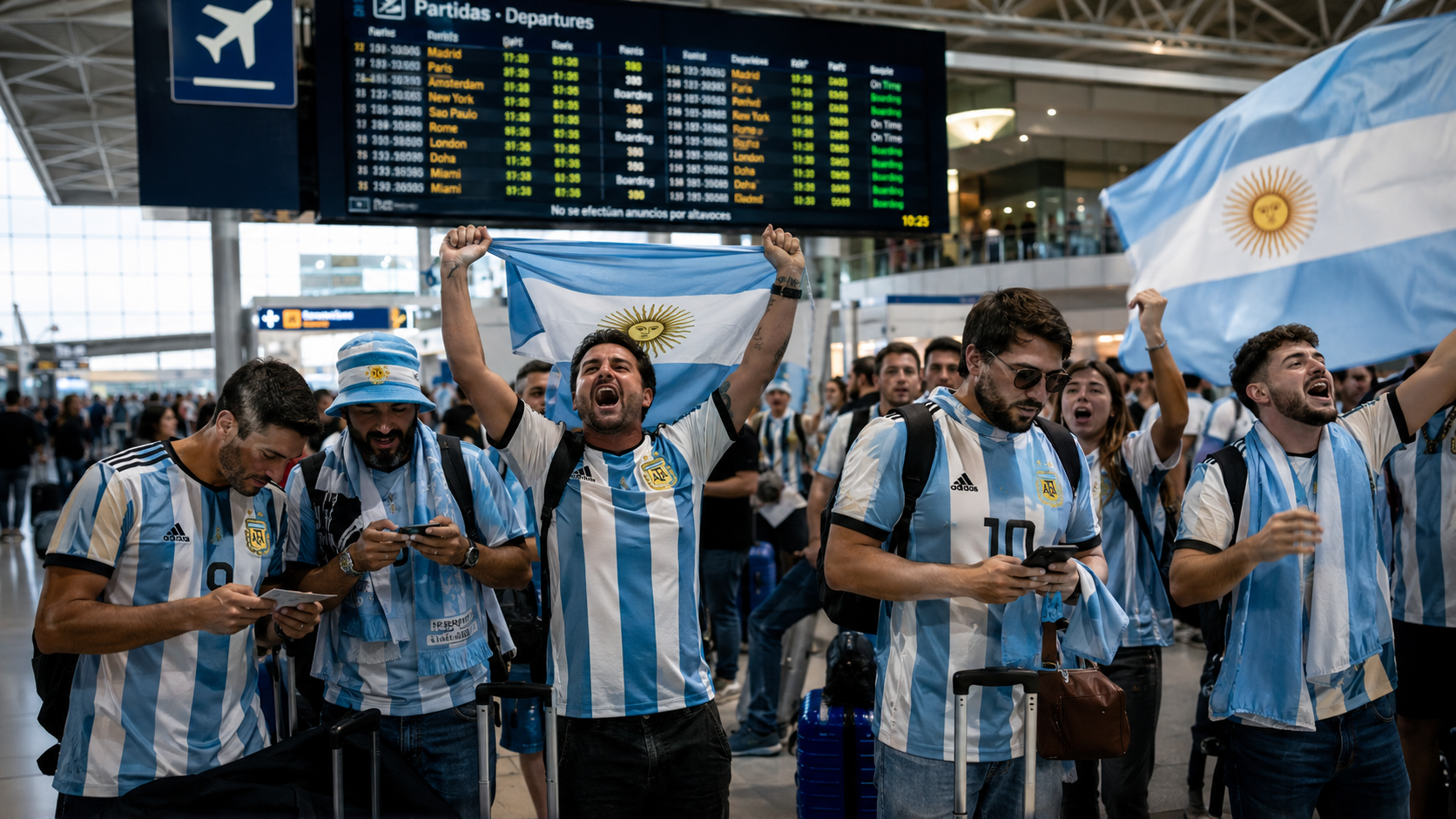
The Final Flight Scramble has begun.
Argentina and Spain are heading to the World Cup final, and the rush is no longer only about football. It is about flights, hotels, trains, shuttles, tickets, parking, fan zones and the reality of moving tens of thousands of emotional supporters into one of the most complex travel regions in America.
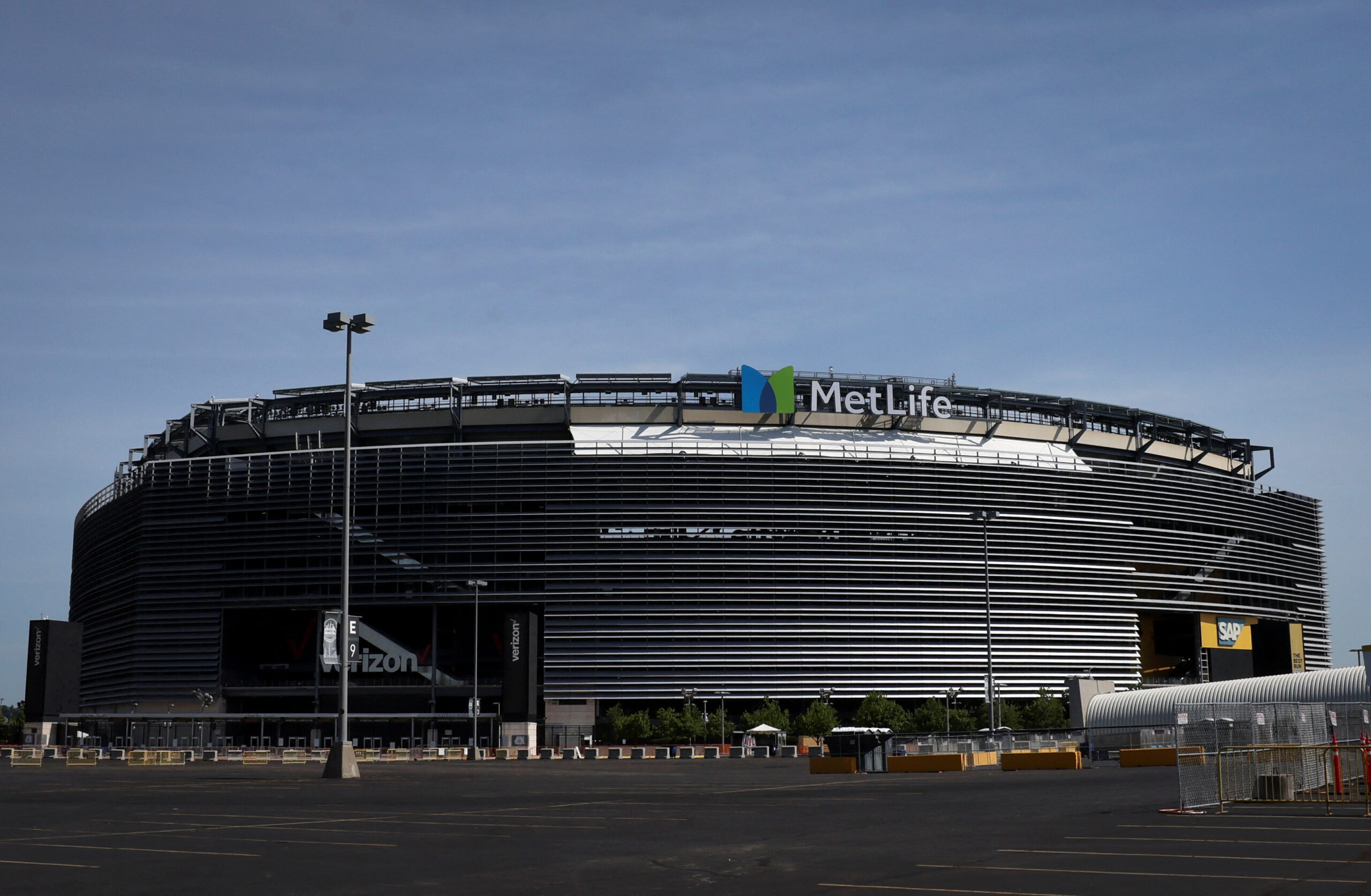
The match will be played at MetLife Stadium in East Rutherford, New Jersey.
But the journey starts much earlier.
For fans in Buenos Aires, Madrid, Barcelona, Miami, London, Mexico City, Tangier, Paris or anywhere else following the final, the real question is no longer only who wins.
It is whether they can get there at all.
Final Flight Scramble Turns Football Into Logistics
The Final Flight Scramble matters because a World Cup final creates sudden demand that ordinary travel systems are not designed to absorb smoothly.
Fans wait for the semifinal result.
Then they search flights.
Then prices move.
Then hotel rooms disappear.
Then airport routes become crowded.
Then transport to the stadium becomes the next problem.
This is not normal tourism. It is emotional travel, booked under pressure, with millions watching and thousands trying to make last-minute decisions at the same time.
Argentina’s late win over England and Spain’s victory over France have now created a final with massive global pull.
Two football nations.
One stadium.
A limited number of seats.
A very short booking window.
New York Sells The Dream, New Jersey Hosts The Reality
The final is marketed through the gravity of New York.
That is understandable.
New York has global recognition, luxury hotels, restaurants, airports, sponsors, media companies and the kind of image that turns a sporting final into a citywide event.
But the match is not in Times Square.
It is in New Jersey.
MetLife Stadium sits in East Rutherford, across the Hudson River, inside a region where transport depends on trains, highways, shuttles, security routes and carefully managed flows of people.
Reuters reported that getting fans to the New York/New Jersey stadium has become a logistical feat, with general parking banned at the stadium and fans relying on trains, shuttles, rideshares, walking routes and other complicated arrangements.
That is the hidden truth of the final.
The brand is New York.
The operation is New Jersey.
Flights Become The First Battle
For international supporters, the first challenge is the flight.
A World Cup final does not give fans months to plan. Many wait until their team qualifies before booking. That creates a sudden demand spike into the New York area, especially through JFK, LaGuardia and Newark Liberty.
Travel media have reported heavy pressure on the region’s airports, with Newark already operating under reduced flight caps and final-week travel expected to affect the wider New York-New Jersey system.
This matters because flight availability is only part of the issue.
A fan may find a seat but face a difficult price.
They may find a cheaper flight but arrive too late.
They may land at one airport while staying far from the stadium.
They may underestimate immigration lines, road traffic, hotel check-in times or post-match movement.
The ticket may say final.
The journey may feel like a marathon.
Argentina Fans Travel On Emotion
Argentina supporters bring a special intensity to tournament travel.
They follow with songs, flags, family stories, national memory and the feeling that Lionel Messi may be walking into one of the last World Cup stages of his life. That emotional pull can turn travel decisions into almost irrational commitments.
A normal traveller asks whether the price makes sense.
A final-chasing supporter asks whether they can live with missing the moment.
That is why Argentina’s presence changes the travel market.
Fans may accept longer routes, higher fares, shared rooms, overnight buses, distant hotels and complex transport simply to be near the final atmosphere.
For Argentina, this is not just a match.
It is a pilgrimage.
Spain Fans Create A Late Demand Wave
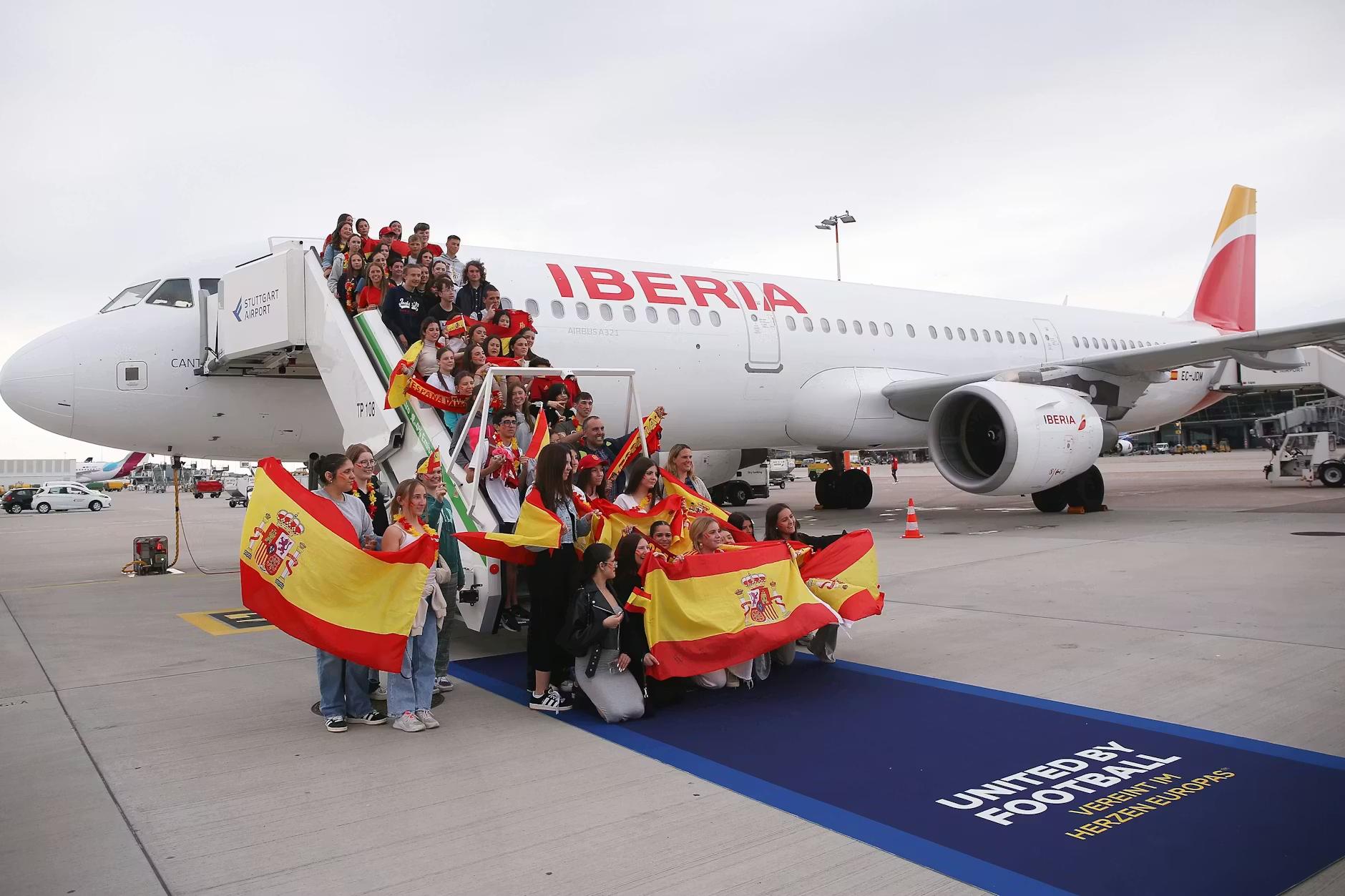
Spain’s qualification also triggered a European travel wave.
Travel industry reporting says interest in flights to New York surged sharply after Spain reached the final, with one report citing a massive jump in search traffic from Spanish fans looking at New York routes.
That is exactly how final-week demand behaves.
It does not build gradually.
It explodes after the semifinal.
Spanish fans now face the same calculation: pay premium prices, accept indirect routes, or watch from home. For many, the chance to see Spain return to the World Cup final is too rare to treat as an ordinary travel decision.
The final becomes bigger than cost.
It becomes memory.
The Stadium Seat Is Not The Only Expensive Seat
Fans often focus on match tickets, but the surrounding costs can be just as painful.
Flights.
Hotels.
Airport transfers.
Meals.
Local transport.
Fan events.
Merchandise.
Post-match movement.
A final ticket may be the emotional centre, but the travel bill is built around everything else. In the New York-New Jersey region, that bill can rise quickly because the area already has high baseline prices.
Reuters previously reported that round-trip train fares for New Jersey World Cup games were set far above normal levels, while shuttle options and parking restrictions were part of the congestion plan.
That means even fans who solve the ticket problem still face the access problem.
The final is not only a seat inside the stadium.
It is a chain of payments required to reach it.
Transport To MetLife Becomes The Stress Test
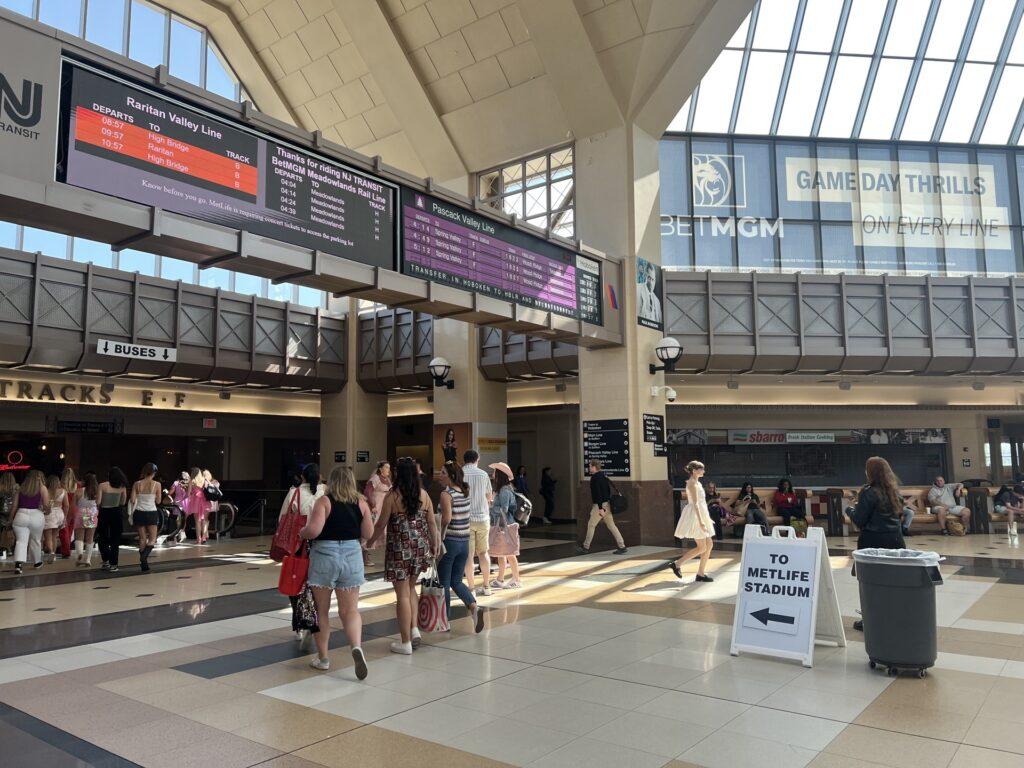
The journey to MetLife Stadium may become one of the biggest practical tests of the final.
General parking restrictions mean many fans cannot simply drive to the stadium and walk in. Reuters has reported that fans have been using a mix of rental cars, private cabs, public transit and walking to reach World Cup venues, and that the New York/New Jersey stadium presents a particularly complicated access challenge.
That creates uncertainty.
International fans may not understand the difference between staying in Manhattan, staying near Newark, staying near the stadium or staying in another part of New Jersey.
A hotel may look close on a map but become difficult on match day.
A train plan may seem simple until crowds arrive.
A rideshare may appear easy until roads close and surge pricing hits.
For fans, the final journey may be decided as much by logistics as by budget.
Hotels Become A Second Ticket Market
Hotels are now part of the final economy.
A room close to Manhattan gives access to restaurants, nightlife, media events and fan zones. A room in New Jersey may offer better proximity to the stadium. A room farther away may be cheaper but create transport risk.
Every choice involves trade-offs.
For wealthy fans, the solution is simple: pay more and reduce uncertainty.
For ordinary fans, the decision is harder. They may split rooms, stay outside the city, accept longer commutes or look for late cancellations.
That creates a two-tier final experience.
Some fans arrive through private cars, hospitality suites and premium hotels.
Others fight through airports, packed trains and expensive basic rooms.
The final belongs to the world, but access is still priced by the market.
New Jersey’s Security Plan Shapes The Fan Experience
Security will shape the entire day.
A World Cup final involving Argentina and Spain carries massive international attention, celebrity presence, political sensitivity and emotional fan culture. Authorities must manage crowd movement, transport routes, stadium screening, emergency access and post-match dispersal.
That affects everything.
Roads close.
Queues form.
Arrival times move earlier.
Bags are restricted.
Fans are told to plan routes carefully.
The final is not only a sporting event. It is a security operation with a football match inside it.
For travellers, the safest strategy is simple: arrive early, travel light, know the route and avoid assuming that normal New York-New Jersey movement will apply.
The Final Creates A Regional Ripple
The pressure does not stop at MetLife.
Airports feel it.
Hotels feel it.
Restaurants feel it.
Bars feel it.
Transit systems feel it.
Police feel it.
Rideshare platforms feel it.
Even travellers with no interest in football may feel the ripple through airport congestion, higher hotel rates or heavier traffic.
TravelPirates warned that even people not attending the match should expect the final to affect travel across the region, including pressure at major airports and possible extra delays.
That is the scale of a World Cup final.
It becomes a regional weather system made of people.
Fans Are Buying Atmosphere, Not Only Access
Not every travelling fan will enter the stadium.
Some will fly simply to be in the city, join fan gatherings, watch in bars, sing with other supporters and experience the final atmosphere near the event.
That matters because demand is larger than stadium capacity.
A final with 82,000-plus seats can still attract many more people to the host region. TalkSport notes MetLife Stadium’s capacity at around 82,500, but the surrounding fan economy is much bigger than the stadium itself.
This is why restaurants, public squares, hotels and fan zones become essential.
A World Cup final does not only sell a match.
It sells proximity to history.
The Broadcast Is Easier Than The Journey
For most fans, watching from home will be the rational choice.
The broadcast is cheaper.
The view may be better.
There is no immigration line, no hotel bill, no return flight, no shuttle queue and no transport confusion after the final whistle.
But sport is not built only on rational choices.
The people racing to New Jersey are buying something the broadcast cannot provide: the sound outside the stadium, the flags in the streets, the nervous walk to the gate, the feeling that they were physically present when history happened.
That is why the scramble exists.
The final is not only content.
It is belonging.
The Bottom Line
The Final Flight Scramble shows how quickly a World Cup final turns football emotion into a travel economy.
With Argentina and Spain heading to MetLife Stadium in New Jersey, fans are racing for flights, hotel rooms, tickets, transport routes and any possible way to be near the final. But the New York-New Jersey region brings a difficult reality: expensive access, limited stadium parking, complex transit, airport pressure and a short booking window.
The match will decide the world champion.
The week before it will decide who can actually get close enough to see it.
For thousands of fans, the final has already started.
Not on the pitch.
At the airport.