
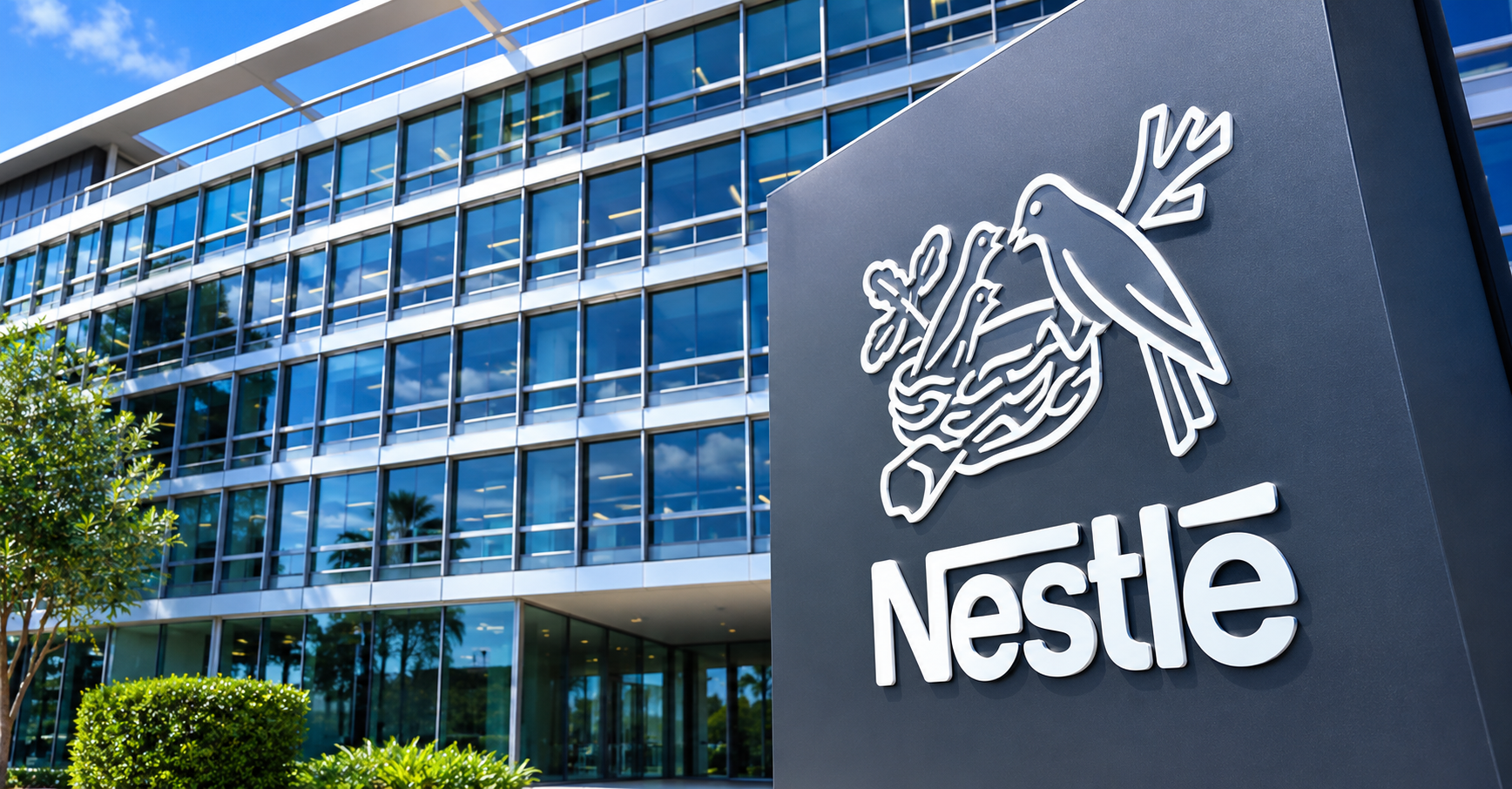
More than MAD 630 million in historical investment, an El Jadida manufacturing base and a distribution network reaching 85,000 outlets in 2022 illustrate Nestlé Maroc's industrial presence. Behind Nescafé and Nido lies a business connecting Moroccan dairy farms, coffee processing and regional food markets.
CASABLANCA —Moroccan dairy farmers and internationally sourced green coffee beans feed two distinct production activities at Nestlé's El Jadida factory, where the food manufacturer produces goods sold under its Nido and Nescafé brands.
The facility illustrates the industrial infrastructure supporting Nestlé's consumer goods business in Morocco, combining domestic agricultural sourcing with imported raw materials, manufacturing expertise and commercial distribution.
Nestlé reported more than MAD 630 million in Moroccan investment over the decade preceding 2022, alongside a distribution network reaching approximately 85,000 retail and other customer outlets at that time.
For the Swiss food group, whose products first entered Morocco in 1927, local manufacturing has become an important part of its regional operations.
From Nescafé and Nido to Moroccan Manufacturing
Nestlé established its El Jadida manufacturing facility in 1992, creating a local production base for soluble coffee and milk-based products.
The factory manufactures Nescafé coffee products and Nido milk powders, serving Moroccan consumers and selected regional markets.
In 2022, the company celebrated three decades of production at the site, highlighting its investments in manufacturing, quality management and employee development.
At the time, Nestlé reported more than 420 employees in Morocco, including 187 at El Jadida, as well as approximately 7,500 indirect jobs supported.
Those figures describe its historical workforce and economic footprint, not independently verified employment levels in 2026.
The factory also plays a role in regional trade.
According to Nestlé's 2022 announcement, approximately 80% of coffee products manufactured at El Jadida were exported to markets including Algeria, Tunisia and Egypt.
That historical export share illustrates the facility's regional manufacturing role but does not establish its current production or shipment volumes.
MAD 630 Million in Investment and Nationwide Distribution
Nestlé's industrial footprint is supported by a commercial network serving different categories of consumer demand.
In 2022, the company reported working with approximately 70 distribution partners to reach 85,000 outlets, including neighbourhood shops, pharmacies and food-service businesses.
The network supports products across coffee, dairy, breakfast cereals and specialised nutrition, with Nescafé and Nido among the company's established Moroccan brands.
Different categories require distinct commercial approaches.
Coffee products depend on broad retail accessibility and regular replenishment, while specialised nutritional products serve customers with different purchasing requirements.
Combining multiple categories allows Nestlé to work across several distribution channels, although individual brands retain different product and commercial characteristics.
The company's historical investment programme has supported both domestic supply and products manufactured for regional markets.
However, publicly available disclosures do not establish how its retail network, investment totals or Moroccan brand-level sales have evolved through November 2026.
Inside Nestlé's Moroccan Dairy and Coffee Supply Chain
Nestlé's production model connects two different agricultural supply chains.
For its milk-based products, the company has historically sourced more than 60,000 tonnes of fresh milk annually from over 6,000 farms in the Doukkala region.
Its Model Village programme has provided participating farmers with technical support focused on milk quality, agricultural practices and resource management.
For soluble coffee, the El Jadida facility uses imported green coffee beans, connecting local manufacturing with international agricultural sourcing.
The distinction highlights the different procurement requirements behind two familiar consumer brands.
Nestlé has also invested in energy infrastructure at the factory.
A solar installation inaugurated in 2021 comprises approximately 2,600 photovoltaic panels across 7,000 square metres, with announced annual electricity generation of 1.7 GWh.
These initiatives connect manufacturing operations with agricultural suppliers and energy management, although their current financial contribution has not been separately established.
Nestlé Maroc's industrial significance extends beyond the brands consumers recognise. It lies in the supply chain connecting Moroccan dairy farmers, coffee processing, manufacturing expertise and nationwide retail distribution.