
Luxury fashion is changing its language. The old message was loud. Big logos, obvious bags, instant recognition. A look that said money before the person even spoke.
But in 2026, the luxury market is more complicated. Shoppers are more careful. Prices are higher. China is no longer the easy growth machine it once was. Younger buyers are harder to convince. And the richest clients are looking for something more subtle than a logo wall. Luxury is still selling status. But the status is becoming quieter.
Luxury Is Recovering, But Not Like Before
The luxury industry is not dead. It is adjusting. Bain expects global personal luxury goods sales to grow by around 2% to 4% in 2026, helped by stronger demand in the United States and signs of recovery after a difficult period. That sounds positive. But the bigger warning is underneath. The sector has lost about 70 million customers since 2022, according to Bain. That means many aspirational shoppers have stepped back after years of price increases, inflation and economic pressure. Luxury brands can still sell to the very rich. The harder question is whether they can keep the next layer of customers interested.
Loud Logos Have A Trust Problem
A logo used to be the shortcut. It told people the bag was expensive, the shoes were designer, the wearer belonged to a certain class of consumer. But when prices rise too fast, the logo can start to feel less like status and more like a bill. That is the problem. Some customers no longer want to pay more just to advertise a brand. They want quality, cut, fabric, rarity and design that feels worth the money. Quiet luxury answers that mood. It does not remove status. It makes status harder to read.
Quiet Power Is The New Flex
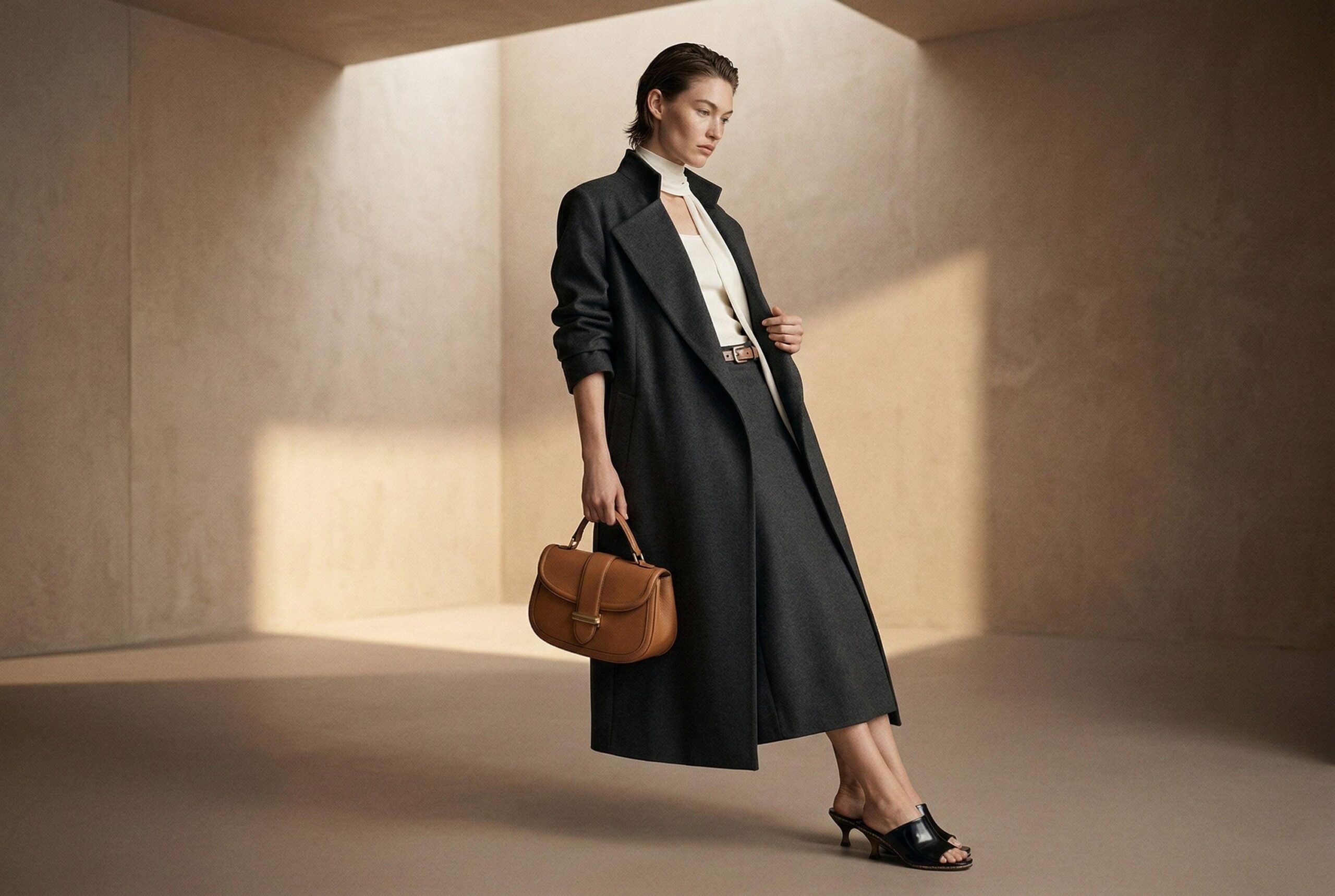
Quiet luxury is not cheap. It is often more expensive because it depends on materials, tailoring and construction rather than obvious branding. The message is different: a cashmere coat, a perfect leather bag, a sharp blazer, a plain dress with serious structure, a shoe that only people inside fashion immediately recognise. This kind of luxury does not shout. It signals confidence. That is why it works in a market where the richest consumers still have money, but many do not want to look desperate for attention.
Fashion Houses Are Resetting The Mood
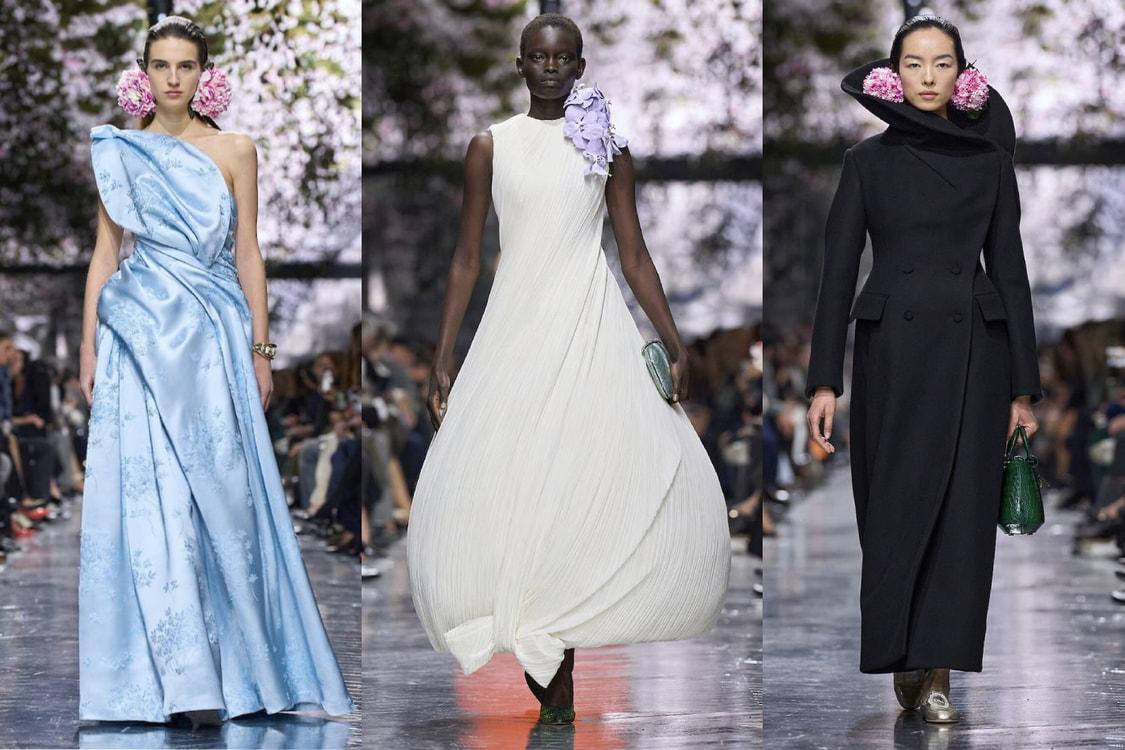
Major fashion houses are trying to restart desire. Balenciaga has entered a new chapter under Pierpaolo Piccioli, whose haute couture debut brought ballooning capes, cashmere coats, long gloves and dramatic evening shapes to Paris. That matters because Balenciaga had become heavily associated with streetwear and provocation under Demna. Piccioli’s arrival suggests a different direction. Less shock, more craft. Less meme, more couture. That is part of the wider luxury reset.
Dior Is Playing The Culture Game
Dior is also moving aggressively inside cultural moments. Reuters reported that Dior dressed Taylor Swift for what was described as the wedding commission of the decade, beating Chanel to one of the most visible celebrity fashion moments in years. That is not only fashion gossip. It is brand strategy. Taylor Swift brings global attention, young fans and massive social-media reach. For a luxury house, that kind of placement can create more emotional impact than a normal runway show. Luxury now needs both. The couture room. And the viral moment.
Armani Shows The Value Of Continuity
At Giorgio Armani Prive, the message is different. The brand is built on elegance, restraint and continuity. Its couture language does not need to chase every trend because the house already owns a clear visual identity. That is powerful in a confused market. When shoppers become more selective, brands with a stable code can look safer. A customer may not want fashion chaos. They may want something that feels permanent. That is exactly where Armani’s quiet authority still matters.
The Rich Are Still Spending Differently
The luxury market is splitting. At the very top, ultra-rich clients still buy couture, jewellery, private appointments and rare pieces. They are less affected by inflation and more interested in exclusivity. Below that level, aspirational shoppers are more cautious. They ask harder questions. Is this worth it? Will it last? Is the quality really better? Can I resell it? Does it still feel special if everyone has it? That is why visible logo luxury is under pressure. When the price becomes extreme, the product has to justify itself beyond the badge.
Craft Is Becoming A Sales Argument Again
For years, marketing could carry a lot of the luxury story. Now craft is becoming important again. Embroidery, leather work, tailoring, rare fabric, hand finishing, couture construction. These details help brands defend high prices because they show real value, not just image value. That is why haute couture still matters, even if very few people buy it. Couture is not only a sales line. It is a proof of skill. It tells the world that the house can still make things nobody else can make.
The Celebrity Strategy Has Changed
Celebrity fashion used to be about red carpets. Now it is about full cultural ownership. A wedding, a tour, a viral airport look, a court-side appearance, a private dinner photo, a Cannes arrival, a football final. A luxury brand wants to appear inside the moments people already discuss. That is why Dior dressing Taylor Swift matters. That is why Chanel, Gucci, Louis Vuitton, Balenciaga and Saint Laurent all fight for cultural placement. The runway creates the image. Celebrity gives it reach.
Younger Buyers Are Harder To Impress
Younger luxury consumers are not easy. They see everything. They compare prices. They know resale values. They watch TikTok reviews. They notice quality complaints. They can make a brand go viral for the wrong reason. That gives them more power than older luxury shoppers had. A brand cannot rely only on heritage. It must prove relevance without becoming cheap. That is a difficult balance. Too classic can feel boring. Too loud can feel desperate. Too expensive can feel insulting.
Morocco Understands Quiet Luxury Better Than It Thinks
For Moroccan readers, quiet luxury is not a foreign idea. Morocco already has a deep culture of craft. Leather, zellige, caftans, embroidery, woodwork, metalwork, perfume, hospitality, riads. Many Moroccan luxury codes are already based on detail, handwork and atmosphere rather than loud branding. That is why Morocco can fit naturally into the quiet luxury conversation. The challenge is packaging: turning craft into premium products, premium hotels, premium fashion, premium interiors and premium experiences without losing authenticity.
The Riad Is A Quiet Luxury Product
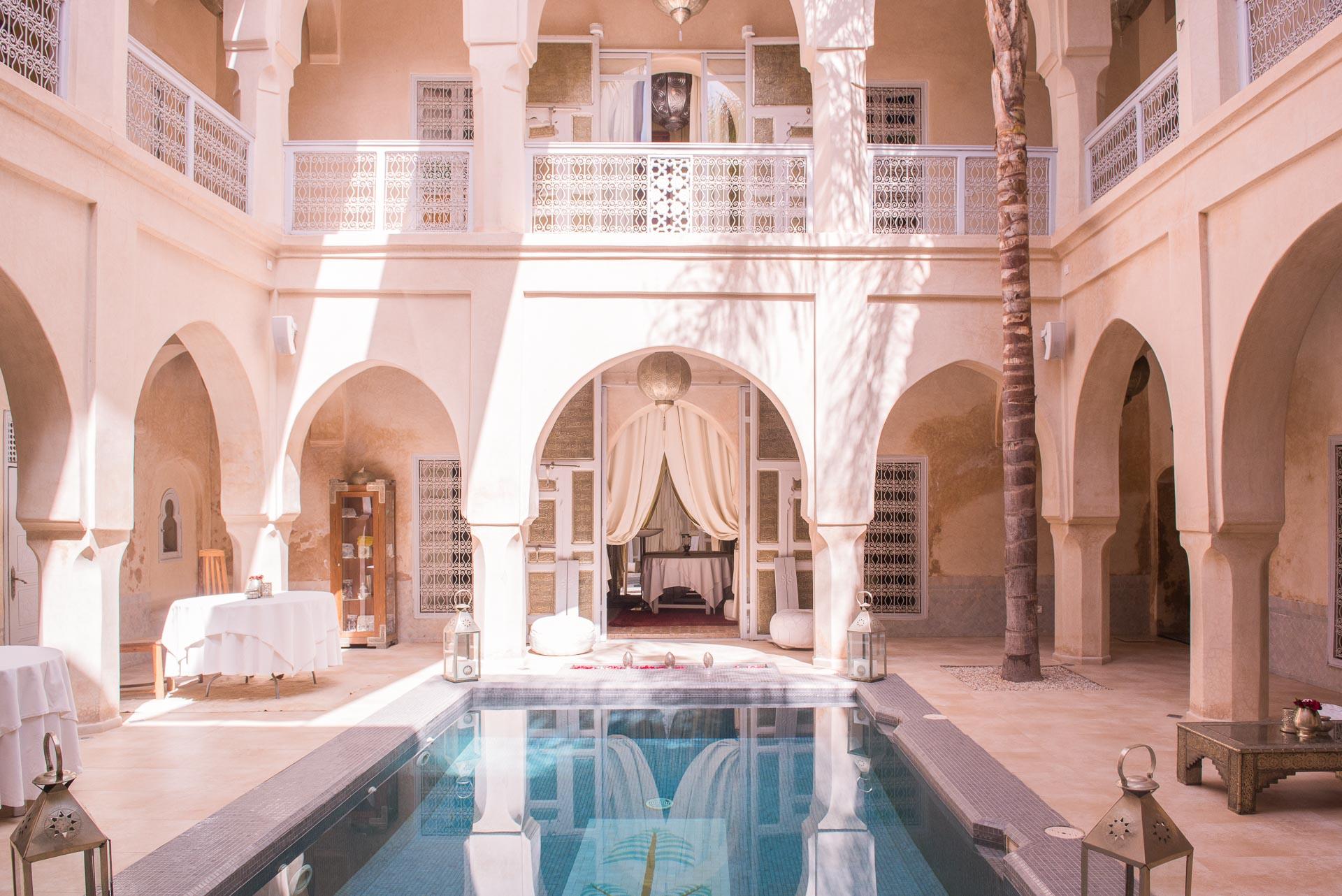
A beautiful Moroccan riad is almost the perfect example. It does not need a giant logo. It sells privacy, architecture, tiles, courtyard light, service, silence, tea, texture. That is quiet luxury. It is not about shouting wealth. It is about creating a feeling that money alone cannot easily copy. This is why Morocco’s lifestyle and tourism sectors should pay attention to the global fashion shift. The same mood shaping handbags and couture is also shaping hotels, restaurants, homes and travel.
Loud Luxury Is Not Gone
This does not mean loud luxury is finished. There will always be buyers who want big logos, statement bags, visible jewellery and strong brand signals. Fashion moves in cycles. Loudness can return quickly when confidence rises. But right now, the market is more selective. The customer wants a stronger reason to spend. That gives quiet power an advantage. It feels more durable. More adult. More resistant to trend fatigue.
The Bottom Line
Luxury fashion is moving into a more careful phase. The market may grow by 2% to 4% in 2026, but the loss of about 70 million customers since 2022 shows that brands cannot rely on easy demand anymore. Big houses are responding with new designers, couture resets, celebrity moments and more emphasis on craft. The message is clear. Luxury still wants status. But the strongest status in 2026 may not be the loudest logo. It may be the piece that looks simple, feels expensive and only reveals its power to people who know.