
With an established manufacturing base in Casablanca, familiar Moroccan biscuit brands and a new regional managing director, Mondelēz International is building on its consumer goods operations across North-West Africa.
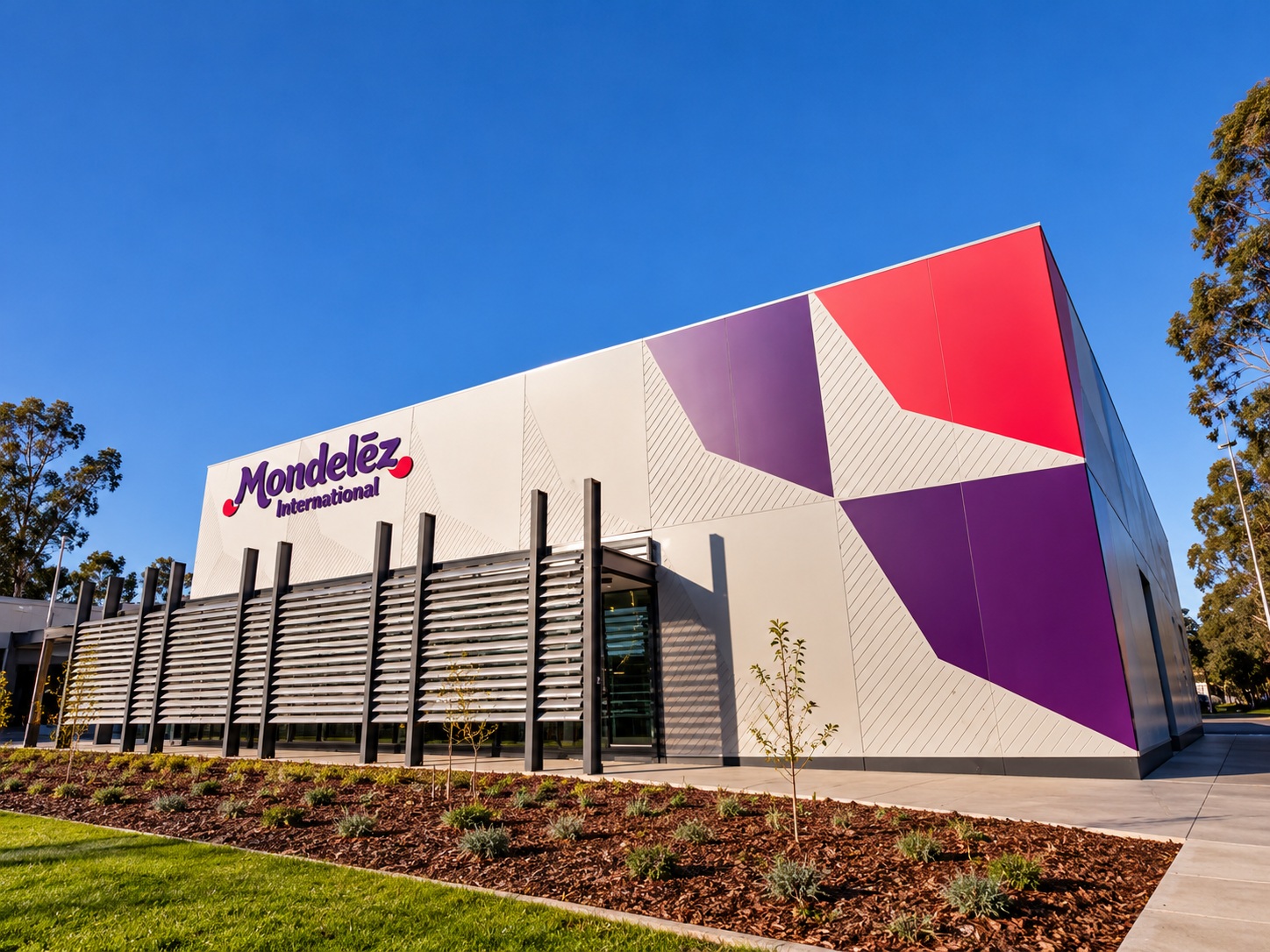
CASABLANCA —Behind some of Morocco's most familiar biscuits stands a manufacturing business operating two production sites and employing approximately 1,000 people, according to Mondelēz International.
From Merendina and Tonik to Tagger and Oreo, the group's Moroccan operations bring together established consumer products and international brands, supported by local manufacturing and retail distribution.
That portfolio gained recognition in the Love Brand Morocco 2026 ranking, where BIMO and Oreo jointly topped the snacking category.
The distinction comes during a leadership transition at Mondelēz.
Adyl Laraki became Managing Director for North-West Africa on 1 October 2026, taking responsibility for Morocco, Algeria, Tunisia and Mauritania from Casablanca.
His appointment places an executive with international consumer goods experience at the head of a four-country business that includes Mondelēz's established Moroccan biscuit operations.
Moroccan Biscuit Brands With International Backing
BIMO, originally Biscuiterie Industrielle du Moghreb, became a wholly owned Mondelēz business in 2013, when the multinational acquired the remaining ownership interest in the Moroccan biscuit producer.
The acquisition brought an established portfolio of local products into the international snacking group.
Brands such as Merendina, Tonik, Tagger, Tango and Golden remain part of its Moroccan offering, alongside Oreo.
Manufacturing is central to the company's local presence.
According to Mondelēz's official country profile, it operates two biscuit production facilities in Casablanca and employs about 1,000 people. The workforce figure is approximate, and the company does not specify when it was last updated.
In 2015, Mondelēz announced an investment of nearly $11 million to manufacture Oreo biscuits in Morocco.
The project included a production line designed to manufacture up to 900 million Oreo biscuits annually, according to the company's announcement at the time.
That figure represented planned production capacity in 2015, rather than verified current output.
The investment demonstrated how an international product could be manufactured within Morocco, alongside products developed for the domestic market.
Today, the company's established production facilities and brand portfolio provide a base for serving Moroccan consumers through different retail channels.
BIMO and Oreo Lead Morocco's Snacking Preference Ranking
The strength of the company's brand recognition was highlighted by the Love Brand Morocco 2026 survey, presented during Les Impériales Week in Casablanca.
BIMO and Oreo jointly secured first place in the snacking category, ahead of Kinder and Excelo.
The study involved 4,836 respondents across six Moroccan cities and used a quota-based methodology to assess consumer preferences.
Its results measure brand appreciation, not sales volumes or market share.
For Mondelēz, the distinction highlights the consumer familiarity of products that have remained present in Morocco's biscuit market over several decades.
The company has also continued adapting its marketing to changing consumer habits.
Merendina, one of BIMO's longstanding products, has featured in digital campaigns incorporating music and contemporary Moroccan culture to engage younger audiences.
These initiatives illustrate how established brands seek to remain relevant as purchasing habits and consumer expectations evolve.
For a biscuit manufacturer, commercial performance ultimately depends on the relationship between brand preference, affordability, product availability and distribution.
Adyl Laraki Takes Charge of Four North African Markets
Laraki's appointment establishes Casablanca as the management base for Mondelēz's North-West Africa operations.
Before joining the group, he held senior positions at Procter & Gamble across international markets and served as CEO Europe at OCP Nutricrops.
His new responsibilities cover four countries with different consumer preferences, distribution structures and commercial conditions.
The transition follows the tenure of Othmane Nadifi, who led Mondelēz's Moroccan business from October 2020 to September 2026 before moving to a senior leadership role covering the Gulf region.
Laraki inherits an established Moroccan manufacturing operation and a portfolio combining national and international brands.
The company's local industrial presence provides a foundation for its activities, although Mondelēz does not publish detailed standalone revenue or profitability figures for its Moroccan subsidiary.
That limits an independent assessment of recent financial performance.
Similarly, the Love Brand recognition demonstrates consumer preference within the surveyed population rather than confirmed growth in sales.
The challenge for the new regional management team will be to maintain the relevance of established products while developing commercial operations across the four markets.
With Casablanca serving as a regional management hub, Mondelēz's next challenge is to translate its Moroccan manufacturing base and established consumer brands into sustained growth across North-West Africa.