
Marcelle Monkam Siayojie is focusing on local merchants, delivery speed and smaller cities as the online marketplace seeks to strengthen its business in Morocco.
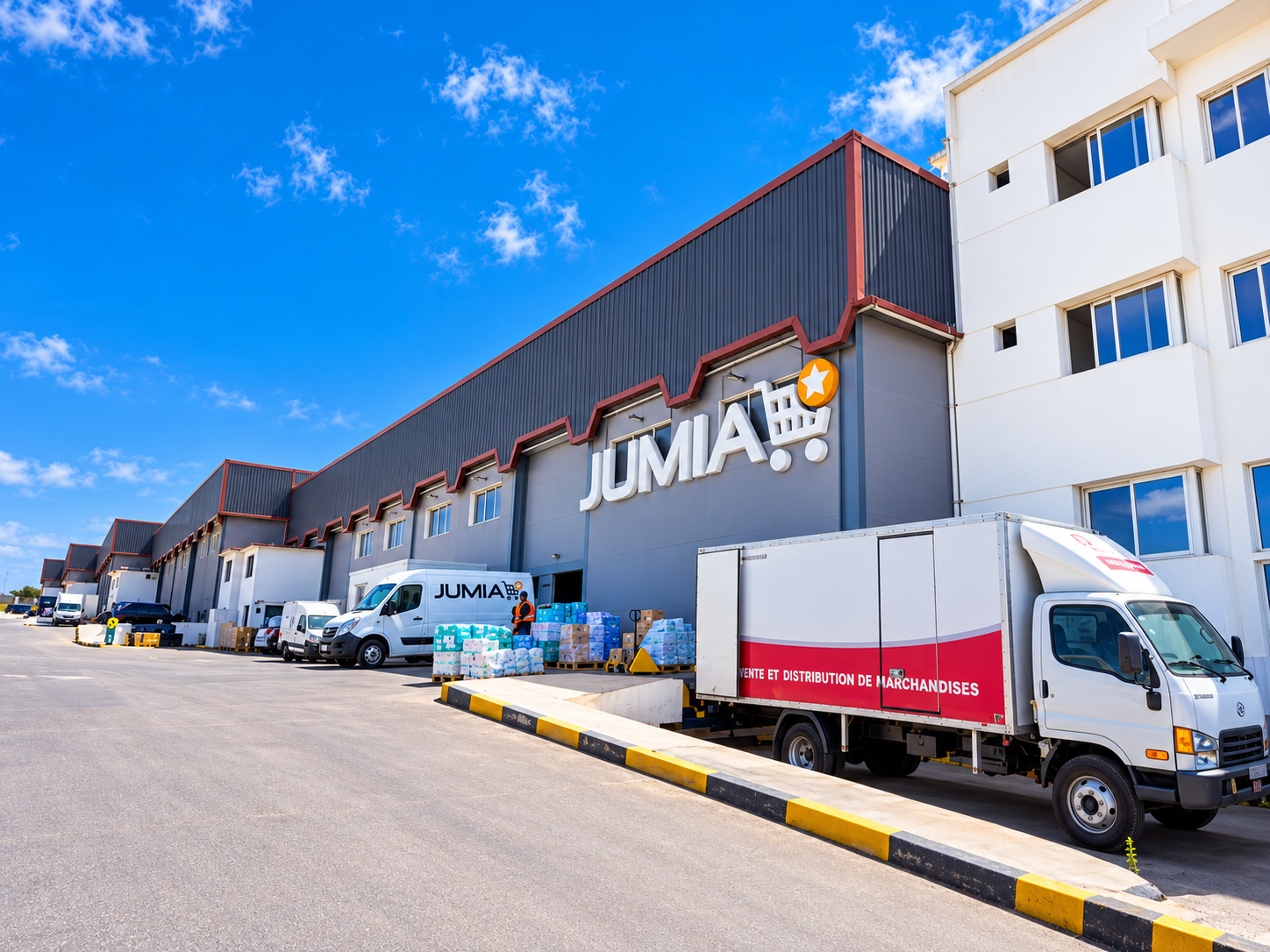
CASABLANCA —Jumia Morocco is seeking to accelerategrowth under new Chief Executive Officer Marcelle Monkam Siayojie, building on a network of more than 200 pickup points and a marketplace with over 5,000 sellers, according to figures provided by the company and its management.
Appointed on 7 August 2026, Siayojie has identified competitive pricing, product availability, delivery performance and customer experience as priorities for the business.
The strategy includes a four-hour delivery initiative in selected Casablanca areas and plans to reach more consumers beyond Morocco's largest cities.
The challenge is to turn Jumia's existing digital marketplace and logistics infrastructure into stronger, commercially sustainable activity.
A Marketplace Connecting Moroccan Sellers to Consumers
Jumia reported more than 5,000 sellers on its Moroccan marketplace in September 2026.
The figure describes the company's reported seller network, rather than a verified count of merchants actively completing transactions.
For participating businesses, the platform provides access to online customers and shared logistics services, allowing merchants to sell beyond their immediate geographic markets.
Pickup points play a central role in that distribution model.
In a September interview withMédias24, Siayojie saidapproximately 25,000 to 30,000 products were eligible for free collection through Jumia's pickup network.
The service offers customers an alternative to home delivery while extending the marketplace's reach into smaller cities.
Siayojie also outlined an ambition to increase the number of sellers by approximately 20% to 30% over the following one to two years.
That remains a management objective, not growth already achieved.
Marcelle Monkam Siayojie and the Delivery Strategy
Siayojie joined Jumia Cameroon in 2014 before taking on commercial and leadership responsibilities in other African markets, including Senegal and Kenya.
She subsequently served as chief executive of Jumia Senegal before moving to Morocco.
Her operational priorities include faster order fulfilment and strengthening consumer confidence in online shopping.
In September 2026, Jumia began testing four-hour delivery for eligible orders in selected Casablanca neighbourhoods.
The company has promoted this faster delivery option under specific product and location conditions. It does not constitute a nationwide four-hour delivery guarantee.
Alongside improvements in fulfilment, Siayojie has highlighted the role of cash on delivery in a market where payment preferences vary among consumers.
Jumia has also developed J-Force, a commission-based network of local ambassadors who help customers place orders and understand the platform's services.
According to Siayojie, the initiative has been used in secondary cities including Ksar El Kébir and Larache.
The programme illustrates an effort to reach consumers who may not be familiar with online purchasing, combining digital commerce with local customer assistance.
The Commercial Test for Jumia Morocco
Jumia's strategy comes amid growing competition in Morocco's e-commerce market, where product selection, prices and delivery reliability influence purchasing decisions.
The platform's seller relationships, pickup network and fulfilment initiatives provide an operational base for expansion.
However, Jumia does not disclose detailed standalone revenue or profitability figures for its Moroccan subsidiary.
In September, Siayojie said the local business was recording growth in customer numbers and platform traffic, without providing comparable country-level financial results.
Those statements do not independently establish higher revenue or profitability.
For Jumia Morocco, improving the productivity of its existing network will be as important as extending its geographic reach.
The company must balance delivery speed and customer convenience against fulfilment costs, merchant participation and repeat purchases.
For Jumia Morocco, the next measure of success will be whether its network of local sellers, pickup points and faster delivery services can make online retail more convenient — and commercially sustainable.