
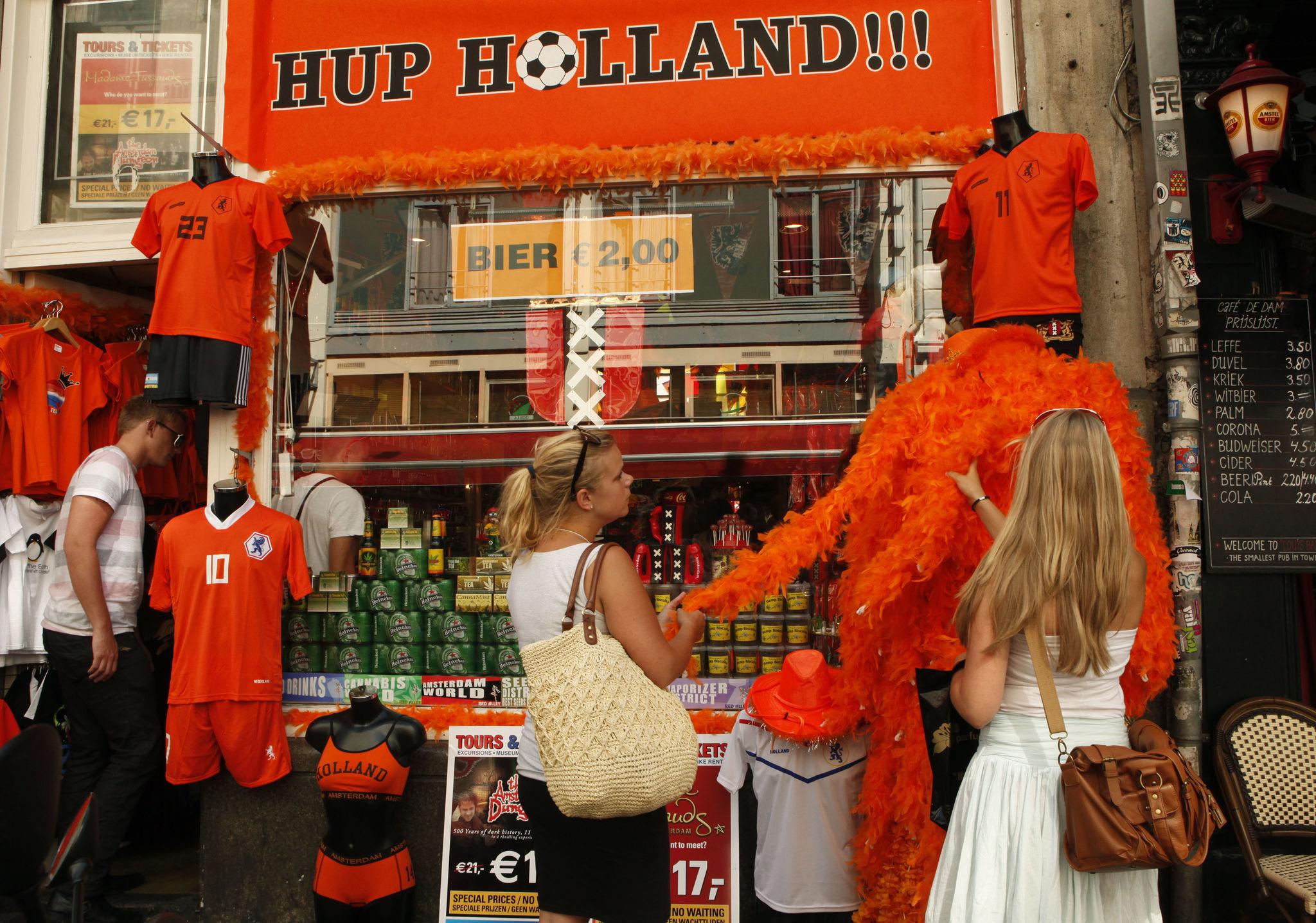
Morocco Netherlands Fever is not only filling football conversations. It is moving money. The World Cup Round of 32 clash in Monterrey has turned match day into a business rush across several layers at once: flights to Mexico, cafés with big screens, fan shirts, flags, snacks, transport, advertising, phone content and late-night viewing plans.
Football Merchandise: The Colour Economy
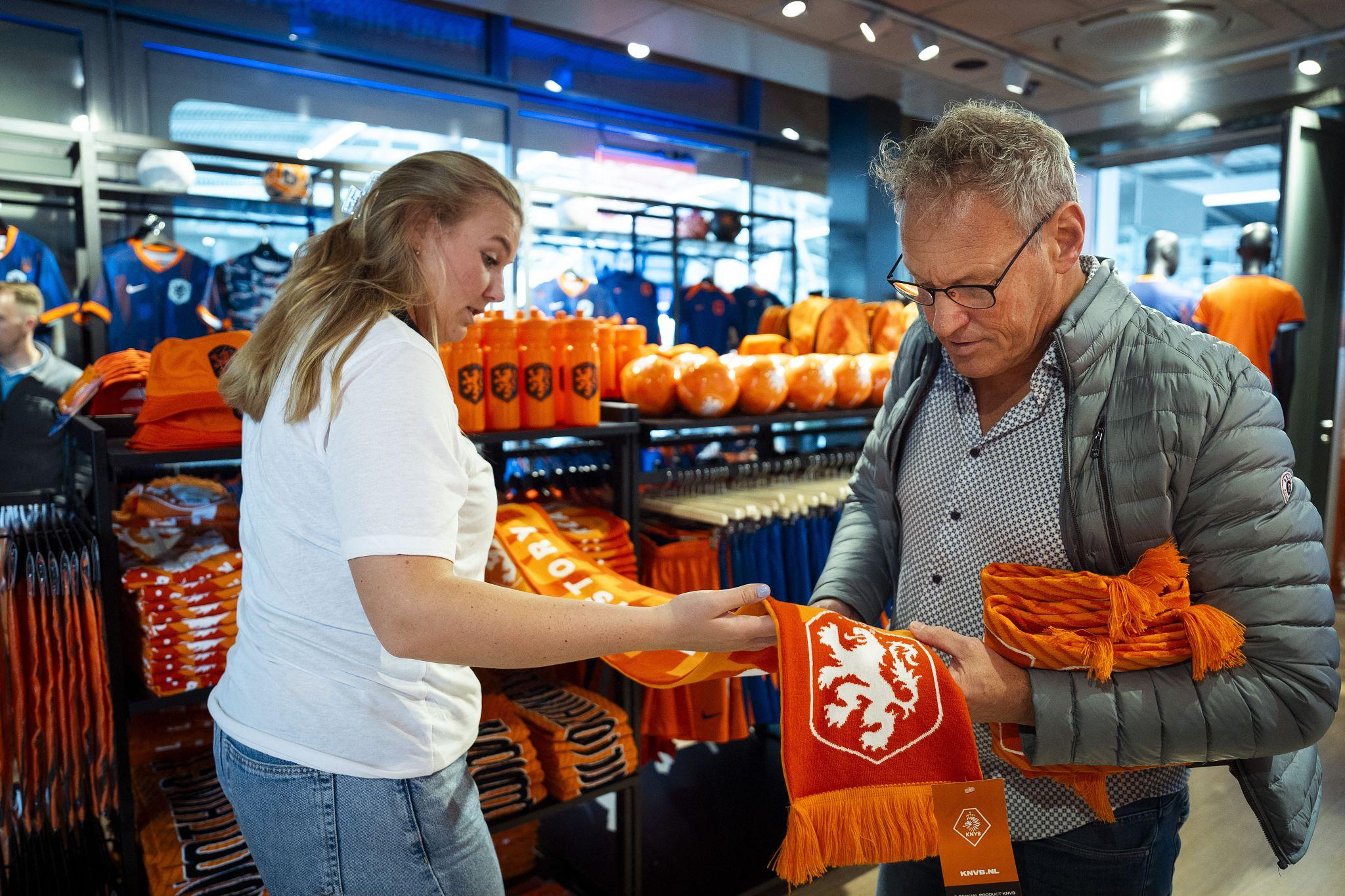
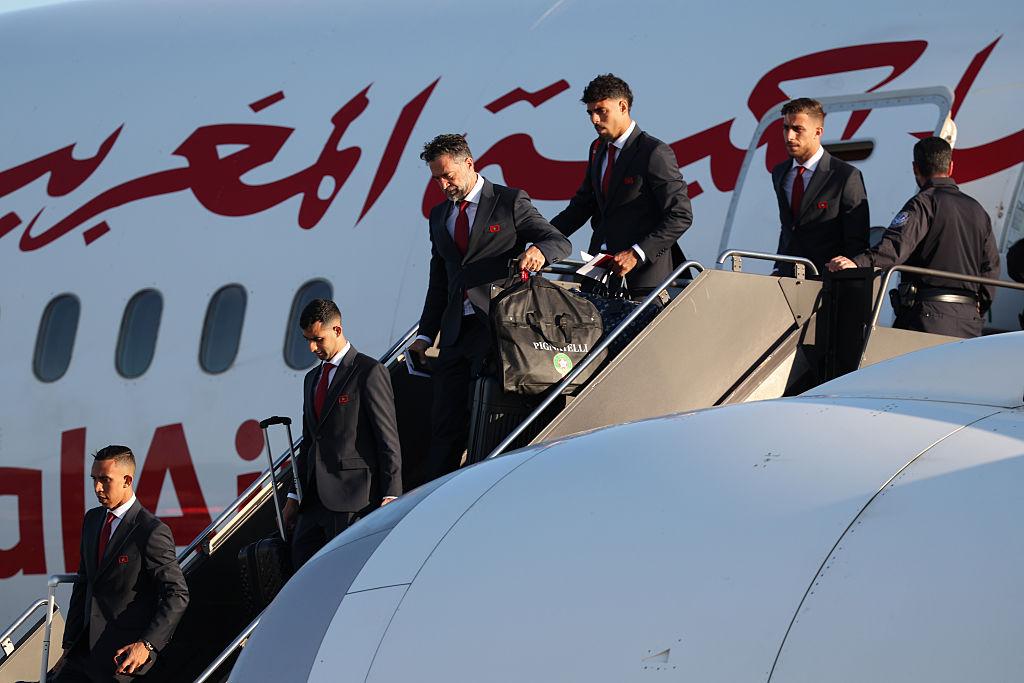
Morocco Netherlands Fever has turned a football fixture into a short, sharp spending wave. A knockout night changes behaviour: fans are more willing to travel, gather, buy shirts, book tables, order food, decorate cafés and stay awake because the stakes are final. Fan gear is a visible winner — shirts, scarves, caps, flags and face paint move when people make a plan for a high-stakes match. Red shirts, green flags, orange jerseys, car decorations, balcony banners and kids’ kits all form what might be called the colour economy of the match. Royal Air Maroc launched 12 special flights to Monterrey with capacity exceeding 3,000 seats — Morocco World News reported six outbound from Casablanca and six return. When a national team creates enough emotion, an airline can build extra capacity around one match.
Royal Air Maroc Connects The Fan Economy
The diaspora angle multiplies the market significantly. Reuters reported that the Moroccan community in the Netherlands is estimated at around 430,000 people — that alone gives the fixture a strong consumer base inside Dutch cities. But the market is wider: Moroccan communities in Belgium, France, Spain, Germany, Canada, the United States and the Gulf also follow the Atlas Lions closely. One match can activate many markets at once. A shirt bought in Rotterdam. A café table in Brussels. A flight from Casablanca. A food order in Paris. A social-media campaign in Rabat. The 3 a.m. kick-off time reported by Reuters changes where money goes: homes stock up on drinks and snacks, cafés that stay open attract committed fans, delivery orders may rise before kick-off, and energy drinks and coffee become part of the match experience.
Full House: The Match-Day Café Economy
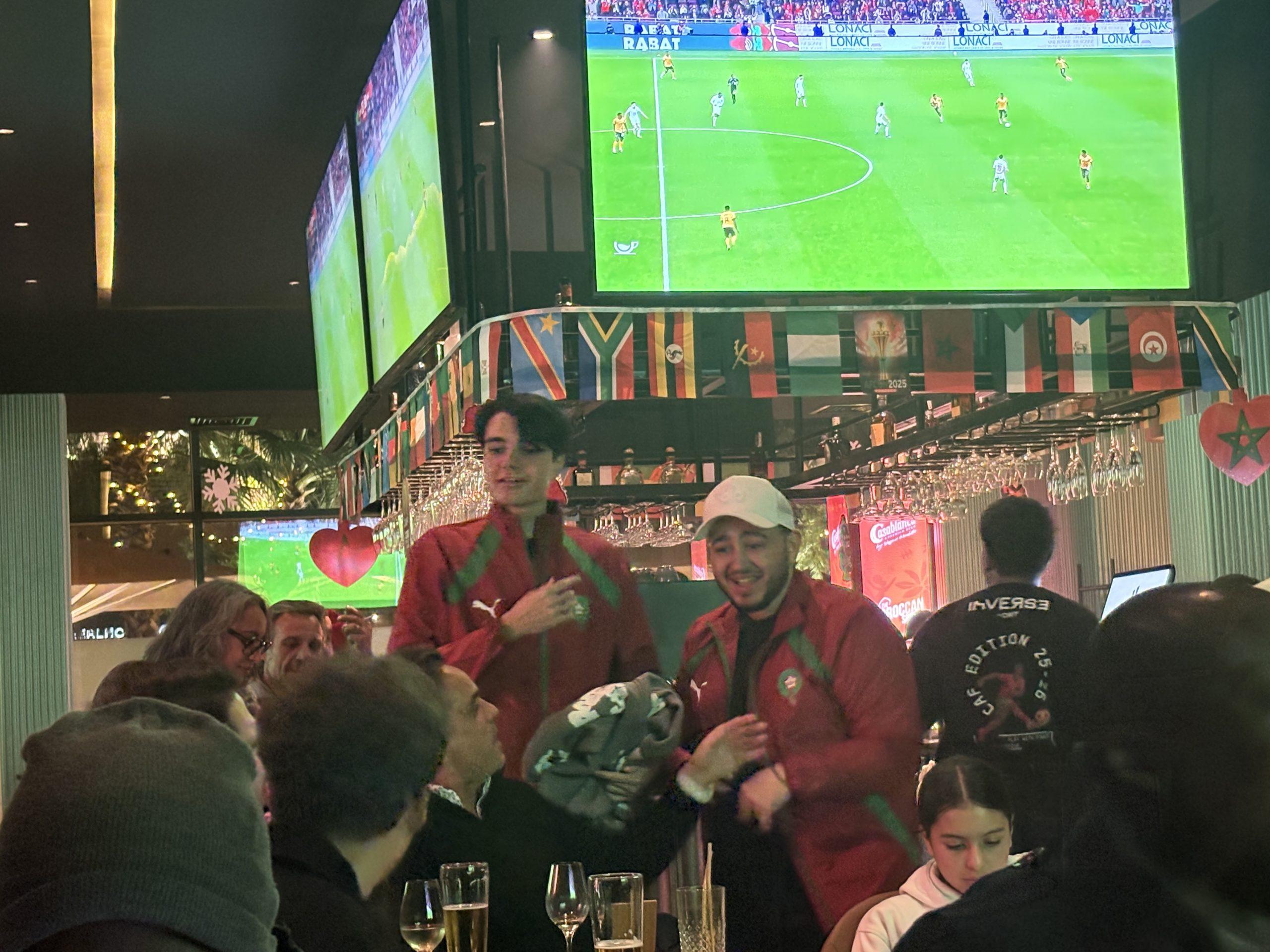
Cafés with big screens are the first local winners. In Morocco, the Netherlands, Belgium, France and other diaspora-heavy areas, café owners know that a Morocco knockout match can bring a full house. The formula is simple: screens, chairs, tea, coffee, soft drinks, snacks, fast service and a loud crowd. A café that gets those details right can turn one match into one of its busiest nights of the month. Brands benefit too: sports shops can post shirt content, cafés can post match-night offers, delivery apps can promote snack bundles, airlines can promote fan travel, and telecom brands can promote streaming and data. The match creates an emotional hook for marketing.
Moroccan Cafés Before Kick-Off: The Business Window
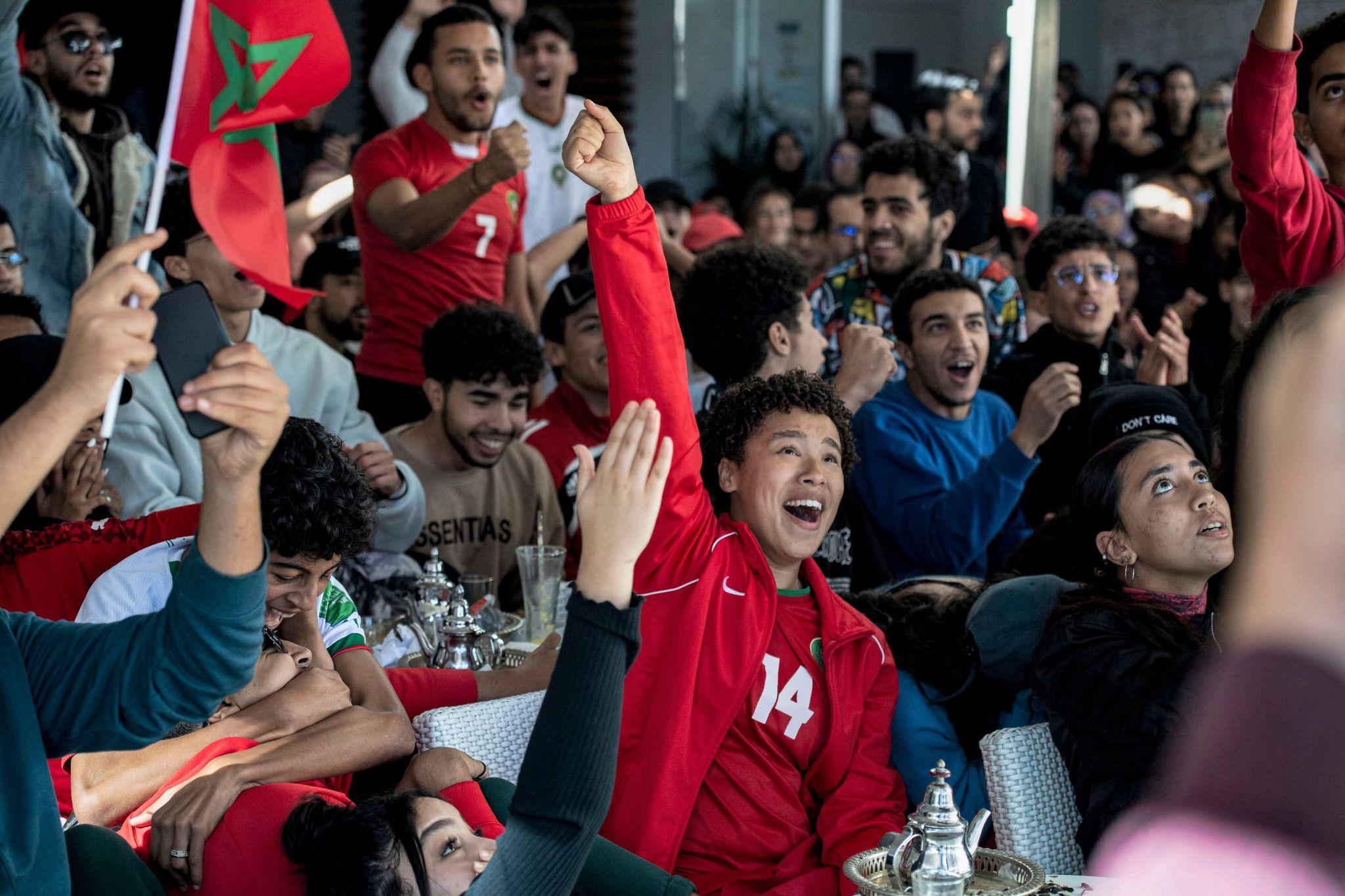
The winner creates another spending wave. Canada beat South Africa 1-0 and await the winner of Morocco Netherlands in the last 16. That means a Morocco win immediately creates new commercial momentum: more articles, more travel interest, more café nights, more fan gear, more flight searches, more advertising, more content. The value of a knockout win extends the commercial cycle. For businesses, each extra round is another match-day economy. Street vendors also benefit: flags, scarves, snacks and fan items move quickly when emotion is high, often in the final hours before kick-off. Football economies are not only corporate. They are also street-level. For MTD, this match is also a content ecosystem — Sport preview, Travel fans, Lifestyle families, Money spending, Food match night, Entertainment memes, World diaspora — seven entry points into one major event.