
Moroccan families may finally have a little room to breathe.
After years of price pressure, tighter shopping baskets and painful supermarket choices, inflation has slowed sharply. Morocco’s annual inflation rate was reported at around 1.2% in May 2026, giving households a rare piece of good money news in a period where daily life has often felt more expensive than the official numbers suggest. But there is a catch. Lower inflation does not mean life is cheap. It means prices are rising more slowly. And for many families, that difference matters.
A Small Relief After A Long Price Shock
For ordinary households, inflation is not an economic word. It is the grocery bill. The school run. The taxi fare. The cooking oil. The vegetables. The electricity bill. The weekly market trip. When prices rise fast, families feel it immediately. They buy less. They compare more. They delay purchases. They cut small luxuries. They change brands. That is why a slowdown to around 1.2% matters. It does not erase the pressure. But it gives families a better chance to plan.
The Basket Still Feels Expensive
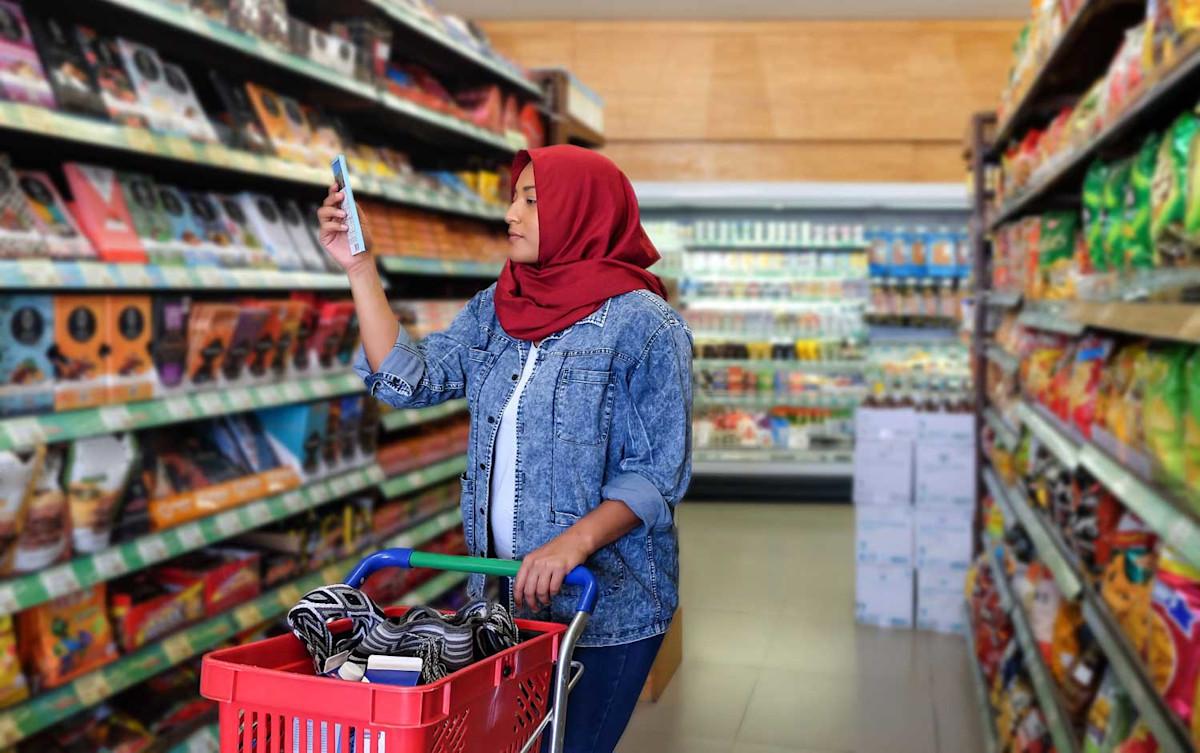
The problem is simple. Even when inflation slows, prices do not automatically go back to old levels. If a product rose from 10 dirhams to 14 dirhams, slower inflation does not mean it returns to 10. It may simply stay around 14 and rise more slowly from there. That is why many people can hear “low inflation” and still feel confused. They look at the bill. They do not feel rich. They do not feel relaxed. They still feel that life costs more than before. And they are right. Low inflation is relief. It is not a miracle.
Families Notice Food First
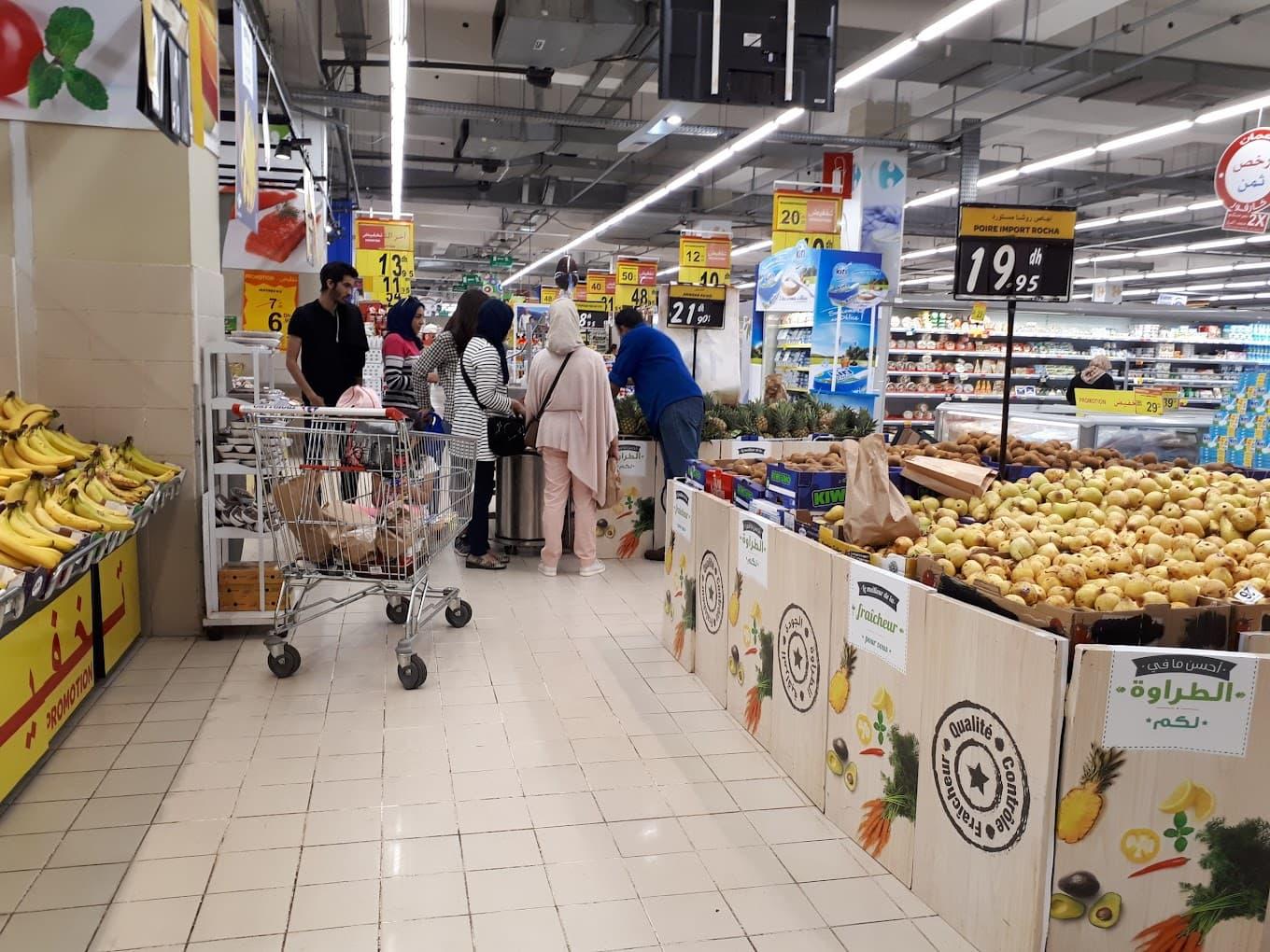
Food is where inflation becomes personal. A small change in food prices can affect millions of people. Families do not buy food once a year. They buy it every week, sometimes every day. Bread. Milk. Eggs. Chicken. Meat. Fruit. Vegetables. Tea. Sugar. Oil. These are not luxury items. They are the base of home life. When food prices slow, families can feel a difference faster than in other areas. But if the starting point is already high, the stress remains. That is the Moroccan reality.
The Middle Class Still Feels Squeezed
The middle class is one of the groups most sensitive to price pressure. They may not qualify for the same support as poorer households. But they still feel every increase. Rent. Private school. Fuel. Groceries. Insurance. Healthcare. Family events. Summer travel. One salary may look decent on paper, but the monthly reality can still feel tight. That is why a lower inflation number can help psychologically. It gives families hope that the worst price acceleration may be behind them. But it does not mean the monthly budget suddenly becomes easy.
The Poor Need More Than Low Inflation
For poorer households, the issue is even harder. When income is low, even stable prices can be difficult. A small rise in food or transport can force immediate choices. Pay the bill or delay something. Buy meat or skip it. Take a taxi or walk. Visit family or stay home. That is why lower inflation is only one part of the story. Families also need income, jobs, affordable housing, stable food supply and better local services. Low inflation helps. But it cannot solve poverty alone.
Why The Number Matters For Confidence
Even if families still feel pressure, the inflation slowdown matters for confidence. When people believe prices are running out of control, they become defensive. They spend less. They worry more. They avoid big plans. When inflation slows, the mood can change. People may feel more willing to book a short trip, buy clothes, repair the house or go out for dinner. That is important for the wider economy. Consumer confidence is not built only in banks or government reports. It is built in kitchens, markets and shopping streets.
Small Businesses Also Feel The Difference
Low inflation can also help small businesses. A café owner needs to price coffee. A baker needs flour. A restaurant needs vegetables, meat, oil and staff. A shopkeeper needs stock. When input prices move too fast, business owners struggle. If they raise prices too much, customers disappear. If they do not raise prices enough, margins suffer. Slower inflation gives businesses more stability. They can plan better. They can avoid changing prices every few weeks. They can protect customers without destroying their own margins.
The Summer Test Is Coming
The next test is summer. Summer changes spending patterns in Morocco. Families travel. Diaspora visitors arrive. Hotels fill. Beach cities get busy. Restaurants see more demand. Weddings increase. Transport and leisure spending rise. That can create local price pressure even when national inflation is low. A family in Casablanca may feel one reality. A family trying to spend August in the north may feel another. That is why the official number is useful, but daily experience still depends on where people live and what they need to buy.
Rent Remains A Separate Stress
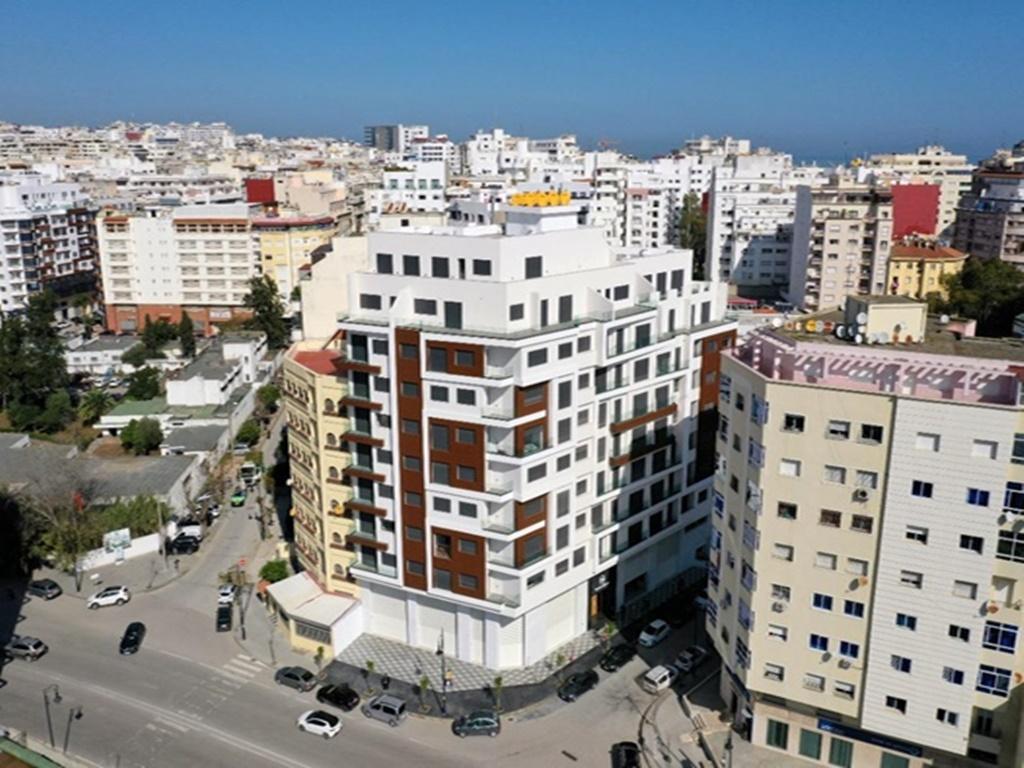
Inflation statistics do not always capture the full emotional weight of housing. For many families, rent is the biggest monthly pressure. In cities like Casablanca, Rabat, Tangier and Marrakech, good housing can feel expensive compared with salaries. Even if food inflation slows, rent can still dominate the budget. That is why households may not feel rich when inflation falls. A lower grocery shock helps. But the rent still comes every month.
A Better Moment For Bank Al-Maghrib
Lower inflation also matters for Morocco’s central bank and wider economic policy. When inflation is high, authorities have less room to move. When inflation slows, the pressure becomes different. The debate can shift toward growth, credit, investment and household relief. That does not mean policy suddenly becomes easy. But it means the economic conversation changes. For families, the hope is simple. Less price pressure. More stability. A budget that stops getting worse every month.
The Danger Is Declaring Victory Too Early
The biggest mistake would be to declare victory too soon. Families know better. One month of lower inflation does not erase years of higher costs. A calm number can change again if food supply, energy prices, drought, transport costs or global shocks return. Morocco must stay careful. The country needs stable prices, but also stronger wages, better jobs and more affordable daily services. Inflation slowing is good. But households need the relief to last.
The Bottom Line
Morocco’s inflation slowdown to around 1.2% gives families a rare breathing space after years of price pressure. For households, that could mean more stability in grocery planning, fewer price shocks and a little more confidence heading into summer. But lower inflation does not mean life is suddenly cheap. The basket still feels expensive. Rent still hurts. Families still compare prices. The real win will come if the slowdown lasts long enough for ordinary Moroccans to feel it in their monthly budget. For now, it is not a celebration. It is relief. And for many families, relief is already something.