

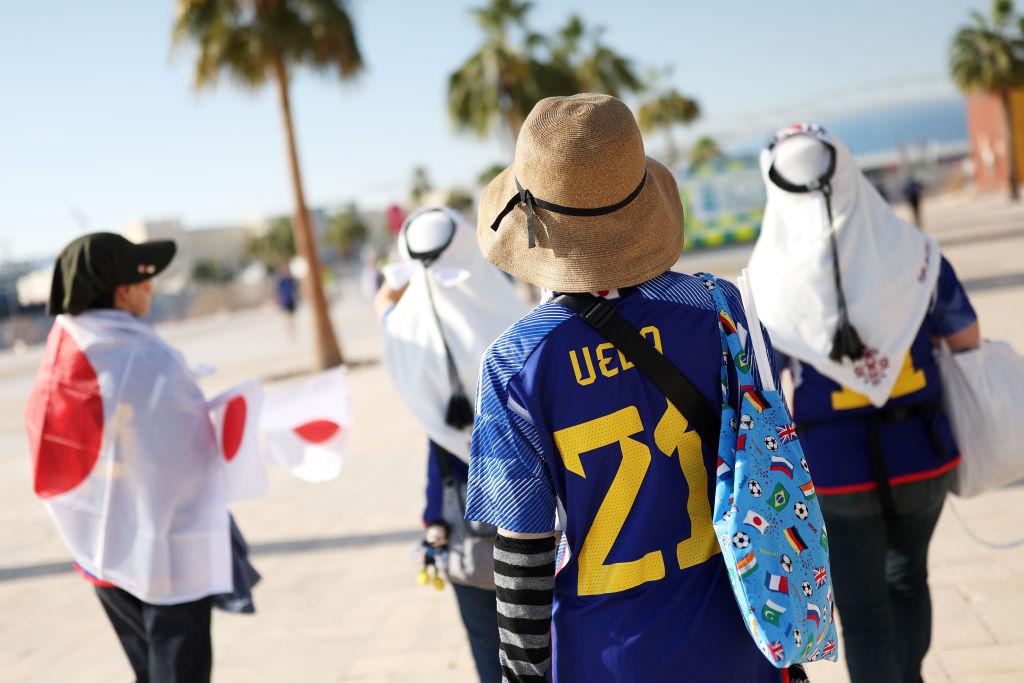
World Cup Heat is becoming one of the biggest lifestyle stories of the tournament. The knockout stage is not only testing players with pressure, penalties and brutal opponents. It is also testing bodies with high temperatures, heavy humidity, long queues, sun exposure and the simple question every fan must now ask before leaving the hotel: how do I stay cool all day? For supporters, this World Cup is no longer only about shirts and flags. It is about water bottles, cooling towels, hats, sunscreen, light clothing, shade breaks and phone batteries that do not die in the heat.
Cooling Gear Becomes Match-Day Fashion
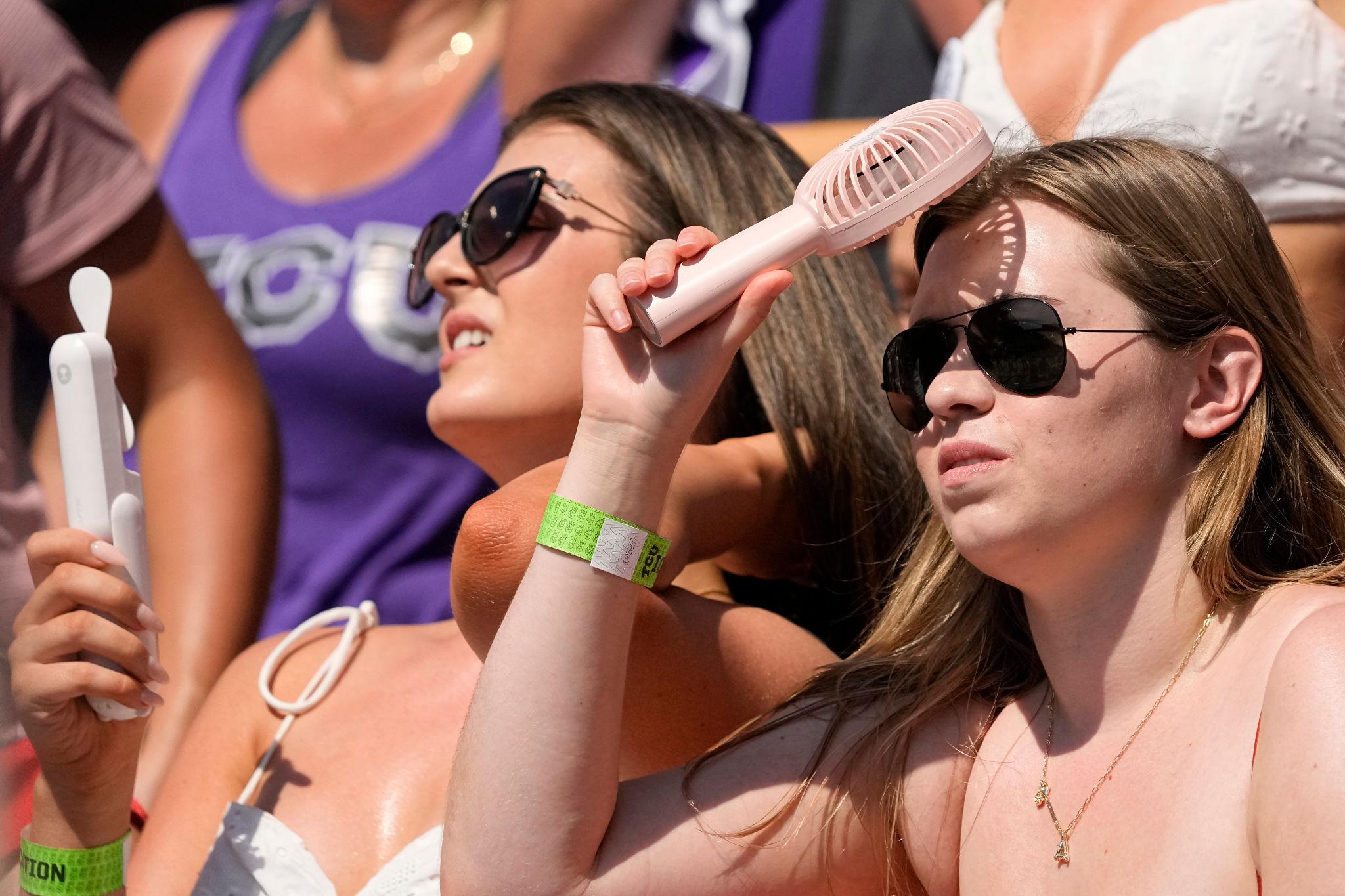
Cooling gear has moved from sports shops into everyday fan culture. Cooling towels, portable fans, wide-brim hats, sunglasses, light scarves, UV sleeves, breathable shirts, small mist spray bottles, electrolyte tablets and reusable water bottles are no longer only for athletes or hikers. They are becoming part of the summer match-day look. A fan wearing a Morocco shirt, sunglasses and a cooling towel around the neck is not being dramatic — they are being practical. Social media is also making cooling gear visible: fans post videos with portable fans, towels, hats, ice packs, frozen drinks and survival tips. In 2026, the classic World Cup image of face paint and flags may be joined by cooling towels and water bottles. That shift says something about modern sport: climate and comfort are now part of the visual story.
Hydration Breaks Are Now Tactical Moments
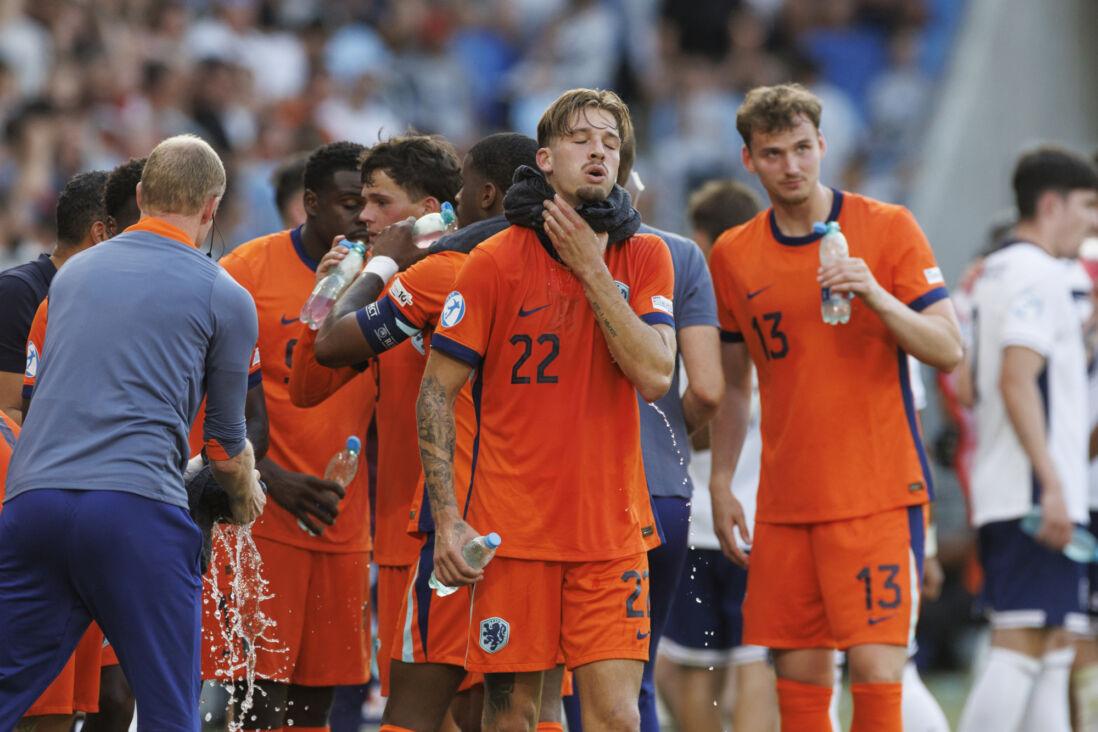
Hydration breaks are often treated as health measures only. But they can also become tactical moments. A coach can use the pause to calm players, change pressing triggers, adjust defensive lines or push a team to speed up. Players can reset mentally as well as physically. In hot matches, these breaks can change the rhythm: a team under pressure may survive until the pause, a team pushing hard may lose momentum, and a player struggling physically may get just enough recovery to continue. For fans watching from home or in cafes, those breaks also become food and drink moments: people refill water, grab snacks, check messages, cool down and talk tactics. The break is not only for players anymore.
Stadium Design Enters The Conversation
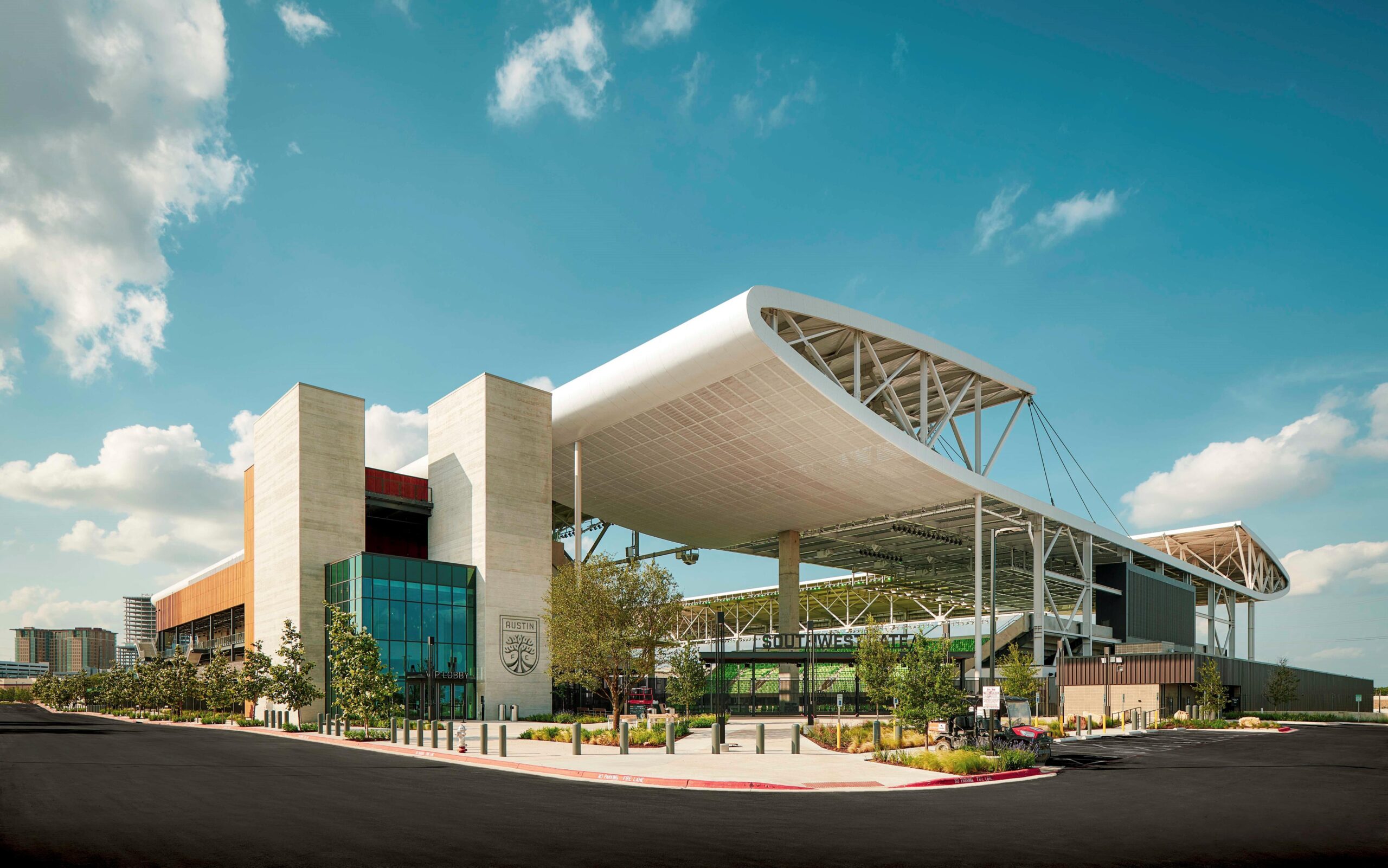
The heat also puts stadium design in the spotlight. Fans now care about shade, roof coverage, air flow, transport routes, waiting areas and access to water. A stadium experience is no longer judged only by seats and sightlines — the full environment matters: how long are fans outside, where do they wait, how quickly can they enter, can they find water, can they cool down? These questions will become even more important for future tournaments, including the 2030 World Cup that Morocco will co-host. Elite teams also prepare for heat with science: cooling vests before matches, ice towels, cold drinks, controlled warm-ups and electrolyte strategies. One team that handles heat better can press longer. One player who manages hydration better can stay sharper late in the match. Supporters often see only the goals — behind the scenes, staff are fighting the climate minute by minute.
Small Businesses Can Adapt Fast
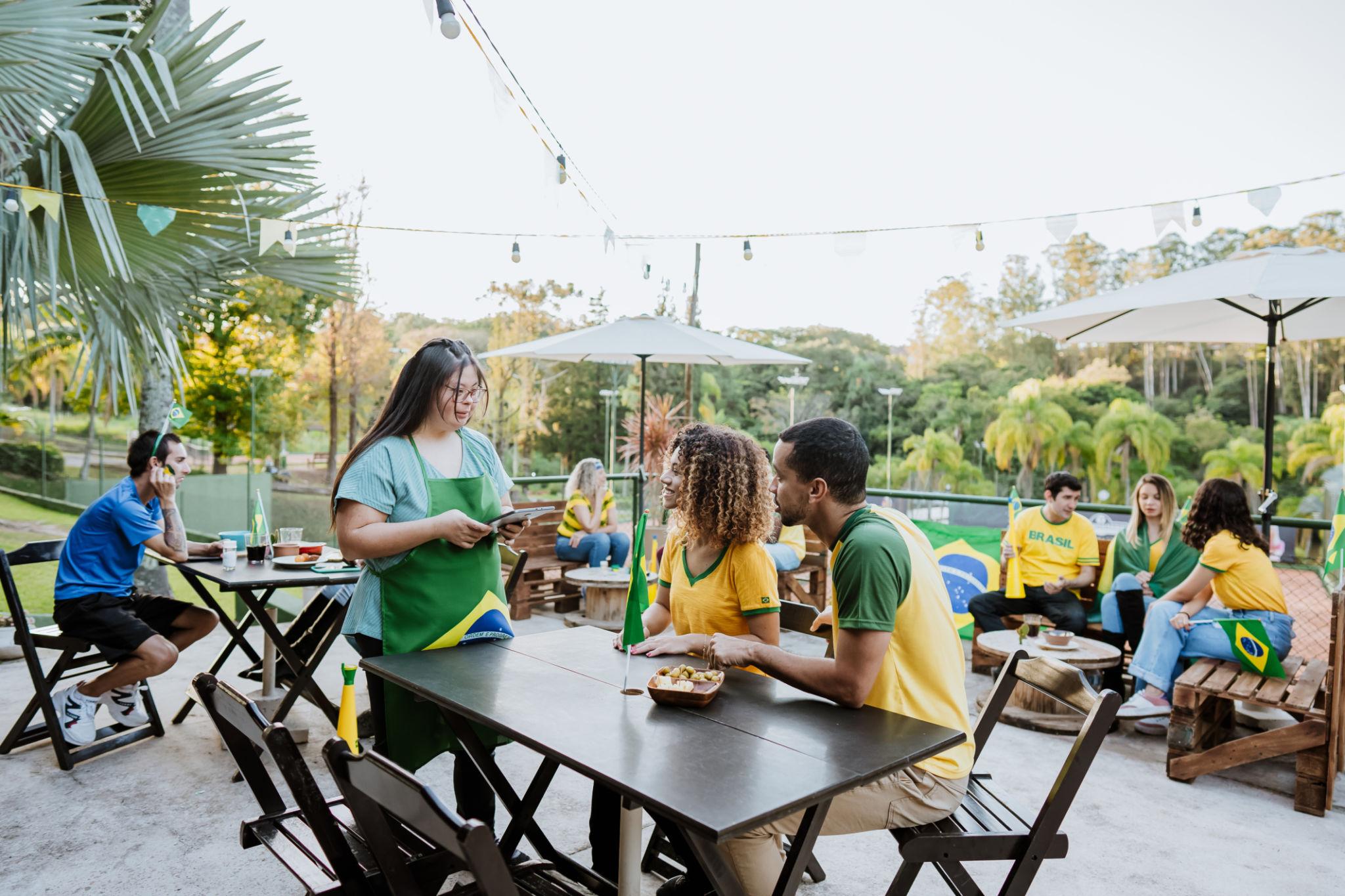
World Cup Heat is not only a consumer challenge. It is a business opportunity. Cafe owners, street vendors, bakeries, snack sellers and fan-zone operators can respond quickly: more water, more cold drinks, more fruit, more ice, faster service, clear prices and simple menus. Fans in heat do not want complicated ordering — they want quick relief and something easy to carry. A business that prepares well can become a match-day favourite. A business that runs out of water or cold drinks during a hot football day loses trust quickly. The clothing sector is also feeling the shift: cooling gear, breathable fabrics and summer sports accessories are growing in visibility as fans realise they need more than a jersey to survive the tournament.