

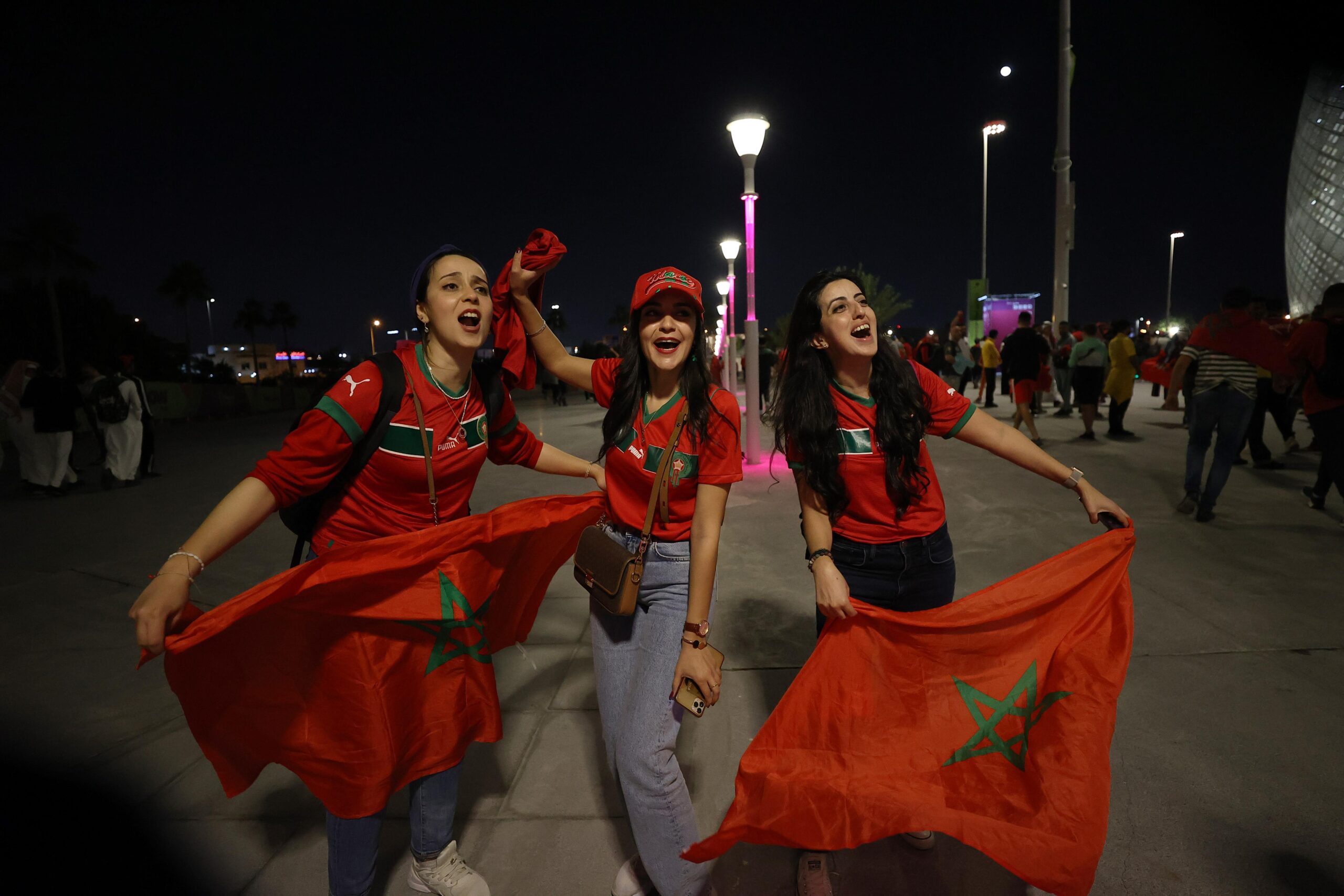
Morocco’s World Cup run is not only changing the football conversation. It is changing the look of the streets. Red shirts. Green stars. Flags on shoulders. Scarves in cars. Face paint in cafes. Across World Cup week, Moroccan supporters are turning national pride into a full lifestyle moment. This is not just fan culture. It is fashion. It is identity. It is Morocco becoming impossible to miss.
The Morocco Shirt Is Everywhere
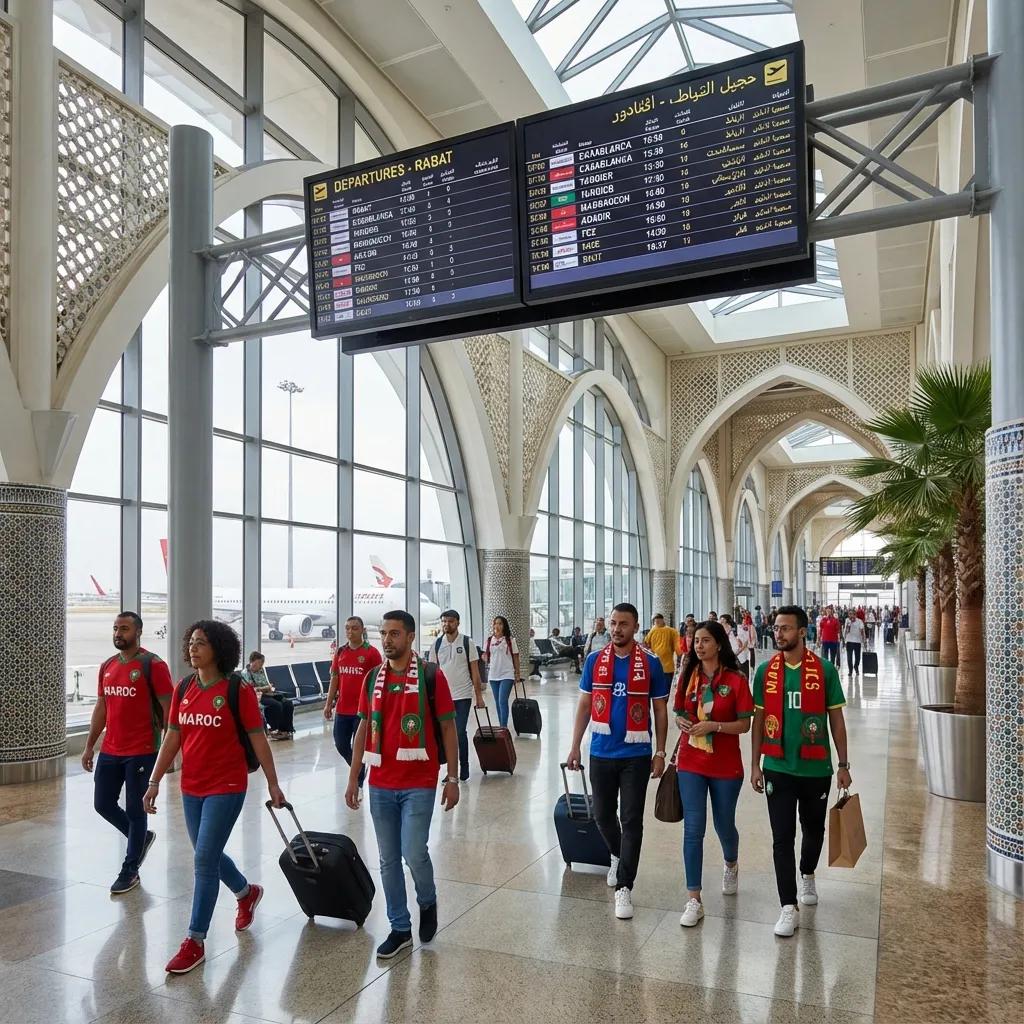
The Morocco jersey is now one of the strongest visual symbols of the tournament. It works because it is simple: bright red, green details, a national badge, instant recognition. Fans do not need to say much when they wear it. The shirt already speaks — it connects strangers in airports, streets and cafes, creating small moments of recognition between people who may never have met before. One fan sees another red shirt. They smile. They shout. They take a photo. That is how tournament identity spreads. The red shirt has become a daily signal: people wear it at airports, in cafes, on streets, in fan zones and at family gatherings. It tells the world one thing immediately: Morocco is here. The younger generation is driving the look forward too — they mix the Morocco shirt with jeans, sneakers, caps, jewellery, jackets and streetwear, moving it from sport into lifestyle, from stadium to street, from football kit to fashion statement.
Cafes Become Fashion Stages
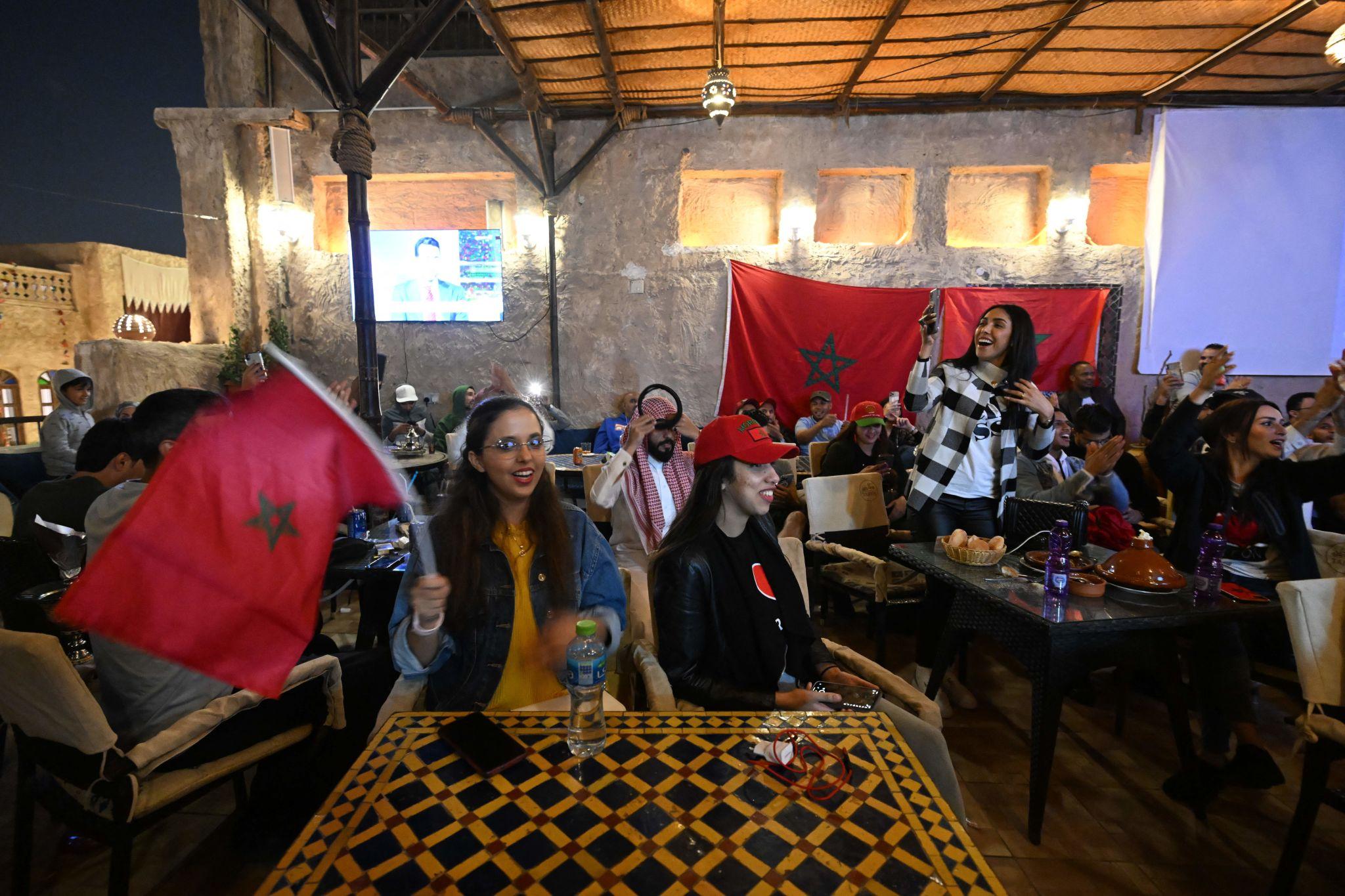
World Cup cafes are now part of the lifestyle story. Fans do not only go there to watch — they go there dressed for the moment. Morocco shirts, caps, tracksuits, sunglasses, sneakers, flags and phone cameras all become part of the scene. Every table can turn into a photo moment. Every goal reaction can become a video. Every celebration can travel online within seconds. At the World Cup, the Moroccan flag becomes something to wear: fans wrap it around their shoulders, tie it around their waist, hold it in photos, place it over car windows and carry it through fan zones like a second skin. That turns the flag into street style — not luxury fashion, but emotional fashion. The red background and green star make every photo stronger, every group shot louder and every celebration more instantly Moroccan.
Diaspora Pride Makes The Wave Global
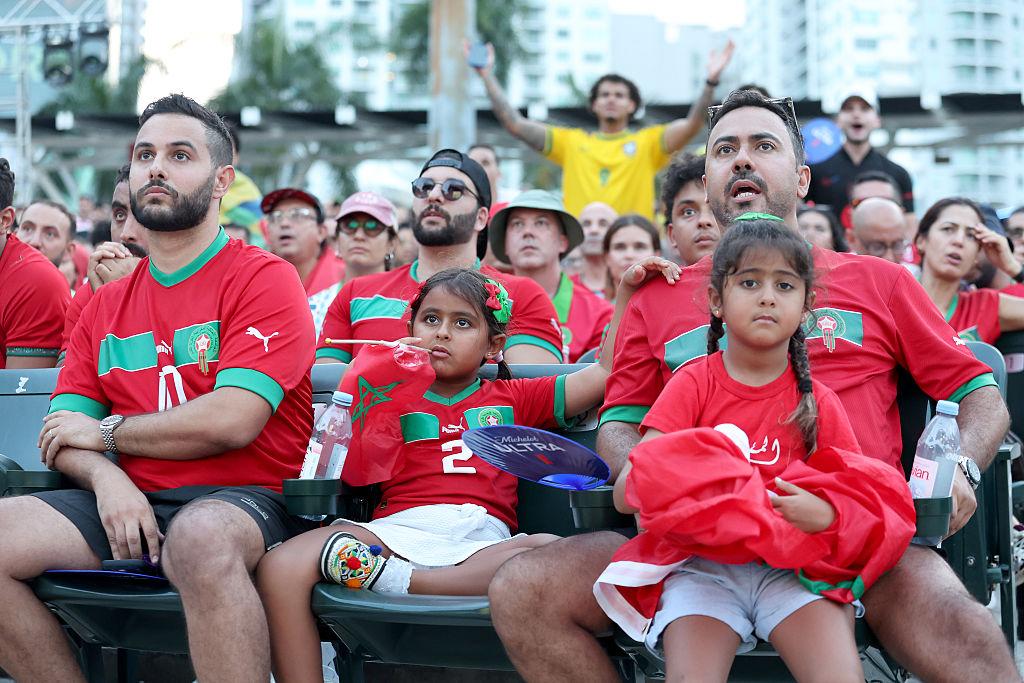
The red-and-green wave is not only inside Morocco. It is global. Moroccans in Europe, North America, the Gulf and beyond are wearing the same colours during the same week, creating a powerful feeling of connection. A fan in Casablanca. A family in Amsterdam. A student in Paris. A worker in Dubai. A supporter in Houston. Different places, same colours, same emotional signal. That is the strength of Moroccan football culture — the national team gives millions of people one shared image to gather around. Red and green are not neutral colours for Moroccan fans: they carry memory, family, language, faith, country and history. For many supporters, wearing those colours during the World Cup feels personal. A fan can be thousands of kilometres away from Morocco and still feel close to home by wearing the shirt.
Every Clip Builds The Bigger Story
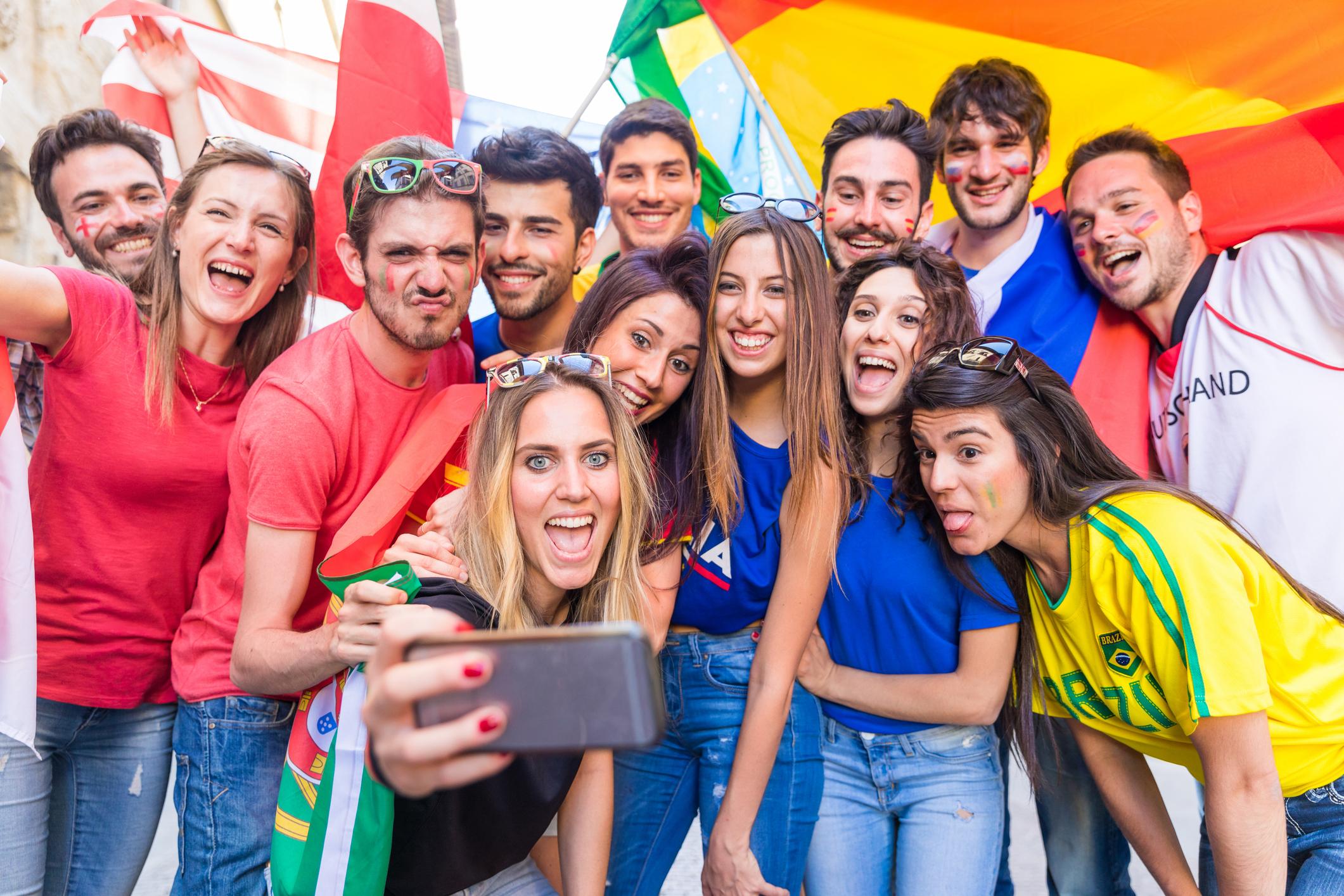
The World Cup changes everything because the audience is global. A normal fan outfit might be seen by people in one city. A World Cup outfit can be seen by millions. Every crowd shot matters. Every airport video matters. Every street celebration matters. When Moroccan fans fill a space with red and green, the image travels far beyond that place — it becomes part of the wider tournament story. The supporters are not only watching the team. They are helping shape how Morocco is seen. One fan clip is small. Ten clips become a mood. A hundred clips become a movement. Morocco are doing something more than dominating headlines with goals or drama — they are dominating the visual mood. The supporters bring colour, movement and emotion everywhere they go. The players give the shirt meaning on the pitch. The fans multiply that meaning outside the stadium. Together, they create a full World Cup image: strong, modern, proud, recognisable and very Moroccan.