
Morocco’s clean-energy plan just got a major money signal.
The World Bank has approved $265 million in financing to support a new pumped hydropower storage plant in Morocco, putting the Kingdom’s electricity ambitions back in the global spotlight. This is not just another energy project. It is about storage. Grid stability. Renewable power. And Morocco’s race to turn clean energy from a slogan into a system that can actually work when the sun is down and the wind is weak.
Morocco Gets A $265M Clean Power Boost
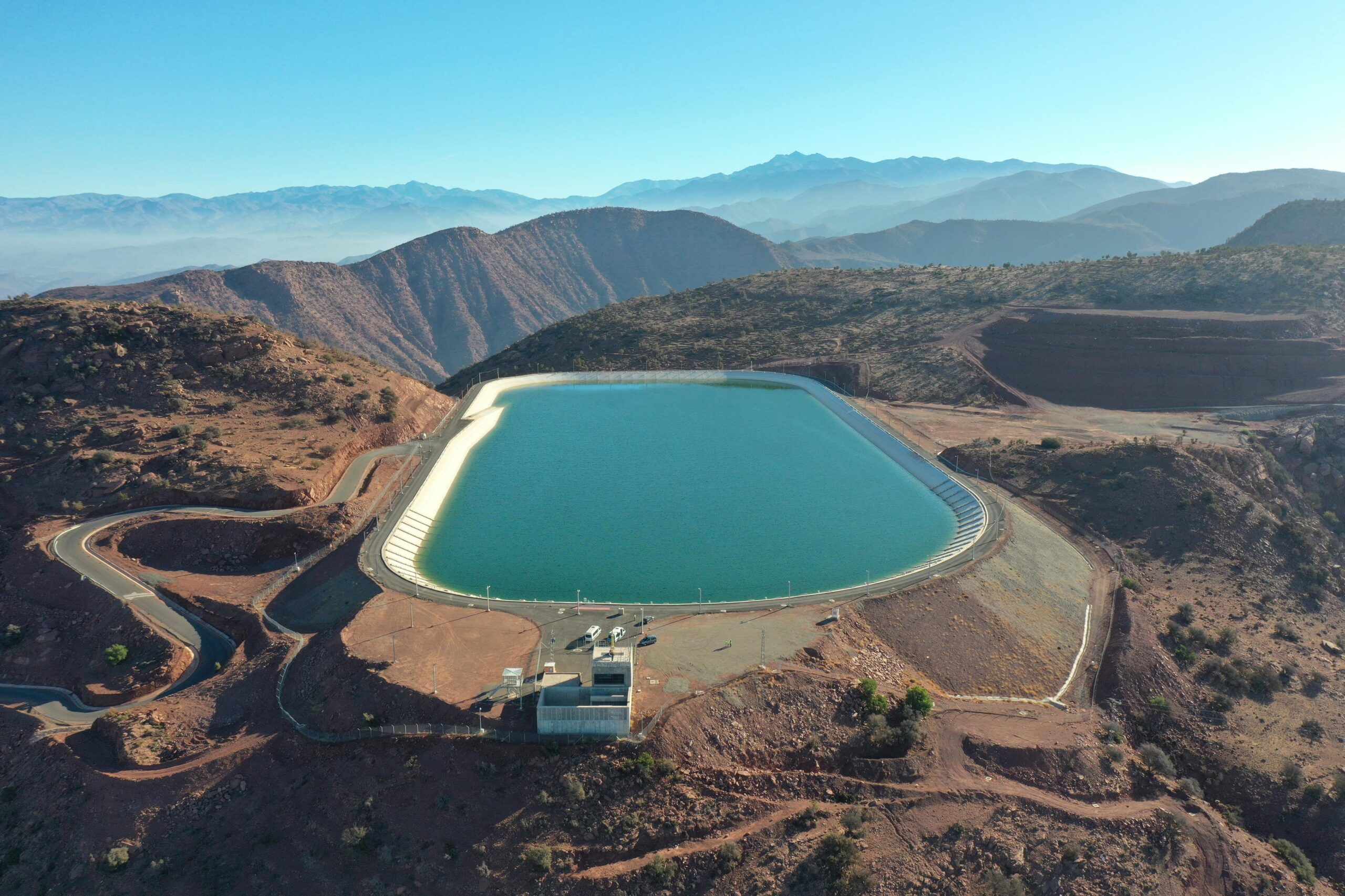
The headline number is big. $265 million. That financing is aimed at supporting construction of a new pumped hydropower storage plant in Morocco, linked to the Ifahsa project near Chefchaouen. For ordinary readers, the project may sound technical. But the idea is simple. Morocco is building more renewable energy. Solar and wind are powerful, but they are not always available when people need electricity. That is where storage becomes important. Without storage, clean power can be unstable. With storage, the grid becomes smarter.
Why Pumped Hydro Matters
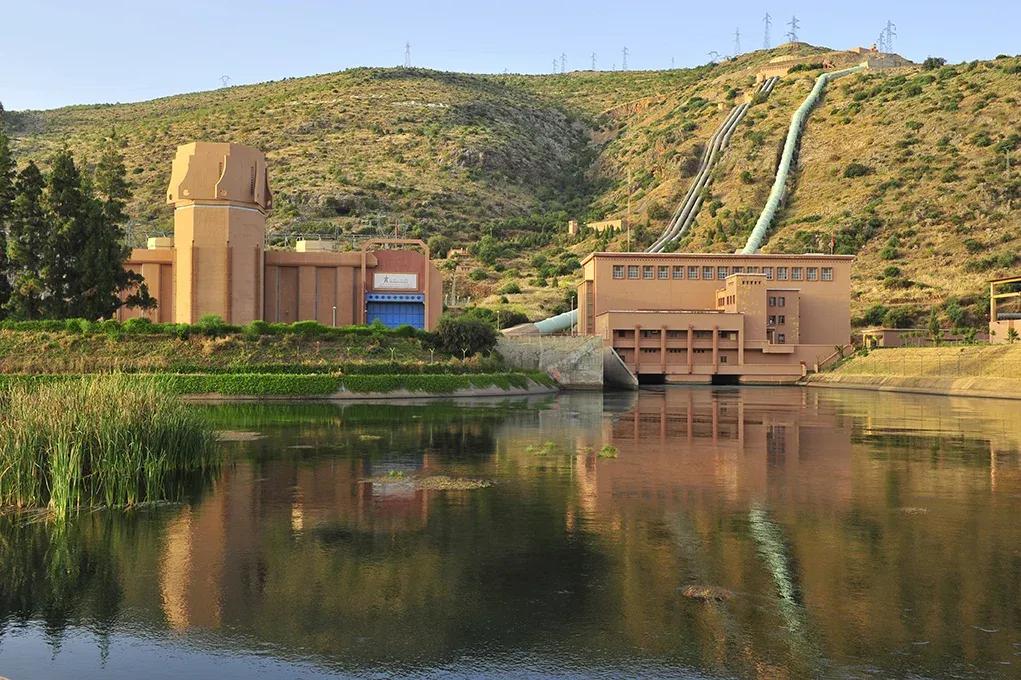
Pumped hydropower storage works like a giant battery. When electricity is available, water is pumped up to a higher reservoir. When electricity is needed, the water flows back down and generates power. It is old technology. But in a world of renewable energy, it has become very modern again. Solar panels produce power during the day. Wind turbines produce power when wind conditions are right. But homes, factories, hospitals, trains and businesses need electricity all the time. That is why storage is becoming the real test of clean energy.
Morocco Wants More Than Solar Headlines
Morocco already has a strong clean-energy image. The country is known internationally for major solar and wind ambitions. Projects like Noor Ouarzazate helped put Morocco on the renewable-energy map. But the next stage is harder. Building solar plants is one thing. Making the whole power system flexible is another. That is why storage projects matter so much. They are less glamorous than giant solar fields. But they may be more important for daily electricity security.
Chefchaouen Area Gets A Strategic Role
The Ifahsa project is located near Chefchaouen, a region better known globally for blue streets, mountain views and tourism photos. Now it is also entering a serious energy story. That contrast is powerful. Tourists see the beauty. Energy planners see geography. Mountains and elevation can matter for pumped storage because water needs to move between different levels. That gives northern Morocco a strategic role beyond tourism. It becomes part of the national power map.
The World Bank Timing Is Interesting
The timing makes the story bigger. Reuters reported that the World Bank approved the Morocco financing shortly after ending a target to devote 45% of its lending to climate-related projects. That sounds technical, but it matters. It means the World Bank may be changing the way it speaks about climate finance, but still backing selected clean-energy infrastructure when countries make strong project cases. For Morocco, that is important. The project still got the green light. The money still moved. The clean-energy plan still attracted support.
Energy Storage Is The Next Big Battle
Many countries can announce renewable targets. Fewer can build the systems needed to support them. That is the key point. Clean energy is not only about producing electricity. It is about moving it, storing it, balancing it and making sure factories do not lose power when conditions change. Storage is where ambition meets reality. For Morocco, the Ifahsa project is part of that reality check. If the country wants more renewable electricity, it needs more flexibility in the grid.
The Project Could Help Industry
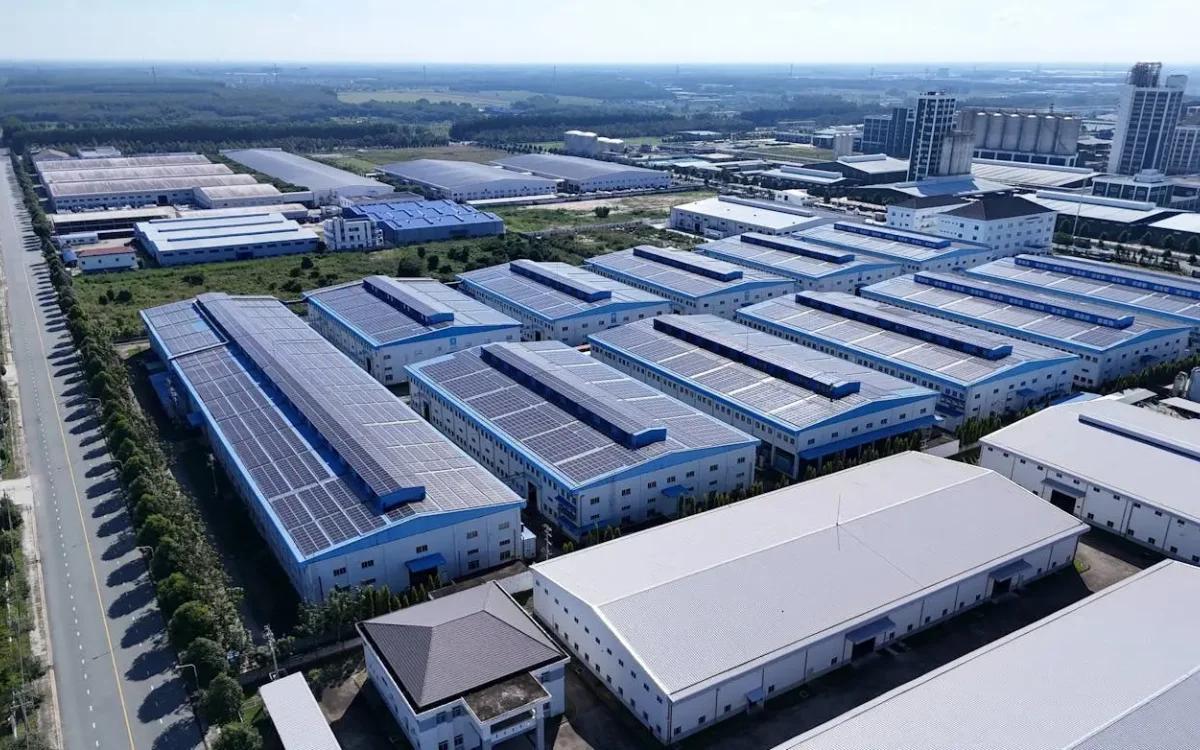
Energy storage is not only an environmental issue. It is an economic issue. Factories need reliable electricity. Investors look at power stability. Data centres, electric transport, ports, logistics zones and industrial parks all depend on a stronger grid. If Morocco wants to attract more manufacturing and higher-value investment, energy reliability matters. A clean-energy plan is stronger when it supports real industry. That is why this project belongs in the Money section. It is not only about climate. It is about competitiveness.
Families May Not Feel It Tomorrow
For Moroccan households, the impact will not be immediate. People should not expect the electricity bill to suddenly change because of one financing approval. Big energy projects take time. They require construction, engineering, environmental management, grid integration and operational testing. But families can still understand the long-term logic. A country with a stronger power system is better prepared for growth. More homes. More factories. More trains. More tourism. More digital services. All of that needs electricity.
Clean Energy Still Needs Hard Execution
The money is important. But money is not the finish line. The project still needs execution. Construction must stay on schedule. Costs must be controlled. Environmental and local impacts must be managed. Technical performance must match expectations. Energy projects can sound exciting in announcement form, but the real test comes years later when they must operate properly. That is where Morocco must deliver. A financing headline is good. A working asset is better.
Morocco’s Green Image Gets Another Boost
Internationally, this deal helps Morocco’s green image. The Kingdom already markets itself as a serious renewable-energy player in Africa and the MENA region. A World Bank-backed storage project strengthens that image. It says Morocco is not only chasing solar headlines. It is thinking about the grid behind the headlines. That distinction matters. Countries that want clean power must build the boring infrastructure too. Storage. Transmission. Dispatch. Maintenance. Planning. Those things make the difference between image and performance.
Why This Matters Before 2030
Morocco is preparing for a very busy decade. The country is building toward the 2030 World Cup with Spain and Portugal, while also pushing tourism, industry, transport and city development. All of that increases the pressure on infrastructure. Energy is part of the foundation. Airports need power. Hotels need power. Factories need power. Stadiums need power. Rail networks need power. If Morocco wants to present itself as a modern, reliable host and investment destination, electricity security must be strong.
The Bigger Message
The bigger message is clear. Morocco is trying to move from clean-energy ambition to clean-energy capacity. That means fewer slogans and more hardware. Less talk about potential and more investment in systems. The $265 million approval does not solve everything. But it is a serious piece of the puzzle. It shows that Morocco’s energy transition is still attracting international finance, even at a time when global climate lending language is shifting.
The Bottom Line
The World Bank’s $265 million financing approval has put Morocco’s clean power plan back in the spotlight. The money will support a new pumped hydropower storage project linked to Ifahsa near Chefchaouen, helping Morocco build the kind of grid flexibility that renewable energy needs. Solar and wind are important. But storage is what makes clean power more reliable. For Morocco, this is not just an energy story. It is a money story, an infrastructure story and a competitiveness story. The Kingdom wants to grow. Now it must make sure the power system can grow with it.