
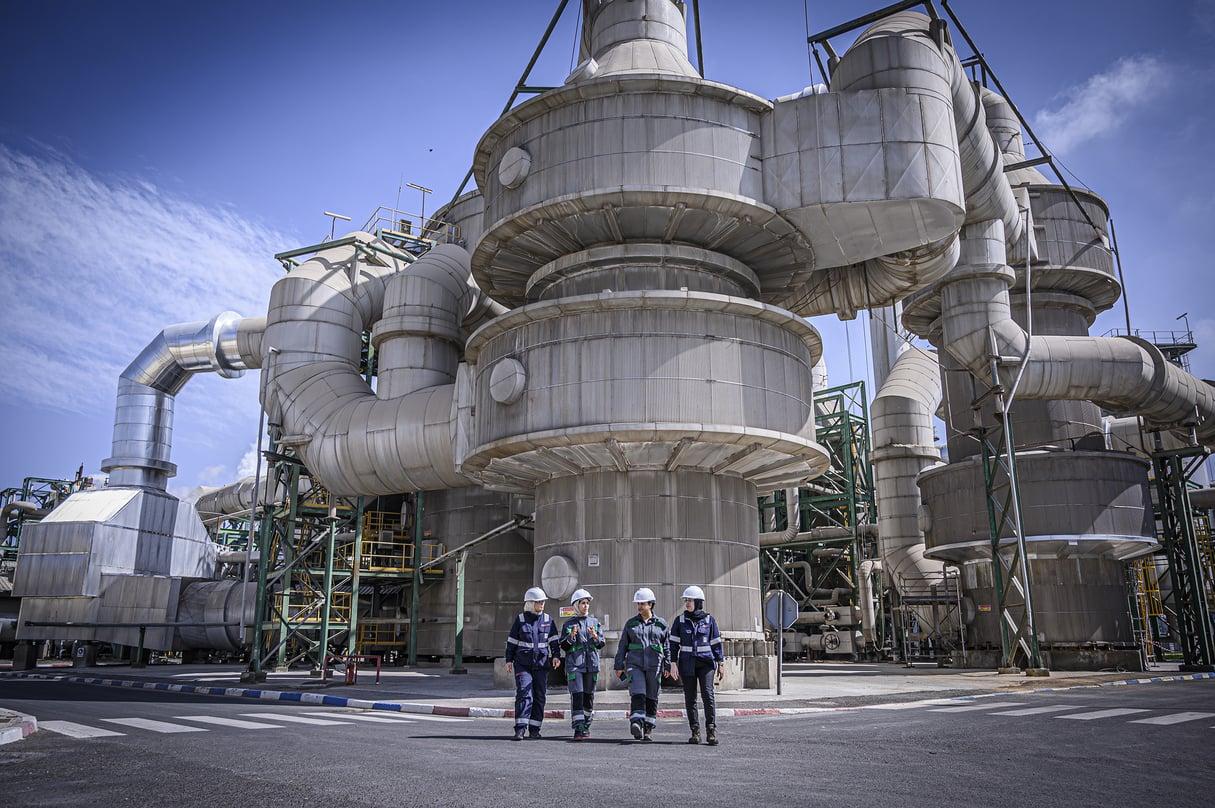
Morocco’s phosphate strength is no longer just an industrial advantage. It is becoming a global food security story. The United States has temporarily suspended certain duties on Moroccan phosphate fertilizer imports, as farmers face supply pressure linked to the Iran war and disruption around the Strait of Hormuz.
That is a major signal. When the world’s largest economy needs fertilizer stability, Morocco is suddenly not a distant supplier. It is part of the solution.
Morocco Sits On A Strategic Resource
Phosphate is not glamorous. It does not get the same attention as oil, gas, gold or lithium. But it is one of the most important inputs in global agriculture. Farmers need phosphorus to grow crops. Without fertilizer, yields can fall. When yields fall, food becomes more expensive and poorer countries are hit hardest. That is why phosphate matters. It is not only a mining product. It is a food-chain product. Morocco’s position in phosphate gives the Kingdom strategic weight far beyond normal commodity trade.
The U.S. Move Shows The New Reality
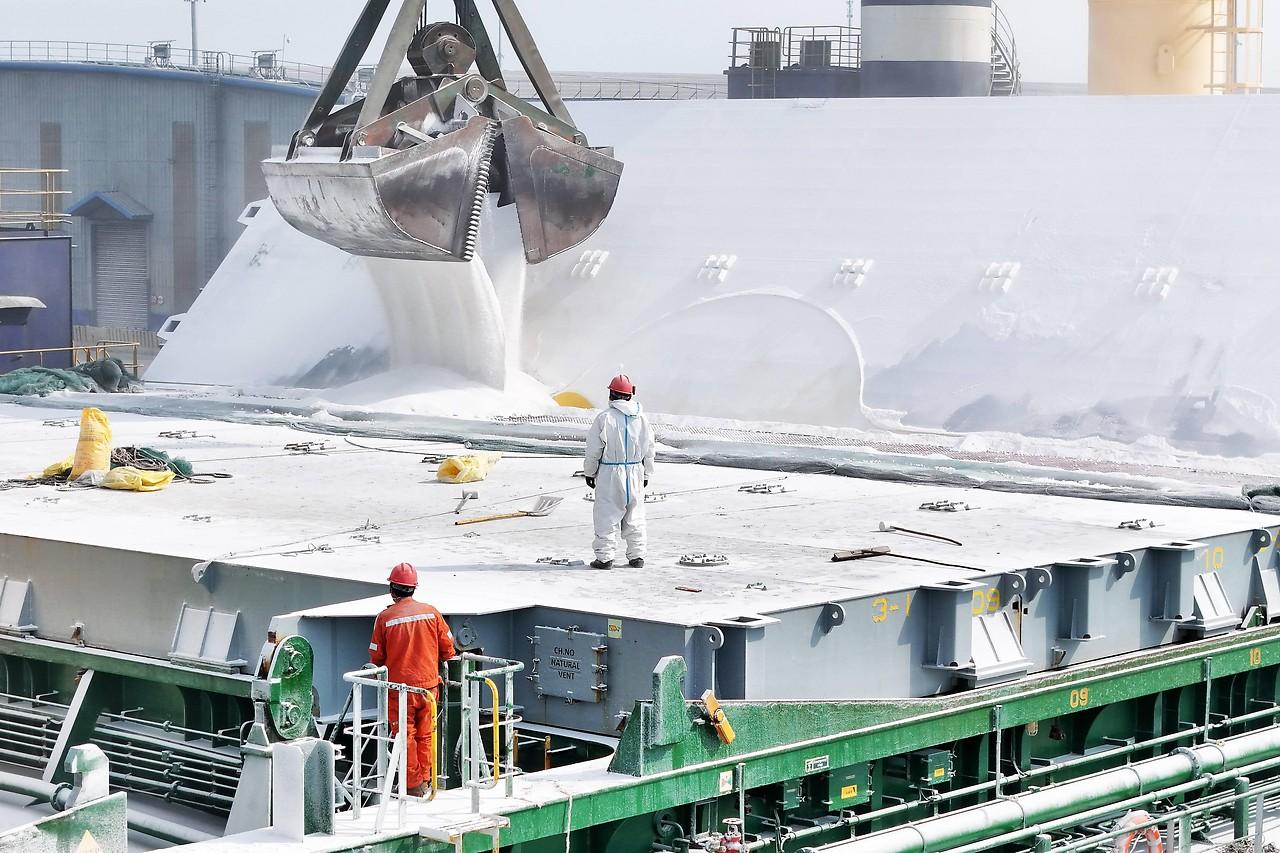
Washington’s decision to suspend some duties on Moroccan phosphate fertilizer is not a normal trade story. It is an emergency supply story. The White House said producers in countries such as Morocco can supply phosphate fertilizers to the United States without disruption at a time when global supply chains are under stress. That matters because trade barriers are usually political. Removing them temporarily means the product has become urgent. For Morocco, this is powerful. It shows that the country’s fertilizer capacity is not only useful in normal markets. It becomes more valuable when the world is unstable.
Hormuz Has Made Fertilizer A Security Issue
The Strait of Hormuz is often discussed in oil terms. But the latest crisis shows it also matters for fertilizers and agricultural inputs. When shipping routes are threatened, the impact moves through energy, transport, sulphur, ammonia, phosphate fertilizers and farm costs. That is why food security is now connected to maritime security. A disruption in the Gulf can affect farmers thousands of kilometres away. It can raise the cost of planting. It can reduce supply. It can feed inflation. That is how a military crisis becomes a supermarket issue.
OCP Is More Than A Moroccan Company
OCP Group is at the centre of this story. The Moroccan state-owned phosphate and fertilizer giant is one of the most important players in global fertilizer markets. Its role is not only to export a commodity. It helps determine how much fertilizer reaches farmers in moments of pressure. That makes OCP a strategic company. Not just for Morocco. For food systems across Africa, Europe, the Americas and Asia. When fertilizer supply tightens, countries look for reliable producers. Morocco’s advantage is that it can offer scale, experience and geopolitical stability compared with more disrupted supply zones.
The $1.5 Billion Bond Shows Investor Confidence
OCP’s financing power also matters. Reuters reported that the company raised $1.5 billion through its first international hybrid bond issuance in 2026, with strong investor demand. That is not a small detail. It shows global investors see OCP as more than a local industrial company. They see it as a major strategic issuer with international relevance. In a difficult market, access to capital is a form of strength. It allows OCP to invest, expand production, manage shocks and stay competitive while fertilizer markets face pressure.
Fertilizer Prices Hit Farmers Directly
For farmers, fertilizer is not an abstract cost. It is one of the biggest input expenses. When fertilizer prices rise, farmers face difficult choices. Use less and risk lower yields. Pay more and accept lower margins. Pass costs through to consumers if possible. Delay planting decisions. That is why governments watch fertilizer markets closely. Food security begins before harvest. It begins with inputs. If fertilizer becomes too expensive or unavailable, the problem appears later in crop output and food prices.
Morocco’s Role In Africa Is Especially Important
Morocco’s phosphate position has special importance for Africa. Many African countries need affordable fertilizer to improve yields, reduce food imports and strengthen rural economies. But many also face currency pressure, logistics problems and limited farm financing. That gives Morocco a regional opportunity. If OCP can supply, invest and partner across Africa, Morocco can become more than an exporter. It can become part of the continent’s food security architecture. That is a much bigger role than simply selling fertilizer abroad.
The Food Security Story Is Also Political
Food is political everywhere. When prices rise, households feel it quickly. Bread, vegetables, grains, cooking oil, animal feed and meat prices all connect indirectly to farm input costs. Governments know this. That is why fertilizer supply can become a national security issue. A country that controls or reliably supplies key fertilizer inputs has leverage. Not the same leverage as oil. But in some ways, even more basic. People can reduce travel when fuel is expensive. They cannot reduce the need for food.
Morocco’s Phosphate Advantage Has Branding Power
This is also a branding moment for Morocco. The Kingdom is often discussed through tourism, football, renewable energy, ports and the 2030 World Cup. But phosphate is one of its deepest structural advantages. It is less flashy. But it is more foundational. A country that helps feed the world has a different kind of power. That story should not be hidden behind technical language. It is simple. Morocco has a resource the world needs. And the world needs it more when supply chains break.
The Risk Is Dependence On Global Shocks
The opportunity is large, but it comes with risk. Commodity markets are volatile. Fertilizer demand can move with crop prices, weather, trade policy and geopolitical tension. Input costs can also hurt producers. Sulphur, ammonia, energy and shipping all matter in fertilizer production. That means Morocco’s advantage is not automatic. It must be managed through logistics, investment, technology, pricing discipline and long-term customer relationships. Scale is powerful. But execution still decides profit.
The U.S. Decision May Not Last Forever
The temporary U.S. suspension is not permanent. It can last up to 8 months or until the emergency ends. That means Morocco should treat the moment as a signal, not a guarantee. The opening shows demand for Moroccan supply under stress. But long-term gains depend on whether OCP and Moroccan trade strategy can convert emergency relevance into durable market share. That is the real business question. Not only can Morocco supply now, but can it become the preferred strategic supplier later?
Phosphate Links Morocco To Global Tables
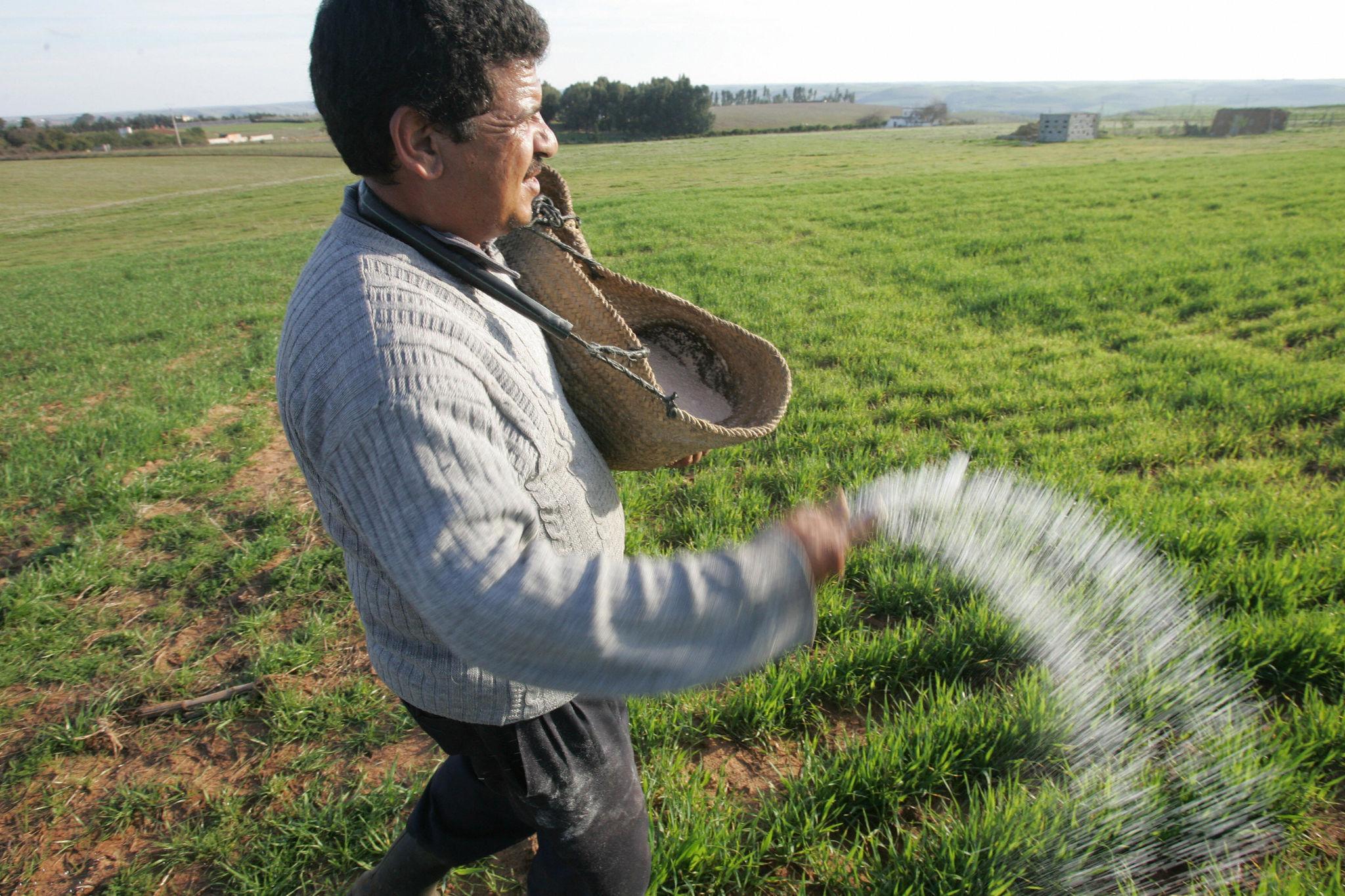
The most interesting part of the story is how invisible phosphate can be. A farmer in the United States. A wheat field in Africa. A food-price debate in Europe. A rice harvest in Asia. A supermarket bill in a family home. All of these can connect back to fertilizer supply. That is the hidden power of phosphate. It sits far upstream, but its effect travels everywhere.
The Bottom Line
Morocco’s fertilizer strength is becoming a global food security story. The U.S. decision to temporarily suspend certain duties on Moroccan phosphate fertilizer shows how important the Kingdom has become in a stressed global supply chain. With OCP Group raising $1.5 billion in international markets and fertilizer supply under pressure from Gulf disruption, Morocco’s phosphate sector is no longer just a national industrial asset. It is a strategic export engine. A food security tool. And one of Morocco’s strongest forms of economic power.