

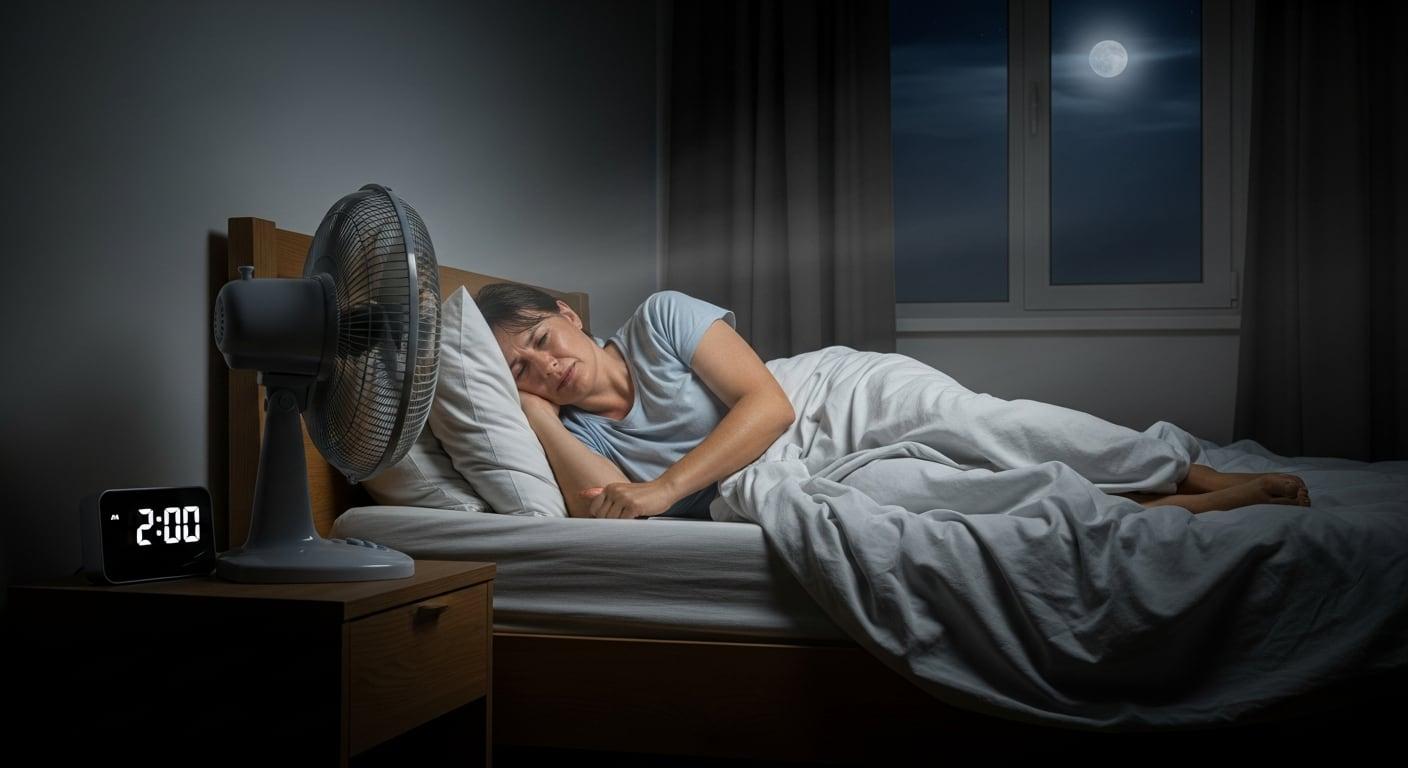
Tropical Nights are becoming one of Europe’s most uncomfortable climate signals, turning sleep from a basic human routine into a new luxury category.
For years, heatwaves were judged mainly by daytime records. The hottest afternoon, the highest city temperature, the beach warnings and the pressure on hospitals received most of the attention.
But the real lifestyle shock often arrives later.
When the sun goes down and the city still does not cool, the body has no recovery window. Homes stay hot, hotel rooms work harder, streets radiate stored heat, and millions of people enter the next day already tired.
Tropical Nights Are Changing The Meaning Of Comfort
Tropical Nights are not just hot evenings. They are nights when heat remains high enough to interrupt recovery, reduce sleep quality and make ordinary life feel heavier the next morning.
That changes the meaning of comfort.
In a hotter Europe, comfort is no longer only about a beautiful hotel, a famous city break or a stylish summer wardrobe. It is about whether the room cools properly, whether the street outside is breathable, whether the city offers shade, and whether the body can actually rest after a day of heat exposure.
Sleep is becoming part of the climate economy.
That may sound dramatic, but it is already visible in how travellers, hotels and cities are being forced to adapt.
Sleep Is Becoming A Climate Issue
The science is simple enough for every traveller to understand.
The body needs to cool down to fall asleep and stay asleep. When nighttime temperatures remain too high, that natural cooling process becomes harder, sleep becomes fragmented, and deep rest is reduced.
Le Monde reports that the ideal temperature for sleep is usually around 17°C to 19°C, while sleep quality begins to deteriorate when nighttime temperatures rise beyond 24°C to 25°C.
That turns heat into more than discomfort.
It becomes a public-health and productivity problem.
A tourist who sleeps badly spends differently the next day. A worker who sleeps badly performs less effectively. A city that does not cool at night becomes harder to live in, not only harder to visit.
Europe’s Heat Crisis Is Moving Indoors
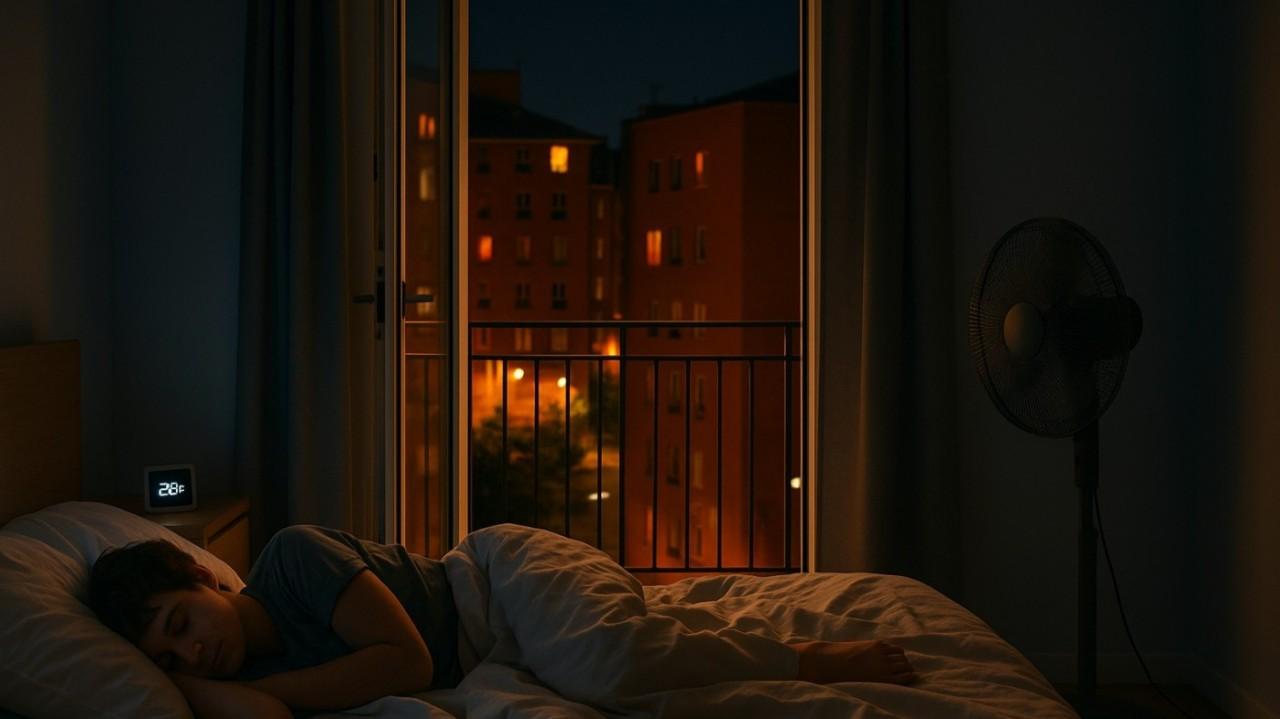
The old image of a heatwave was external: beaches, pavements, traffic, public squares and crowded terraces.
The new image is internal.
Bedrooms.
Apartments.
Hotel rooms.
Care homes.
Student housing.
Poorly insulated buildings.
This matters because Europe’s built environment was not designed for repeated extreme heat. Many homes were built to retain warmth, not release it. In cities, heat stored by buildings and roads can keep temperatures elevated long after sunset.
That creates a lifestyle divide.
Those with good air-conditioning, modern insulation and climate-ready buildings can buy relief. Those without them carry the heat into the night.
In this new climate reality, sleep quality may increasingly depend on income, housing and location.
Hotels Must Sell Rest, Not Only Design
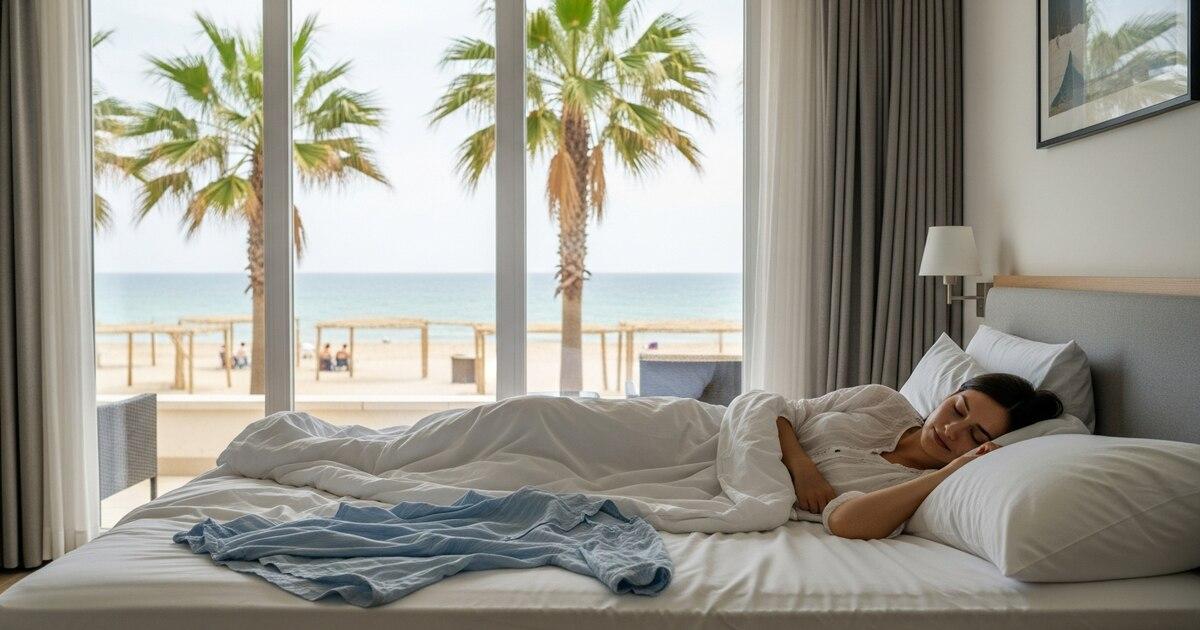
Luxury hotels used to sell the room through size, view, service and location.
Now they must also sell rest.
A stylish room that cannot cool properly is no longer a luxury room during a heatwave. A rooftop bar loses appeal if the heat remains oppressive after dark. A wellness hotel loses credibility if guests wake up exhausted.
This creates a new standard for hospitality.
Climate-resilient hotels will need stronger cooling systems, better ventilation, shaded outdoor spaces, indoor evening programming, hydration planning and more flexible guest schedules.
For premium travellers, sleep is part of the product.
The hotels that understand this will protect their pricing power. The hotels that ignore it may discover that design cannot compensate for discomfort.
The City Break Is Under Pressure
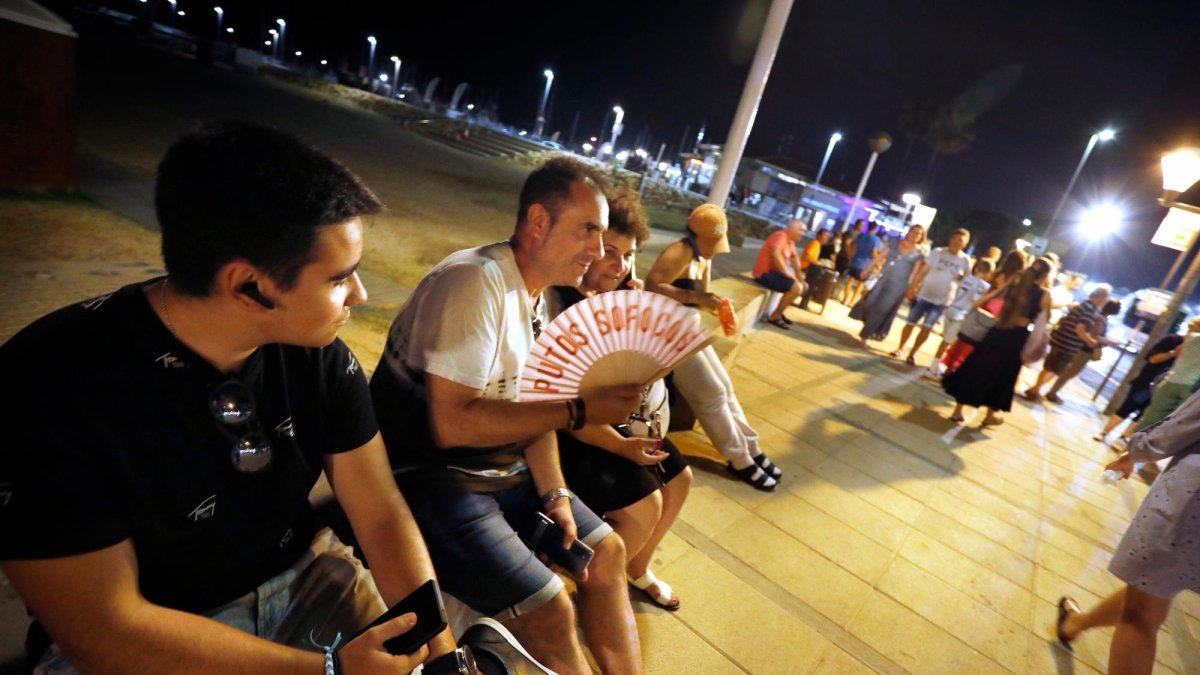
Tropical heat changes the rhythm of the city break.
A visitor may still want museums, shopping, restaurants and walking tours, but the usable day becomes shorter when afternoons are too hot and nights remain uncomfortable.
That affects the entire urban economy.
Guides may need earlier tours. Restaurants may shift later. Retail may lose peak foot traffic. Transport systems face more heat stress. Outdoor attractions become harder to manage.
Cities that once sold long summer weekends may have to redesign the visitor day around heat.
Morning becomes more valuable. Shade becomes infrastructure. Nightlife becomes more dependent on cooling, safety and transport.
The city that sleeps badly also sells badly.
Sleep Is The New Luxury Signal
The most important lifestyle shift is psychological.
Luxury used to be linked to excess: more space, more sun, more privacy, more service, more access.
Now one of the strongest luxury signals may be basic biological comfort.
A cool room.
A quiet night.
Clean air.
A shaded transfer.
A schedule that avoids heat exposure.
A destination that understands the body, not only the camera.
This is why Tropical Nights matter for the travel industry. They change what people value. A glamorous destination can lose appeal if the experience feels physically draining.
The future premium traveller may not ask only where the best hotel is.
They may ask where they can still sleep well in July.
Morocco Should Read The Lifestyle Signal
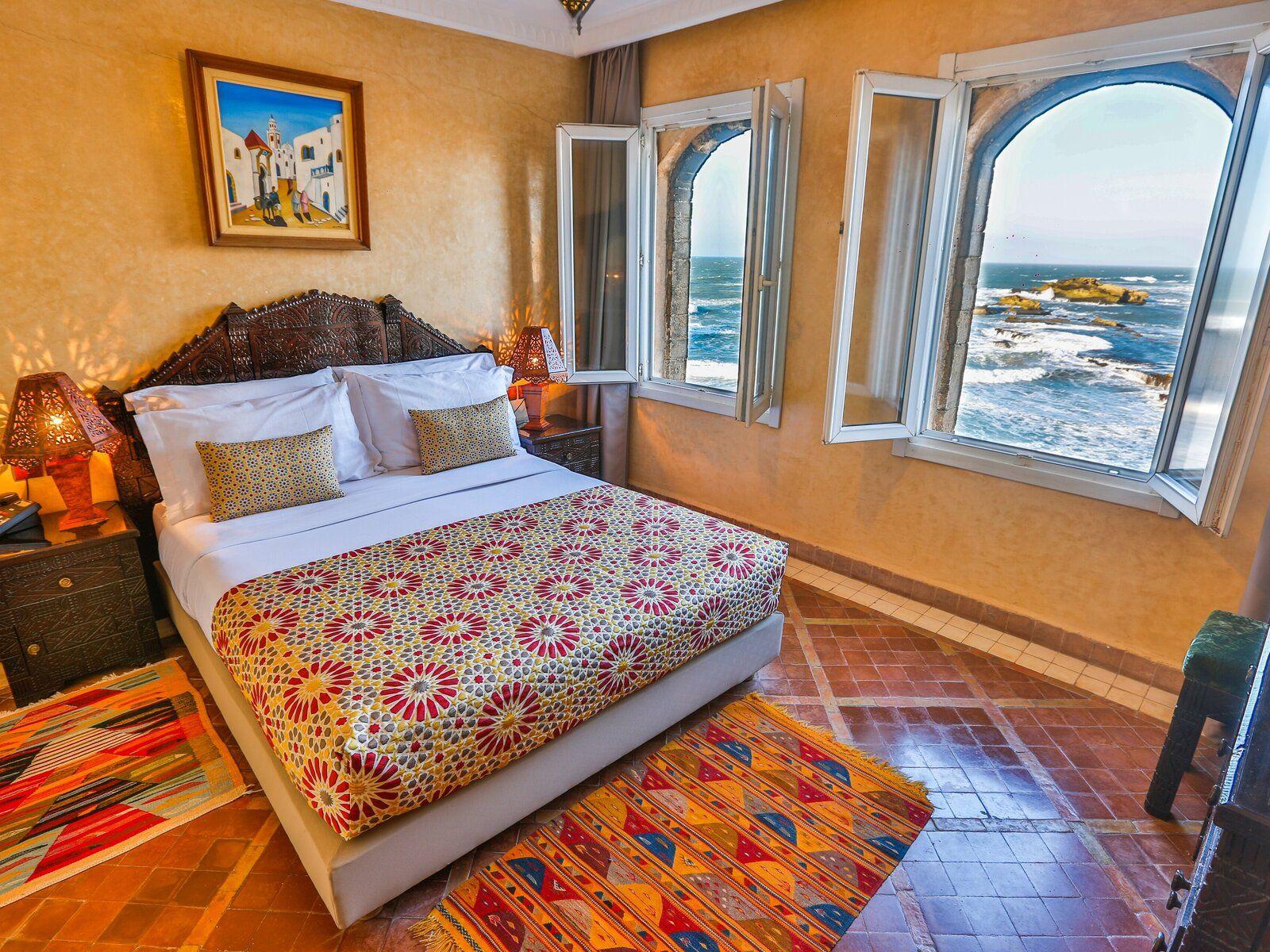
For Morocco, this European shift is important.
The country is preparing for a much larger global tourism cycle before 2030, and many of its strongest destinations depend on climate, seasonality and comfort. The lesson from Europe is not that warm destinations will lose demand. It is that warm destinations must become more intelligent in how they sell timing and experience.
Marrakech can remain powerful in autumn, winter and spring. Tangier, Essaouira, Rabat, Agadir and Dakhla can gain more strategic value when travellers seek Atlantic air, coastal movement and softer summer conditions.
The opportunity is clear.
Morocco can sell different versions of itself across the year rather than pushing every destination into the same summer logic.
Homes, Hotels And Cities Are Becoming Part Of Wellness
Wellness used to be marketed through spas, yoga, treatments and healthy food.
Now the building itself is becoming part of wellness.
A hotel that stays cool is a wellness product. A city with shaded streets is a wellness product. A home that allows people to sleep during a heatwave is a wellness product.
This is where lifestyle, climate and real estate begin to meet.
Developers, hotel groups and city planners will increasingly need to prove that buildings are not only attractive, but livable under higher temperatures.
That will affect design choices, operating costs and consumer expectations.
The Media Will Make Heat Feel Personal
Climate change can sometimes feel abstract when discussed through global averages.
Bad sleep makes it personal.
People may not always understand climate models, but they understand waking up tired, sweating through the night and needing to work or travel the next day without proper rest.
That is why the media conversation around Tropical Nights could become more powerful than daytime temperature records.
It connects climate to the body.
It shows that extreme heat is not only an environmental issue. It is a daily-life issue, a family issue, a health issue and a travel issue.
The Bottom Line
Tropical Nights are turning sleep into the new luxury.
As Western Europe records extreme heat and scientific evidence shows how high nighttime temperatures disrupt rest, the tourism and lifestyle industries are being forced to rethink comfort.
The new premium experience is not only about sunshine, design or location.
It is about recovery.
For Europe, this means hotter cities must redesign the way people live, sleep and travel. For Morocco, it is a warning and an opportunity before 2030: sell climate-smart destinations, protect visitor comfort and understand that rest itself is becoming part of the travel product.
The next luxury guest may not be impressed only by the view.
They will remember whether they slept.