
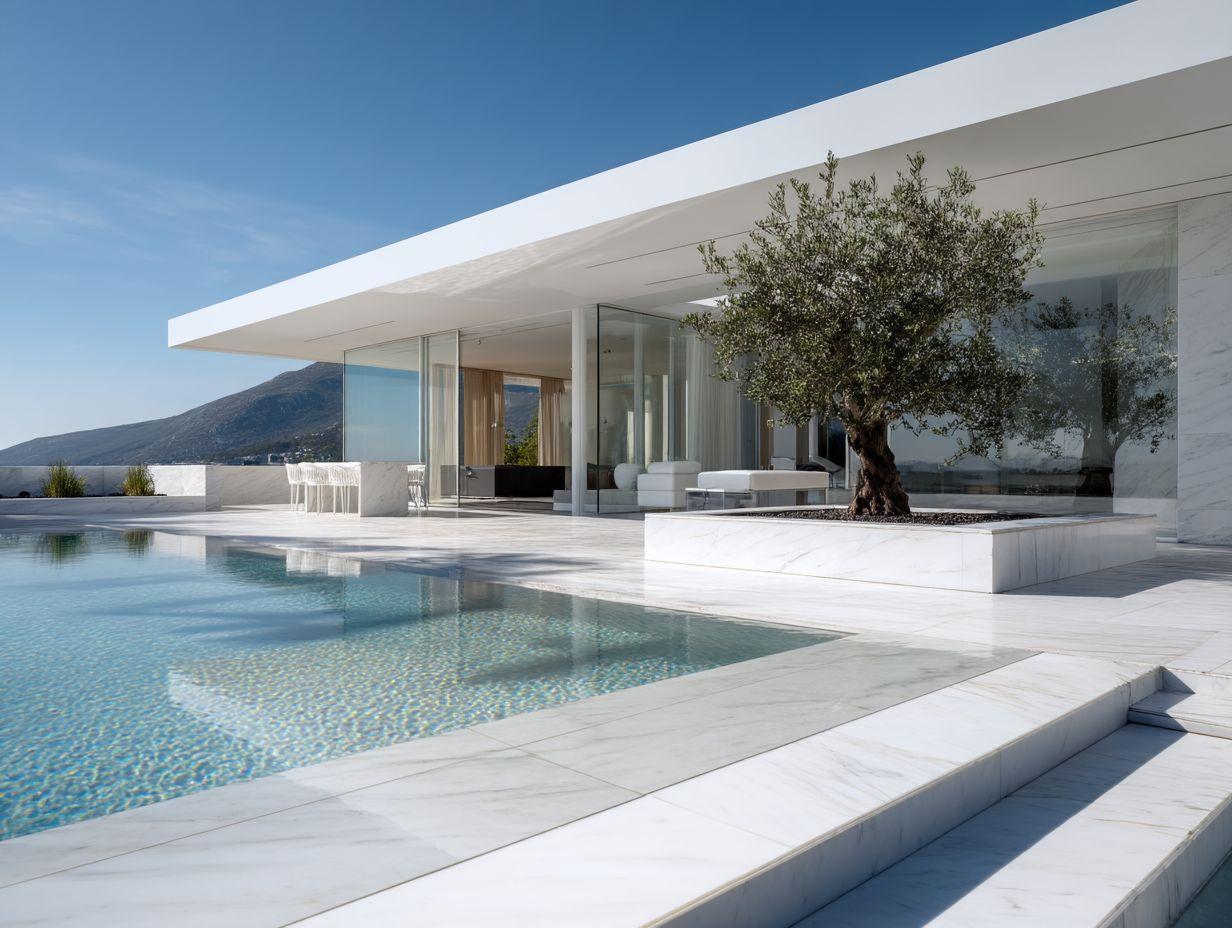
The Silent Luxury Reset is changing the way status is displayed, bought and protected.
For years, luxury was easy to recognise. Logos were visible, bags were identifiable, watches were obvious and the social signal was built around public confirmation. The owner wanted others to know. The market understood the message.
That language has not disappeared, but it is losing some of its dominance.
A different kind of status is rising: privacy, discretion, access, time, security, wellness, personal service and the ability to move through the world without being constantly tracked, targeted or exposed.
Luxury is not becoming less about power.
It is becoming less noisy about it.
Silent Luxury Reset Is A Status Correction
The Silent Luxury Reset matters because the luxury market is no longer moving in a straight line.
Bain & Company’s 2026 outlook, reported by Reuters, points to signs of recovery, but also to pressure beneath the surface. The personal luxury goods market is expected to grow 2% to 4% this year, yet the sector has lost around 70 million consumers since 2022 after years of price rises and a sharper focus on high-end clients.
That is a warning.
Luxury brands can raise prices, but they cannot keep weakening the emotional connection with wider aspirational consumers forever. When too many people feel priced out or over-targeted, the signal begins to change.
The new status is not only what someone buys.
It is how much control they have over the experience.
Logos Are No Longer The Only Signal
The first shift is the weakening of the obvious logo as the main language of status.
A logo still has value. It carries heritage, recognition and resale power. But visible branding can also feel too available, too copied or too dependent on public approval.
For some luxury consumers, the stronger signal is now the opposite.
A coat only insiders recognise.
A hotel entrance without a crowd.
A private dining room.
A watch that does not shout.
A villa that does not need to appear on Instagram.
This does not mean quiet luxury is new. Old money, elite tailoring and private-client culture have always existed. What is new is the way digital saturation has made discretion feel more valuable.
When everyone can perform status online, privacy becomes harder to buy.
Privacy Is Becoming A Premium Product
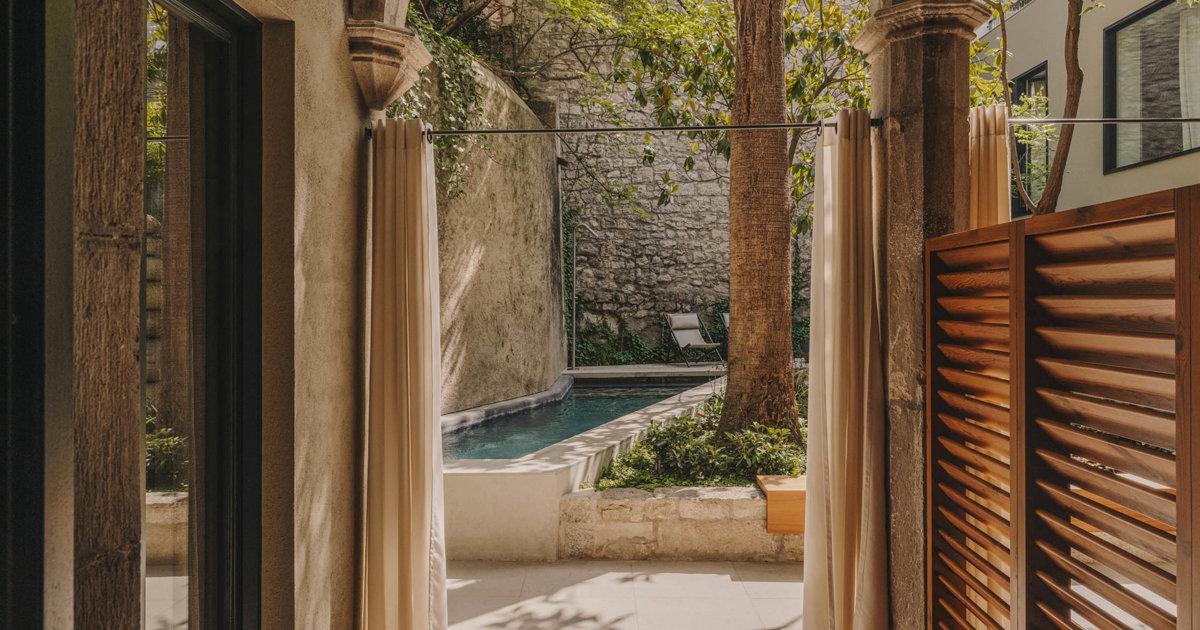
The second shift is privacy.
Vogue has reported that privacy is emerging as a new luxury marker as AI, data collection and hyper-personalised consumer experiences create growing concern among affluent shoppers. In that environment, the ability to control data, reduce tracking and access more private digital services begins to look like a serious status advantage.
This is a major change.
Luxury was once about being seen by the right people. Now it is increasingly about being invisible to the wrong systems.
Consumers are becoming more aware that every click, search, purchase, location and preference can be collected, analysed and monetised. For wealthy clients, that can feel less like convenience and more like exposure.
The next premium service may not only know the client well.
It may also know when not to watch them.
Access Beats Ownership
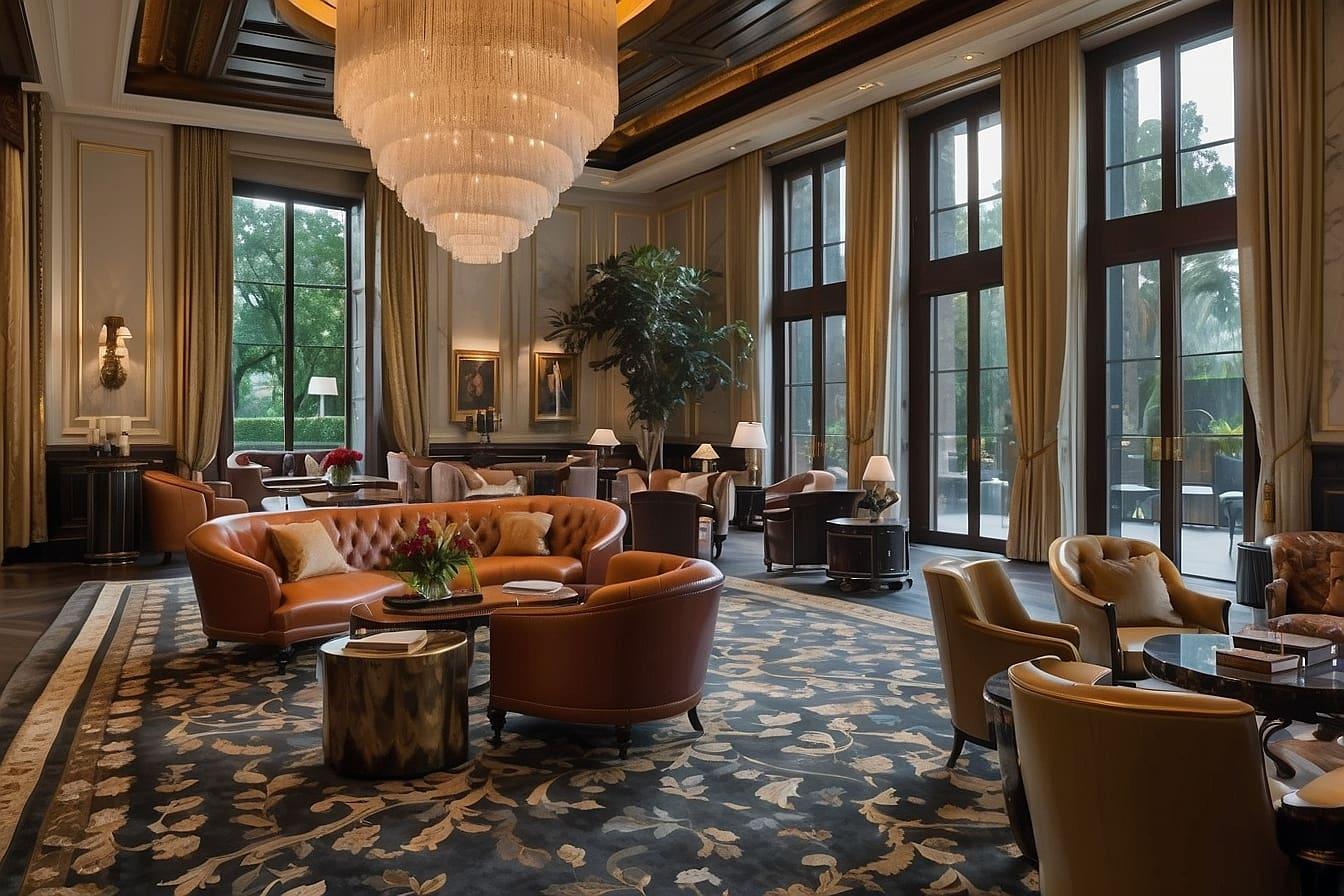
The third shift is access.
Owning expensive objects still matters, but modern status increasingly comes from places, networks and experiences that cannot be bought casually.
A private club.
A members-only wellness retreat.
A closed investment circle.
A hotel suite that is never listed publicly.
A restaurant table arranged through a relationship.
A brand appointment outside normal retail hours.
This kind of status is harder to fake because it depends on trust, connection and gatekeeping rather than only spending power.
In the Silent Luxury Reset, the question is not always “what did you buy?”
It is “where can you enter?”
Time Is The New Luxury Infrastructure

The fourth shift is time.
A consumer with money but no time is not fully free. That is why concierge services, private aviation, fast-track travel, personal shoppers, household management, medical access and family office support all sit inside the wider luxury economy.
Time-saving has become a luxury infrastructure.
This is especially visible in travel and hospitality. Premium clients want smooth transfers, private check-ins, quiet spaces, flexible schedules, reliable childcare, wellness planning and fewer moments of friction.
The richest experience is not always the most visible one.
It is the one where nothing feels difficult.
Wellness Is Becoming Less Performative
The fifth shift is wellness.
The old wellness image was public: gym selfies, spa content, branded supplements, celebrity routines and visible self-optimisation. The newer luxury version is more private and medicalised.
Sleep.
Recovery.
Hormone tracking.
Longevity clinics.
Mental quiet.
Nutrition.
Private diagnostics.
Controlled environments.
This is not only lifestyle branding. It reflects a deeper change in how status is understood. Looking wealthy is no longer enough. Feeling protected, rested and biologically managed is becoming part of the premium promise.
Luxury is moving from display to resilience.
The Luxury Market Cannot Ignore The Lost Consumer
The Silent Luxury Reset also reflects a market correction.
If the sector has lost tens of millions of consumers since 2022, luxury brands face a strategic problem. They may have protected margins by increasing prices, but they risk narrowing the audience too far.
Aspirational consumers matter because they create energy around brands. They buy entry products, engage online, influence culture and may become higher-value customers over time. If they disappear, luxury becomes more profitable in the short term but weaker culturally.
That is why the reset is not only aesthetic.
It is commercial.
Brands must rebuild relevance without destroying exclusivity.
Social Media Made Loud Luxury Too Easy
Social media changed luxury by making it constantly visible.
A bag, watch, hotel room or restaurant table can become content instantly. That visibility helped brands grow, but it also made some luxury signals feel less rare. If everyone is posting the same object, the object may remain expensive but lose part of its mystique.
The result is a move toward signals that are harder to screenshot.
Service quality.
Privacy.
Personal relationships.
Restricted access.
Discretion.
Real-world comfort.
The more digital status becomes performative, the more elite consumers may value what does not need to be posted.
AI Raises The Stakes
Artificial intelligence adds another layer.
Luxury brands are using AI for recommendations, customer service, personalisation, inventory planning and clienteling. These tools can improve service, but they also raise questions about data and intimacy.
A premium client may appreciate a brand that remembers preferences. But they may not appreciate a system that feels too invasive.
This is where the next luxury standard will be set.
The best brands will not simply collect more data. They will collect less, explain better and use information in ways that feel respectful. Privacy will become part of the service design.
Trust will become a luxury feature.
Morocco Can Read The Signal
For Morocco, the Silent Luxury Reset has direct relevance.
The country is growing as a destination for premium tourism, real estate, hospitality and lifestyle investment. But high-end visitors are not only looking for beautiful riads, desert camps or luxury hotels. They increasingly want privacy, calm, security, discretion and service that feels personal without being intrusive.
This is an opportunity for Morocco.
Private villas, discreet hospitality, boutique wellness, closed-door dining, family-friendly luxury and quieter coastal or mountain experiences can all fit the new status language.
The country should not only sell colour and spectacle.
It should also sell control.
The New Premium Moroccan Experience
A future premium Moroccan offer could be built around privacy-led travel.
A quiet arrival.
A discreet driver.
A villa instead of a crowded hotel.
A private chef instead of a public restaurant every night.
A guided medina experience away from peak hours.
A wellness itinerary that feels grounded rather than performative.
A coastal retreat that offers air, space and calm.
This kind of luxury is not about hiding Morocco’s energy. It is about giving premium travellers the ability to choose when they enter it.
That choice is where value sits.
Brands Must Learn To Whisper Again
The brands that win the next luxury cycle may be those that learn to whisper again.
That does not mean becoming boring.
It means understanding that constant visibility can weaken desire. Mystery, scarcity and restraint have always been part of luxury, but they become even more important when every consumer is also a broadcaster.
The most powerful status signals may become the ones that do not need public explanation.
The client knows.
The circle knows.
The brand knows.
Everyone else does not need to.
The Bottom Line
The Silent Luxury Reset is moving status from logos to privacy.
Luxury is still about power, but the language of power is changing. The new premium signals are discretion, access, time, wellness, personal service and control over data in a world where visibility has become cheap and exposure has become constant.
For global brands, the reset is a warning that price increases and loud visibility cannot replace trust, relevance and emotional connection.
For Morocco, it is an opportunity.
The next premium visitor may not want the loudest experience. They may want the most protected one.