

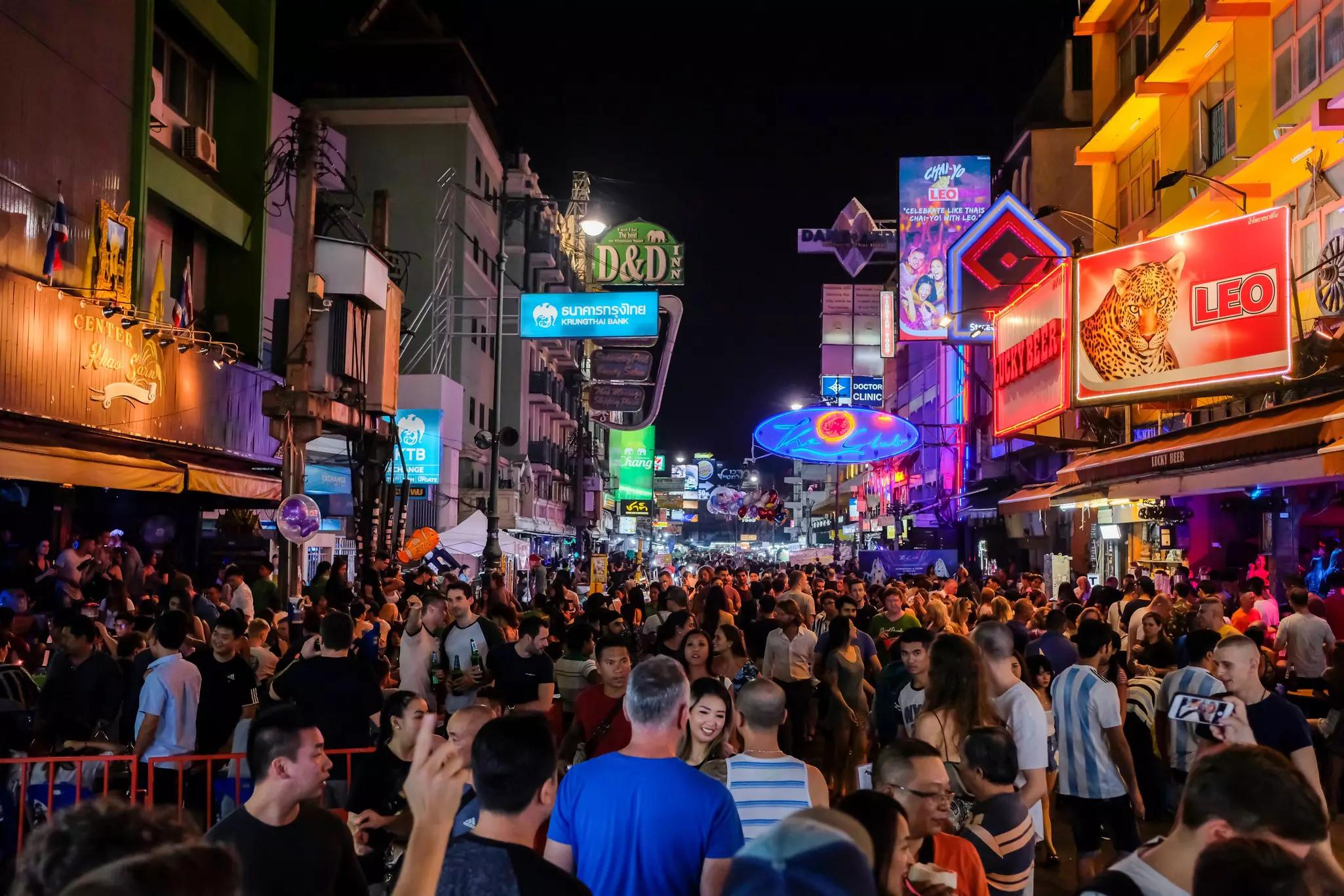
The Nightlife Safety Shock in Bangkok has turned a night out into a national debate about risk, regulation and the hidden dangers inside entertainment venues.
A pub fire is not only a tragedy when people die. It becomes a warning about the systems that were supposed to protect them before the first spark appeared.
The fire at Rong Beer Na Lat Phrao has now killed 30 people, with more victims still fighting for their lives. What began as a night of music and social life ended as one of Thailand’s deadliest entertainment-venue disasters in years.
The question now is no longer only how the fire started.
It is why so many people could not escape fast enough.
Nightlife Safety Shock Exposes The Real Risk
The Nightlife Safety Shock matters because nightlife is built on trust.
People enter bars, clubs, music venues and restaurants assuming that someone has checked the exits, wiring, layout, capacity, fire materials and emergency procedures. They do not inspect ceiling systems before ordering a drink. They do not check whether a stage decoration is flammable. They do not count exit doors before meeting friends.
That trust is invisible until it fails.
Reuters reported that Bangkok authorities are investigating possible safety violations, including blocked emergency exits, overloaded wiring and flammable materials. Survivors described smoke, panic and the feeling that there was no clear way out.
This is where the tragedy becomes a wider lifestyle story.
Going out should not require the survival instincts of an emergency planner.
A Venue Is Not Safe Because It Looks Normal
One of the most dangerous assumptions in nightlife is that a venue must be safe because it is open, crowded and familiar.
That is not enough.
A place can look successful and still be structurally dangerous. It can have music, lights, staff, customers and a lively atmosphere while hiding weaknesses behind walls, ceilings, decorations and narrow corridors.
Fire safety is not visible to ordinary guests.
A venue may feel modern, popular and energetic, but the real safety test sits in details that most people never see: electrical load, exit routes, emergency lighting, sprinklers, fire-resistant materials, crowd flow and whether staff know what to do when panic begins.
The Bangkok fire shows how quickly the atmosphere of leisure can become a trap.
The Exit Question Is The Central Question
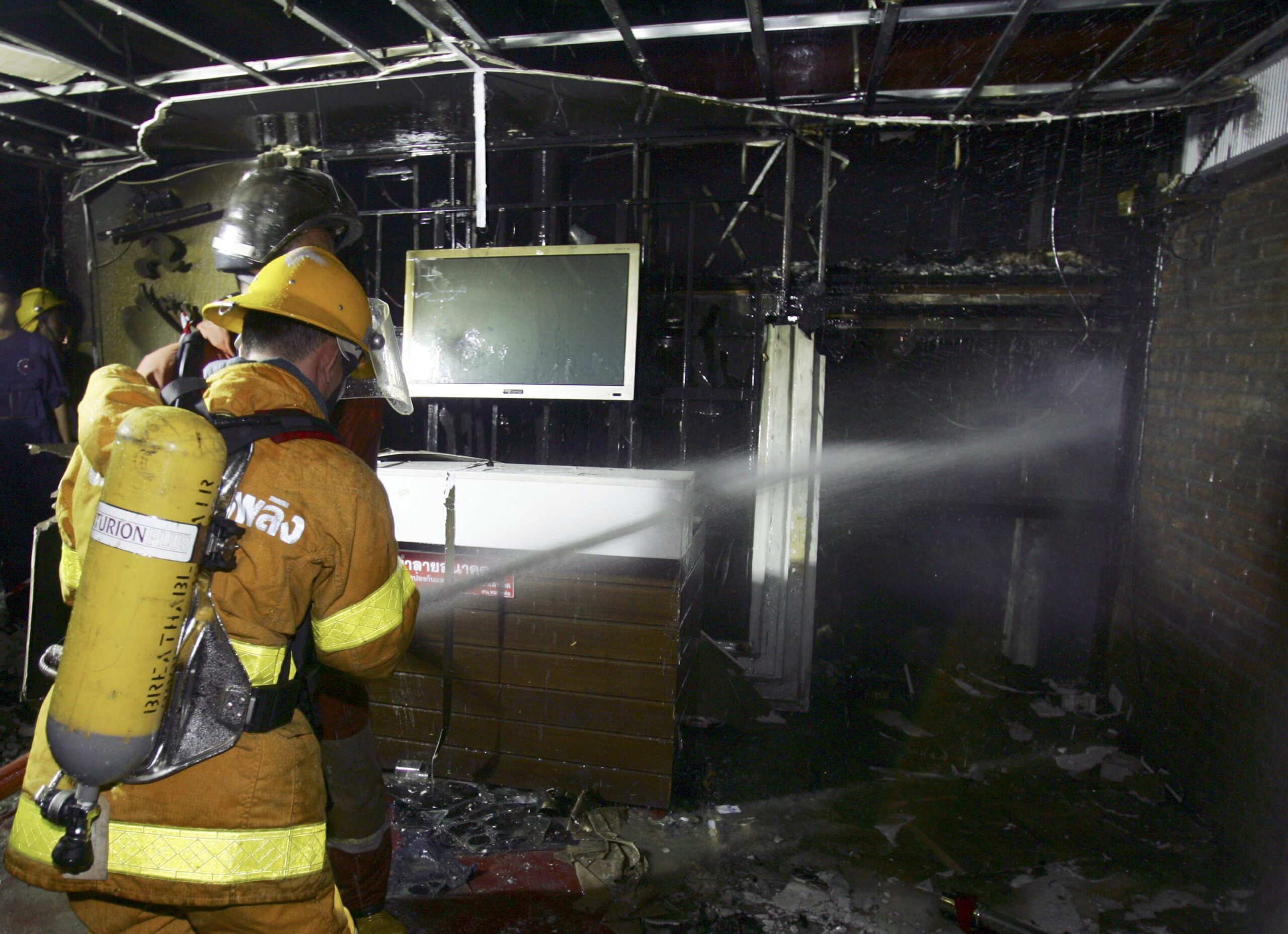
In every nightlife fire, exits become the most important part of the story.
A fire can start for many reasons. A short circuit, a stage effect, a kitchen fault, overloaded wiring or poor maintenance can all create danger. But the death toll often depends on what happens next: how fast people see the risk, where they move, whether exits are open, whether smoke blocks visibility and whether the crowd can leave without crushing itself.
Reuters reported that investigators were examining blocked exits as part of the safety questions around the Bangkok pub fire.
That detail matters because it turns the debate from accident to accountability.
If exits are blocked, hidden, locked, poorly marked or too narrow, the danger was already present before the fire.
Nightlife Depends On Enforcement
Regulation is easy to promise after a disaster.
The harder question is whether enforcement existed before it.
Bangkok Governor Chadchart Sittipunt has promised stricter safety inspections and random checks after the fire, according to Reuters.
That is necessary, but it also raises the uncomfortable question: why do the strictest checks often come after the deadliest events?
Nightlife businesses operate in a space where commercial pressure can be intense. Venues want more customers, more sound, more decoration, more atmosphere and more revenue. Safety rules can be treated as paperwork, unless inspectors make them real.
A law that is not enforced becomes interior decoration.
It exists, but it does not protect anyone.
The Registration Problem Matters
AP reported that the venue was registered as a restaurant with live music rather than as an entertainment venue, a classification that may have exempted it from stricter safety rules.
This kind of classification issue is not a technical detail.
It can decide which rules apply, how often inspections happen, what safety systems are required and how much responsibility the operator carries.
Across many cities, nightlife has become harder to classify. A restaurant becomes a bar at night. A café becomes a live-music space. A lounge becomes a club. A small venue adds DJs, lighting, sound equipment and dense crowds without always accepting the regulatory burden of a full entertainment venue.
That grey zone can be dangerous.
If a space behaves like a nightclub, it should be inspected like one.
The Victims Were Not Taking A Special Risk
There is a temptation after nightlife tragedies to treat victims as people who accepted danger by going out late.
That is wrong.
Going to a pub, listening to music or meeting friends is ordinary life. It should not carry a hidden risk of being trapped by smoke, blocked exits or unsafe materials.
The victims were not entering an extreme environment.
They were entering a public venue.
That distinction matters because public venues carry public responsibility. Operators, landlords, inspectors and city authorities all have roles in making sure that leisure spaces do not become death traps.
Nightlife is not a legal vacuum after dark.
The Business Model Must Include Safety
For venue owners, safety is often seen as cost.
Fire doors, inspections, wiring upgrades, alarms, sprinklers, staff training and capacity limits all take money. They may reduce short-term profit or slow operations.
But the Bangkok fire shows the opposite truth.
Safety is not a cost outside the business model. It is the condition that allows the business model to exist.
A venue selling music, drinks and atmosphere is also selling the promise that guests can leave alive if something goes wrong. When that promise fails, no marketing, apology or social media statement can repair the damage.
A nightlife brand is only as strong as its emergency exit.
Staff Training Can Decide Minutes
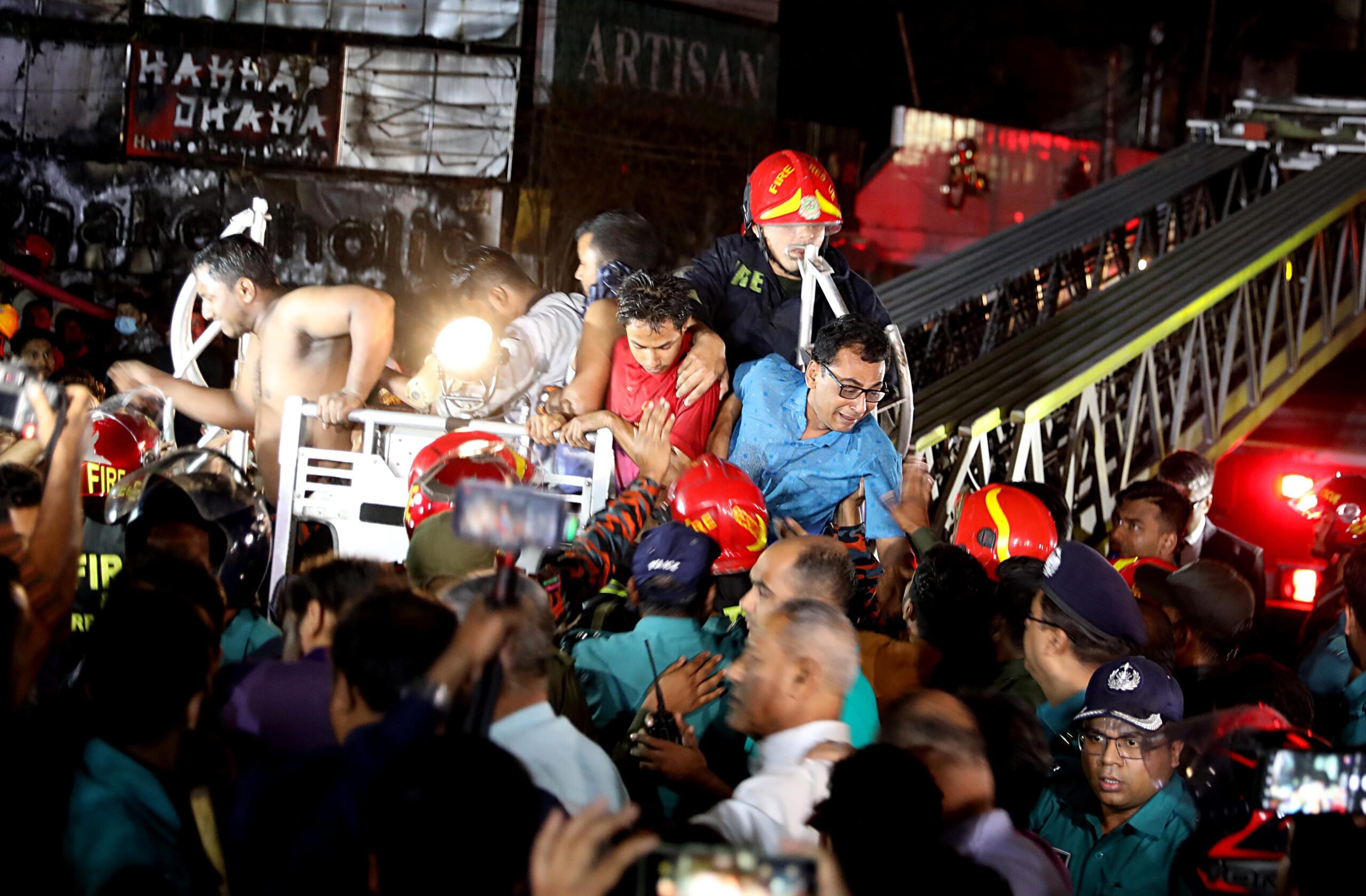
Fire safety is not only architecture.
It is human behaviour.
Staff must know how to respond quickly, where to direct people, how to open exits, how to avoid panic and how to communicate danger without creating chaos. In a smoke-filled room, seconds matter. Confusion can kill.
Many venues focus staff training on service, sales and crowd management.
Emergency training is often weaker.
That has to change.
The person serving drinks, checking tickets or managing the stage may become part of the survival chain during a crisis. If staff are not trained, guests lose one of the few sources of guidance available when visibility, sound and panic collide.
Nightlife Cities Must Protect Their Brand
Bangkok is one of Asia’s most famous nightlife cities.
That makes the fire not only a local tragedy, but a reputational test. Tourists, residents and investors will watch how authorities respond, whether inspections become serious and whether similar venues are checked before another disaster occurs.
A nightlife city depends on confidence.
People need to feel that entertainment districts are exciting but not reckless, vibrant but not lawless, crowded but not unsafe.
If safety becomes questionable, the entire nightlife economy suffers: bars, restaurants, music venues, hotels, taxis, tourism operators and surrounding businesses all feel the reputational damage.
The city’s energy must be protected by the city’s rules.
Tourists Rarely Understand Local Risk
Tourists are especially vulnerable in nightlife environments.
They may not know local safety standards, building layouts, emergency numbers or whether a venue has a history of violations. They may follow crowds, online reviews or social media recommendations without understanding the regulatory context behind the place.
That creates a duty for cities.
Tourist districts and nightlife venues should not depend on visitors knowing what to avoid. Safety must be built into the system before visitors arrive.
A traveller should not need local knowledge to survive a night out.
The Social Media Layer Can Mislead
Modern nightlife is marketed through visuals.
A venue can look attractive on Instagram: lights, crowds, performers, cocktails, stage design and energy. But social media rarely shows fire exits, wiring, extinguishers, sprinkler systems or inspection records.
This creates a dangerous gap between image and safety.
The most photogenic venue is not necessarily the safest venue. A packed room can look successful online while being dangerously overcrowded in reality.
Consumers should be careful, but the main responsibility cannot sit with them. Regulators and operators must ensure that what looks exciting is also structurally safe.
The Reform Test Starts Now
After the Bangkok fire, promises of stricter rules will not be enough.
The real test will be visible enforcement.
How many venues are inspected?
How many are fined?
How many are closed temporarily?
How many operators are forced to upgrade wiring, exits or materials?
How many classification loopholes are closed?
How many inspection results become transparent?
The public does not need symbolic safety campaigns. It needs rules that change behaviour before the next disaster.
A city proves seriousness not by mourning correctly, but by preventing repetition.
The Bottom Line
The Nightlife Safety Shock in Bangkok has exposed the hidden risks inside venues that millions of people enter casually every week.
The fire at Rong Beer Na Lat Phrao has killed 30 people, left many more injured and raised urgent questions about blocked exits, wiring, flammable materials, venue classification and enforcement.
This was not only a nightlife tragedy.
It was a systems failure warning.
Going out should not depend on luck, clear weather, a working exit or a guest’s ability to find a way through smoke. It should depend on inspected buildings, enforced rules, trained staff and owners who understand that safety is not optional.
The music can be loud.
The rules must be louder.