
Apple’s Value Crown is back, and Wall Street is rewriting the story of who wins from artificial intelligence.
For much of the AI boom, the answer looked simple.
Nvidia sold the chips.
Nvidia powered the data centres.
Nvidia became the symbol of the new computing race.
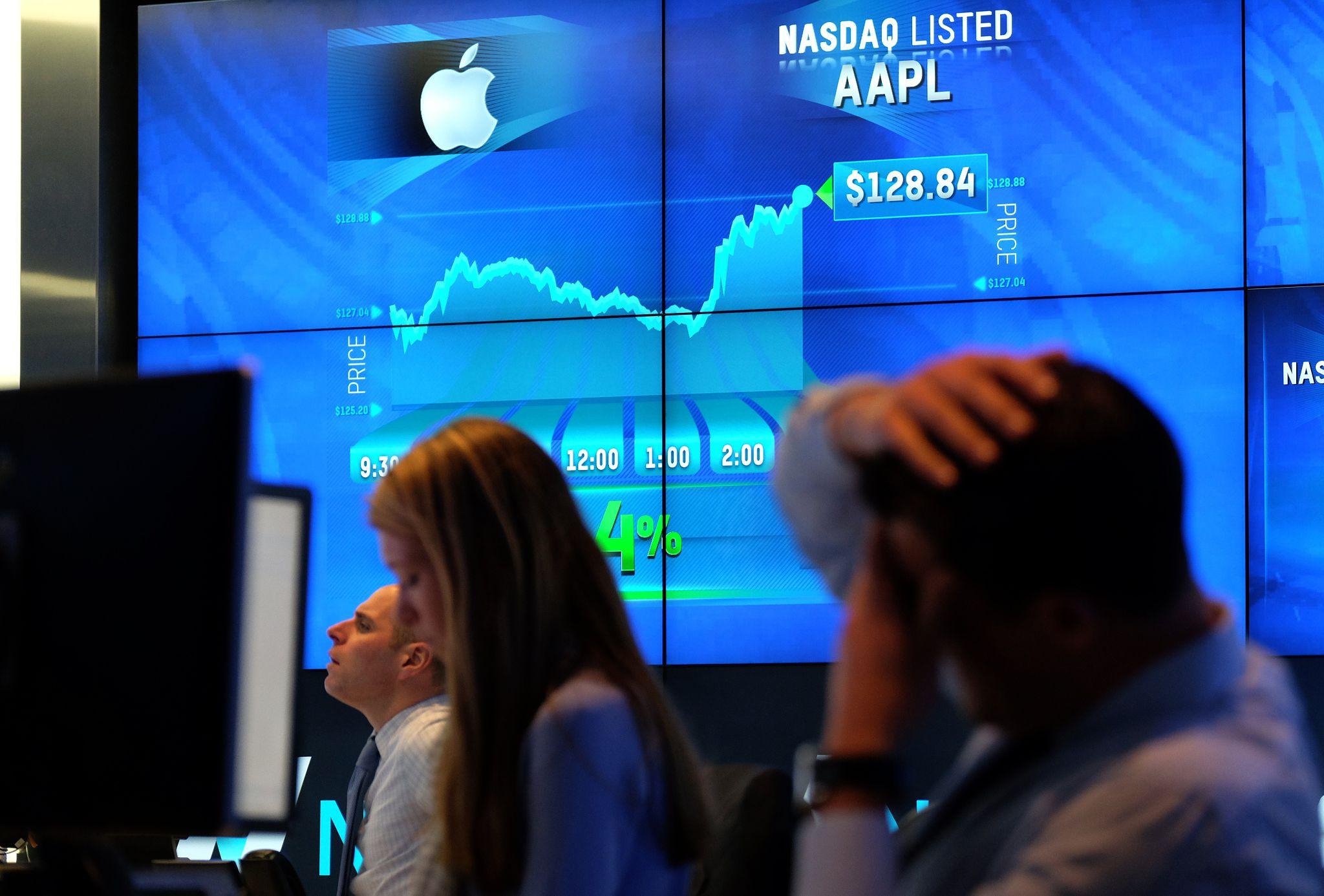
But Apple has now moved ahead of Nvidia to become the world’s most valuable company, a shift that says something important about investor psychology. The market is no longer looking only at the companies building the AI infrastructure. It is also looking at the companies that may bring AI into daily consumer life at scale.
That is Apple’s opening.
Not the biggest model.
Not the loudest data-centre story.
The device in your hand.
Apple’s Value Crown Changes The AI Debate
Apple’s Value Crown matters because it challenges the idea that the AI trade belongs only to chipmakers.
Nvidia remains essential to the AI economy. Its GPUs are still central to training models, powering data centres and enabling the infrastructure behind generative AI. But Wall Street has started asking a different question.
Who turns AI into a daily habit?
Apple’s answer is obvious: the iPhone.
The company controls the device, operating system, app ecosystem, services layer, payments relationship, privacy message and consumer upgrade cycle. If AI becomes a feature people use every day, Apple has a direct route into hundreds of millions of pockets.
That is why the market can value Apple differently.
It is not just selling technology.
It is selling the interface between humans and technology.
Nvidia Is Still Powerful, But Less Untouchable
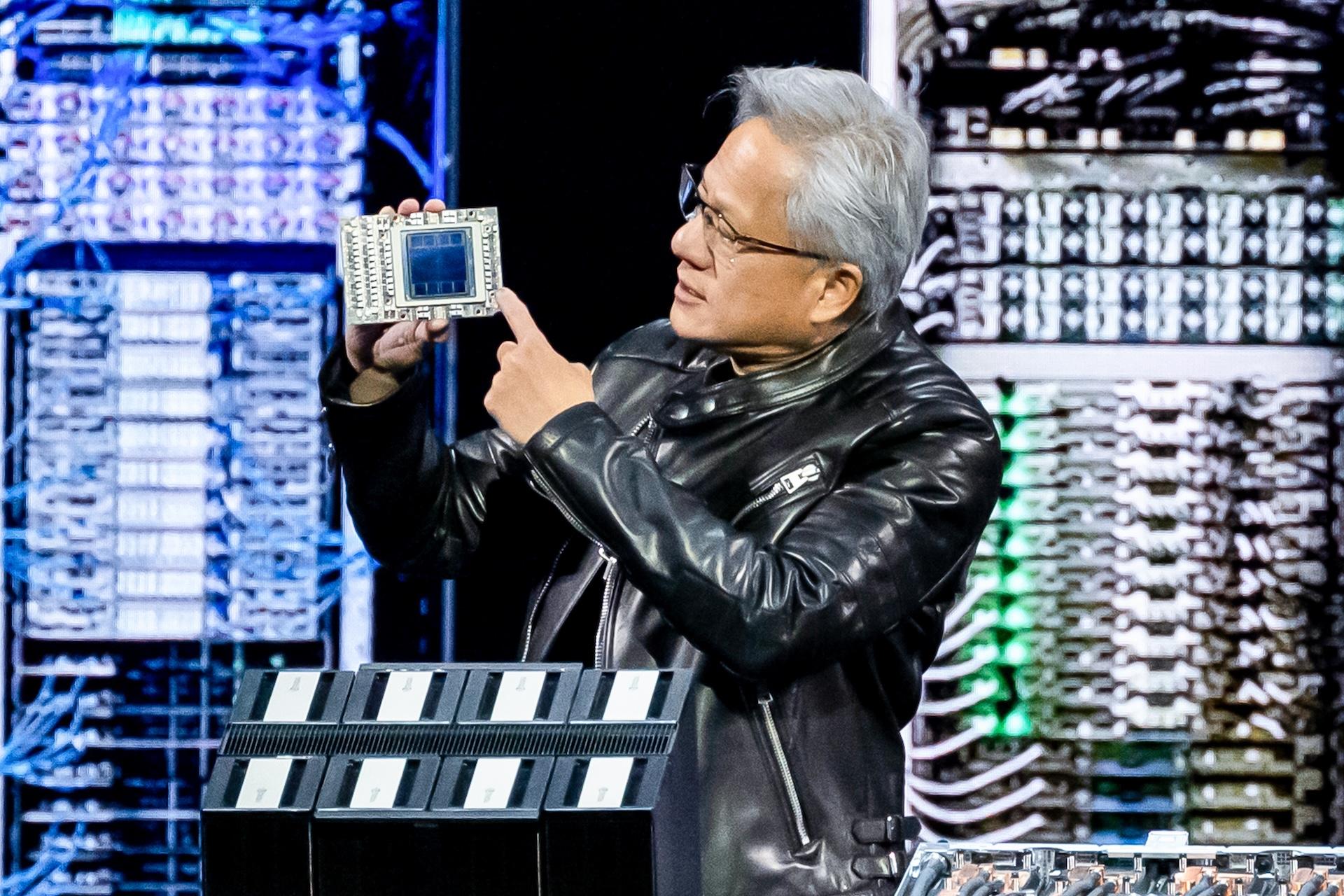
Nvidia’s decline does not mean the AI chip story is over.
It means the market is becoming less one-directional.
Reuters reported that Nvidia shares fell 3.5%, leaving the company valued at around $4.86 trillion, while Apple moved to about $4.88 trillion. Nvidia had previously crossed the $5 trillion mark, but the pullback shows that even the clearest AI winner can face valuation pressure when expectations become extreme.
That is normal in markets.
A company can remain strategically vital and still become vulnerable to profit-taking, competition worries or concerns that too much future growth has already been priced in.
Nvidia is not losing relevance.
It is losing the aura of invincibility.
Apple Wins Through The Ecosystem
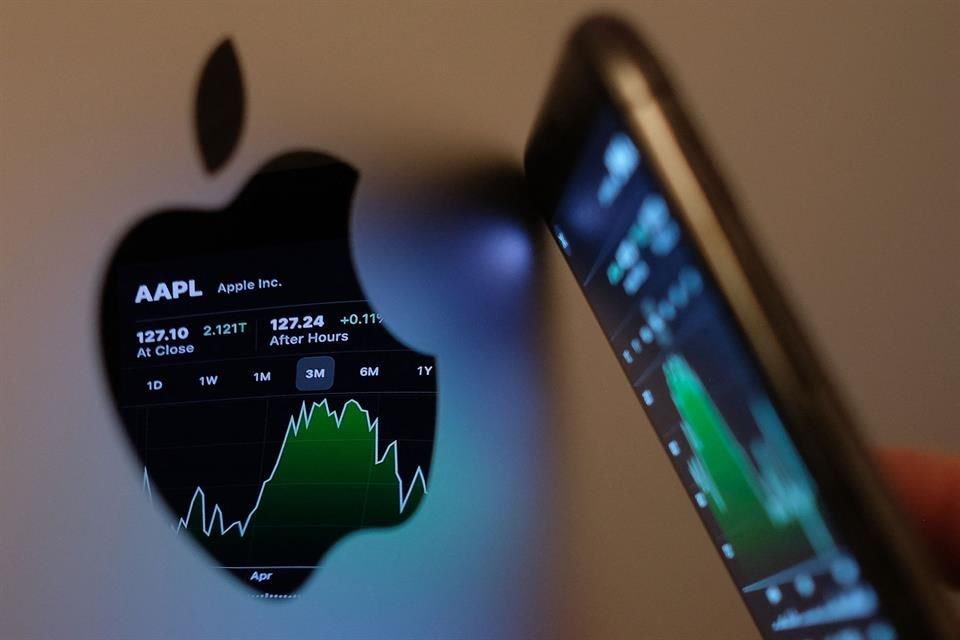
Apple’s strongest asset is not one chip, one app or one AI model.
It is the ecosystem.
The iPhone connects to the Mac, iPad, Apple Watch, AirPods, services, subscriptions, payments, cloud storage and App Store relationships. That network gives Apple something Nvidia does not have: direct consumer intimacy at massive scale.
AI inside Apple’s ecosystem can become personal in a way that data-centre AI cannot.
A smarter Siri.
More useful writing tools.
Better photo search.
On-device assistance.
Health insights.
Calendar support.
Privacy-aware recommendations.
Cross-device intelligence.
None of these features need to sound revolutionary alone. Together, they can make the Apple ecosystem harder to leave.
That is the business model Wall Street understands.
The AI Winner Story Is Broadening
The first phase of the AI boom rewarded infrastructure.
Chips, servers, cloud providers, data-centre builders and power suppliers became the obvious winners because AI needed physical scale. Nvidia stood at the centre of that trade.
The second phase may reward distribution.
Who owns the user?
Who owns the workflow?
Who owns the daily interface?
Who can make AI useful without forcing people to learn new behaviour?
Apple is strong in that second phase.
It does not need to persuade consumers to visit a new platform. It can insert AI into the tools people already use every day.
That is less dramatic than a massive data centre.
But it may be more durable.
Privacy Becomes Part Of The Value Case
Apple’s AI strategy is also tied to privacy.
The company has long positioned itself as a privacy-focused technology brand, and that identity could become more valuable as AI systems handle more personal data, voice commands, photos, messages, calendars and private context.
Reuters notes that Apple’s AI strategy includes using personal data on iPhones to enhance Siri while maintaining user privacy.
That is strategically important.
Many consumers want smarter devices, but they do not want every personal detail sent into a black-box cloud system. Apple can argue that its combination of on-device processing, controlled architecture and privacy branding makes its AI more acceptable for everyday life.
In AI, trust may become a feature.
Apple already knows how to sell trust.
The iPhone Is Still The Real Platform
Every few years, investors ask whether the iPhone era is fading.
Then Apple reminds them that the iPhone is not only a phone.
It is the control point for modern digital life.
Banking.
Travel.
Health.
Messaging.
Photos.
Work.
Entertainment.
Payments.
Navigation.
Identity.
If AI improves the iPhone experience, even modestly, the business impact can be large. It can support upgrades, strengthen services, improve retention and protect Apple’s premium pricing.
That is why Apple does not need to own the entire AI stack to win.
It needs to own the consumer moment where AI becomes useful.
The iPhone gives it that moment.
Wall Street Is Rewarding Durability

Apple’s market rise also reflects investor appetite for durability.
AI infrastructure stocks can grow quickly, but they can also become volatile when investors worry about cycles, margins, supply constraints or whether customers are overbuilding data-centre capacity.
Apple offers a different profile.
Stable revenue.
Massive installed base.
High-margin services.
Brand loyalty.
Device upgrades.
Cash generation.
Shareholder returns.
In uncertain markets, durability matters.
The market may still love the AI boom, but it also wants companies that can survive if the boom becomes more complicated.
Apple fits that description.
The Consumer AI Race Is Just Beginning
The next stage will be harder.
Apple now has to prove that its AI features are not only marketable, but genuinely useful. Consumers will not reward vague promises forever. They will test whether Siri improves, whether writing tools help, whether photo features work, whether privacy claims feel credible and whether AI makes devices worth upgrading.
This is where Apple faces risk.
The company has been criticised for moving slower than rivals in generative AI. If Apple Intelligence feels limited, delayed or less capable than competing systems, the value crown could become fragile.
Investors are giving Apple credit for the possibility.
Apple still has to deliver the product reality.
Nvidia’s Role Is Infrastructure, Apple’s Role Is Adoption
The Apple-Nvidia comparison is not a simple winner-takes-all battle.
They sit in different parts of the AI economy.
Nvidia enables the infrastructure.
Apple may enable the adoption.
Without powerful chips, advanced AI cannot scale. Without consumer interfaces, advanced AI may remain a tool for specialists, companies and power users rather than a daily companion for billions.
The most likely future is not Apple replacing Nvidia.
It is the AI economy becoming large enough to support multiple categories of winners.
But market leadership matters symbolically.
When Apple overtakes Nvidia, it tells investors that the AI story is moving from buildout to usage.
The Tim Cook Transition Adds Another Layer
Reuters also notes that Apple’s market shift comes as CEO Tim Cook prepares for a transition to John Ternus in September.
That makes the valuation moment more sensitive.
Leadership transitions at companies of Apple’s size are never minor. Cook’s era has been defined by operational discipline, services growth, supply-chain mastery and massive shareholder value creation. A new leadership phase will have to prove it can preserve those strengths while pushing Apple deeper into the AI era.
Ternus, known for hardware leadership, may inherit a company whose next challenge is to blend hardware, software and intelligence more tightly than ever.
Apple’s value crown is therefore not only a reward.
It is a responsibility.
The AI Market Is Becoming More Selective
The broader AI market is also maturing.
Reuters reported that the Philadelphia SE Semiconductor index has pulled back nearly 19% from its peak, even though the sector remains a major part of the 2026 market story.
That suggests investors are becoming more selective.
The first AI rally lifted many names because the theme was powerful. The next stage may separate companies with durable earnings, pricing power and clear user distribution from those relying mostly on hype.
Apple benefits from that environment.
It has real customers.
It has real profits.
It has real devices.
It has a services engine.
The AI promise sits on top of an already massive business.
The Crown Can Move Again
This race is not finished.
Apple and Nvidia are separated by a very small valuation gap, and daily market moves can easily change the ranking again. A strong Nvidia rally, a weak Apple session, a product disappointment or a shift in investor risk appetite could reverse the order quickly.
That is why the story should not be reduced to one trading day.
The ranking matters less than the message behind it.
Investors are no longer treating AI as a single-lane trade.
They are looking at infrastructure, devices, models, memory, software, consumer ecosystems and enterprise use cases together.
Apple’s rise signals that the market is broadening its definition of an AI winner.
The Bigger Lesson For Big Tech
The Apple-Nvidia shift is a lesson for all of Big Tech.
Winning AI is not only about building the largest model or buying the most GPUs. It is about turning intelligence into something useful, trusted and profitable inside an existing business.
Microsoft has enterprise distribution.
Google has search and cloud.
Amazon has cloud and commerce.
Meta has social platforms and open models.
Nvidia has infrastructure.
Apple has the consumer device ecosystem.
Each company has a different path.
Wall Street is now deciding which path deserves the highest premium.
For the moment, Apple has reclaimed the crown.
The Bottom Line
Apple’s Value Crown shows that Wall Street’s AI story is evolving.
Nvidia remains one of the most important companies in the AI economy, but Apple’s return to the top of global market value suggests investors are now looking beyond chips alone. With a market valuation of about $4.88 trillion, Apple has overtaken Nvidia’s roughly $4.86 trillion valuation after Nvidia’s latest pullback.
The message is clear.
AI infrastructure matters.
But consumer adoption may matter even more.
If Apple can turn artificial intelligence into a trusted daily experience across the iPhone ecosystem, the company may prove that the next AI winner is not only the firm building the machine.
It is the firm that puts intelligence in everyone’s hand.