
For years, Morocco was the summer destination.
Now, for many Moroccan families living in Europe, it is becoming something much bigger.
A second home.
A future plan.
A place where children can grow up closer to language, grandparents, sunshine and identity.
From Amsterdam to Brussels, Paris to Madrid, the question is getting louder inside many diaspora homes.
Could life in Morocco actually be better?
The Summer Feeling Is Not Enough Anymore
Every year, millions of Moroccans abroad feel the same emotional pull.
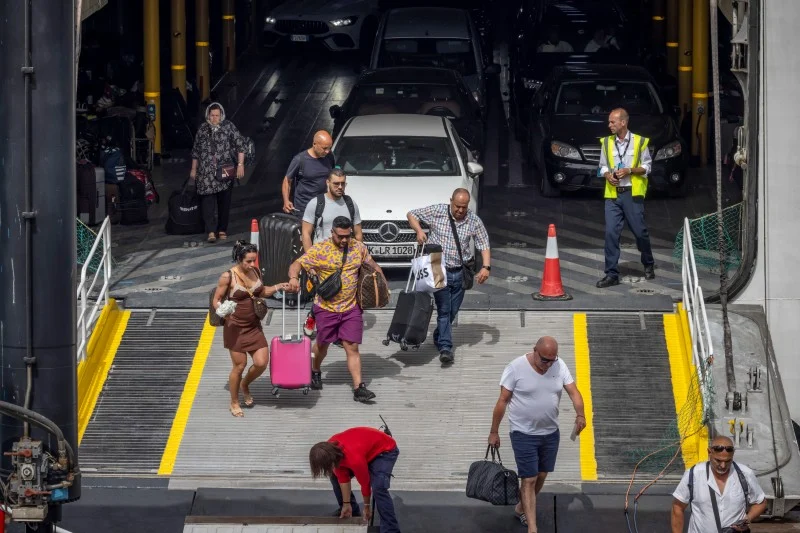
The car is packed.
The ferry is booked.
The children are excited.
The family lands or drives into Morocco, and suddenly life feels different.
More sun.
More family.
More food.
More noise.
More belonging.
But after a few weeks, the holiday ends.
The bags are packed again.
And many families return to Europe with the same thought.
Why does life feel so much better there?
Europe Feels Heavy For Many Families
For many diaspora families, Europe still offers jobs, schools, safety and structure.
But it also feels heavier than before.
Housing is expensive.
Childcare costs are painful.
Winters are long.
Family networks are smaller.
And daily life can feel cold, fast and lonely.
In cities like Amsterdam, Rotterdam, Brussels, Paris and Antwerp, many parents are working hard just to keep up.
That is why Morocco starts to look different.
Not perfect.
But possible.
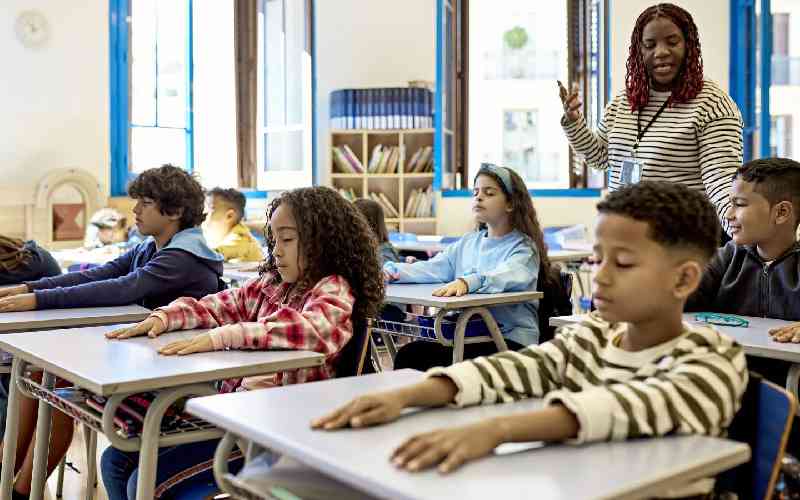
Children Are A Big Part Of The Decision
For many parents, the biggest question is not money.
It is children.
They want their sons and daughters to speak better Arabic or Darija.
They want them to understand Moroccan manners, family life and religion.
They want them to know grandparents, cousins, weddings, Eid mornings and the rhythm of daily Moroccan life.
A two-week holiday cannot teach all of that.
A life, or even part of a life, can.
That is why some families are thinking beyond summer.
Tangier Is Becoming A Diaspora Favourite
One city keeps coming up in diaspora conversations: Tangier.
It has sea views, modern apartments, international schools, cafés, beaches and fast links to Europe.
For families coming from Spain, France, Belgium or the Netherlands, Tangier feels close and familiar.
It is Moroccan, but international.
It is coastal, but urban.
It feels like a place where a family can land without feeling completely lost.
That makes it powerful.
Casablanca Still Means Business
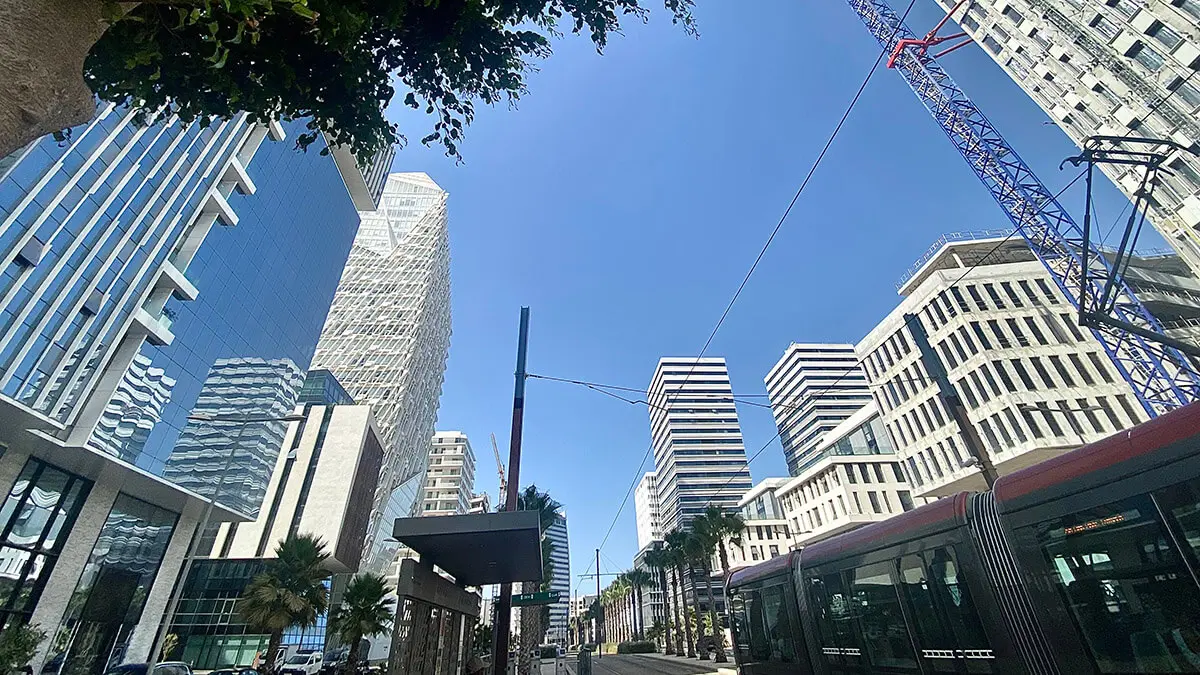
For families who want work, schools and city energy, Casablanca remains the giant.
It is Morocco’s economic capital and the country’s biggest city.
That means more offices, more private schools, more clinics, more traffic and more pressure.
It is not the easiest city.
But for ambitious families, Casablanca offers something smaller towns cannot.
Opportunity.
For parents thinking about business, jobs or serious schooling options, Casablanca stays firmly on the list.
Marrakech Sells The Dream — But Not For Everyone
Then there is Marrakech.
For diaspora families, Marrakech can feel like the dream version of Morocco.
Palm trees.
Villas.
Rooftop restaurants.
Warm evenings.
Family visits that feel like a movie.
But daily life is not the same as a holiday.
The heat can be intense. The city can be busy. The tourist energy can be overwhelming.
For some families, Marrakech is perfect.
For others, it is better as a holiday base than a full-time home.
That is why choosing the right city matters.
Remote Work Changed The Conversation
One major reason this dream feels more realistic is remote work.
A parent who once had to stay near an office in Europe may now be able to work from a laptop.
That changes everything.
If your income is European but your lifestyle is Moroccan, the calculation can look very different.
A family can imagine school runs in Tangier, video calls from Agadir, or winter months in Marrakech instead of grey skies in Belgium or the Netherlands.
That was much harder to imagine 10 years ago.
The Second-Home Dream Is Growing
Not every family wants to move forever.
Many want a halfway life.
A home in Morocco.
A base for school holidays.
A place for parents to spend longer periods.
A backup plan if life in Europe becomes too expensive or too stressful.
That is why property interest among the diaspora is so emotional.
A Moroccan home is not just bricks and tiles.
It is security.
It is identity.
It is a place to return to.
There Are Real Challenges Too
The dream is powerful, but it is not simple.
Families still have to think about schools, healthcare, paperwork, jobs, language and daily routines.
Children who grew up in Europe may need time to adjust.
Parents may love the idea of Morocco but struggle with bureaucracy or different expectations.
And not every city fits every family.
That is why the smartest families do not rush.
They test the lifestyle first.
Summer.
Then longer stays.
Then maybe a real move.
The 2030 Effect Adds To The Feeling
The timing makes the dream even stronger.
Morocco is preparing to co-host the 2030 FIFA World Cup with Spain and Portugal.
That means more global attention, more infrastructure pressure, more airport upgrades and more people looking at the country differently.
For diaspora families, that matters.
It makes Morocco feel like a country moving forward.
Not just a place of memories.
A place of future plans.
The Final Whistle
For Moroccan families in Europe, the pull of home is changing.
It is no longer only about summer holidays, weddings and family visits.
It is about children, identity, sunshine, property, remote work and the possibility of a softer life.
Europe may still offer structure.
But Morocco offers something many families are missing.
A feeling of belonging.
And for more parents, that feeling is becoming hard to ignore.