
Tourism growth is usually measured through arrivals, hotel nights and foreign-currency revenue.
For residents, however, success is experienced differently.
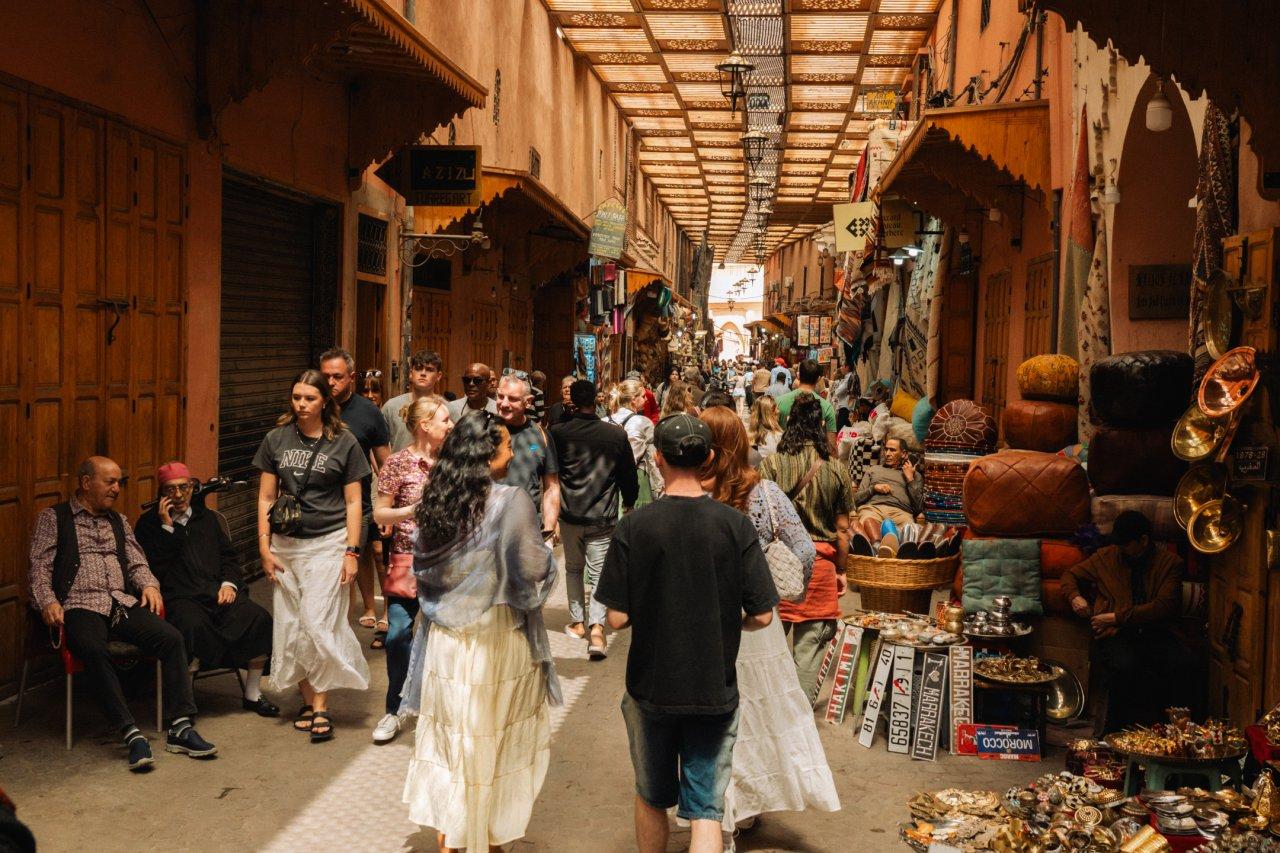
It appears in fuller restaurants, busier airports and new employment opportunities. But it can also appear in higher rents, crowded roads, pressure on water and public services, and neighbourhoods increasingly designed around temporary visitors rather than permanent residents.
Morocco welcomed a record 19.8 million tourists in 2025, 14% more than a year earlier. Tourism revenues reached 124 billion dirhams during the first eleven months of the year, while the sector continued to contribute roughly 7% of national GDP.
The country is now targeting 26 million visitors by 2030 and plans to add 60,000 hotel beds, approximately 20% of its current capacity. More than 190 billion dirhams is also being invested in transport, stadiums and urban infrastructure.
These figures confirm the scale of Morocco’s tourism achievement.
They also make one question increasingly important.
Can visitor growth continue improving the economy without weakening the daily quality of life inside the cities carrying most of the pressure?
Tourism Is Becoming An Urban Policy
Tourism is no longer a separate industry operating mainly inside hotels and resorts.
At nearly 20 million annual arrivals, it becomes part of housing policy, transport planning, water management, waste collection, policing and urban development.
A visitor uses many of the same systems as a resident.
Both need roads, taxis, public transport, restaurants, water, electricity, healthcare and public space.
The difference is that tourism demand can rise rapidly during holidays, major events and peak travel seasons, while urban capacity normally expands more slowly.
This creates visible pressure in destinations such as Marrakech, Agadir, Tangier, Casablanca and Rabat.
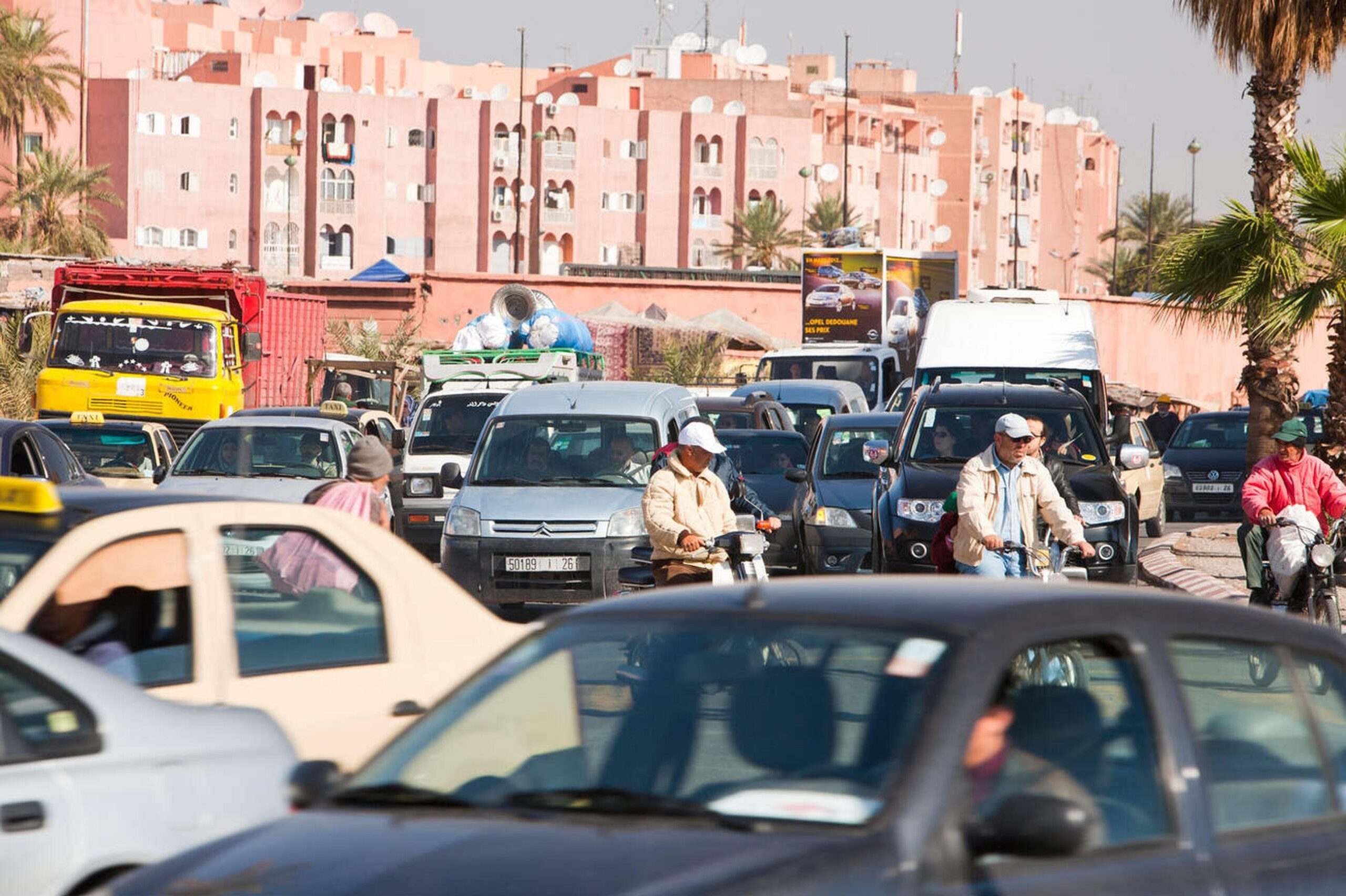
Traffic congestion can intensify. Airport queues become longer. Popular districts become more crowded. Demand for taxis, restaurants and services rises sharply.
These pressures do not mean tourism growth is undesirable.
They mean city planning must now treat tourism volumes as a permanent component of population demand.
A city welcoming millions of temporary residents each year cannot be planned only around the number of people officially living there.
The Housing Market Feels The Change
One of the most sensitive effects appears in residential property.
A landlord may earn more by renting an apartment to tourists for several nights than by offering it to a local family through a long-term lease.
As tourism demand grows, this creates an incentive to convert residential units into short-term accommodation.
For property owners, the opportunity can be attractive.
For residents, the result can be a smaller supply of long-term rentals and stronger competition for available apartments.
The impact is rarely uniform across an entire city.
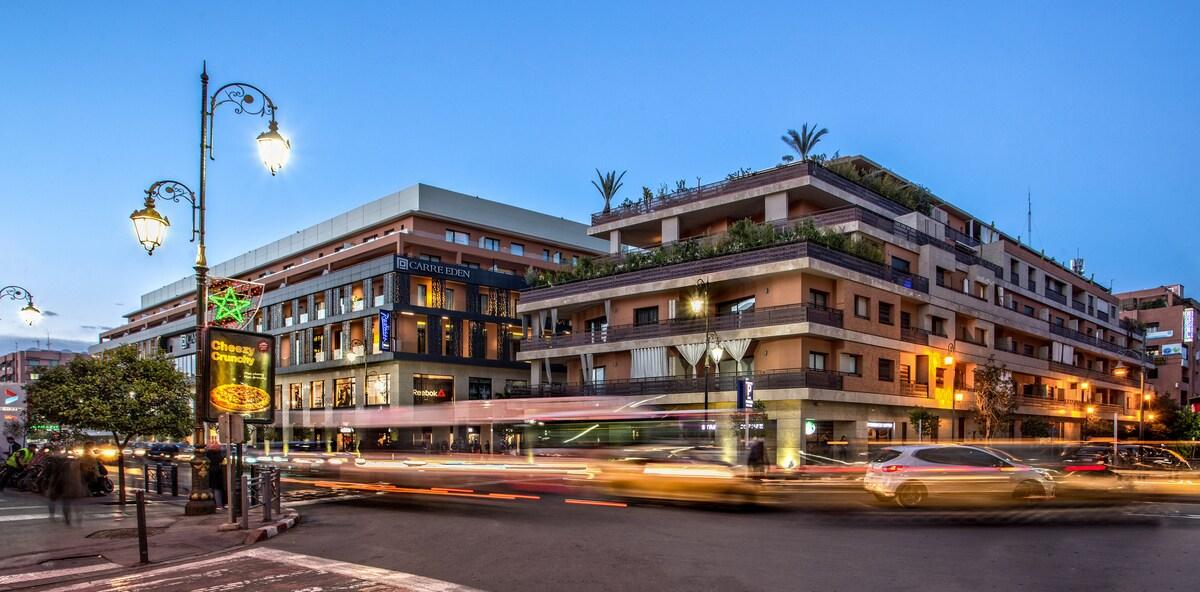
It is concentrated in attractive neighbourhoods, historic centres, coastal zones and districts close to restaurants, transport or major events.
This can gradually change the social structure of an area.
Local shops may be replaced by businesses serving visitors. Apartment buildings may experience constant guest turnover. Families may find it harder to remain close to workplaces, schools or relatives.
Tourism does not cause every housing problem. Construction costs, land prices, population growth and limited rental supply also influence affordability.
But short-term accommodation can intensify pressure in neighbourhoods where housing is already scarce.
The policy challenge is therefore to preserve legitimate tourism investment while preventing residential districts from becoming almost entirely temporary.
Higher Property Values Create Winners And Losers
Tourism can increase the value of urban property.
Owners in successful destinations may benefit from stronger demand, rising asset prices and new commercial opportunities.
Developers may invest in neglected buildings. Historic properties may be restored. Restaurants, cafés and retail activity may expand.
This wealth effect is real.
But rising property values do not benefit everyone equally.
A homeowner may gain capital value. A tenant may simply face a higher monthly rent.
A business that owns its premises may benefit from increased footfall. A small shop renting its location may struggle when the landlord raises the price.
Tourism-led appreciation can therefore strengthen wealth for existing asset owners while increasing costs for households that do not own property.
This is why national tourism revenue alone cannot measure the social outcome.
A sector may create billions of dirhams in receipts while some residents experience only higher living costs.
The transmission mechanism matters.
Who owns the hotels, apartments and restaurants?
Who receives the salaries?
Who pays the higher rents?
And how much of the additional revenue is reinvested in the neighbourhoods generating it?
Jobs Must Become Careers
Tourism is one of Morocco’s major employers and an important source of opportunity for young people.
Hotel expansion, aviation growth and stronger visitor demand can create positions in hospitality, transport, food services, retail, security and entertainment.
The sector also creates accessible entry points for workers without advanced academic qualifications.
But employment volume is only one part of the equation.
Many tourism jobs can be seasonal, physically demanding or relatively low paid. Working hours may extend into evenings, weekends and holidays precisely when demand is strongest.
If wages do not keep pace with housing and transport costs, workers may help operate a successful tourism economy while becoming less able to live inside the destination they serve.
The next stage must therefore focus on job quality.
Training should create pathways from entry-level work toward management, revenue operations, culinary leadership, digital marketing and specialised hospitality roles.
Employees also need predictable contracts, professional standards and opportunities to remain in the sector long enough to build expertise.
Tourism becomes socially stronger when it creates careers rather than only temporary labour demand.
Water Becomes Part Of The Visitor Economy
Morocco’s recent drought made water one of the country’s most important strategic concerns.
Tourism adds another layer to that challenge.
Hotels, swimming pools, landscaped gardens, restaurants, golf courses and laundry operations can consume significant quantities of water, especially in hot or dry destinations.
The issue is not that tourists should be discouraged from visiting.
It is that tourism infrastructure must reflect the environmental reality of the country.
New hotels should increasingly use efficient irrigation, wastewater recycling, low-consumption fixtures and monitoring systems capable of identifying waste.
Luxury should not automatically mean unrestricted resource use.
A premium tourism product can also be environmentally disciplined.
The strongest destinations will be those that protect water availability for residents while continuing to offer a high-quality visitor experience.
Without that balance, tourism growth could become politically and socially difficult during future periods of scarcity.
Traffic Can Damage The Experience For Everyone
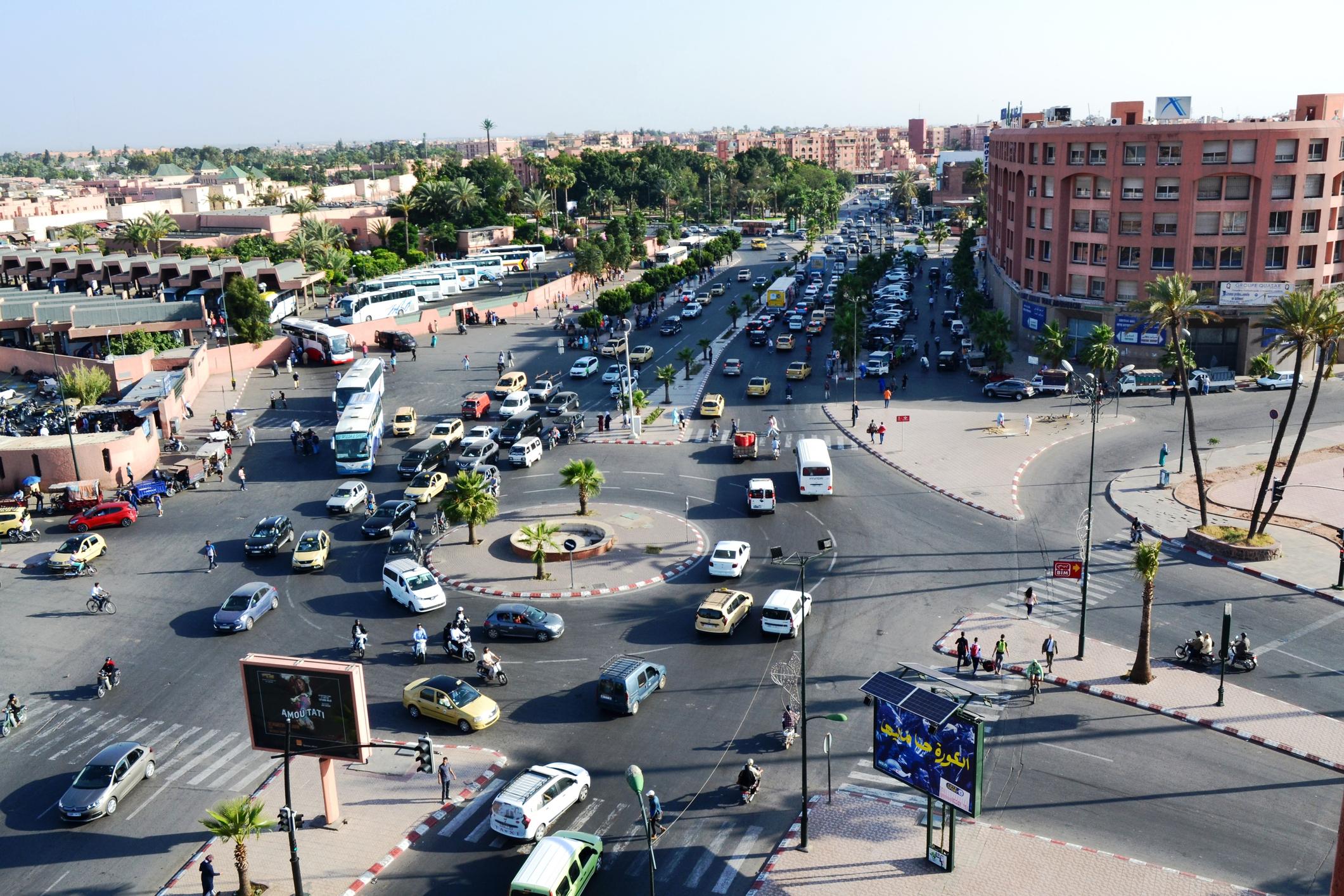
Visitor growth can expose weaknesses in urban mobility.
When tourists rely heavily on taxis, rental cars and private transfers, roads already used by residents can become overloaded.
The result affects both groups.
Residents lose time travelling to work. Visitors spend more of their holiday in congestion. Delivery vehicles struggle to reach hotels and restaurants. Emergency and public services face slower movement.
Morocco’s major infrastructure programme can improve this situation, particularly through airport upgrades, rail expansion and urban transport investment.
But large national projects must connect with neighbourhood-level mobility.
Visitors need clear public-transport information, reliable airport connections, regulated taxis, safe pedestrian routes and digital payment options.
Better mobility also helps spread tourism.
When secondary districts and nearby towns are easy to reach, visitors are less concentrated inside a small number of crowded zones.
Transport policy therefore influences not only convenience, but also how tourism revenue is distributed geographically.
Cities Must Avoid Becoming Stages
Tourists often visit Morocco because they want authenticity.
They seek active medinas, local food, architecture, craftsmanship and neighbourhoods that still possess a recognisable social life.
Yet excessive commercialisation can gradually weaken the qualities visitors came to experience.
If homes become accommodation, traditional businesses become souvenir shops and public spaces become permanent tourist corridors, a destination may start to feel like a stage rather than a living city.
This is a long-term economic risk as well as a cultural one.
Tourism depends on differentiation.
Morocco competes not only through price and climate, but through identity.
Protecting residents, crafts, local commerce and community life therefore protects the tourism product itself.
A city remains attractive when people continue to live, work, study and raise families inside it.
The objective should not be to freeze neighbourhoods or prevent investment.
It should be to ensure that development strengthens local life rather than replacing it.
Diversification Can Reduce The Pressure
Morocco’s tourism strategy increasingly aims to move visitors beyond established destinations such as Marrakech and Agadir.
Rabat is being positioned as a centre for culture, sport and business travel, while stronger air links are expected to bring more visitors from China, the United States and the Middle East.
Diversification can create new opportunities for cities that have received less tourism investment.
It can also reduce excessive concentration.
But tourism cannot simply be transferred from one crowded city to another.
Emerging destinations need planning before visitor numbers accelerate.
They need accommodation standards, transport capacity, waste management, trained workers and rules governing short-term rentals.
The opportunity is to learn from the pressure already visible in established destinations.
New tourism centres can be designed more deliberately, with a stronger balance between residents, investors and visitors.
Success Needs A Local Scorecard
Morocco’s national tourism indicators are strong.
Arrivals are growing. Revenues are rising. Air connectivity is expanding. Hotel investment is accelerating.
But the next phase requires a second scorecard focused on residents.
Are rents becoming less affordable in high-demand districts?
Can workers still live close to tourism employment?
Are water and waste systems keeping pace?
Is congestion improving?
Are small local businesses benefiting?
Do residents feel that tourism is improving their city or simply occupying more of it?
These questions do not undermine the tourism strategy.
They strengthen it.
A destination cannot maintain long-term growth if residents increasingly view visitors as a source of disruption rather than opportunity.
Public support is part of tourism infrastructure, even though it cannot be built from concrete.
The Real Measure Of 26 Million Visitors
Reaching 26 million visitors by 2030 would confirm Morocco as one of the world’s fastest-growing tourism destinations.
It would generate foreign currency, employment and international visibility.
But the most successful outcome will not be defined by arrivals alone.
It will be defined by whether Moroccan cities become more liveable while becoming more visited.
That means using tourism revenue to improve transport, public space, vocational training, water management and neighbourhood services.
It means regulating accommodation without suffocating legitimate investment.
It means creating employment that supports a stable life.
And it means protecting the cultural and social character that gives each destination its value.
Nearly 20 million visitors represent a major national achievement.
They also represent millions of additional daily interactions with housing, roads, water, services and communities.
The next tourism test is therefore not simply whether Morocco can welcome more people.
It is whether the country can ensure that the people already living in its cities continue to feel at home.
 Jamal Mahdad, Founder & Editor-in-Chief