
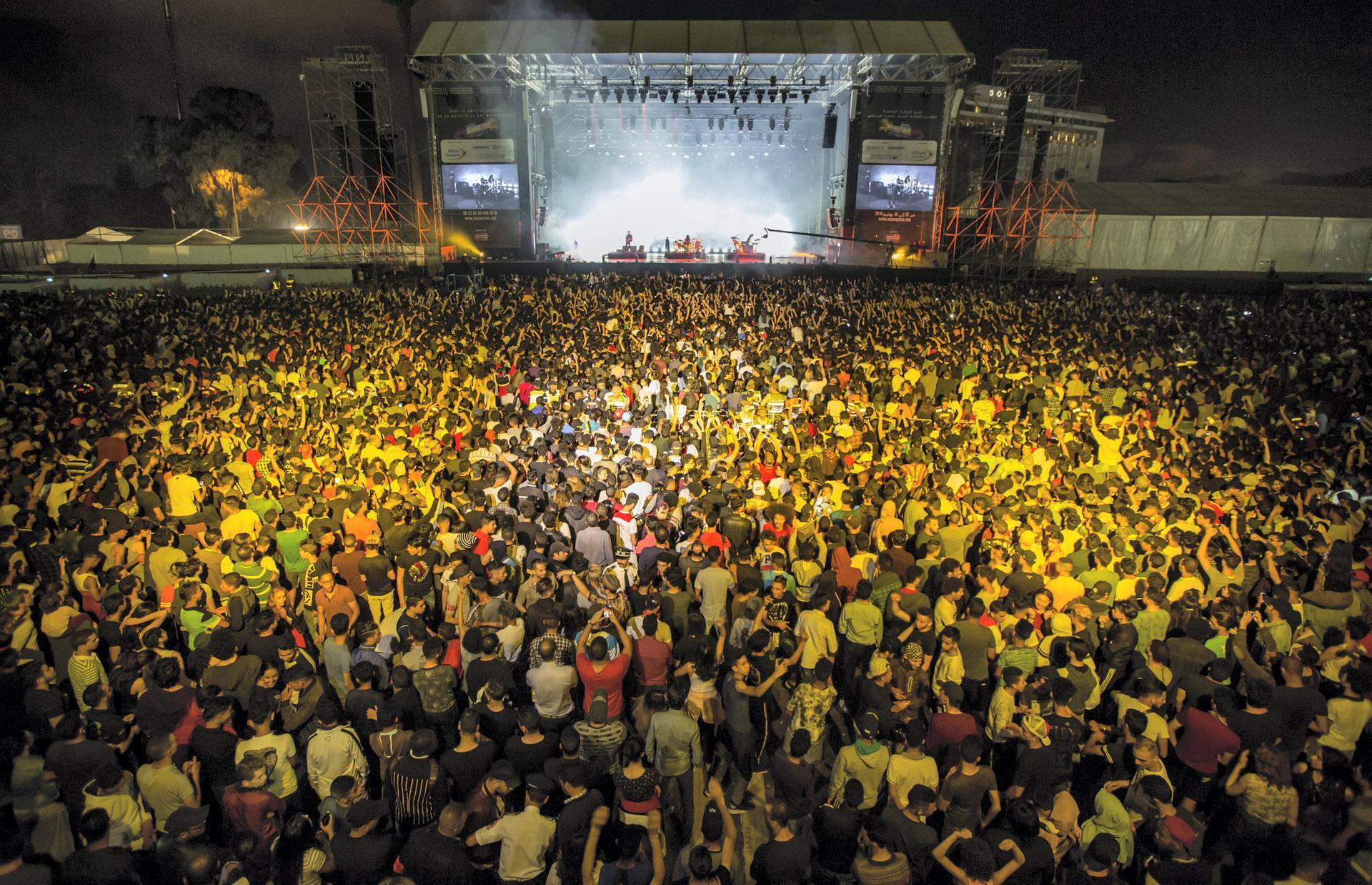
Morocco has built one of Africa’s most visible festival landscapes.
Large stages attract international artists.
Historic cities host cultural programmes.
Music events bring together audiences from Morocco, Europe, Africa and the Arab world.
Millions of people encounter Moroccan creativity through concerts, festivals, digital clips and social media.
The visibility is real.
The conversion is not yet complete.
A country can host successful festivals without building a strong creator economy.
Artists may perform in front of large audiences while still lacking professional management, international distribution, legal support, brand partnerships and access to long-term financing.
The central question is therefore not whether Morocco can organise major cultural events.
It is whether those events can become a pipeline capable of producing globally competitive Moroccan careers.
A Stage Creates Attention, Not A Career
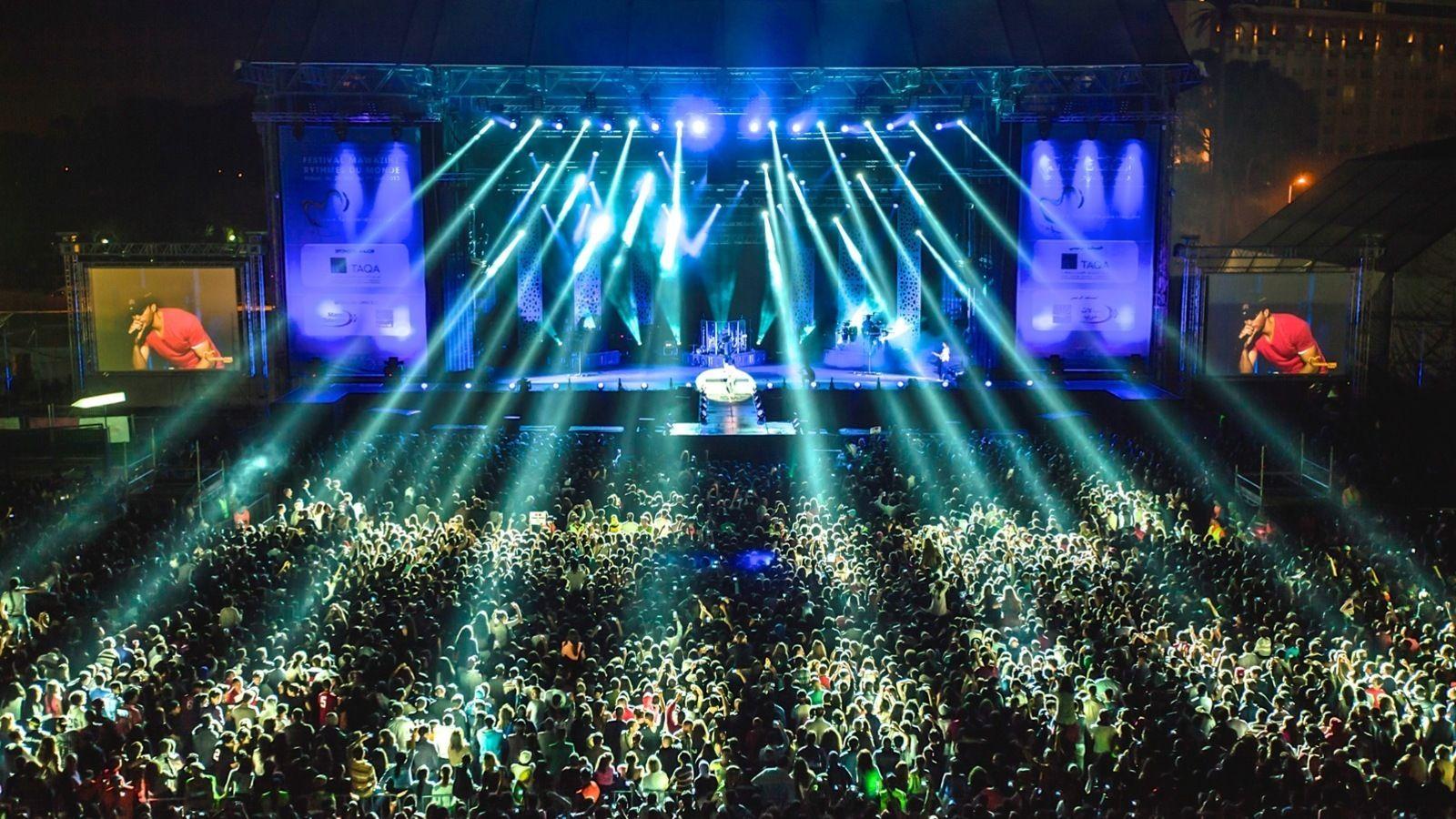
Performing at a major festival can transform an artist’s visibility overnight.
A strong appearance can generate media coverage, social engagement and new audience interest.
But attention is temporary.
A career requires structure.
Artists need management teams capable of turning momentum into contracts, tours, collaborations and commercial opportunities.
They need professional recording, distribution, marketing and legal support.
They need reliable data showing where their audiences are growing.
They also need a clear strategy for what happens after the performance.
Without that structure, even a successful festival appearance can become an isolated moment.
The artist returns home with photographs, social media clips and public recognition, but no durable commercial pathway.
This is the difference between cultural exposure and career development.
Morocco already produces exposure.
The next challenge is conversion.
International Artists Capture Most Of The Value
Global headliners bring prestige, audiences and media attention.
They can strengthen the reputation of a festival and make Morocco more visible internationally.
But they also capture a large share of the commercial value.
Appearance fees, international promotion and global media coverage often flow towards artists whose careers were built elsewhere.
Moroccan performers may receive valuable stage time, but the surrounding ecosystem can remain limited.
The strategic objective should not be to reduce international participation.
It should be to use international events to accelerate local careers.
Opening acts should be selected through clear professional criteria.
Collaborations should be organised before and after the festival.
Local artists should gain access to international managers, promoters, labels and media representatives.
Performance footage should be prepared for professional distribution.
Festival audiences should be converted into long-term digital followers.
A major stage should function as a market-entry platform, not merely as a performance opportunity.
The Missing Middle Is Management
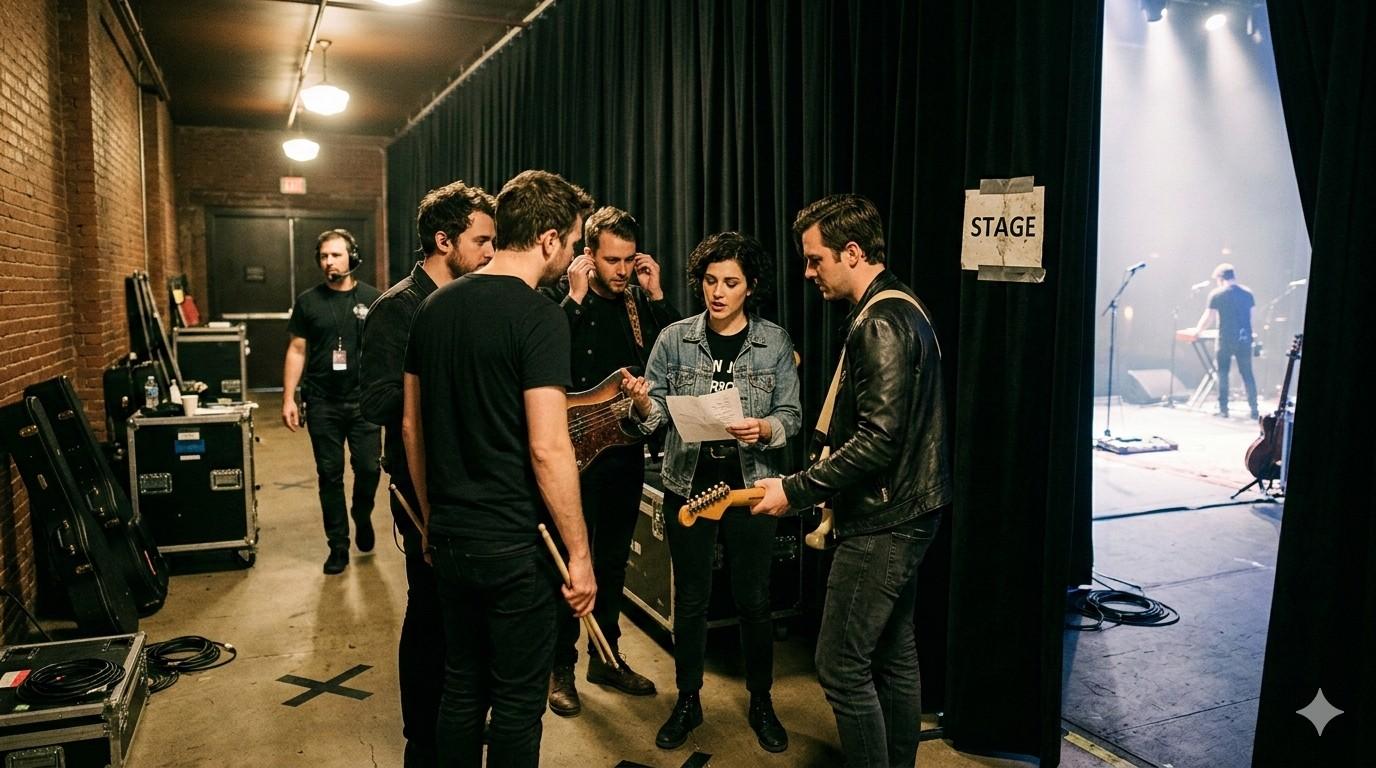
Talent is not Morocco’s main constraint.
The country has singers, producers, filmmakers, actors, designers, comedians and digital creators capable of reaching international audiences.
The greater weakness is often the professional layer surrounding them.
Managers translate artistic ambition into commercial strategy.
Agents secure performances and negotiate fees.
Lawyers protect intellectual property and contracts.
Publicists build media visibility.
Accountants organise royalties and international income.
Data specialists identify where audiences are growing.
Without these functions, artists are forced to manage complex careers alone.
That creates predictable problems.
Contracts may be signed without sufficient protection.
Opportunities may be accepted without a long-term strategy.
Revenue may remain unclear.
International momentum may be lost because no one is coordinating the next step.
Morocco’s creator economy therefore needs more than artists.
It needs professional infrastructure around artists.
Digital Popularity Must Become Revenue
Moroccan music and entertainment travel rapidly through digital platforms.
Songs can reach audiences across North Africa, Europe and diaspora communities without depending on traditional television or radio.
A viral clip can cross borders in hours.
But digital popularity does not automatically produce sustainable income.
High viewing numbers can create the appearance of commercial success while artists remain dependent on live performances, private events or brand deals.
The monetisation system is complex.
Revenue depends on platform rules, rights ownership, distribution contracts, territory and audience behaviour.
Artists who do not control their rights may generate attention without retaining a fair share of the value.
This makes copyright management essential.
Creators need to know who owns the recording, the composition, the video and the underlying commercial rights.
They need transparent royalty reporting.
They also need distribution partners capable of collecting income across multiple platforms and countries.
The creator economy becomes sustainable only when digital reach can be translated into predictable earnings.
Festivals Need Creator Development Programmes
A major cultural event can provide much more than stage time.
It can host professional workshops, writing camps, production sessions, networking meetings and business forums.
Young artists could meet experienced producers, managers and touring professionals.
Filmmakers could connect with distributors.
Designers could meet brand executives.
Comedians and digital creators could learn how to structure international rights and partnerships.
These programmes should not be treated as secondary activities.
They can become one of the most valuable parts of the festival.
The performance attracts public attention.
The professional programme builds future capacity.
Morocco could create structured creator-development tracks linked to its major events.
Selected participants could receive mentoring before the festival, professional exposure during it and follow-up support afterwards.
The strongest projects could receive production funding, international introductions or touring opportunities.
This would turn festivals into talent accelerators.
Export Requires More Than Cultural Identity
Moroccan artists benefit from a strong cultural identity.
The country’s languages, rhythms, visual traditions and regional diversity provide a rich creative base.
But international success requires more than authenticity.
Artists must also understand how global markets operate.
Songs need professional production and distribution.
Films require subtitling, festival strategy and international sales.
Fashion brands need consistent manufacturing and delivery.
Digital creators need multilingual content strategies.
Live performers need reliable technical and touring teams.
Cultural identity creates distinction.
Professional execution creates exportability.
The strongest Moroccan creators will be those capable of preserving their artistic identity while operating according to international commercial standards.
This does not mean copying foreign markets.
It means understanding how to enter them without losing control of the product.
Language Can Expand The Market
Moroccan creators operate in a multilingual environment.
Darija can produce strong cultural connection at home and across parts of the diaspora.
Arabic opens wider regional audiences.
French supports access to Francophone markets.
English can increase global discoverability.
A multilingual strategy can become a commercial advantage when used carefully.
Artists do not need to abandon their strongest language.
But they can make content easier to discover through subtitles, translations, interviews and social-media adaptation.
A Moroccan song can remain in Darija while the surrounding storytelling is presented in several languages.
A documentary can preserve its original voice while reaching broader audiences through professional subtitling.
An artist’s digital presence can communicate differently to domestic, African, European and global audiences.
Language strategy should support the work rather than dilute it.
The objective is not to make every creator sound international.
It is to make Moroccan creativity easier to access internationally.
Brands Can Become Long-Term Partners
Brand partnerships are becoming increasingly important in music, fashion, sport and digital entertainment.
Moroccan companies already sponsor events and public personalities.
But many partnerships remain short-term and campaign-focused.
A stronger creator economy would develop longer relationships.
Brands could support recording projects, tours, production studios, training programmes and international promotion.
Creators could become strategic ambassadors rather than temporary advertising faces.
Long-term partnerships benefit both sides.
Artists gain financial stability and professional resources.
Brands gain credible access to communities and cultural influence.
The relationship must remain transparent and aligned.
Audiences quickly recognise partnerships that feel artificial.
The strongest collaborations are built around shared identity, audience and purpose.
Moroccan banks, telecommunications companies, airlines, tourism groups and consumer brands all have reasons to support creators who can carry Moroccan culture into wider markets.
Film And Television Need The Same Pipeline
The festival-to-creator challenge is not limited to music.
Morocco has strong experience as a filming location and production base.
International projects use Moroccan cities, landscapes, studios and technical crews.
That creates employment and visibility.
But location work does not automatically produce globally recognised Moroccan writers, directors, actors or production companies.
The same conversion problem appears.
Morocco provides the stage, but much of the intellectual property and international value may remain elsewhere.
A stronger screen economy would invest in original Moroccan projects.
Writers need development funding.
Directors need access to producers and distributors.
Actors need professional representation.
Production companies need financing capable of supporting projects beyond the first stage.
Festivals should help connect Moroccan work with buyers, streaming platforms and international markets.
The objective is not only to host foreign stories.
It is to export Moroccan ones.
Creators Need Access To Finance
Creative careers often develop unevenly.
Income can be irregular.
Production requires upfront investment.
Commercial returns may take time.
Traditional financing models are not always designed for this reality.
A singer may need funding for recording and promotion.
A filmmaker may need development capital before production can begin.
A fashion designer may require inventory financing.
A digital creator may need equipment and a team before revenue becomes predictable.
Banks may view these activities as high risk because physical collateral is limited.
But creative businesses possess other forms of value.
Copyright.
Audience data.
Distribution contracts.
Brand partnerships.
Licensing potential.
A more mature creator economy requires financing models capable of recognising these assets.
Public funds, private investors and specialised lenders can all play a role.
But financing should be linked to professional planning, transparent rights ownership and realistic revenue strategies.
Intellectual Property Must Be Clear
The value of a creative business depends heavily on ownership.
Who controls the song?
Who owns the master recording?
Who receives revenue when the content is streamed or licensed?
Who has the right to use an artist’s image?
Who owns a film format, script or character?
These questions are often treated as technical details.
They are central commercial issues.
Unclear contracts can create disputes years after a project becomes successful.
Artists may discover that they do not control their most valuable work.
Producers may invest without sufficient legal protection.
International partners may avoid projects when ownership cannot be verified.
Morocco’s creative sector needs stronger contract literacy and accessible legal support.
Creators should understand agreements before signing them.
Ownership, revenue sharing and duration should be explicit.
Professionalisation begins with clarity.
Data Can Identify The Next Export
Festivals know how many tickets they sell.
Platforms know where songs are streamed.
Social networks know which clips travel across borders.
Ticketing companies know where audiences are willing to pay.
This information can help Morocco identify which creators have genuine international potential.
An artist with rapidly growing audiences in France, Belgium or the Netherlands may be ready for a European tour.
A comedian with strong engagement in the Gulf may require Arabic subtitling and regional partnerships.
A filmmaker whose work performs strongly at international festivals may need distribution support.
Data does not replace artistic judgment.
It improves commercial decisions.
Public institutions, festivals and private companies should use audience information to guide investment.
Support should not depend only on reputation or personal networks.
It should also recognise measurable traction.
Success Must Continue After The Festival
The real impact of a festival should be visible months later.
Did local artists secure new bookings?
Did they sign distribution agreements?
Did international collaborations begin?
Did audience numbers grow in new markets?
Did creators receive professional representation?
Were new projects financed?
These outcomes are more important than the number of social media posts published during the event.
Festivals should report their creator-development impact alongside attendance and tourism figures.
This would change how success is evaluated.
A sold-out performance remains important.
But a festival that launches ten sustainable careers may create greater long-term value than one that produces only temporary visibility.
Morocco Can Build A Creative Export Industry
Morocco already has the essential ingredients.
Talent.
Cultural depth.
Large public events.
International visitors.
Strong diaspora connections.
Filming infrastructure.
Digital audiences.
The missing element is a complete pipeline connecting these assets.
Discovery must lead to development.
Development must lead to professional representation.
Visibility must lead to distribution.
Audience growth must lead to revenue.
Festival appearances must lead to careers.
Morocco’s largest stages already prove that the country can attract attention.
The next step is to ensure that more Moroccan creators leave those stages with the contracts, teams, rights and international opportunities required to build lasting success.
A festival can create a moment.
A creator economy can turn that moment into an industry.