
Morocco is no longer only a place people visit.
It is becoming a place people watch.
On cinema screens.
On gaming platforms.
On Instagram reels.
On TikTok videos.
On YouTube channels.
On streaming content.
On cultural stages between Rabat, Paris, Ouarzazate, Casablanca and the wider African creative economy.
This is Content Morocco.
A country whose landscapes, stories, creators, archives, artists and digital culture are becoming part of a much larger global media market.
For years, Morocco was often treated as a backdrop.
Now the bigger opportunity is different.
Morocco can become a content asset.
Not only scenery for foreign productions.
Not only cultural heritage for tourism.
Not only music, festivals or old medinas.
A real creative economy where cinema, gaming, digital storytelling, creators and cultural partnerships begin to overlap.
Content Morocco Moves Beyond Classic Culture
Content Morocco matters because culture is no longer only culture.
It is business.
It is tourism.
It is diplomacy.
It is youth employment.
It is national branding.
It is export potential.
It is digital influence.
It is soft power.
When Morocco and France discuss cooperation in cinema, gaming, archaeology, creative ecosystems and African production support, the story is not just symbolic. It shows that cultural industries are becoming part of Morocco’s international positioning.
That is the shift.
Culture is moving from the ministry page to the economic page.
A song can carry identity.
A film can carry location value.
A game can carry storytelling.
A reel can carry national image.
A creator can reach audiences faster than a traditional campaign.
Morocco’s story is becoming content.
The France Link Is About Creative Infrastructure
The Morocco-France cultural conversation is important because it goes beyond ceremonial exchange.
It includes cultural ecosystems, Moroccan presence at the Cité internationale des arts in Paris, cooperation with the Institut du Monde Arabe, support for African authors and producers, and collaboration in cinema and gaming.
That is a wide map.
It connects artists, producers, institutions, platforms, researchers and creative companies.
For Morocco, the opportunity is to use these partnerships to move from cultural visibility to cultural infrastructure.
Visibility means being seen.
Infrastructure means having the networks, funding, training, production capacity and market access to create continuously.
A serious creative economy needs both.
Gaming Changes The Definition Of Entertainment
Gaming is not a side issue anymore.
It is one of the biggest entertainment industries in the world, and it increasingly overlaps with cinema, music, storytelling, animation, design, artificial intelligence, education and tourism.
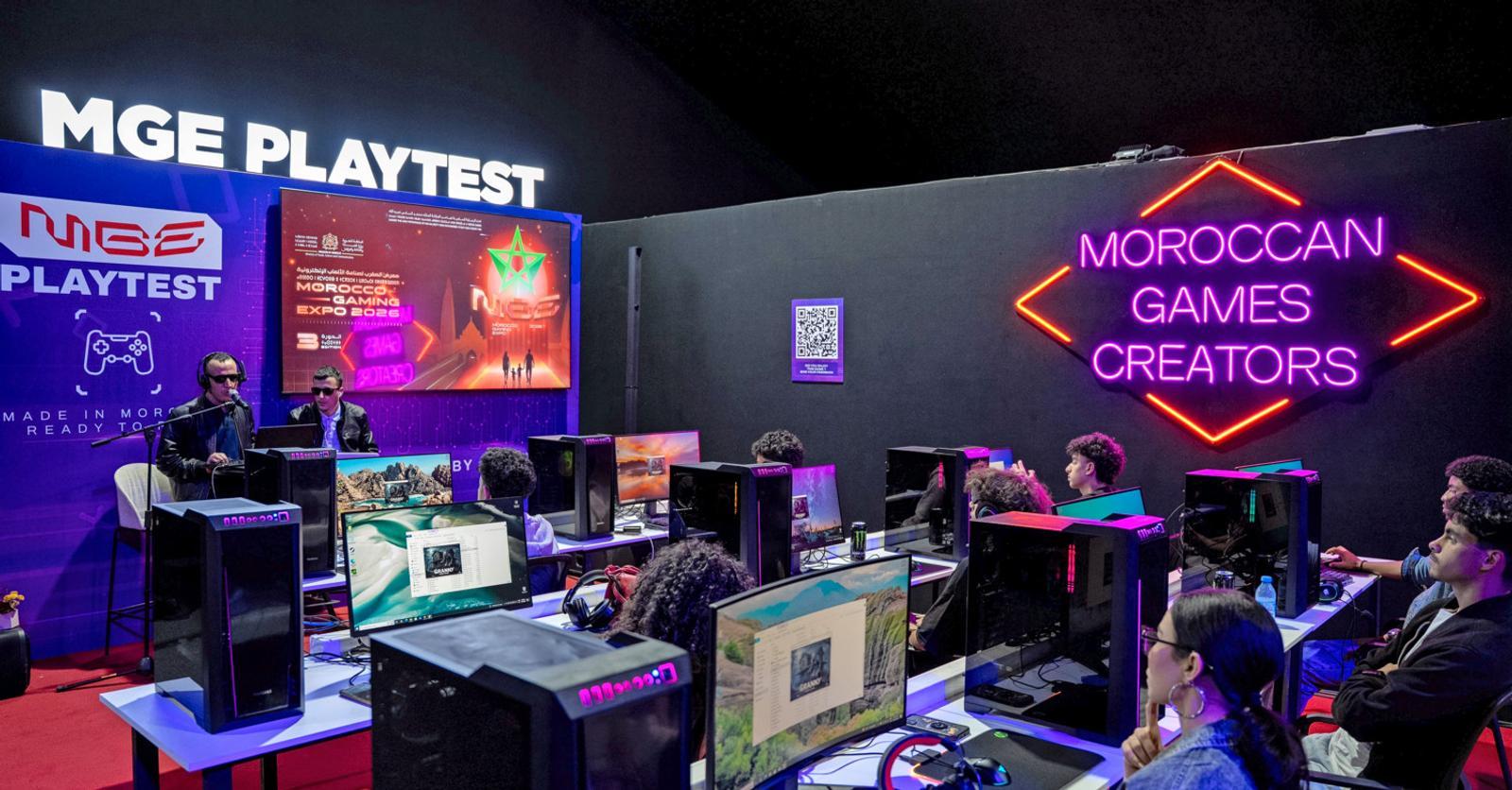
The Moroccan Cinematographic Center called on film professionals during Morocco Gaming Expo 2026 to discover the gaming ecosystem and explore new forms of cooperation between cinema and video games.
That sentence matters.
It shows that Morocco is beginning to understand entertainment as a connected system.
The film industry should not stand alone.
Gaming should not stand alone.
Creators should not stand alone.
The future belongs to formats that move across screens.
A Moroccan story can become a short film, a game environment, a documentary, a digital campaign, a festival installation and a tourism route.
That is the content economy.
Morocco’s Youth Makes The Opportunity Bigger
The creative economy is especially important because Morocco has a young population with strong digital habits.
Young Moroccans do not consume culture only through television, radio or cinema halls. They consume it through phones, gaming, streaming platforms, podcasts, social media and creator accounts.
That changes everything.
A generation that watches, edits, streams, shares and comments every day is not only an audience.
It is a potential workforce.
Editors.
Designers.
Gamers.
Animators.
Sound engineers.
Content producers.
Community managers.
Streamers.
Writers.
Video journalists.
Digital artists.
Event organisers.
The question is whether Morocco can turn daily digital behaviour into professional creative skills.
Attention is already there.
The challenge is converting attention into industry.
Reels Are The New National Postcards
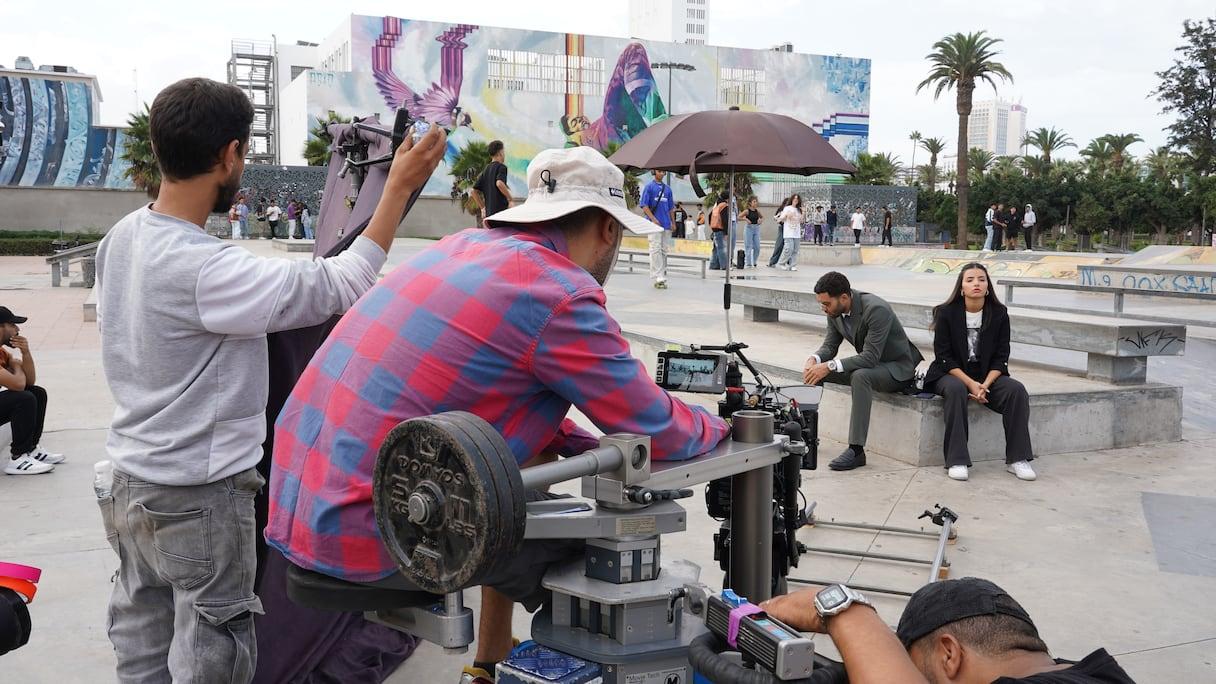
For tourism, Morocco used to be sold through postcards, brochures and travel documentaries.
Now, Morocco is sold through vertical video.
A sunset in Essaouira.
A café in Tangier.
A riad in Marrakech.
A street-food clip in Casablanca.
A surf lesson in Taghazout.
A wedding scene.
A train ride.
A medina walk.
A desert road.
A creator can publish in seconds what a tourism campaign may take months to produce.
That speed is powerful.
But it is also risky.
The country’s image is now shaped by thousands of creators, tourists, residents and diaspora voices. Some content is beautiful. Some is honest. Some is exaggerated. Some is misleading. Some is deeply valuable.
Morocco’s image has become algorithmic.
That means the country must learn to work with creators, not only with agencies.
The Diaspora Is A Content Bridge
Moroccan diaspora creators are especially important.
They translate Morocco for international audiences.
They explain culture.
They compare life in Europe and Morocco.
They film returns.
They discuss identity.
They show food, family, language and belonging.
They also criticise, question and debate.
That makes them powerful.
A diaspora creator can make Morocco visible to audiences who may never read Moroccan media or follow official cultural accounts.
This is where MTD and Moroccan creative institutions should pay attention.
The diaspora is not only a source of remittances.
It is a distribution network for national storytelling.
A young Moroccan in Amsterdam, Brussels, Paris, Madrid or Montreal can become part of Morocco’s global media ecosystem without moving back permanently.
Cinema Still Gives Morocco Prestige
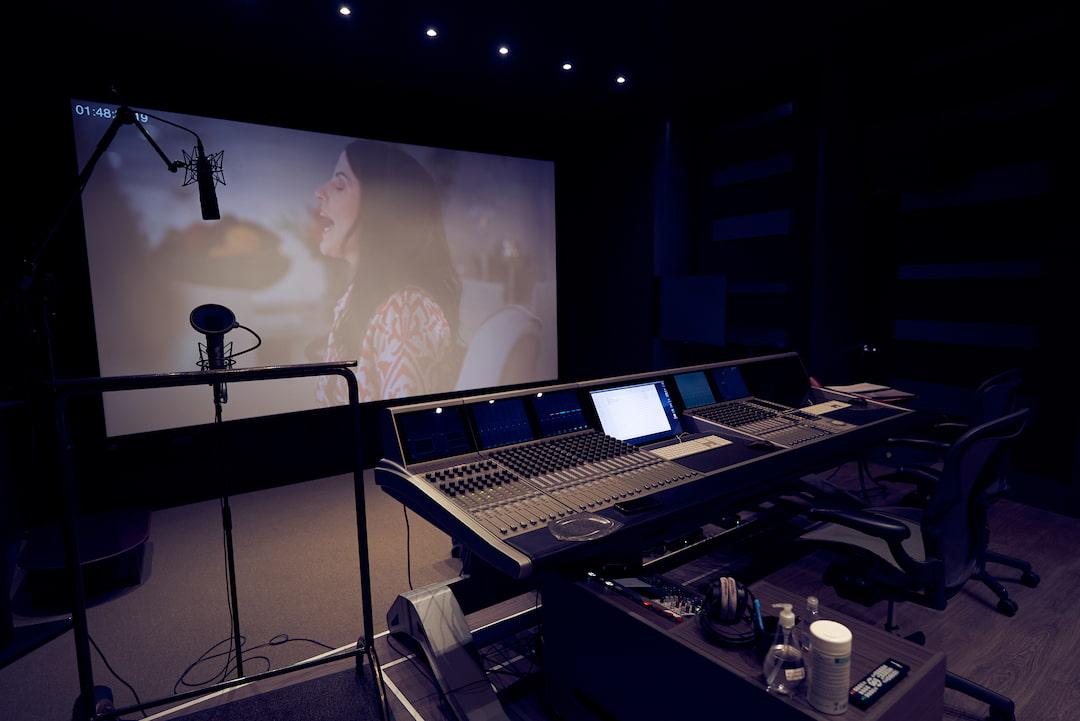
Short video brings speed.
Cinema brings prestige.
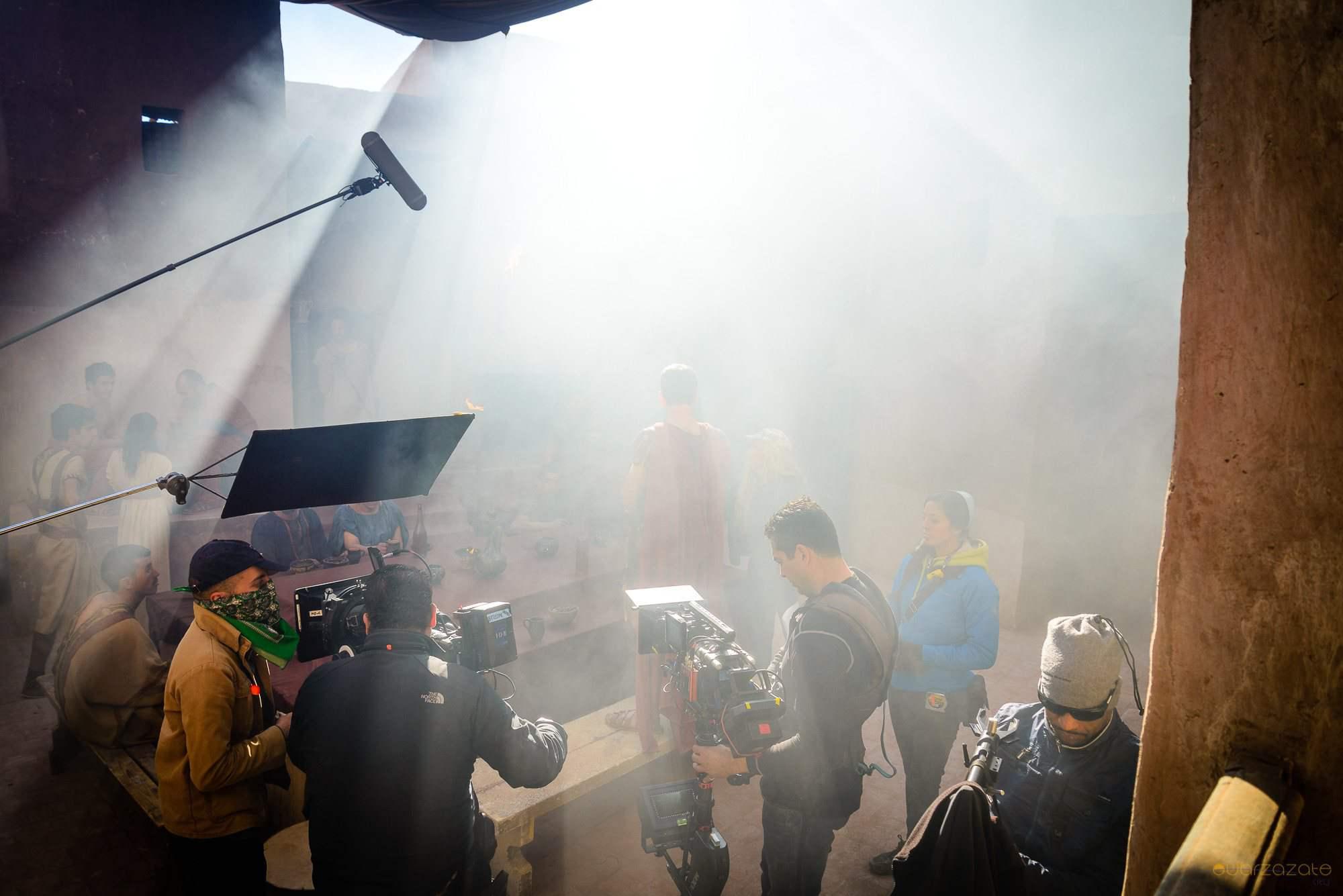
Morocco has long been a filming destination, especially through Ouarzazate, Aït Benhaddou and desert locations used by international productions. That has given the country visibility, jobs and a strong production reputation.
But the next phase must be deeper.
Morocco should not only host films.
It should produce more.
Train more.
Edit more.
Animate more.
Distribute more.
Archive more.
Write more.
The real value in cinema is not only the day a foreign crew arrives. It is the ecosystem built around the industry.
Technicians.
Studios.
Postproduction.
Sound.
Lighting.
Visual effects.
Screenwriting.
Costume.
Casting.
Location management.
Film tourism.
That is where Morocco can move up the chain.
The Screen Economy Is A Jobs Story
Creative industries can create jobs that feel different from traditional sectors.
Not every young person wants to work in a factory, call centre or public administration. Some want to build careers in design, video, gaming, events, music, film, streaming, editing, animation, photography or digital marketing.
That matters.
A modern economy needs more than industrial jobs.
It needs creative jobs too.
These jobs can be freelance, project-based and unstable, but with the right ecosystem they can become professional, exportable and scalable.
A Moroccan editor can work for foreign clients.
A Moroccan game designer can join international teams.
A Moroccan animator can serve African and European markets.
A Moroccan creator can monetise global audiences.
Creative work is not only passion.
It can become income.
The Risk Is Informal Creativity
Morocco already has creative energy.
The problem is that much of it remains informal.
Creators work without contracts.
Designers are underpaid.
Young editors learn alone.
Musicians struggle with rights.
Game developers lack funding.
Filmmakers lack distribution.
Influencers monetise unevenly.
Artists depend on visibility more than stable income.
This is the danger.
A country can have creative talent without having a creative industry.
The difference is structure.
Contracts.
Training.
Intellectual property.
Funding.
Studios.
Legal protection.
Distribution.
Export support.
Professional networks.
Morocco’s challenge is to organise creativity without killing its energy.
Intellectual Property Must Become Serious
Content has value only if rights are protected.
A song, script, design, game concept, image, documentary, animation or format can be copied easily if intellectual property is weak. That discourages serious creators and investors.
If Morocco wants a real creative economy, copyright and licensing must become more visible.
Creators need to know their rights.
Companies need clear contracts.
Platforms need fair use rules.
Artists need payment mechanisms.
Producers need ownership clarity.
Gaming studios need protection for code, visuals and characters.
Cinema producers need distribution contracts that actually defend their work.
Soft power becomes stronger when creative rights are respected.
Gaming Can Carry Moroccan Stories
Morocco should not think of gaming only as entertainment imported from abroad.
Gaming can carry Moroccan stories.
Historic cities.
Amazigh heritage.
Atlantic adventures.
Desert worlds.
Archaeology.
Mythology.
Architecture.
Music.
Food.
Football.
Urban youth culture.
Strategy games.
Educational games.
Location-based cultural games.
Serious games.
A Moroccan game does not need to become a global blockbuster immediately. It can begin by building local talent, regional audiences and culturally specific products.
The most powerful creative industries are those that turn identity into formats that travel.
Morocco has the identity.
Now it needs more formats.
Archaeology Adds Depth To The Story
The Morocco-France cultural discussions also included archaeological cooperation.
That may sound far from entertainment.
It is not.
Archaeology creates stories.
Stories create documentaries.
Documentaries create educational content.
Historic sites create tourism.
Museums create immersive experiences.
Games can use historical settings.
Films can build from heritage.
Digital archives can reach global audiences.
Culture is strongest when the past becomes usable without becoming cheap.
Morocco’s heritage is deep. The opportunity is to translate that heritage into modern storytelling without reducing it to clichés.
This is where serious cultural work and entertainment can meet.
Morocco Needs Creative Export Thinking
Morocco often thinks about exports through cars, phosphates, agriculture, textiles or aerospace.
It should also think about creative exports.
Films.
Formats.
Games.
Music.
Animation.
Documentaries.
Digital art.
Creator partnerships.
Cultural events.
Educational content.
Production services.
Postproduction.
The creative economy may not replace industrial exports, but it can add another layer to national value.
Countries that export culture gain influence beyond trade statistics.
Korea did it through music, drama and platforms.
Turkey did it through television series.
Nigeria did it through Nollywood and music.
Morocco has its own path to build.
The Local Market Must Be Strong First
To export culture, Morocco also needs a strong local audience.
A creative industry cannot live only on foreign approval. Moroccan audiences must watch Moroccan productions, pay for local content, support local creators and take national storytelling seriously.
This requires quality.
People will not support weak content out of patriotism forever.
The product must compete.
Better scripts.
Better editing.
Better acting.
Better sound.
Better distribution.
Better marketing.
Better platforms.
Better criticism.
A strong local market creates confidence.
Then international audiences become easier to reach.
Public Institutions Must Move Faster
Creative industries move fast.
Government systems often move slowly.
That gap can hurt.
A creator economy needs faster grants, clearer procedures, transparent selection, practical support, export assistance, simpler company formation, easier permits and better data on the sector.
If institutions move too slowly, talent leaves or operates informally.
Young creative professionals are impatient because platforms move instantly.
Morocco’s cultural policy must adapt to that speed.
Not by losing seriousness.
By reducing friction.
Creative talent should spend more time producing and less time chasing unclear paperwork.
Private Capital Must Enter The Sector
Public support is important, but private capital matters too.
Brands, banks, telecoms, investors, studios, agencies and platforms should see Moroccan content as a market, not charity.
A good documentary can carry brand value.
A festival can create audience loyalty.
A game studio can become a business.
A creator network can become an advertising platform.
A production company can serve foreign clients.
A postproduction studio can generate export revenue.
The private sector often waits until markets are proven.
But early movers can gain strong positions.
Morocco’s content economy needs investors who understand that creative risk can create cultural and commercial upside.
The Creator Economy Needs Professional Standards
Moroccan creators are becoming more influential, but influence needs standards.
Sponsored content should be clear.
Copyright should be respected.
People should not be filmed without dignity.
False claims should be avoided.
Financial advice should be careful.
Children should be protected.
Cultural heritage should not be exploited cheaply.
Creators do not need to become traditional journalists.
But they do need responsibility.
As creators become part of the media economy, their impact becomes larger.
That impact should be handled seriously.
Trust is the currency of content.
Without trust, virality becomes noise.
MTD Has A Role In This New Space
For MTD, this article is also strategic.
A Moroccan media brand writing in English can sit between local stories and global audiences. That is exactly where Content Morocco is heading.
MTD can explain Moroccan culture as business.
It can cover creators as economic actors.
It can cover cinema as soft power.
It can cover gaming as youth employment.
It can cover festivals as urban economy.
It can cover heritage as content infrastructure.
This is where MTD can be different.
Not celebrity gossip.
Not superficial entertainment.
A serious reading of entertainment as power, market and national image.
That is the premium angle.
Morocco Must Avoid Becoming Only A Backdrop
The biggest risk is that Morocco remains a location used by others.
Foreign films shoot here.
Foreign creators film here.
Foreign tourists post here.
Foreign brands use the image.
Morocco gets visibility, but not enough ownership.
That must change.
Morocco should own more of the story.
More Moroccan producers.
More Moroccan writers.
More Moroccan platforms.
More Moroccan IP.
More Moroccan creative companies.
More Moroccan distribution.
More Moroccan archives.
More Moroccan characters.
Visibility is good.
Ownership is better.
The Content Economy Is Also About Language
Morocco’s language mix gives it a unique advantage.
Darija gives intimacy.
Arabic gives regional reach.
French gives francophone access.
Amazigh gives heritage depth.
English gives global scale.
Spanish can connect northern Morocco and Latin audiences.
This linguistic flexibility is a creative asset.
A Moroccan story can be adapted for several audiences without losing identity.
But this requires skill.
Translation.
Subtitling.
Dubbing.
Multilingual writing.
International marketing.
Cultural sensitivity.
Language is not only communication.
It is distribution power.
The Bottom Line
Content Morocco is becoming one of the Kingdom’s most important entertainment stories.
Morocco and France have reinforced cultural cooperation around creative ecosystems, cinema, gaming, archaeology, the Institut du Monde Arabe, the Cité internationale des arts in Paris and support for African authors and producers. At the same time, Morocco’s cinema institutions are encouraging links between film and gaming, showing that entertainment is now being treated as a connected creative economy.
That is the opportunity.
Morocco can be more than a filming location.
More than a tourism image.
More than a social media backdrop.
It can become a producer of stories, formats, games, images and digital culture.
The next Moroccan soft-power wave will not come only from stadiums, airports or investment projects.
It will come from screens.
And the countries that own the screens increasingly own the conversation.