

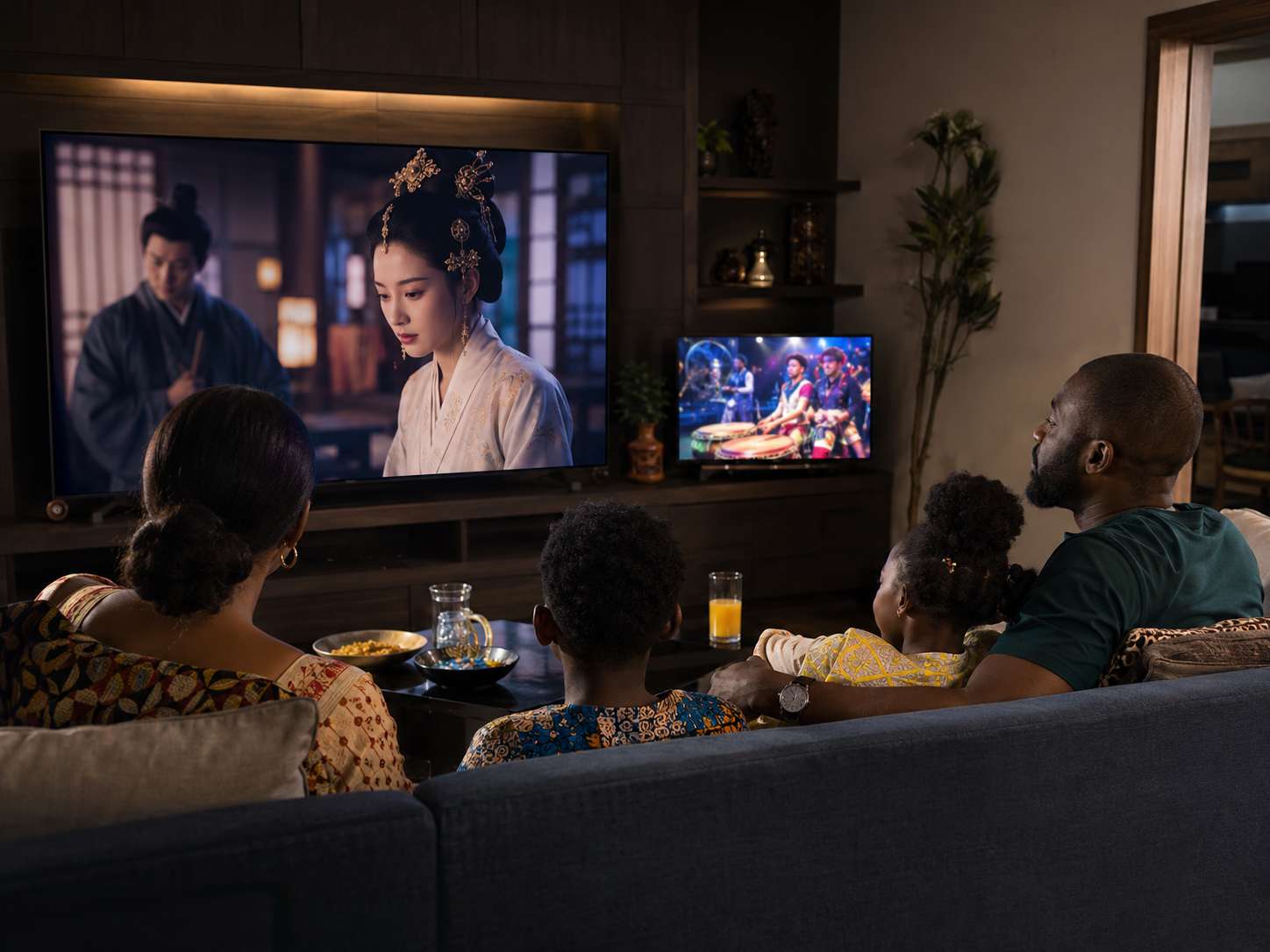
Chinese dramas, films and entertainment formats are spreading across Africa at remarkable speed. But the traffic is no longer moving in one direction: African programmes are increasingly appearing on Chinese screens too.
Something interesting is happening between China and Africa.
It is not happening in a port.
Or a factory.
Or a mining project.
It is happening on screens.
Over the past two years, 80 Chinese films and television dramas have been dubbed and broadcast on mainstream platforms in 53 African countries, according to figures presented at the 7th Forum on China-Africa Media Cooperation in Beijing.
At the same time, more than 80 programmes from 29 African countries are now being shown on major Chinese television channels and online platforms.
That is turning entertainment into a new front in China-Africa relations.
CHINESE DRAMAS ARE REACHING ALMOST THE ENTIRE CONTINENT
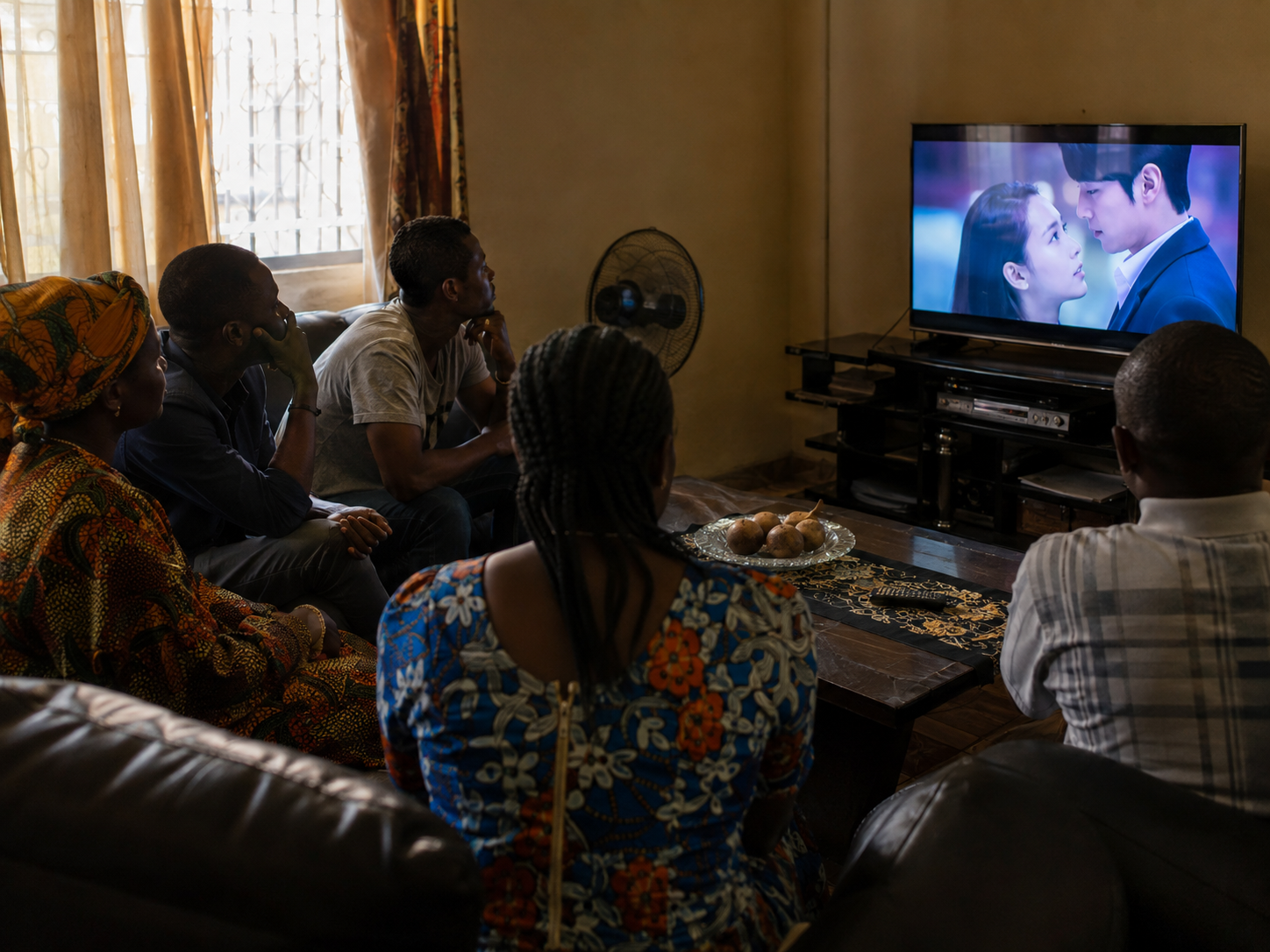
The scale is bigger than it first appears.
Fifty-three African countries means Chinese entertainment is no longer being tested in a handful of markets.
It is reaching almost the entire continent.
The content ranges from television dramas and films to variety shows and reality formats.
Many productions are dubbed into local or widely spoken languages, removing one of the biggest barriers to international entertainment.
That matters because audiences rarely adopt foreign content simply because governments want them to.
It has to be watchable.
Relatable.
And entertaining.
Chinese producers are increasingly trying to make that happen.
AFRICAN CONTENT IS STARTING TO TRAVEL THE OTHER WAY

For years, cultural exchange between China and Africa could look heavily one-sided.
Chinese productions entered African markets.
African content had far less visibility inside China.
That is beginning to change.
More than 80 programmes from 29 African countries are now airing on Chinese TV channels and digital platforms, introducing audiences to African landscapes, culture, music and everyday life.
That does not yet mean African entertainment has achieved the same scale in China as Chinese programming has in Africa.
But the direction matters.
The relationship is becoming more two-way.
‘SING FOR AFRICA’ IS GETTING BIGGER FAST

One of the clearest examples is Sing for Africa, a Chinese-supported music talent show produced in cooperation with African media partners.
Its first season attracted more than 5,000 contestants.
The second season has already received more than 10,000 registrations.
That is a remarkable jump.
And it shows there is real appetite among young African performers for platforms that can potentially connect them with much larger audiences.
Talent shows have always been about visibility.
Now they are becoming part of international cultural diplomacy too.
CHINA IS NOT ONLY EXPORTING CONTENT
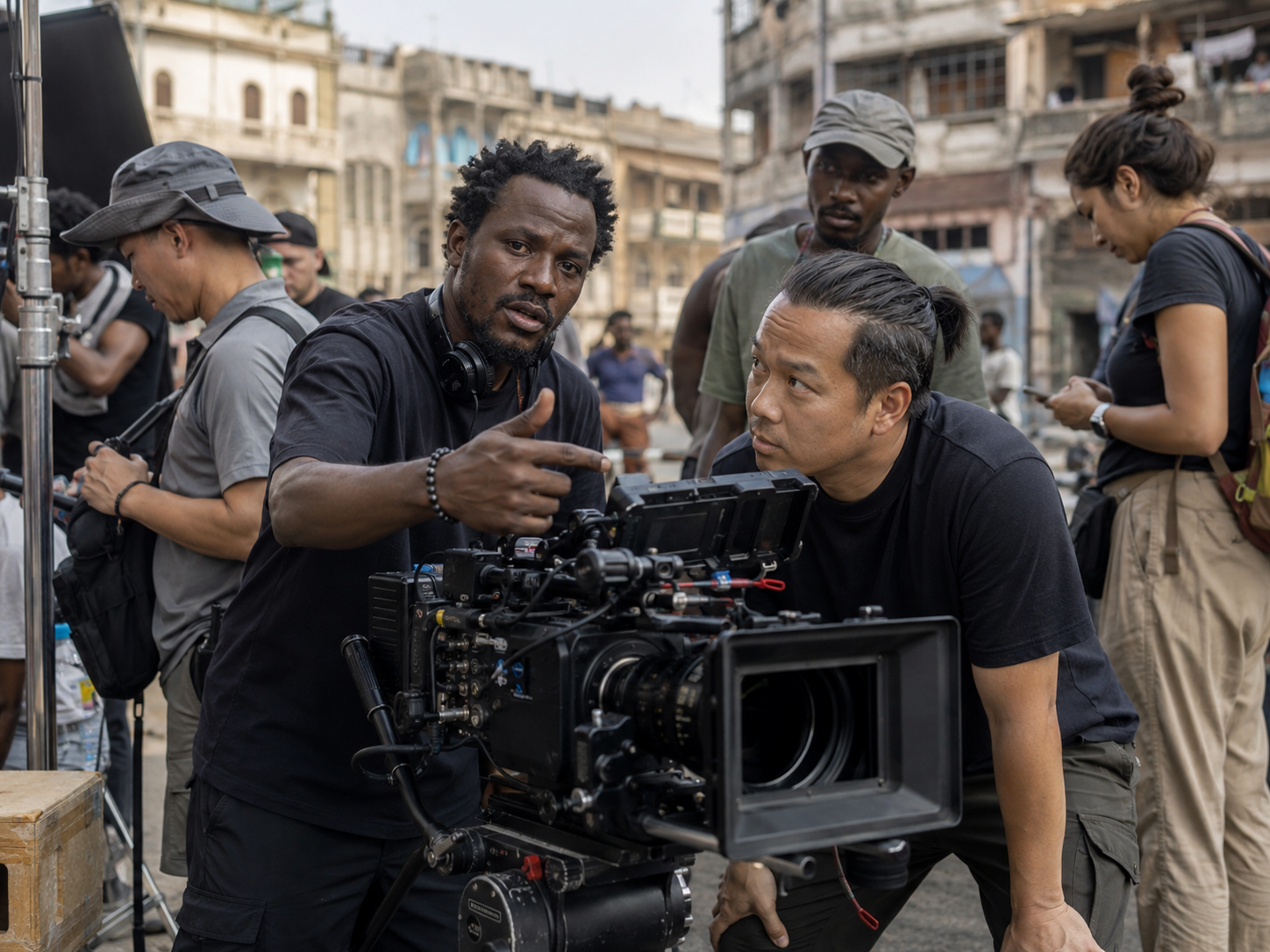
The relationship is also moving beyond finished shows.
China Daily reports that Chinese and African partners have already co-produced 50 films, television series and programmes.
That changes the model.
Instead of:
China makes it.
Africa watches it.
The new model increasingly becomes:
China and African partners make it together.
That opens the door to shared crews, shared financing, shared distribution and more stories built specifically for both audiences.
STREAMING IS MAKING THE SHIFT FASTER

Traditional television is only part of the story.
Chinese streaming platform iQIYI has partnered with OSN to launch OSNtv iQIYI across the Middle East and North Africa.
The channel went live in February 2026.
That gives Chinese entertainment another route into MENA households.
Streaming makes international expansion easier because platforms do not need to wait for a traditional broadcaster in every market.
Subtitles and dubbing can be added quickly.
Recommendations can push foreign shows to viewers who may never have searched for them.
And one hit can travel across borders almost overnight.
GHANA NOW HAS A CHINA-BACKED TV CHANNEL
The expansion is not limited to streaming.
China’s Hunan Broadcasting System and Ghana’s Golden Digital TV have jointly created Golden Mango TV Channel.
According to China Daily, the satellite channel covers 23 African countries and reaches around 10 million households.
That is significant.
It means China-Africa entertainment cooperation is moving into infrastructure as well as content.
Not just making programmes.
Building the channels that distribute them.
ROMANCE DRAMAS ARE CROSSING LANGUAGE BARRIERS
One of the most interesting details is the type of Chinese content gaining traction.
iQIYI executives say Chinese romance dramas, both historical and modern, are popular with African audiences.
That makes sense.
Romance travels well.
Family conflict travels well.
Ambition travels well.
Comedy travels well.
A viewer does not need to understand Chinese politics or history perfectly to understand jealousy, love, betrayal or friendship.
That is why entertainment often crosses borders faster than news.
Emotion needs less translation.
AFRICA HAS SOMETHING CHINA WANTS TOO
The opportunity is not only for Chinese studios.
African countries have enormous cultural diversity and a huge amount of under-exported entertainment.
Music.
Drama.
Comedy.
Travel.
Reality television.
Animation.
And local storytelling.
Officials at the Beijing forum openly encouraged more African creators to use digital tools and new technology to bring African stories to Chinese audiences.
That could become important.
China is one of the world’s largest entertainment markets.
Even a small share of that audience can be enormous for an African production.
AI COULD SPEED EVERYTHING UP
Artificial intelligence is also becoming part of the exchange.
Industry officials at the forum said AI and digital technology are helping the sector move from simple one-way broadcasting toward deeper cooperation.
The obvious applications are translation and dubbing.
AI can reduce the cost of localising content.
It can help create subtitles faster.
It can make niche productions more economical to distribute internationally.
For smaller African studios, that could be particularly valuable.
Historically, language has been one of the biggest barriers to global distribution.
Technology is making that barrier smaller.
THIS IS SOFT POWER, BUT IT IS ALSO BUSINESS
There is obviously a diplomatic layer to all of this.
China wants stronger cultural relationships with Africa.
African governments want better access to Chinese audiences and technology.
But entertainment is also a commercial industry.
Successful shows generate advertising.
Streaming subscriptions.
Licensing fees.
Tourism interest.
Music sales.
Talent opportunities.
And intellectual property.
If the exchange becomes more balanced, African producers could gain much more than cultural visibility.
They could gain a new market.
AFRICAN STORIES MAY BE THE NEXT BIG EXPORT
For years, the conversation around China and Africa has focused on infrastructure.
Railways.
Ports.
Energy.
Roads.
Now another kind of connection is growing.
Stories.
Chinese dramas are reaching African living rooms.
African programmes are reaching Chinese viewers.
Talent shows are attracting thousands of contestants.
Streaming services are opening new distribution routes.
And co-productions are multiplying.
The numbers are still relatively small compared with Hollywood or the biggest global streaming ecosystems.
But the direction is clear.
China is no longer simply exporting entertainment to Africa.
Africa is beginning to send its own stories back.