

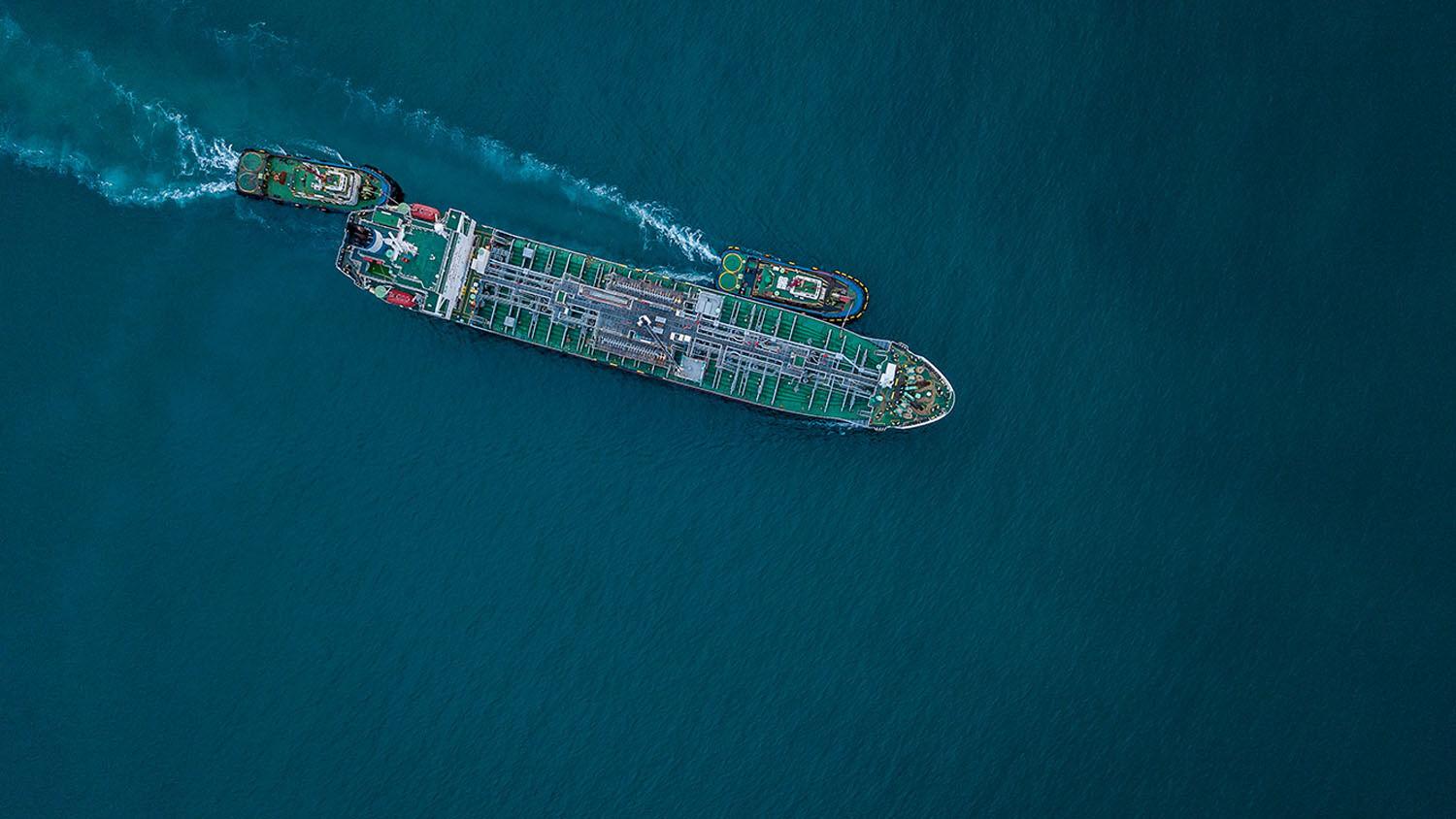
The Red Sea is back at the centre of global risk.
Not because trade stopped.
Not because every ship turned away.
But because two oil tankers carrying Saudi crude changed course after a Houthi warning, reminding markets how quickly one narrow waterway can move from geography to crisis.
The name that matters is Bab el-Mandeb.
It is the southern gate of the Red Sea, a maritime chokepoint linking the Gulf of Aden, the Suez Canal route and some of the world’s most important energy and container flows.
When Bab el-Mandeb becomes risky, shipping companies do not only look at a map.
They reprice the world.
Red Sea Risk Map Returns
The Red Sea Risk Map matters because shipping is built on trust.
Ships need routes that are predictable. Insurers need risks they can price. Energy buyers need cargoes that arrive. Exporters need schedules. Consumers need supply chains that do not suddenly stretch by thousands of kilometres.
Reuters reported that two tankers loaded with Saudi crude for China and India made U-turns in the Red Sea after a warning from Yemen’s Iran-aligned Houthi militia. Shipping data from LSEG showed the vessels heading toward the Suez Canal instead.
That is not just a ship movement.
It is a signal.
When tankers turn, markets listen.
Bab el-Mandeb Is Small But Strategic
Bab el-Mandeb is one of those places most consumers never think about until it matters.
It is narrow.
It is exposed.
It sits between Yemen and the Horn of Africa.
It connects the Red Sea to the Gulf of Aden.
It is part of the route linking Asia, the Middle East and Europe through the Suez Canal.
That makes it more than a regional waterway. It is a hinge in the global trade system.
Reuters notes that the Houthis control northern Yemen, including the coast near Bab el-Mandeb, the strait at the mouth of the Red Sea.
That geography gives the threat weight.
A group does not need to control the whole sea to create risk.
It only needs to make a key passage feel unsafe.
The Houthi Warning Changes The Calculation
The latest warning matters because it appears to broaden the pressure around Saudi-linked shipping.
Reuters reported that the Houthis said they would impose a naval blockade on Saudi Arabia, raising the threat to energy supply and trade beyond the Gulf.
That is the escalation investors fear.
The Gulf already has Hormuz risk.
Now the Red Sea has Bab el-Mandeb risk.
If both corridors carry uncertainty at the same time, companies must think differently about energy security, tanker routing, insurance and inventory.
One chokepoint can be managed.
Two chokepoints create a risk map.
Shipping Companies Hate Uncertainty More Than Bad News
A closed route is dramatic.
An uncertain route is operationally exhausting.
Shipping companies can sometimes plan around clear disruptions. They can reroute vessels, adjust contracts, delay cargoes or charge more for risk. But uncertainty creates constant recalculation.
Is the route safe today?
Will it be safe tomorrow?
Which ships are exposed?
Which flags, owners, cargoes or destinations are considered risky?
Will insurers demand higher premiums?
Will crews accept the route?
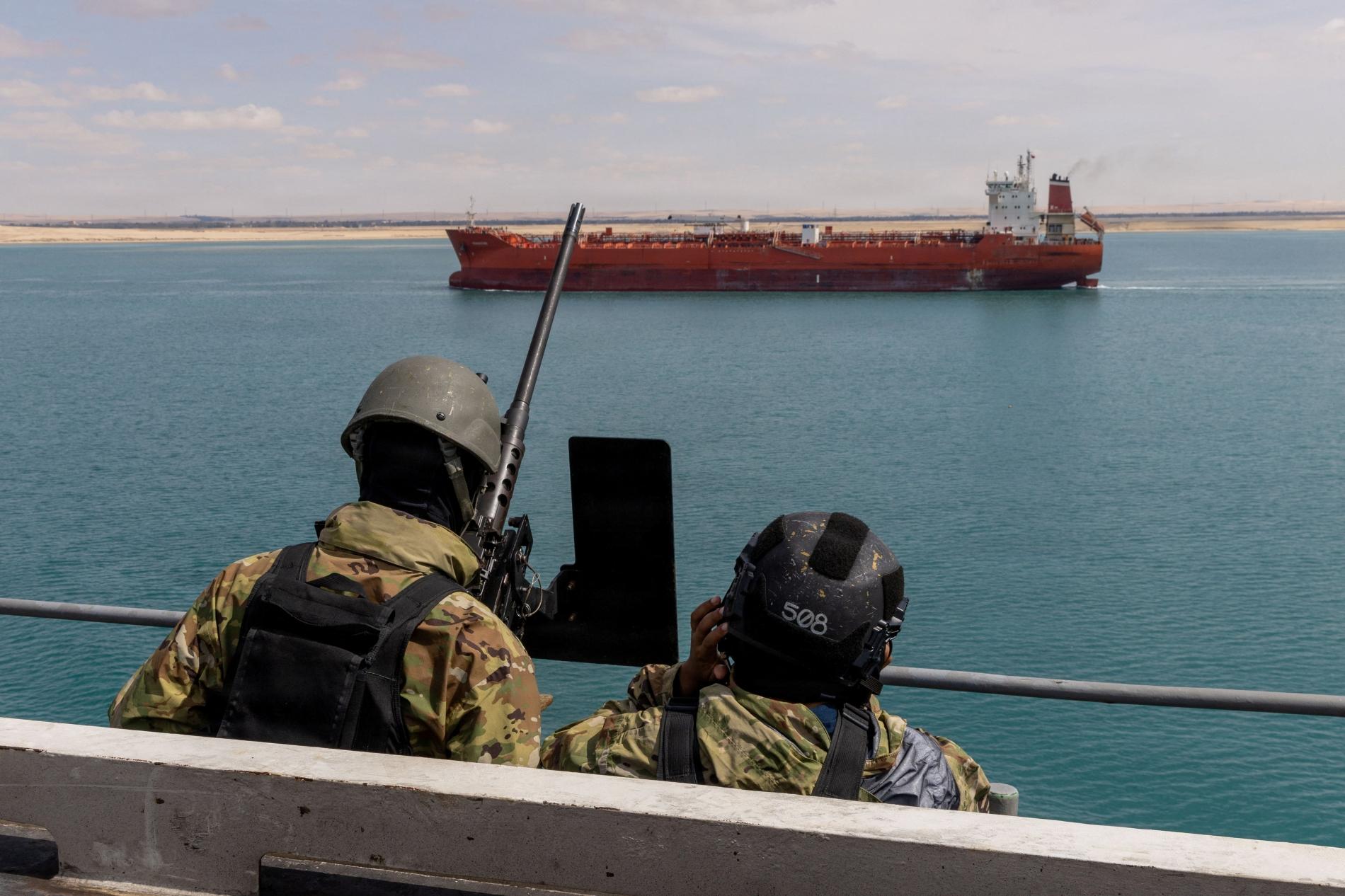
Will navies escort traffic?
Will one incident change the entire market overnight?
This is why a warning can matter even before a missile is fired.
The risk premium begins with doubt.
Oil Markets Feel The Red Sea Quickly
Oil markets react to chokepoint threats because time matters.
A tanker delayed by rerouting affects delivery schedules. A tanker forced around the Cape of Good Hope adds distance, fuel costs and time. A route seen as dangerous can raise insurance costs and reduce available shipping capacity.
Reuters reported that oil prices rose more than 2% as fresh U.S.-Iran attacks and Houthi threats increased concern about global energy supply and trade routes.
That is the chain.
Security risk becomes shipping risk.
Shipping risk becomes supply risk.
Supply risk becomes oil-price risk.
Oil-price risk becomes inflation anxiety.
The Red Sea may look far from the consumer.
But the cost can travel fast.
Saudi Arabia Becomes Part Of The Maritime Story
The Houthi warning targets Saudi-linked trade directly.
That matters because Saudi Arabia is not only a regional power. It is one of the world’s most important oil exporters. Any credible threat to Saudi export routes immediately raises questions for Asia, Europe, refiners and energy traders.
Reuters quoted an analyst saying the threat of a Houthi naval blockade on Saudi Arabia was significant because it increased the risk of disruption to another major oil exporter.
That is the market’s concern.
The conflict is no longer only about one militia, one country or one stretch of sea.
It is about whether a regional conflict can interfere with energy flows from a major exporter.
The Suez Route Is Vulnerable By Design
The Red Sea route is attractive because it is efficient.
Ships moving between Asia and Europe can use the Suez Canal instead of sailing around Africa. That saves time, fuel and money.
But efficiency creates vulnerability.
The more trade depends on a narrow corridor, the more valuable that corridor becomes to anyone seeking leverage. Bab el-Mandeb and Suez are not just waterways. They are pressure points in the global economy.
When the Red Sea is calm, efficiency wins.
When the Red Sea is dangerous, resilience becomes more important.
That is the trade-off every shipping company now faces.
Rerouting Is Not Free
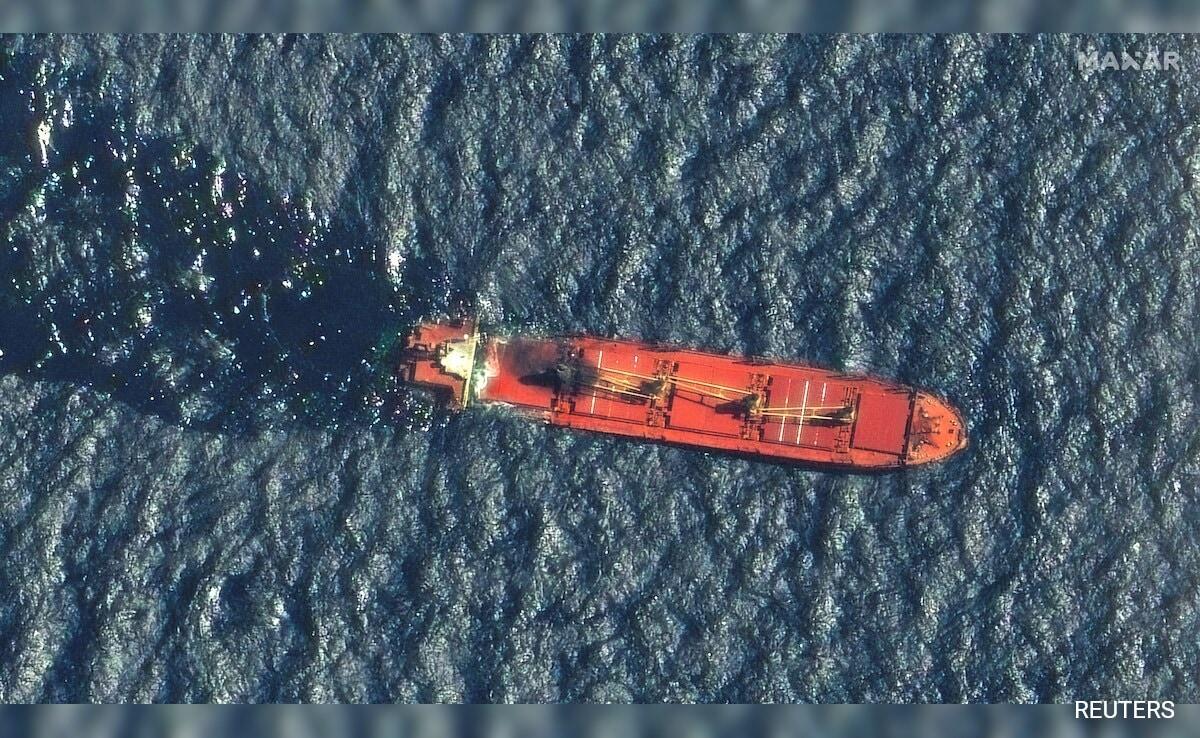
The obvious alternative is to send ships around the Cape of Good Hope.
That can reduce exposure to the Red Sea, but it is expensive. It adds distance, time, fuel, crew costs, emissions and scheduling complications. It can also reduce effective shipping capacity because vessels spend longer at sea.
For container lines, delays can disrupt supply chains.
For tankers, longer voyages can tighten vessel availability.
For consumers, costs may eventually show up in prices.
Rerouting is a safety option.
It is not a free option.
The global economy pays for distance.
Insurance Becomes A Hidden Cost
Insurance is one of the first places where maritime risk becomes financial.
If a route is considered more dangerous, insurers can demand higher war-risk premiums or impose stricter conditions. That affects the cost of moving cargo even if the ship arrives safely.
The public rarely sees this.
But companies do.
A shipping contract may become more expensive. A cargo may be delayed. A charter may be repriced. A route may become commercially unattractive before it becomes physically impossible.
That is how conflict enters the balance sheet.
Not only through explosions.
Through insurance forms.
Crews Carry The Human Risk
It is easy to discuss shipping as if vessels move by themselves.
They do not.
Seafarers are on board.
They are the people exposed when a route becomes dangerous. They are the ones who sail through missile and drone risk. They are the ones who must respond to alerts, naval instructions, emergency procedures and the stress of being a possible target.
The human element matters.
A tanker U-turn is not only a commercial decision.
It is also a decision about crew safety.
Global trade depends on workers who rarely become visible until something goes wrong.
The Red Sea threat puts them back into the story.
China And India Watch Closely
The two tankers reported by Reuters were carrying Saudi crude for China and India.
That detail is important.
Asian energy buyers are central to the story because they rely heavily on imported crude and need stable flows. Any disruption to Saudi cargo routes can affect refiners, supply planning and energy security calculations.
China and India are not passive observers.
They are major consumers with strategic interest in keeping maritime routes open.
If Red Sea risk rises, Asian governments and companies will need to think about inventories, alternative suppliers, shipping schedules and diplomatic positioning.
Energy security is not only about buying oil.
It is about getting it home.
Europe Is Exposed Through Suez
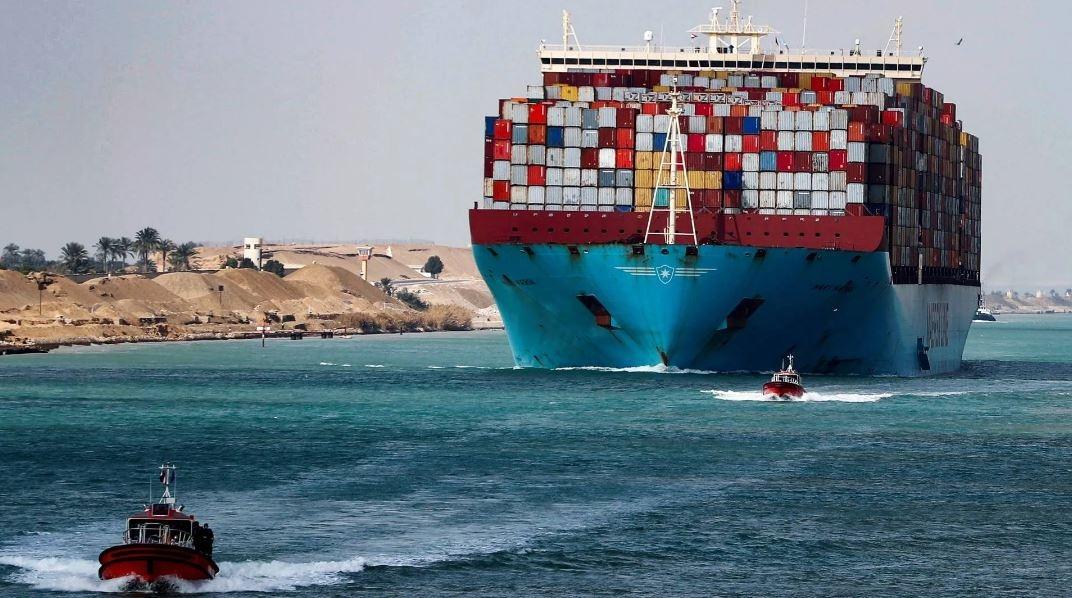
Europe also has a stake in the Red Sea.
The Suez route is a major artery for trade between Europe and Asia. Disruption can raise freight costs, delay goods, complicate supply chains and revive memories of previous shipping shocks.
The Red Sea crisis is therefore not only an oil issue.
It is a container issue.
A retail issue.
A manufacturing issue.
A shipping issue.
A consumer-price issue.
If rerouting spreads, Europe feels it through delivery times and costs.
That is why European companies watch Bab el-Mandeb even if the conflict feels geographically distant.
The Market Is Learning From Recent History
The world economy has already learned how fragile shipping routes can be.
The pandemic exposed port congestion.
The Ever Given blockage exposed Suez dependence.
Red Sea attacks exposed security risk.
War in Ukraine exposed energy-route vulnerability.
Each event taught companies the same lesson: efficiency without backup is dangerous.
Bab el-Mandeb now reinforces that lesson again.
The modern supply chain is fast because it is narrow.
It is vulnerable for the same reason.
Naval Power May Become More Visible
When commercial shipping is threatened, naval power often becomes more visible.
Escort missions.
Patrols.
Warnings.
Coalitions.
Surveillance.
Interceptions.
Diplomatic pressure.
The Red Sea has already seen military responses in recent years, and any renewed Houthi threat could push more governments to increase maritime protection.
That does not eliminate risk.
It changes the risk environment.
A heavily patrolled route may reassure some operators, but it can also show that the corridor has become a militarised space rather than a normal trade lane.
For markets, that distinction matters.
Normal routes are cheap.
Militarised routes are not.
The Threat May Be Enough
One of the most important lessons from maritime risk is that full closure is not necessary to create damage.
A credible threat can be enough.
If shipowners reroute pre-emptively, the cost is real.
If insurers raise premiums, the cost is real.
If buyers build extra inventories, the cost is real.
If traders add a risk premium to oil, the cost is real.
If ports see schedule disruption, the cost is real.
The Houthis do not need to stop every ship to affect global shipping.
They only need to make enough companies wonder whether the route is worth the risk.
The Red Sea Becomes Part Of The Inflation Story
Inflation is often discussed through central banks, wages and consumer demand.
But shipping routes also matter.
If oil rises, freight costs rise or delivery chains stretch, price pressure can return even when domestic demand is not booming. That complicates the job of policymakers.
A central bank cannot reopen Bab el-Mandeb.
A finance ministry cannot easily remove war-risk premiums.
A retailer cannot fully control freight delays.
This is why geopolitical inflation is so difficult.
It comes from outside the normal economic toolkit.
The Red Sea can therefore become part of the inflation story without appearing on any household receipt by name.
Companies Need A Red Sea Plan
For large companies, the latest warning is a reminder to revisit logistics planning.
Which suppliers depend on the route?
Which cargoes are exposed?
What insurance clauses apply?
Which alternative routes exist?
How much inventory is available?
How long can delays be absorbed?
Which contracts pass costs through?
Which customers will be affected first?
A company that waits until full disruption may be too late.
The best supply-chain risk management happens before the crisis becomes obvious.
The Red Sea is now back on that planning table.
This Is Not Yet A Full Closure
The careful point is important.
A warning is not the same as a total shutdown.
Two tankers turning around is significant, but it does not mean all Red Sea traffic has stopped. Shipping flows can continue under risk, and markets can overreact to headlines that later calm.
That is why responsible reporting must separate possibility from fact.
The fact is that tankers changed course after a Houthi warning.
The risk is that more ships, cargoes and insurers may react if the threat grows.
The unknown is whether this becomes a contained incident or a wider disruption.
The Bottom Line
The Red Sea Risk Map is back because Bab el-Mandeb sits at the intersection of energy, trade and conflict.
Reuters reports that two tankers carrying Saudi crude for China and India made U-turns in the Red Sea after a Houthi warning, while oil markets also reacted to wider U.S.-Iran tensions and threats to shipping routes.
That is the warning for the global economy.
A narrow strait can carry a wide shock.
A militia threat can move tanker routes.
A tanker route can move oil prices.
And oil prices can move inflation expectations.
The Red Sea is not just water on a map.
It is one of the pressure points where globalisation shows how fragile it really is.