

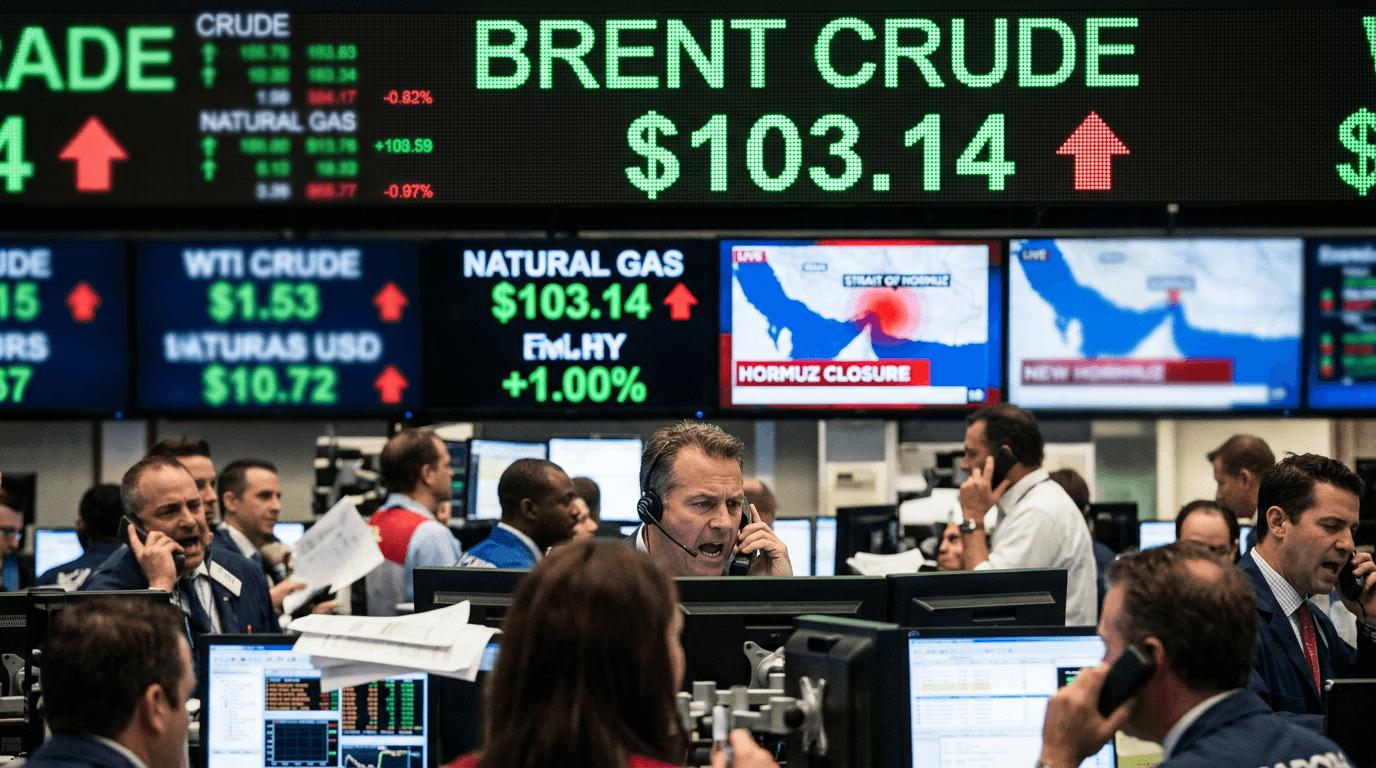
The Gulf Oil Shock is back on the market’s screen.
For weeks, investors wanted to move on.
They wanted to talk about earnings, artificial intelligence, interest rates, currencies, consumer spending and the next move from central banks.
Then oil moved again.
Brent crude pushed above $90 a barrel as U.S.-Iran tensions escalated and energy shipments through the Strait of Hormuz came under renewed pressure. Suddenly, the market was reminded of a simple truth: when the Gulf shakes, inflation risk travels everywhere.
This is not only an energy story.
It is a cost-of-living story.
Gulf Oil Shock Hits The Market
The Gulf Oil Shock matters because oil is not just another commodity.
Oil touches transport, electricity, aviation, shipping, plastics, food distribution, manufacturing, currencies and household budgets. When crude jumps quickly, the effect does not stay inside trading screens.
It moves into petrol stations.
It moves into airline costs.
It moves into trucking.
It moves into supermarket logistics.
It moves into inflation expectations.
Reuters reported that oil prices jumped about 3% on Monday, with Brent moving above $90 a barrel, as the United States and Iran expanded attacks in the Middle East and shipments through the Strait of Hormuz were curbed.
That is why this market move matters.
It is not the size of one daily jump alone.
It is the location of the risk.
Hormuz Is The Real Fear
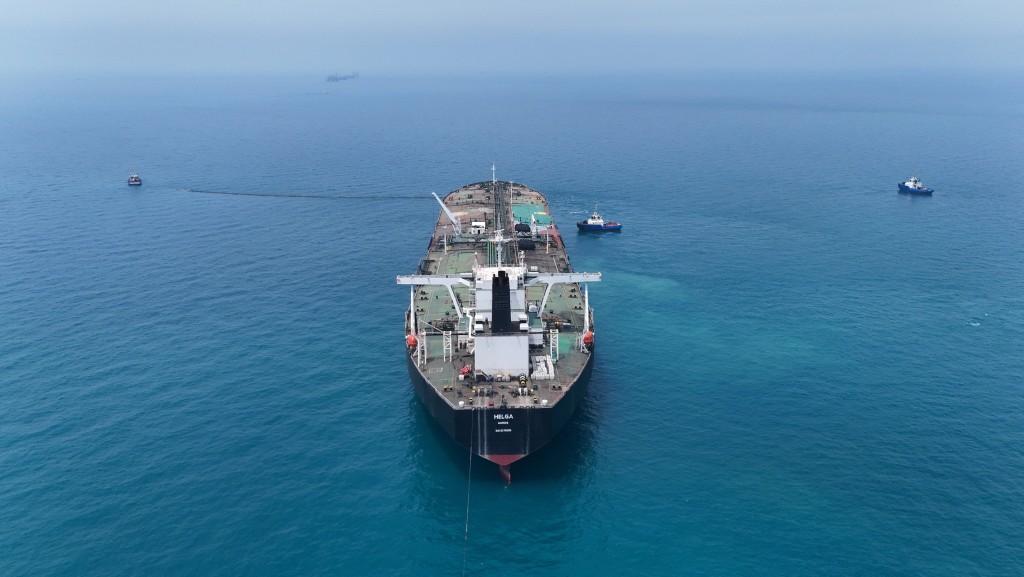
The Strait of Hormuz is one of the world’s most sensitive energy chokepoints.
When traders hear disruption near Hormuz, they do not think only about one tanker or one headline. They think about supply routes, insurance costs, shipping delays, military escalation, inventories and the possibility that oil flows become more difficult to price.
That is why the Gulf matters more than many other geopolitical flashpoints for markets.
A conflict in the region can quickly become an energy inflation event.
Reuters reported that the latest escalation restricted oil shipments through the Strait of Hormuz, while ING analysts said Brent had broken above $90 with “no let-up” in the Gulf escalation.
That sentence is the market’s problem.
No let-up.
No certainty.
No easy hedge for ordinary households.
Inflation Fears Return Through The Back Door
Markets had been trying to decide whether inflation was under control.
Oil complicates that question.
A crude spike does not automatically create a lasting inflation wave, but it can slow the disinflation process. It can keep fuel prices higher. It can raise transport costs. It can pressure airlines. It can make central banks more cautious.
The problem is psychological too.
Inflation is not only what prices do today.
It is what consumers, companies and policymakers expect prices to do tomorrow.
When oil rises because of geopolitical risk, people begin to ask whether the calm was temporary.
That is how inflation fear returns.
Not through wages.
Not through rent.
Through the barrel.
The Market Is Pricing Risk, Not Panic
The important thing is that markets are not yet behaving as if the world economy is collapsing.
Oil is higher.
Equities are watching.
Currencies are reacting.
But this is not full panic.
MarketWatch reported that renewed hostilities were being priced mainly as an oil, inflation and regional-risk event rather than the start of a systemic shock.
That distinction matters.
A systemic shock means investors fear a wider financial break.
An oil-inflation shock means investors fear higher energy costs, lower margins and more complicated central-bank decisions.
The second is serious.
But it is not the same as market panic.
At least not yet.
Consumers Feel Oil Before They Understand It
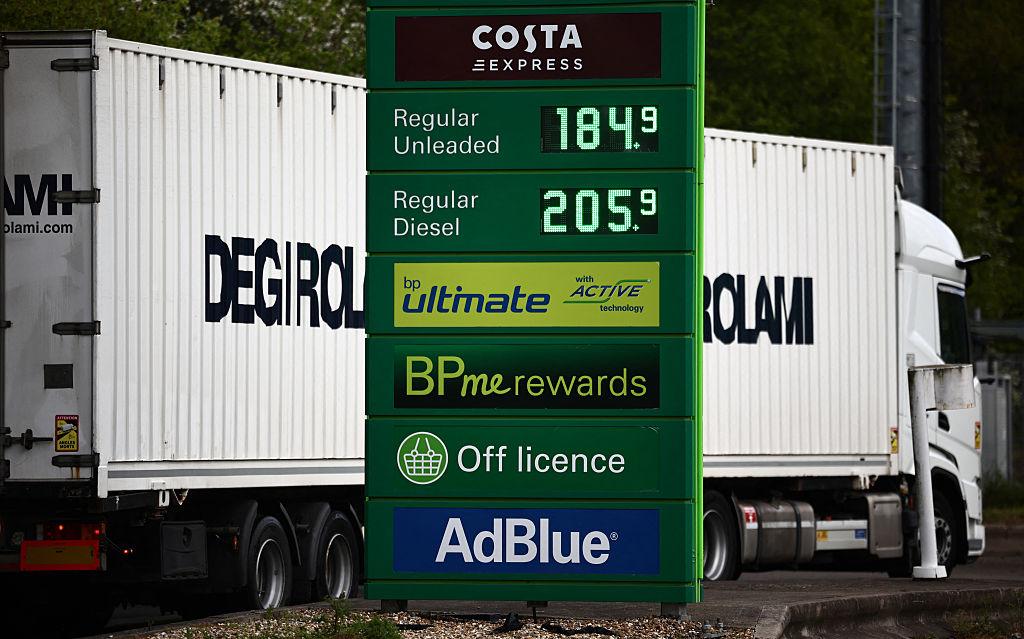
Most consumers do not follow Brent crude every day.
They follow prices.
Fuel prices.
Taxi prices.
Airfare.
Delivery charges.
Food bills.
Electricity costs.
When oil rises, the first reaction may not be political. It may be practical.
Can I fill the car for less?
Will flights get more expensive?
Will food delivery fees rise?
Will businesses pass costs on?
Will inflation return to the headlines?
This is why oil shocks are politically dangerous. They translate quickly from global markets into kitchen-table anxiety.
People may not know the Strait of Hormuz.
They know the price of petrol.
Airlines Face The Travel Cost Test
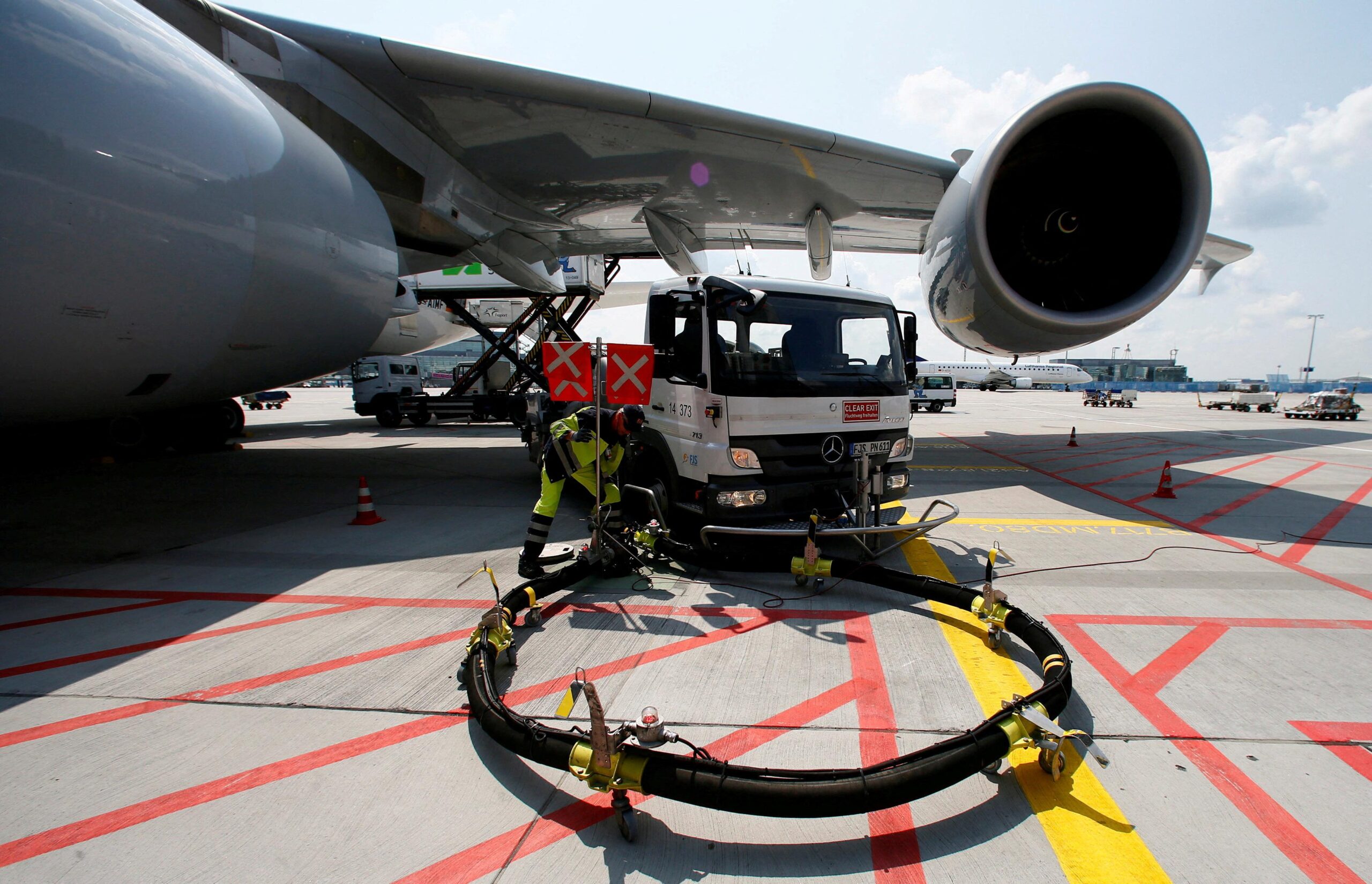
Aviation is one of the first sectors investors watch when oil rises.
Fuel is a major cost for airlines. If prices stay elevated, carriers face a difficult choice: absorb the pressure, hedge effectively, raise fares or cut capacity.
None of those choices are easy.
Higher fuel costs can hurt margins. Higher fares can weaken demand. Lower capacity can reduce flexibility for travellers. A sudden oil spike can also arrive at exactly the wrong moment, during busy travel seasons or when airlines are already dealing with weather disruption, labour costs and aircraft constraints.
That makes the Gulf oil shock a travel story too.
If oil stays high, the price of movement rises.
Food Prices Can Feel The Pressure
Oil also matters for food.
Not because crude becomes bread directly, but because food is moved, cooled, processed, packaged and delivered through energy-heavy systems. Trucks need fuel. Ships need fuel. Farms use machinery. Fertilizer markets can be energy-linked. Supermarkets depend on logistics.
A short oil spike may not transform food prices overnight.
But a prolonged shock can add pressure to already sensitive household budgets.
That is why oil and breakfast bills are more connected than they appear.
Energy sits inside the cost chain.
Consumers feel the final bill.
Central Banks Get A Harder Job
Central banks prefer clean inflation stories.
Oil shocks make them messy.
If energy prices rise because of geopolitics, raising interest rates will not reopen a shipping lane or calm the Gulf. But central banks still have to worry about second-round effects. If fuel prices feed into wages, transport costs and inflation expectations, policymakers may become less comfortable cutting rates.
That creates a difficult balance.
React too strongly, and central banks may hurt growth.
React too weakly, and inflation expectations may loosen.
This is why oil shocks are so uncomfortable.
They are supply shocks with demand consequences.
The AI Rally Now Has A Macro Problem
Investors were already questioning whether the AI-led tech rally had gone too far.
A Gulf oil shock adds a macro layer to that concern.
Higher oil can pressure margins, raise inflation expectations and make central-bank easing less likely. That can hurt growth stocks, especially if valuations are already stretched and investors are waiting for earnings proof.
The AI story may still be powerful.
But even powerful themes do not exist outside macro conditions.
If oil remains elevated, markets may become less tolerant of expensive narratives and more focused on cash flow, pricing power and balance-sheet strength.
In other words, the oil market can change the mood of the stock market.
Europe And Asia Watch Differently
Oil shocks do not hit every region equally.
Energy importers are more exposed. Countries that depend heavily on imported crude can face pressure on trade balances, currencies and inflation. Exporters may benefit from higher revenues, at least in the short term.
That creates a split market.
For Gulf producers, higher oil can mean stronger state revenue.
For import-heavy economies, it can mean higher costs.
For consumers everywhere, it can mean anxiety.
This is why a Gulf oil shock is global even if the fighting is regional. The barrels move through a world economy already sensitive to price pressure.
The Dollar Link Matters
Oil is priced globally in dollars.
That makes currency moves important. If oil rises and a country’s currency weakens against the dollar, the local price impact can become sharper. Importers pay more for the commodity and may pay more because of exchange-rate pressure.
This is especially important for emerging markets.
A stronger dollar plus higher oil can become a difficult combination. It raises import costs, strains current accounts and can force governments to choose between subsidies, price pass-through or fiscal pressure.
Oil shocks often become currency stories.
Currency stories become inflation stories.
Inflation stories become political stories.
Inventories Are The Buffer
One key issue is inventories.
If global oil inventories are comfortable, markets can absorb disruptions more calmly. If inventories are tight, each disruption feels more dangerous because there is less cushion.
Reuters reported that ING analysts warned the oil market may still be too complacent about inventory fallout, noting that inventories are at the tightest level of the past five years.
That is not a small warning.
When inventories are tight, risk premia rise.
Traders pay more attention to every tanker, every strike, every diplomatic statement and every insurance update.
The market becomes more nervous because the margin for error is smaller.
Governments Face The Fuel Price Problem
Fuel prices are politically sensitive almost everywhere.
When they rise quickly, governments come under pressure to respond. Some may consider subsidies. Others may release reserves. Some may cut taxes temporarily. Others may blame external actors and hope the spike fades.
But government responses are complicated.
Subsidies cost money.
Tax cuts reduce revenue.
Strategic reserves are finite.
Price controls can distort markets.
Doing nothing can anger voters.
This is why oil shocks create political stress far beyond the energy ministry.
They enter elections, protests, budget debates and household trust.
Shipping Risk Spreads Beyond Oil
The Strait of Hormuz is mainly discussed through oil, but shipping risk can spread more widely.
If insurance costs rise, routes become more dangerous or military activity increases, companies may reassess logistics exposure. Even if most cargo continues moving, uncertainty can raise costs and slow decisions.
The world economy learned during previous supply-chain crises that logistics confidence matters.
When routes feel safe, trade feels normal.
When routes feel vulnerable, pricing changes.
That is the larger Gulf risk.
Energy is the headline.
Trade confidence is the background pressure.
The Market Wants De-Escalation
For oil prices to cool meaningfully, markets need more than one calm trading session.
They need signs of de-escalation.
Reduced attacks.
Safer shipping.
Clearer diplomatic channels.
Stable tanker movement.
No broadening of the conflict.
No closure of key routes.
No direct threat to major production sites.
Without that, prices may keep carrying a geopolitical premium. The premium may rise or fall daily, but it will not disappear while traders fear that the next headline could affect supply.
Oil markets can tolerate bad news.
They struggle with unknown escalation paths.
Businesses Will Recheck Their Assumptions
Companies built forecasts around fuel, freight, consumer demand and inflation expectations.
A Gulf oil shock forces them to recheck assumptions.
Retailers may look again at logistics costs.
Airlines may revisit fuel hedges.
Restaurants may watch delivery and ingredient costs.
Manufacturers may assess transport contracts.
Investors may ask which firms can pass through higher costs and which cannot.
This is where oil becomes a margin story.
Some businesses can raise prices.
Others absorb the hit.
The difference matters for earnings.
The Bottom Line
The Gulf Oil Shock shows how quickly inflation fear can return.
Oil jumped about 3% on Monday, with Brent moving above $90 a barrel, after U.S.-Iran tensions intensified and energy shipments through the Strait of Hormuz were disrupted. Reuters also reported that analysts warned markets may still be underestimating the risk to already tight inventories.
That is the lesson.
The world can talk about AI, earnings and technology all it wants.
But oil still has the power to interrupt the story.
When the Gulf tightens, markets listen.
When Brent rises, consumers eventually feel it.
And when energy risk returns, inflation stops looking like yesterday’s problem.