
America’s food chain has a Moroccan pressure point.
Not on the supermarket shelf.
Not in the restaurant kitchen.
Not in the final price of bread, corn, milk or meat.
Earlier.
In the soil.
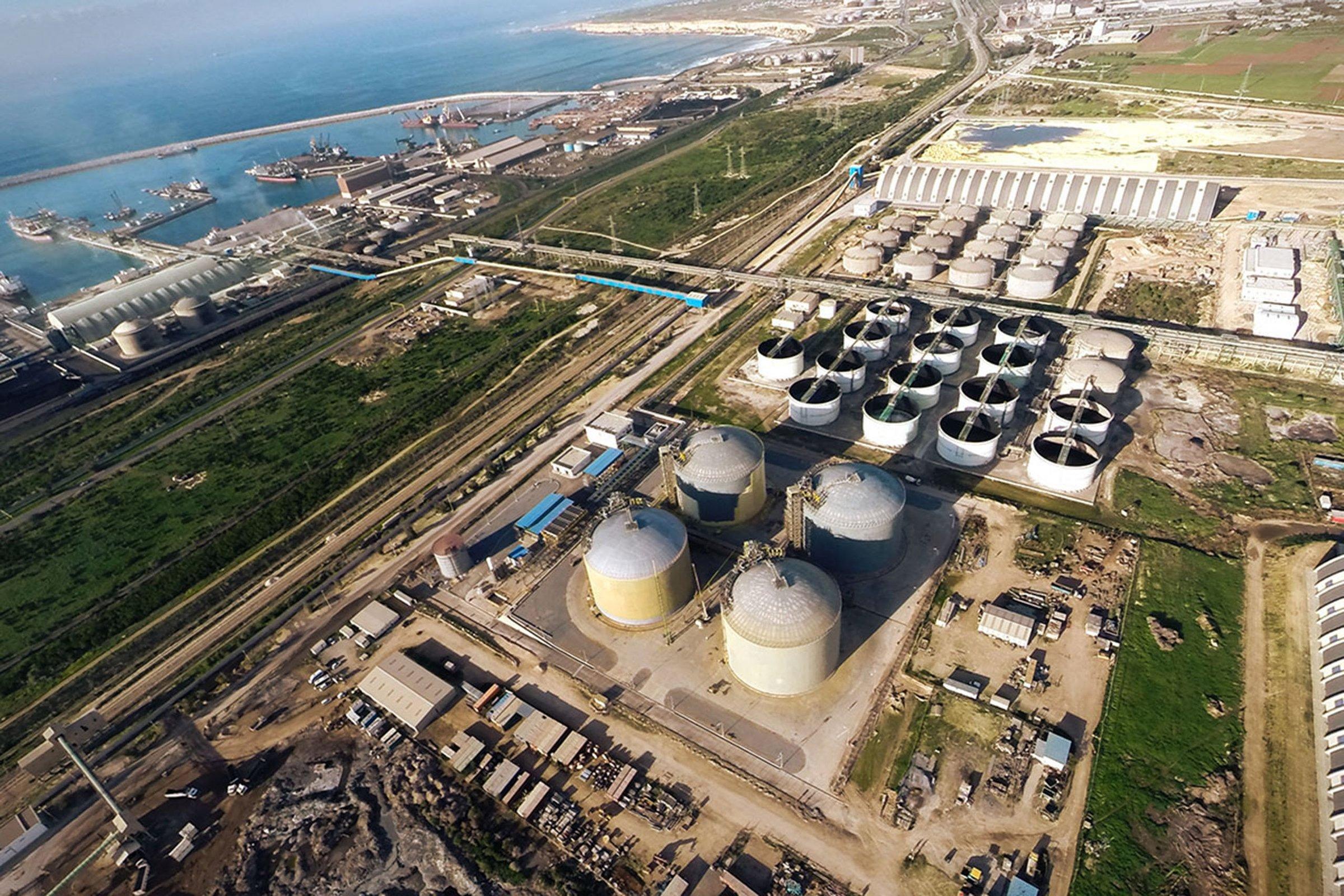
The United States has temporarily suspended certain duties on Moroccan phosphate fertilizer, while Morocco’s OCP is deepening its partnership with Koch Ag & Energy Solutions at Jorf Lasfar. Together, the moves show how Morocco’s phosphate power is no longer only a national industrial story.
It is becoming part of America’s food-security architecture.
That makes OCP more than a fertilizer company.
It makes it a strategic supplier in a world where food, energy, shipping, geopolitics and climate stress are increasingly connected.
OCP Fertilizer Power Enters The U.S. Food Debate
OCP Fertilizer Power matters because phosphate is not optional.
Farmers need nutrients to maintain yields. Without enough fertilizer, crop output can fall, food costs can rise and the pressure spreads through the entire agricultural system.
That is why the U.S. decision is important.
The White House said the United States’ largest foreign source of phosphate fertilizer had faced supply-chain disruption, placing pressure on the farm economy and certain categories of domestic food production. It also said U.S. phosphate fertilizer production is insufficient to support domestic agricultural food production after accounting for exports.
That statement turns Moroccan fertilizer into more than a trade item.
It makes Morocco part of an American emergency supply calculation.
When Washington removes duties to secure Moroccan phosphate flows, it is effectively admitting that food security now depends on foreign mineral supply.
Morocco is one of the countries holding that leverage.
The Soil Comes Before The Supermarket
Consumers often think food inflation begins at the grocery store.
It does not.
It begins in the field.
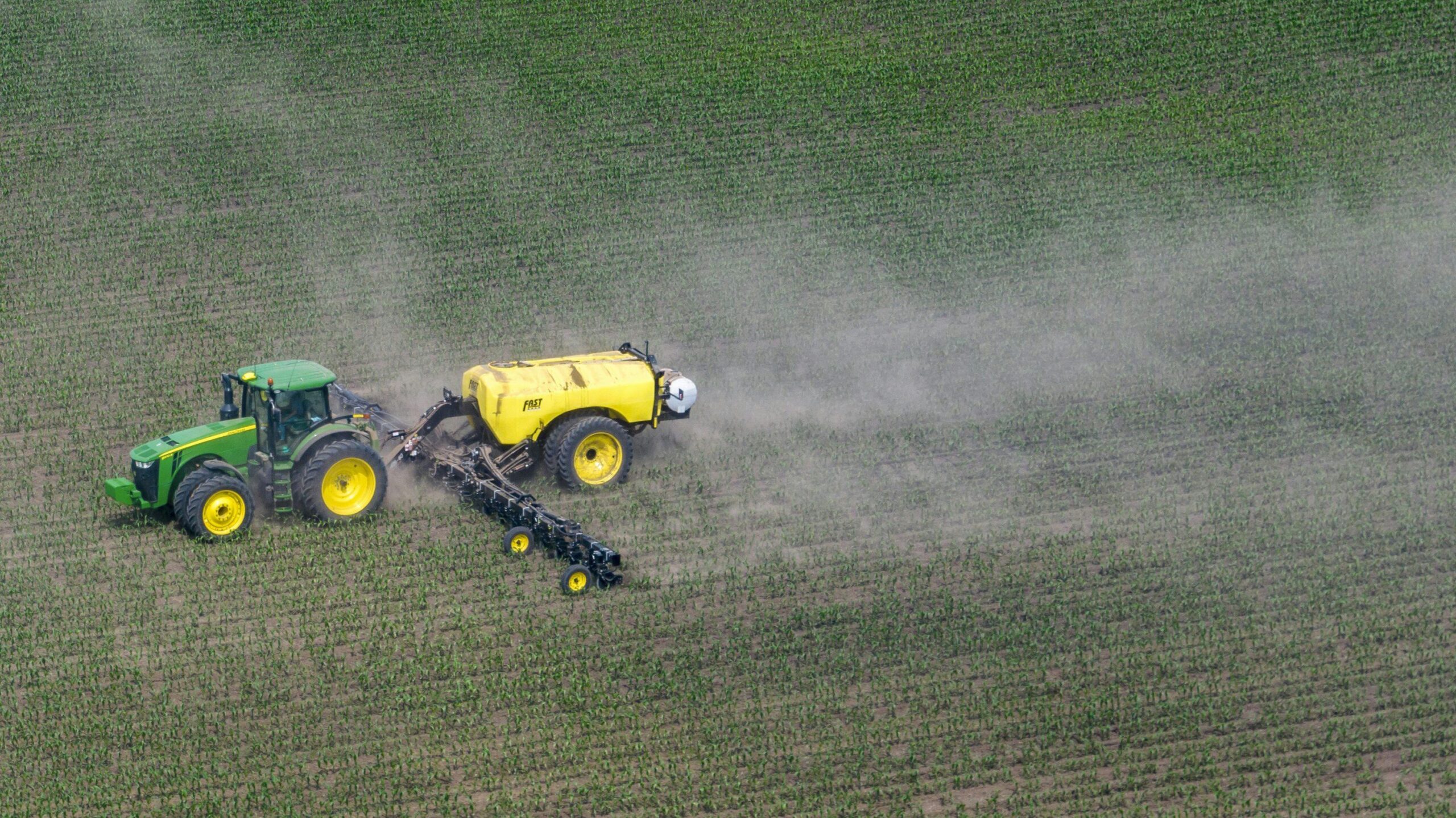
A farmer must buy seed, fuel, equipment, labour, water, fertilizer and transport before food ever reaches a shelf. If fertilizer becomes scarce or expensive, the pressure can move through planting decisions, crop yields, livestock feed, processed foods and household prices.
Phosphate is especially important because it supports root development, crop growth and soil fertility. It is not a luxury input. It is part of modern high-yield agriculture.
This is why Morocco’s role is strategic.
The Kingdom sits on one of the world’s most important phosphate positions through OCP. In a stable market, that is an industrial advantage. In a disrupted market, it becomes geopolitical power.
A phosphate cargo does not look dramatic.
But it can influence how much food a country can grow.
America’s Temporary Tariff Move Is A Signal
The U.S. tariff suspension is not just a technical customs decision.
It is a signal that the American farm economy is sensitive to phosphate supply risk.
Reuters reported that the United States would suspend some duties on phosphate fertilizer from Morocco after disruptions in global fertilizer supply chains, including conflicts in fertilizer-producing regions and trade actions by major producers.
That is the key point.
Food security is no longer discussed only through farms.
It is discussed through war, trade policy, shipping routes, fertilizer chokepoints and minerals.
A farmer in the American Midwest can be affected by a supply decision in Morocco, a trade dispute in Washington, shipping costs in the Atlantic or conflict near key energy corridors.
The food chain is global long before the food is eaten.
OCP And Koch Deepen The Industrial Link
The second part of the story is corporate.
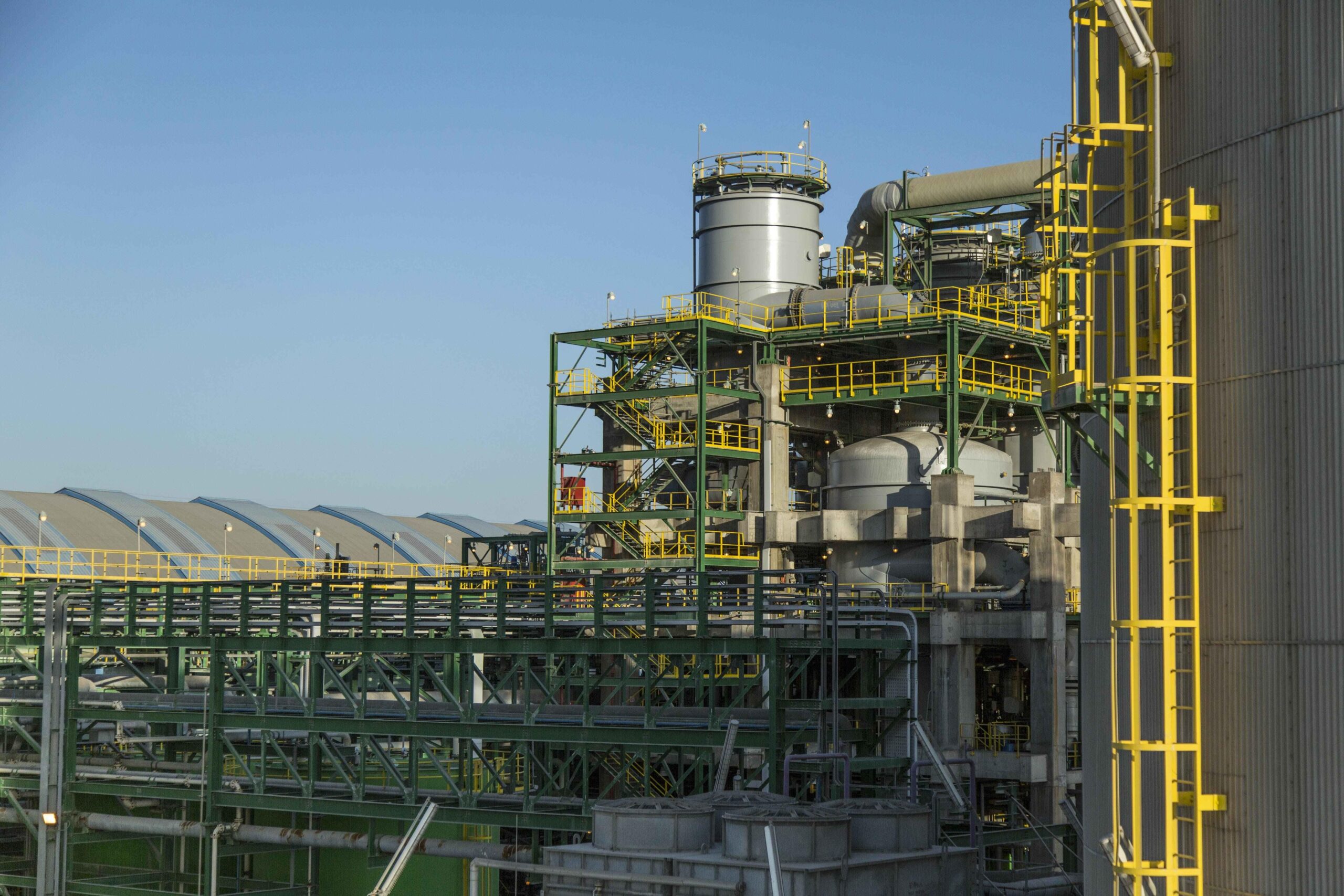
Koch Ag & Energy Solutions and OCP Nutricrops announced an agreement under which a Koch affiliate will acquire a 50% interest in a Jorf Lasfar fertilizer company from OCP, expanding a long-standing partnership. The facility has capacity to produce up to 1.1 million metric tons annually of phosphate-based fertilizers, according to OCP’s statement.
That matters because Jorf Lasfar is not just a Moroccan industrial site.
It is part of a global fertilizer network.
When an American agribusiness player takes a deeper stake in Moroccan fertilizer production, the link between Moroccan phosphate and North American agriculture becomes more institutional.
This is not only export trade.
It is production partnership.
That makes the relationship harder to ignore and harder to replace.
Morocco Is Moving From Supplier To System Player
The old way to describe Morocco’s phosphate position was simple.
Morocco has phosphate.
OCP exports fertilizer.
Farmers buy it.
That description is no longer enough.
OCP is moving into a more complex role: financing, joint ventures, customized plant nutrition, green ammonia, African food security, North American supply chains and industrial diplomacy.
Reuters reported earlier this year that OCP raised $1.5 billion through its first international hybrid bond, becoming the first African group to issue a U.S. dollar-denominated hybrid on global markets.
That shows the scale of the ambition.
OCP is not behaving like a passive commodity exporter.
It is behaving like a global industrial platform.
The difference matters.
Commodity exporters sell volume.
System players shape markets.
Food Security Is Becoming Mineral Security
The world often talks about energy security.
Oil.
Gas.
Electricity.
Lithium.
Copper.
Rare earths.
But food security has its own mineral layer.
Nitrogen, phosphorus and potassium sit at the base of modern agriculture. If countries cannot access these inputs reliably, food systems become vulnerable even when land and labour are available.
Recent research on global food supply chains argues that upstream natural gas and mineral-fertilizer layers are structural bottlenecks in the global agrifood system, with shocks capable of propagating downstream into staple crop supply.
That is the global lesson.
Food is not only grown.
It is enabled.
Morocco’s phosphate power sits inside that enabling layer.
The U.S. Needs Reliability, Not Only Low Prices
For American farmers, price matters.
But reliability may matter even more.
A farmer can sometimes manage a higher input price. A farmer cannot easily manage uncertainty before planting. If fertilizer arrives late, costs spike or supply becomes unreliable, the entire crop plan can change.
That is why Washington’s language around supply is important.
The White House framed Moroccan phosphate imports as necessary to mitigate significant risk to U.S. agricultural food production, safeguard economic and national security and ensure stable domestic food supply.
That is unusually strong language for fertilizer.
It places Moroccan phosphate inside national-security vocabulary.
For Morocco, that is leverage.
For the United States, it is dependency management.
For OCP, it is market power.
OCP’s Advantage Is Hard To Replicate
Phosphate supply cannot be created overnight.
It requires reserves, mining capacity, processing plants, logistics, ports, chemistry, industrial know-how and long-term investment. That makes OCP’s position difficult to replicate quickly.
In a world of stable trade, buyers may compare prices.
In a world of disruption, buyers compare reliability.
That gives Morocco an advantage if it can deliver consistently.
The challenge is that reliability now depends on several things at once: mining output, fertilizer processing, sulfur and ammonia supply, shipping lanes, energy costs, environmental standards and political relations with key import markets.
OCP’s power is real.
But so are its operational responsibilities.
A strategic supplier must be dependable.
Jorf Lasfar Becomes A Global Food-Security Node
Jorf Lasfar is often discussed as an industrial hub.
This story shows it should also be understood as a food-security node.
The site connects Moroccan phosphate resources with global fertilizer customers. If OCP and Koch deepen production ties there, the hub gains added relevance for North American agriculture.
That has several implications.
More industrial integration.
More export relevance.
More pressure on operational efficiency.
More attention from policymakers.
More scrutiny of environmental performance.
More strategic importance for Morocco’s Atlantic industrial corridor.
A fertilizer plant does not carry the glamour of a stadium, airport or luxury hotel.
But it may matter more to the global economy.
Food systems depend on quiet infrastructure.
Morocco’s Atlantic Strategy Gets Stronger
This also fits Morocco’s wider Atlantic positioning.
The country increasingly presents itself as a bridge between Africa, Europe and the Americas. Fertilizer strengthens that argument because it is a product tied to land, food, farmers and national resilience.
OCP gives Morocco a concrete global role.
Not only diplomacy.
Not only tourism.
Not only sport.
An actual industrial input that countries need.
That is why this story belongs in MTD Daily Buzz. It is Moroccan, but global. It starts in Jorf Lasfar and reaches American farms. It connects Casablanca finance, Washington policy, Koch’s agribusiness network and the price of food.
This is exactly where Morocco’s international relevance becomes visible.
The Africa Dimension Remains Central
OCP’s U.S. role should not hide its African importance.
Morocco has long positioned OCP as a partner for African agriculture, with fertilizer adaptation, soil mapping and farmer-support initiatives across the continent. This matters because Africa’s food-security challenge is enormous, and fertilizer access remains uneven.
The risk is that high-value markets such as North America and Europe absorb too much strategic attention.
The opportunity is different.
If OCP becomes financially stronger through global partnerships, it can invest more deeply in African resilience, customized fertilizers and regional supply chains.
Morocco’s phosphate strategy should not only chase the richest buyers.
It should build influence where food security is most fragile.
Africa is still central to that mission.
The Green Fertilizer Question Is Coming
Fertilizer is essential, but it is also energy-intensive.
That creates the next challenge.
As food systems decarbonize, fertilizer companies will face pressure to reduce emissions, shift toward cleaner ammonia, use renewable energy and make production less carbon-heavy.
OCP has already positioned itself inside the green transition. Reuters previously reported that Australia’s Fortescue partnered with OCP for green energy development in Morocco, including potential manufacturing facilities and green ammonia and fertilizer supply for Morocco, Europe and international markets.
That matters because the future fertilizer market may reward low-carbon supply.
Morocco has phosphate.
It also has renewable-energy potential.
If OCP can combine both, its strategic value increases.
U.S. Farmers Are Not Buying Geopolitics, They Are Buying Inputs
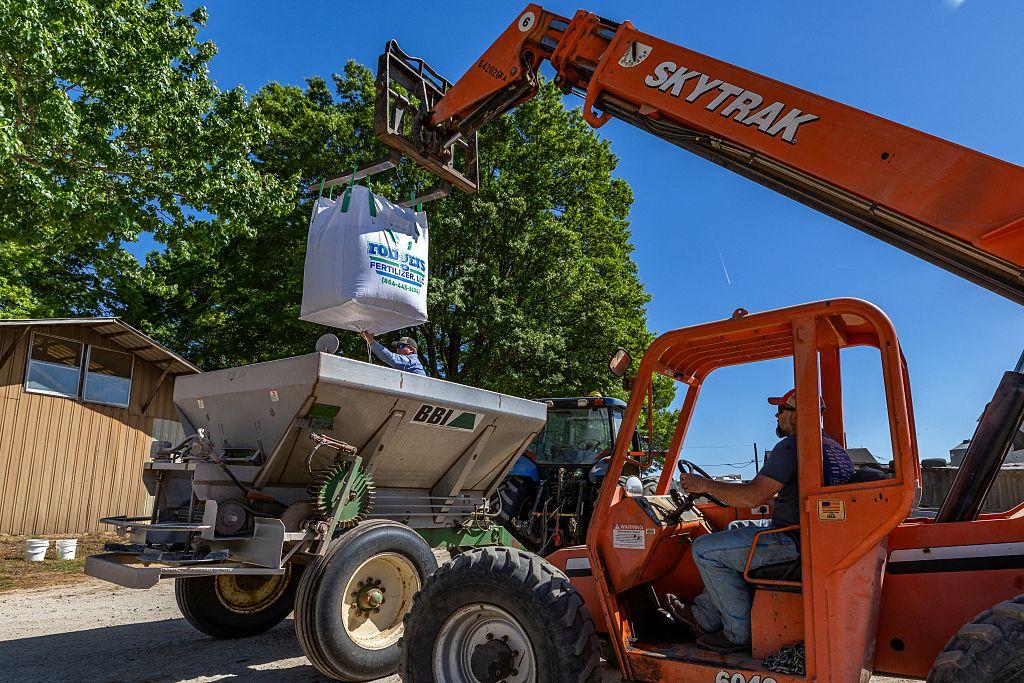
For farmers, the story is practical.
They need fertilizer at the right time, in the right quantity, at a price that allows planting to make financial sense. Geopolitical arguments matter only if they affect the invoice and delivery schedule.
That is why the U.S. tariff suspension could matter on the ground.
If duties ease and Moroccan imports become more accessible, some pressure on fertilizer availability may decline. But farmers will judge the result through real prices, not official statements.
The same applies to OCP and Koch.
The partnership will matter if it improves supply reliability, product quality and access for customers.
Agriculture is strategic at the national level.
At the farm level, it is brutally practical.
Fertilizer Prices Can Become Political Fast
Fertilizer costs are politically sensitive because they sit between farmers and consumers.
If farmers pay more, they may protest, reduce fertilizer use, plant differently or pass costs along through the food chain. If food prices rise, households blame governments, retailers, corporations or foreign suppliers.
That makes fertilizer a hidden political product.
Most voters do not follow phosphate markets.
But they follow food prices.
A disruption in fertilizer supply can eventually become a food-price argument, a farm-income argument and a national-security argument.
This is why Washington’s emergency language is important.
It shows that governments now understand fertilizer as a political input.
Morocco Must Handle Its Leverage Carefully
Strategic leverage is powerful, but it must be used carefully.
If Morocco is seen as a reliable supplier, it gains influence.
If it is seen as exploitative or unstable, buyers will look harder for alternatives, even expensive ones.
The best long-term strategy is not to weaponize phosphate.
It is to make Morocco indispensable through reliability, investment, partnerships, innovation and trust.
That is where OCP’s partnership model matters.
Joint ventures with major international players can reduce political friction and embed Moroccan supply into foreign food systems.
A supplier can be replaced.
A partner is harder to remove.
The U.S.-Morocco Relationship Gains Another Layer
U.S.-Morocco relations are often discussed through security, diplomacy, trade and regional politics.
Fertilizer adds another layer.
If the United States sees Moroccan phosphate as important to its food supply, Morocco’s relevance in Washington becomes more practical. It is not only a friendly partner. It is a supplier of an essential agricultural input.
That changes the texture of the relationship.
Food security is domestic politics.
Farm costs are domestic politics.
Inflation is domestic politics.
If Morocco can help stabilize part of that equation, Rabat’s strategic value rises.
This is the kind of influence that does not always appear in headlines, but matters in policy rooms.
The Risk Is Overdependence On One Commodity
There is still a risk for Morocco.
Phosphate power is a strength, but overreliance on one strategic commodity can create vulnerability. Prices move. Demand shifts. Environmental standards tighten. Competitors invest. Buyers diversify. Technology changes.
That is why OCP’s broader transformation matters.
The goal should not be only to sell more phosphate.
It should be to move up the value chain through customized fertilizers, green inputs, technology, research, farmer services and industrial partnerships.
The more sophisticated the offer, the more durable the power.
Raw resources create leverage.
Industrial ecosystems create resilience.
The World Is Rediscovering Fertilizer
For years, fertilizer was invisible to many urban consumers.
It was something farmers used, not something households discussed.
That has changed.
War, shipping disruptions, export restrictions, energy shocks and climate stress have pushed fertilizer into the food-security conversation. Governments now understand that a disruption in fertilizer markets can affect inflation, farming income and political stability.
Morocco was already important before this shift.
Now its importance is easier for the world to see.
OCP sits at the point where minerals become food.
That is a powerful position in a hungry, unstable world.
The Bottom Line
OCP Fertilizer Power shows how Morocco is moving deeper into America’s food chain.
The United States has temporarily suspended some duties on Moroccan phosphate fertilizer to protect agricultural supply, while OCP and Koch Ag & Energy Solutions are expanding their partnership through a Jorf Lasfar fertilizer venture. The White House has explicitly linked Moroccan phosphate imports to U.S. food production, farm stability and national security.
That is the core message.
Morocco is not only exporting fertilizer.
It is exporting food-security capacity.
In a world where soil nutrients, shipping routes, energy costs and geopolitical shocks all affect what people eat, OCP has become one of Morocco’s strongest international assets.
The Kingdom’s phosphate power begins underground.
But its influence now reaches the American dinner table.