

Morocco’s most loyal source of foreign currency does not come from a mine, a port or a factory.
It comes from families.
Every month, Moroccans living abroad send money home to parents, spouses, children, siblings, construction projects, medical bills, school fees, weddings, small businesses and household expenses.
The amounts are often personal.
The impact is national.
Remittances from the Moroccan diaspora have again risen strongly in 2026, reaching nearly 40 billion dirhams by the end of April. That makes diaspora money one of Morocco’s quietest but most important economic shock absorbers.
It does not usually dominate headlines.
But when trade deficits widen, energy bills move, food imports rise or household pressure increases, remittances become one of the stabilising forces behind the Moroccan economy.
This is the Remittance Engine.
And Morocco must now decide whether it wants diaspora money to remain mainly household support, or become a larger investment machine.
Remittance Engine Supports Morocco’s Hard Currency Base
The Remittance Engine matters because Morocco needs foreign currency.
Imports must be paid.
Energy must be bought.
Wheat must be secured.
Industrial equipment must be financed.
Travel, education, medical treatment and business transactions all depend on foreign-exchange availability.
In that context, diaspora transfers are not only emotional family support. They are part of the country’s macroeconomic balance.
The Office des Changes reported that MRE transfers reached almost 40 billion dirhams by the end of April 2026, up from 36.42 billion dirhams during the same period in 2025.
That increase matters because it comes at a time when Morocco’s trade deficit remains under pressure.
Reuters reported that Morocco’s trade deficit widened by 18.4% in the first four months of 2026, while remittances from Moroccans abroad remained a key source of hard-currency inflows.
That is the economic reality.
Diaspora money is not marginal.
It is structural.
The Family Transfer Becomes A National Stabiliser
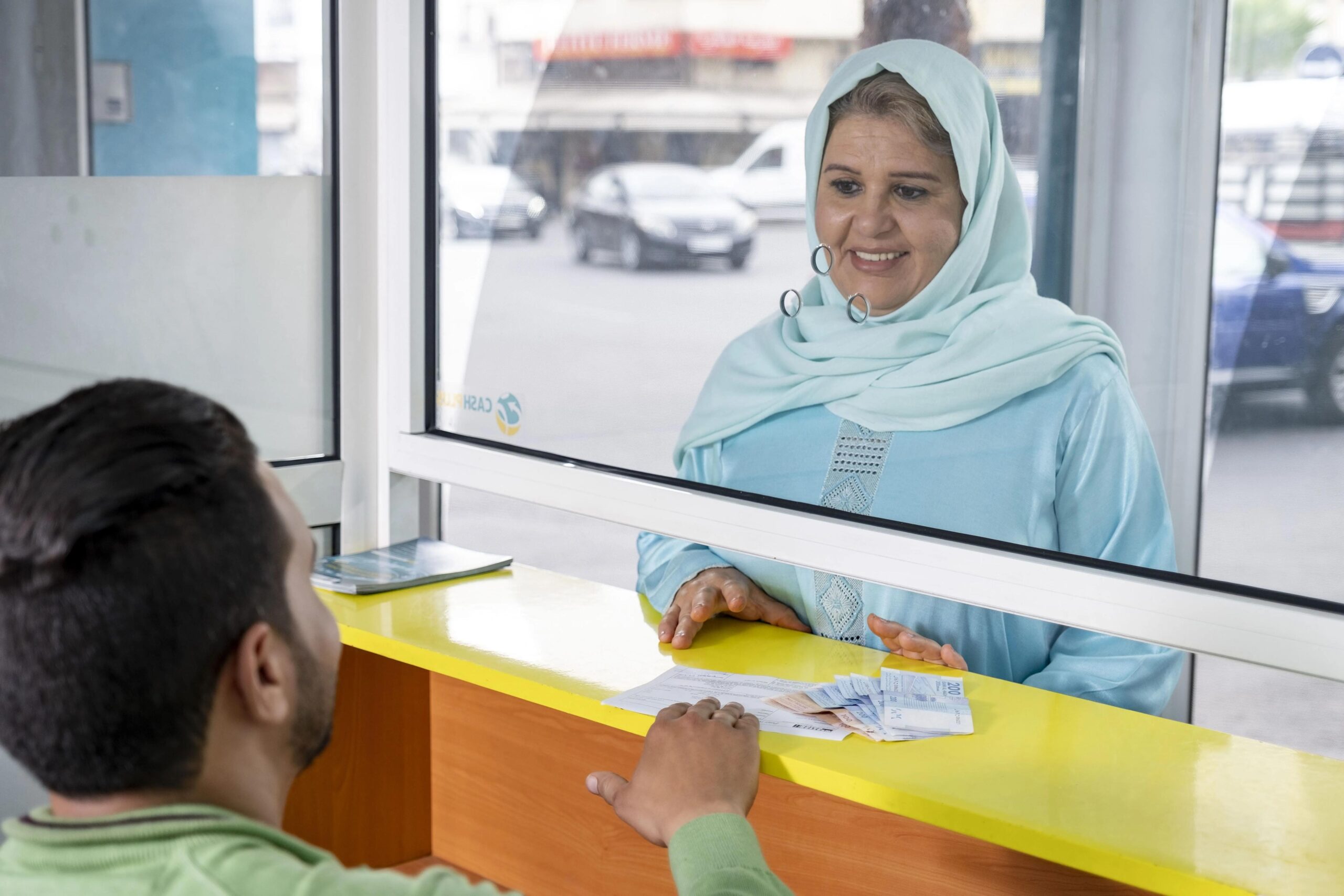
A remittance begins as a private act.
A son sends money to his mother.
A worker sends money for school fees.
A daughter helps with medical costs.
A family abroad supports a house under construction.
A small entrepreneur receives capital from relatives in Europe.
But when millions of these transfers happen together, they become a national stabiliser.
This is why remittances are powerful.
They are decentralized.
They do not depend on one company.
They do not require a tourist booking.
They do not need a government contract.
They come from millions of personal decisions tied to family duty, identity and attachment.
That makes them resilient.
When the diaspora keeps sending money, Morocco receives not only cash.
It receives confidence.
Morocco’s Trade Gap Makes Remittances More Important
The widening trade deficit changes the meaning of remittances.
If Morocco imports more than it exports, the country needs other inflows to balance the external account. Tourism revenue helps. Phosphate exports help. Automotive exports help. Foreign investment helps. Borrowing can help. But remittances are different because they arrive continuously and directly from Moroccan households abroad.
They are less glamorous than a new factory.
But they are often more reliable.
That reliability is crucial.
A trade deficit is not automatically a crisis. Developing and industrialising economies often import machinery, energy and goods needed for growth. But a persistent deficit requires stable sources of foreign currency.
The Moroccan diaspora provides one of those sources.
That gives Moroccans abroad an economic role far beyond summer visits.
The Diaspora Is Not Only Sentimental Capital
Morocco often speaks about its diaspora through emotion.
Attachment.
Identity.
Family.
Homeland.
Memory.
Return.
These words matter.
But they are not enough.
The diaspora is also financial capital, human capital, professional capital and market access.
Moroccans abroad work in logistics, healthcare, construction, finance, technology, law, public administration, education, real estate, transport, retail, hospitality and entrepreneurship. They understand European markets. They speak multiple languages. They know both Moroccan and foreign systems.
Their money is only one layer.
Their knowledge may be even more valuable.
The challenge is turning remittances from passive support into productive investment without damaging the family function that makes them so stable.
Household Support Still Comes First
It would be wrong to treat diaspora transfers only as investment capital.
For many Moroccan families, remittances are basic support.
They pay rent.
They buy medicine.
They support elderly parents.
They help children study.
They finance repairs.
They cover emergencies.
They allow dignity.
This social function must be respected.
Not every dirham sent from abroad should be expected to become a startup, factory or formal investment. Families send money because families need money. That is legitimate.
But the next Moroccan challenge is to create better options for the share of diaspora money that could become productive.
Not by forcing it.
By making investment easier, safer and more trusted.
Trust Is The Real Investment Barrier
The biggest obstacle is not love of Morocco.
The diaspora already has that.
The obstacle is trust.
Many Moroccans abroad hesitate to invest because they fear bureaucracy, unclear procedures, family disputes, land issues, informal arrangements, slow administration, weak follow-up, poor communication or unreliable partners.
They may happily send money to family every month, but hesitate before launching a serious project.
That difference is important.
Remittances are emotional and familiar.
Investment is legal, administrative and risky.
If Morocco wants to convert more diaspora money into productive capital, it must reduce the risk gap between sending money and investing money.
That means clearer procedures, better dispute resolution, professional advisory channels, transparent incentives and stronger protection for small investors.
Real Estate Absorbs Too Much Of The Flow
A large share of diaspora money traditionally moves into housing.
Apartments.
Land.
Family homes.
Construction.
Renovation.
That is understandable.
Property is visible.
It feels safe.
It protects family status.
It gives the diaspora a physical anchor in Morocco.
But over-concentration in real estate has limits.
A house may preserve wealth, but it does not always create productive growth. A closed apartment used only a few weeks per year does not create the same impact as a small business, a factory, a school, a clinic, a logistics company or a digital service provider.
Morocco does not need to discourage diaspora real estate.
It needs to widen the menu.
The diaspora should see more investable options than land and apartments.
Banks Have A Major Opportunity
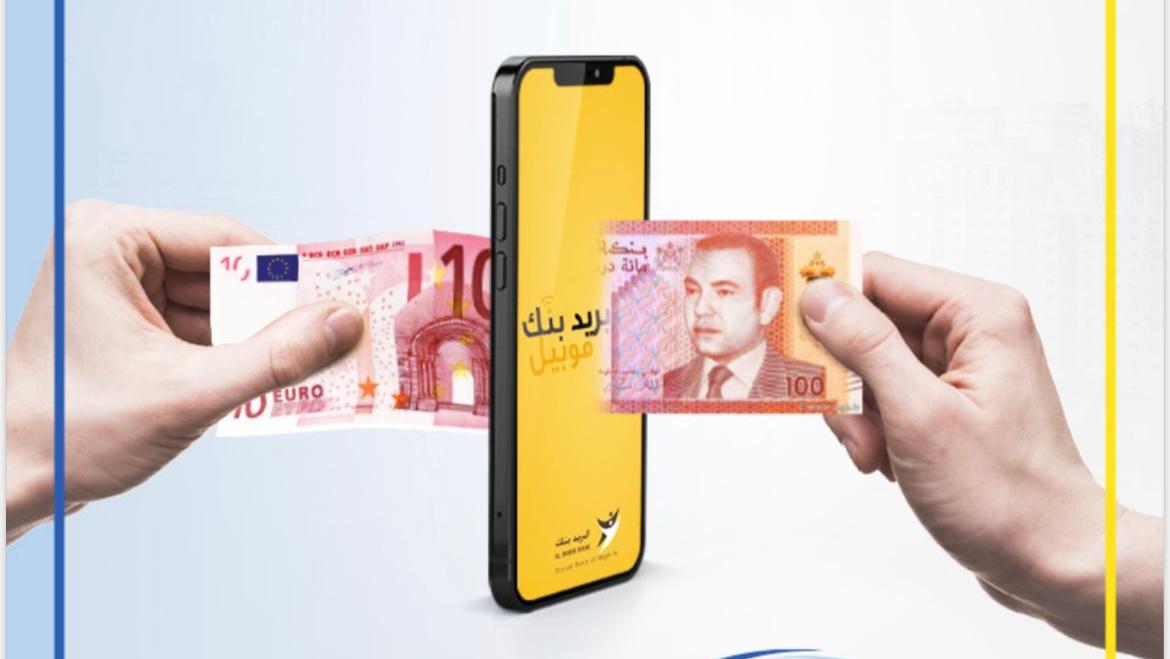
Moroccan banks should treat the diaspora as a strategic market, not only a seasonal customer base.
The opportunity is clear.
Diaspora savings products.
Investment accounts.
Small-business financing.
Co-investment vehicles.
Mortgage products with better transparency.
Digital onboarding.
Euro-dirham planning tools.
Insurance.
Retirement planning.
Education savings.
SME investment platforms.
Many Moroccans abroad want to participate in Morocco’s growth, but they need products they can understand and manage remotely. A banking offer that requires too many physical visits, unclear paperwork or slow communication will lose them.
The diaspora lives internationally.
The financial system must serve them internationally.
Digital Transfers Are Changing Expectations
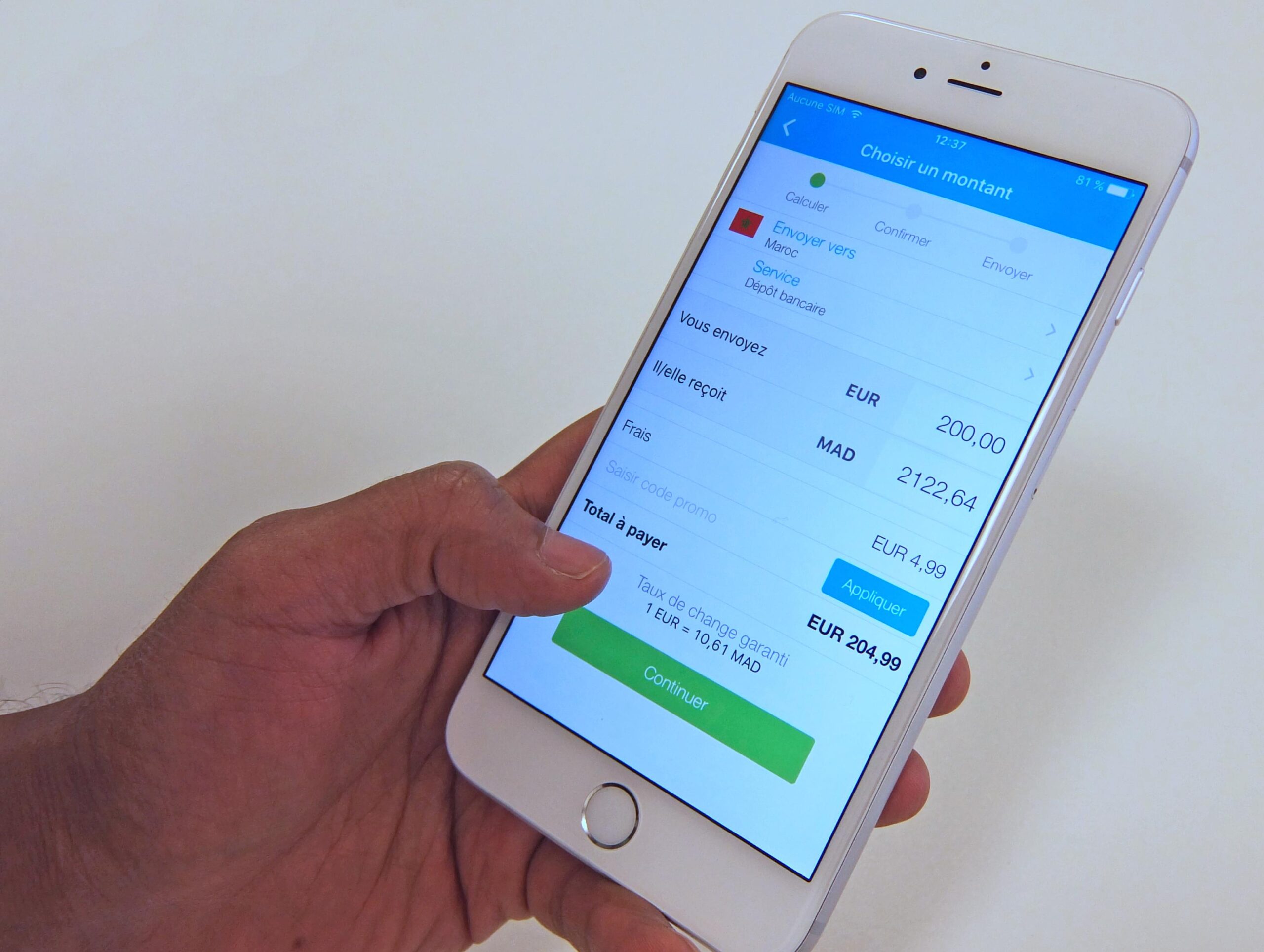
The new generation expects speed.
They do not want complicated transfers, hidden fees or uncertain arrival times. They compare banks with fintech platforms, apps, digital wallets and instant-payment experiences abroad.
That puts pressure on Moroccan financial institutions.
A diaspora customer in Amsterdam, Paris, Brussels, Madrid or Milan expects modern service. If Morocco wants that customer to send, save and invest through formal channels, the experience must be competitive.
This is not only a convenience issue.
It is a formalisation issue.
The easier formal transfers become, the less reason people have to use informal channels.
The better the digital experience, the stronger the official remittance base.
Productive Investment Needs Better Packaging
Many diaspora investors do not have time to study Morocco’s investment opportunities in detail.
They need packaged, credible and well-governed options.
A diaspora SME fund.
Regional investment products.
Cooperatives with audited accounts.
Municipal diaspora bonds.
Startup platforms with proper disclosure.
Industrial-zone opportunities.
Tourism service projects.
Agricultural processing projects.
Renewable-energy community investments.
These ideas require regulation, transparency and trust.
The diaspora should not be invited into vague projects.
It should be offered professional vehicles.
Good packaging turns emotional willingness into investable action.
Poor packaging turns enthusiasm into disappointment.
Remittances Can Help Regional Development
Diaspora money is not distributed equally.
Some regions benefit more because they have larger communities abroad. This can support housing, consumption and local businesses in those areas.
But Morocco can do more.
Regional governments and investment centres could build targeted diaspora strategies. A Moroccan from Nador, Al Hoceima, Tangier, Oujda, Beni Mellal, Casablanca, Agadir or Errachidia may want to support his or her region, but not know how.
Regional investment platforms could help convert local attachment into local projects.
This would be powerful.
The diaspora often thinks locally before it thinks nationally.
The village, city or region comes first.
Morocco should use that.
The Second And Third Generations Need A Different Offer
First-generation migrants often send money because family ties are direct.
Second-generation Moroccans often continue that habit.
Third-generation attachment can be weaker.
They may love Morocco, visit in summer and feel cultural pride, but they may not have the same financial obligations to relatives. That means Morocco cannot assume remittance behaviour will continue forever automatically.
The next generation needs a different relationship.
Investment clubs.
Professional networks.
Startup links.
Cultural programmes.
English-language financial communication.
Transparent digital products.
Diaspora entrepreneurship events.
Mentorship.
Real opportunities.
For younger Moroccans abroad, the question is not only “how do I help family?”
It is also “how do I belong to Morocco’s future?”
That requires a modern offer.
Remittances Are Also A Social Safety Net
When families face shocks, diaspora money often responds quickly.
Illness.
Funeral costs.
School expenses.
Unemployment.
Housing problems.
Natural disasters.
Inflation.
The diaspora often acts before institutions do.
That makes remittances a private social safety net.
But private safety nets have limits. They depend on the income and willingness of relatives abroad. They can create pressure on migrants who are themselves facing high rent, inflation, taxes and job insecurity in Europe.
Morocco should appreciate diaspora support without assuming it is endless.
Behind every transfer is a person working somewhere else.
That person also has bills.
Europe’s Economy Matters To Morocco
Remittances depend partly on economic conditions abroad.
If Moroccan workers in Europe face unemployment, wage pressure or rising living costs, their ability to send money may weaken. If European economies are strong, remittance flows may remain resilient.
That means Morocco’s external stability is connected to labour markets in France, Spain, Belgium, Italy, the Netherlands and Germany.
This is another reason to diversify.
A country cannot rely forever on diaspora transfers without considering the conditions under which the diaspora earns.
Morocco’s remittance engine is powerful, but it is not immune to Europe’s economic cycle.
The Dirham Question Is Psychological
Currency also matters.
Diaspora families often think in euros, dollars or pounds, while Moroccan expenses are in dirhams. Exchange rates influence how much support feels possible.
A strong euro can make transfers feel more powerful.
A weaker euro can reduce the value of support.
Fees also matter psychologically.
If people feel banks or transfer operators take too much, they search for alternatives. If the process feels fair, fast and transparent, they remain loyal to formal channels.
The transfer experience must feel clean.
Trust begins with the first transaction.
Morocco Must Move From Reception To Partnership
For years, Morocco has received diaspora money.
The next step is partnership.
That means treating Moroccans abroad not only as senders of funds, but as co-builders of the economy.
They can invest.
Mentor.
Open companies.
Bring clients.
Connect Moroccan SMEs to Europe.
Support exports.
Develop local projects.
Finance education.
Transfer technology.
Build media platforms.
Create cultural bridges.
This is the real opportunity.
Remittances are the entry point.
Partnership is the destination.
The Risk Is Taking The Diaspora For Granted
Morocco must not treat remittances as automatic.
Every transfer is a vote of confidence.
If the diaspora feels ignored, overcharged, poorly served or only valued for money, the relationship weakens. If they feel respected, informed and protected, the relationship deepens.
The language matters.
The services matter.
The airport and port experience matters.
The bank experience matters.
The consulate experience matters.
The investment experience matters.
A diaspora strategy cannot be built only on emotional speeches.
It must be felt in practical service.
Media Must Tell The Story Differently
MTD should frame remittances as one of Morocco’s most important economic stories.
Not because money is more important than people.
Because the money reveals the people’s power.
A worker in Marseille.
A nurse in Brussels.
A driver in Madrid.
A shop owner in Rotterdam.
An engineer in Frankfurt.
A student in Montreal.
Together, they create a financial flow that supports Moroccan households and stabilises the national economy.
That deserves respect.
But it also deserves a serious question.
How can Morocco turn loyalty into opportunity?
The Bottom Line
The Remittance Engine is one of Morocco’s strongest hidden economic assets.
MRE transfers reached nearly 40 billion dirhams by the end of April 2026, rising about 9.8% from the same period a year earlier. At the same time, Morocco’s trade deficit widened by 18.4% in the first four months of the year, making diaspora money even more important to the country’s hard-currency position.
That is the core message.
Moroccans abroad are not only visiting in summer.
They are helping stabilise the economy all year.
The next challenge is bigger.
Morocco must protect the family role of remittances, while building trusted channels that allow part of that money to become productive investment.
The diaspora already sends money home.
Now Morocco must make it easier for that money to build something lasting.