
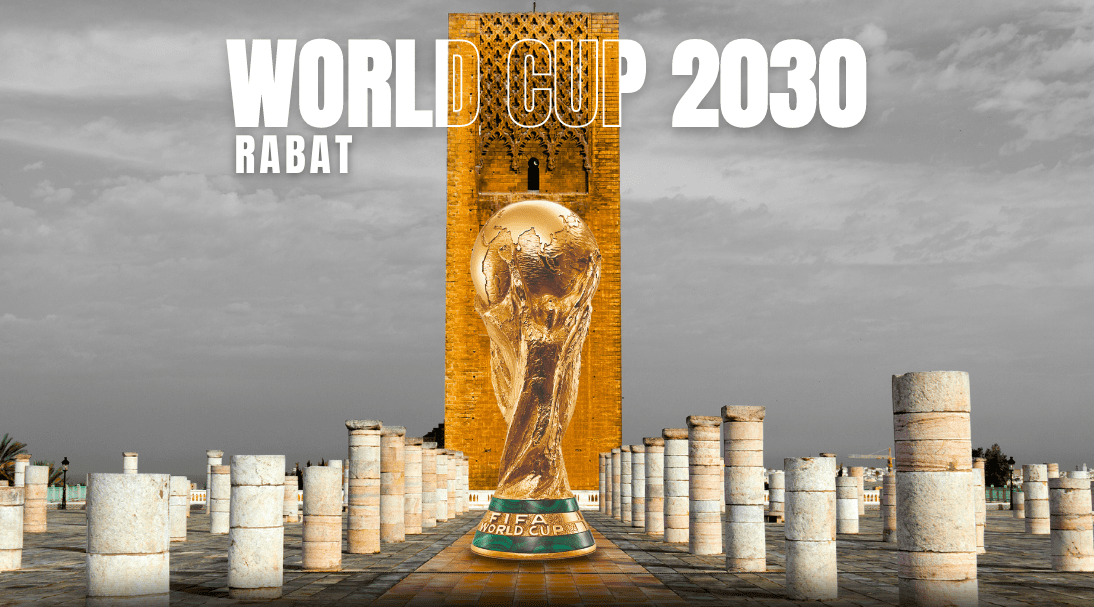
Forget the idea that the 2030 FIFA World Cup is only about football.
For Morocco, the real story could be jobs.
Hotels, airports, restaurants, stadiums, transport, security, media, construction and tourism services are all moving into a bigger spotlight as the country prepares to co-host the tournament with Spain and Portugal.
That means one thing.
The next few years could create serious opportunities for people who know where to look.
2030 Is Not Just A Football Date
The number 2030 is now everywhere in Morocco’s future story.
It is the year the country will stand beside Spain and Portugal on the biggest stage in world sport.
But a World Cup is not only 90 minutes on a pitch.
It is years of planning, building, hiring and upgrading.
That is why the jobs story matters.
Behind every stadium seat, hotel room and airport terminal, there are people working.
And Morocco will need a lot of them.
Airports Are Where The Opportunity Starts
The airport numbers are huge.
Morocco plans to lift airport passenger capacity from 38 million to 80 million by 2030 as part of its World Cup and tourism push.
That is more than double the current capacity.
The African Development Bank has approved a $316 million loan to support airport upgrades, with work linked to key tourist hubs including Marrakech, Agadir, Tangier and Fez.
That kind of expansion does not happen quietly.
It needs engineers, builders, airport staff, cleaners, security workers, logistics teams, drivers, hospitality workers and managers.
For jobseekers, airports are not just travel points.
They are job engines.
Tourism Is Already Breaking Records
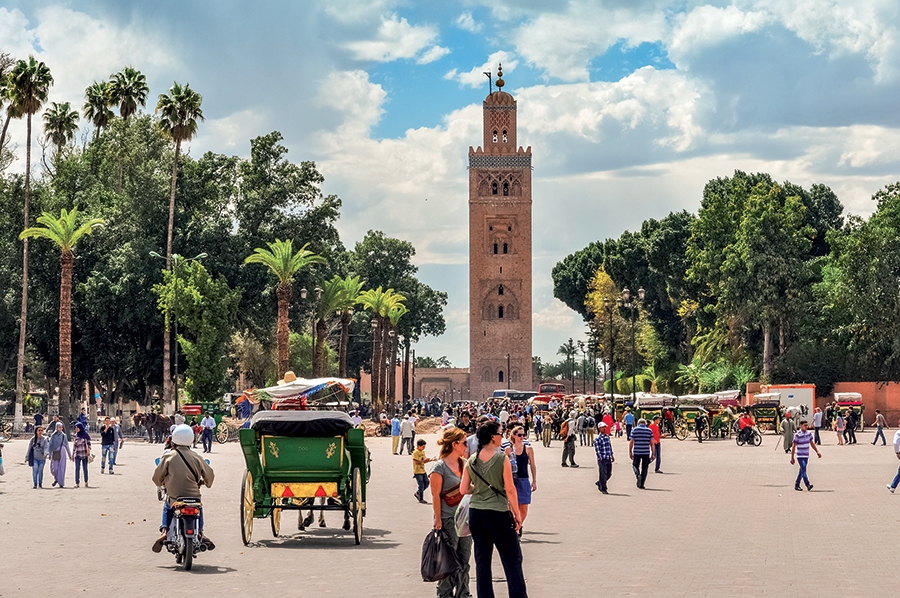
The jobs boom is not based on hope alone.
Morocco welcomed a record 19.8 million tourists in 2025, up 14% from the previous year.
That is a major signal for the labour market.
More tourists mean more hotels.
More hotels mean more receptionists, cleaners, chefs, guides, drivers, marketers, booking agents and restaurant staff.
Tourism is not one job category.
It is a full ecosystem.
And when tourism grows fast, the demand for people grows with it.
Marrakech Will Need More Than Glamour
Marrakech is already one of Morocco’s biggest tourism machines.
But the pressure could become even bigger before 2030.
Hotels will need staff.
Restaurants will need trained teams.
Tour operators will need multilingual guides.
Luxury riads will need managers who understand service at international level.
That matters because Marrakech is not competing only with other Moroccan cities.
It is competing with Barcelona, Lisbon, Dubai and Istanbul for global tourists who expect speed, comfort and quality.
That means better jobs for people who can deliver.
Tangier Could Become A Northern Jobs Magnet
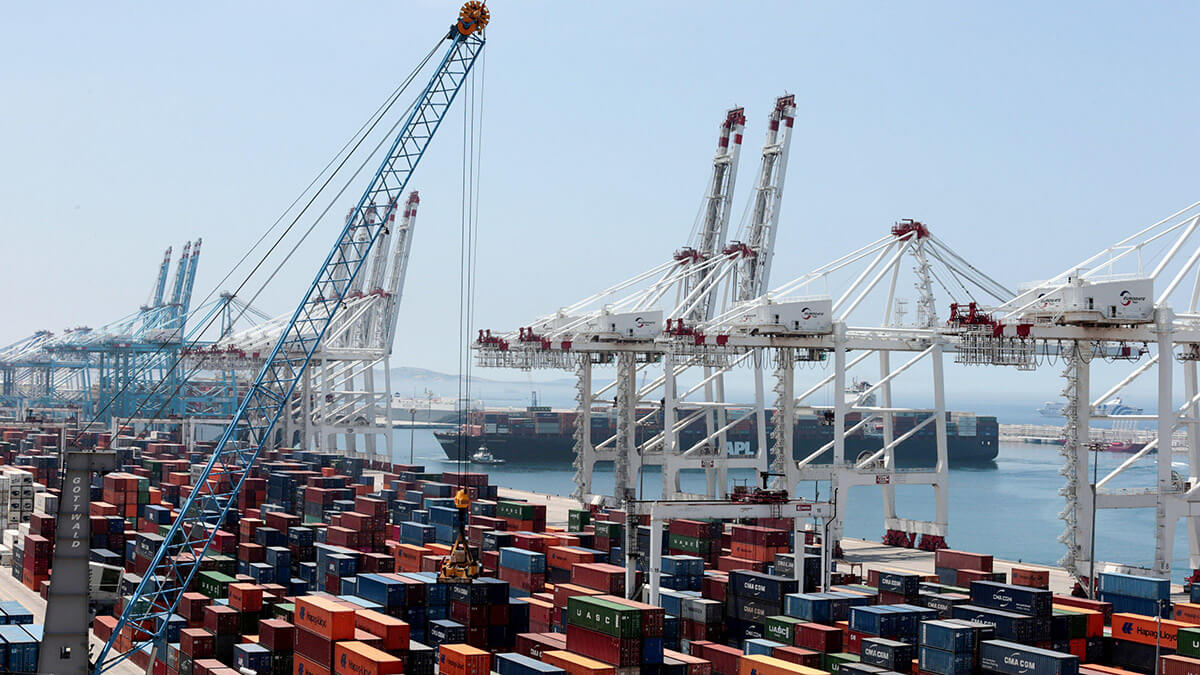
Tangier has a different advantage.
It sits close to Europe, near the Strait of Gibraltar, with port activity, tourism growth, industry and a fast-changing urban image.
That mix makes it one of the most interesting cities for job creation.
Hotels, cafés, transport companies, real estate agencies, logistics firms and service businesses all have reasons to grow.
For young Moroccans and diaspora returnees, Tangier feels like a city with momentum.
Not as expensive-looking as Marrakech.
Not as heavy as Casablanca.
But full of movement.
Casablanca Still Means Corporate Opportunity
If Marrakech sells tourism and Tangier sells momentum, Casablanca sells business.
The city remains Morocco’s economic capital.
That means banks, headquarters, agencies, airlines, logistics companies, media firms, construction groups and international businesses will all be watching the 2030 opportunity.
The jobs here may look different.
Less beach.
More boardroom.
But for ambitious young professionals, Casablanca could be where the money work happens.
Contracts.
Marketing.
Finance.
Events.
Sponsorship.
Operations.
That is where the World Cup becomes a business machine.
Languages Could Be A Secret Weapon

One of the biggest job advantages in Morocco is language.
People who speak Arabic, French, English, Spanish or Dutch could become more valuable as international visitors arrive.
A hotel worker who speaks English can serve more guests.
A driver who speaks Spanish can help more tourists.
A real estate agent who speaks Dutch can work with diaspora families from the Netherlands.
A guide who speaks French and English can earn more trust.
In a global event economy, language is money.
The Diaspora Could Come Back For Opportunity
The 2030 World Cup could also attract Moroccan talent living abroad.
Young people in France, Belgium, Spain, the Netherlands and the United Kingdom may start looking at Moroccodifferently.
Not only as the country of summer holidays.
But as a country where something is happening.
For diaspora workers with European education, language skills and Moroccan roots, the next few years could create a powerful opening.
They understand both worlds.
That can be a serious advantage.
But Skills Will Decide Who Wins
The opportunity is real.
But not everyone will benefit automatically.
The best jobs will go to people with skills.
Hospitality training.
Languages.
Digital marketing.
Customer service.
Construction experience.
Event management.
Tourism knowledge.
Transport operations.
Sales.
People who prepare early could have an advantage.
People who wait until 2030 may find the best doors already taken.
The Final Whistle
Morocco’s 2030 World Cup story is much bigger than football.
With airport capacity planned to rise from 38 million to 80 million, a $316 million airport upgrade loan, record 19.8 million tourist arrivals and huge pressure on cities like Marrakech, Tangier, Casablanca and Agadir, the jobs story is only getting started.
For young Moroccans, diaspora returnees and ambitious workers, the message is clear.
The World Cup will last a few weeks.
But the opportunity could begin years before the first whistle.