

Morocco’s growth story is entering a harder phase.
The easy headline is positive.
The economy is expanding strongly. Public investment is supporting activity. Agriculture has recovered after years of drought pressure. Infrastructure projects are moving. International lenders remain confident. The macroeconomic picture looks solid.
But the next question is more difficult.
Can Moroccan businesses become more productive?
That is where the real test begins.
Growth built on public investment can move the economy forward. But long-term wealth is created when companies produce more value, use technology better, train workers faster, manage data smarter and compete beyond low-cost advantages.
This is the Productivity Gap.
And Morocco’s next economic leap will depend on whether digital transformation reaches ordinary businesses, not only government platforms, banks, large groups and headline sectors.
Productivity Gap Becomes Morocco’s Next Test
The Productivity Gap matters because Morocco cannot depend forever on public investment alone.
Public investment builds roads, ports, hospitals, stadiums, water systems, rail links and industrial zones. That matters. It creates demand, jobs and confidence.
But productivity is different.
Productivity asks whether each worker, company and sector can create more output with better tools, better organisation and better knowledge.
The World Bank’s latest Morocco Economic Update says the country’s strongest growth in more than a decade is being powered by public investment and agricultural recovery, but that the next productivity leap depends on how deeply and widely businesses adopt advanced digital technologies.
That is the critical sentence.
Morocco does not only need more investment.
It needs smarter firms.
Digital Transformation Is Not A Slogan
Digital transformation often sounds like a conference phrase.
But for a business owner, it means practical things.
Can invoices be automated?
Can inventory be tracked in real time?
Can customers pay digitally?
Can delivery routes be optimised?
Can sales data guide purchasing?
Can accounting be integrated?
Can production waste be reduced?
Can employees use software confidently?
Can a small company sell beyond its neighbourhood?
That is where productivity is created.
Not in abstract speeches about AI.
In daily business operations.
A Moroccan company that uses digital tools well can reduce errors, save time, serve clients faster, access finance more easily and compete in wider markets.
A company that stays manual may survive.
But it may not scale.
The Real Gap Is Inside SMEs
Large Moroccan companies already have more access to technology.
Banks, telecom operators, major exporters, insurers, industrial groups and large retailers can hire consultants, buy software, build internal teams and negotiate with technology providers.
The real challenge is smaller firms.
Morocco’s small and medium-sized businesses are the heart of employment, but many still operate with limited systems, informal processes, weak data, manual paperwork and low digital maturity.
That is where the national productivity gap lives.
If only the largest companies digitise, Morocco gets a two-speed economy.
Modern at the top.
Manual underneath.
The next phase of reform must therefore reach workshops, farms, cafés, logistics operators, clinics, schools, contractors, retailers, agencies, exporters and family businesses.
Digitalisation must become ordinary.
Advanced Technology Must Become Usable
The World Bank’s language about advanced digital technologies is important.
But advanced does not mean complicated for the user.
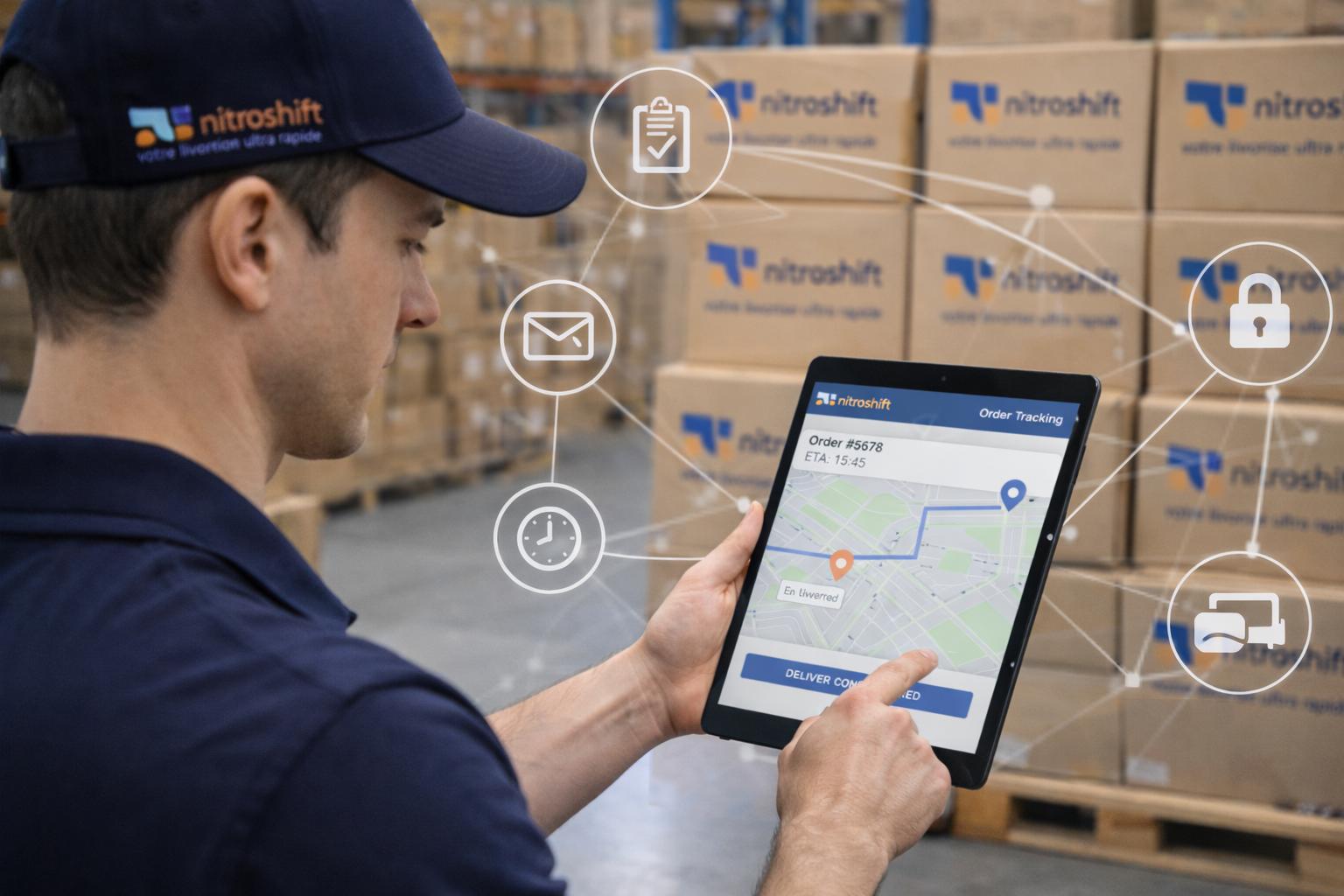
Artificial intelligence, cloud tools, data analytics, digital payments and automation only matter if companies can actually use them. A small business owner does not need a lecture about technology. He needs a tool that saves money or brings clients.
This is the Moroccan challenge.
Make technology practical.
Affordable.
Available in Arabic, French and increasingly English.
Simple enough for non-specialists.
Connected to banks, tax systems, suppliers and customers.
A technology revolution that only works for experts will not transform productivity.
The winning model is technology that disappears into daily work.
Public Digital Services Can Reduce Business Friction
The World Bank approved new programmes in June to support Morocco’s digital transformation and climate resilience, including public digital services for citizens and businesses, government cloud transition, startup financing, AI innovation, MSME digital transformation, offshoring jobs and digital talent.
That matters because businesses interact constantly with the state.
Registration.
Tax.
Social security.
Customs.
Licensing.
Certificates.
Public procurement.
Permits.
Legal filings.
If those procedures become faster, clearer and more digital, businesses gain time.
Time is productivity.
A company that spends fewer hours chasing documents can spend more time selling, producing, hiring and improving.
Administrative reform is therefore economic reform.
The Digital Divide Is Also A Regional Divide
Morocco’s digital transformation cannot be limited to Casablanca, Rabat and Tangier.
If smaller cities and rural regions do not benefit, the productivity gap will become territorial.
A company in Agadir, Oujda, Fès, Béni Mellal, Laâyoune, Nador, Errachidia or Tétouan should not be locked out of digital productivity because of weaker connectivity, fewer training options or limited access to support.
This is where national strategy must become regional.
Digital tools can actually help reduce geography barriers.
A small exporter can reach foreign buyers.
A regional accountant can serve clients remotely.
A local school can offer better digital learning.
A clinic can manage appointments better.
A farmer can access weather and market information.
But only if infrastructure and skills reach beyond the main economic corridors.
Productivity Is About People, Not Only Software
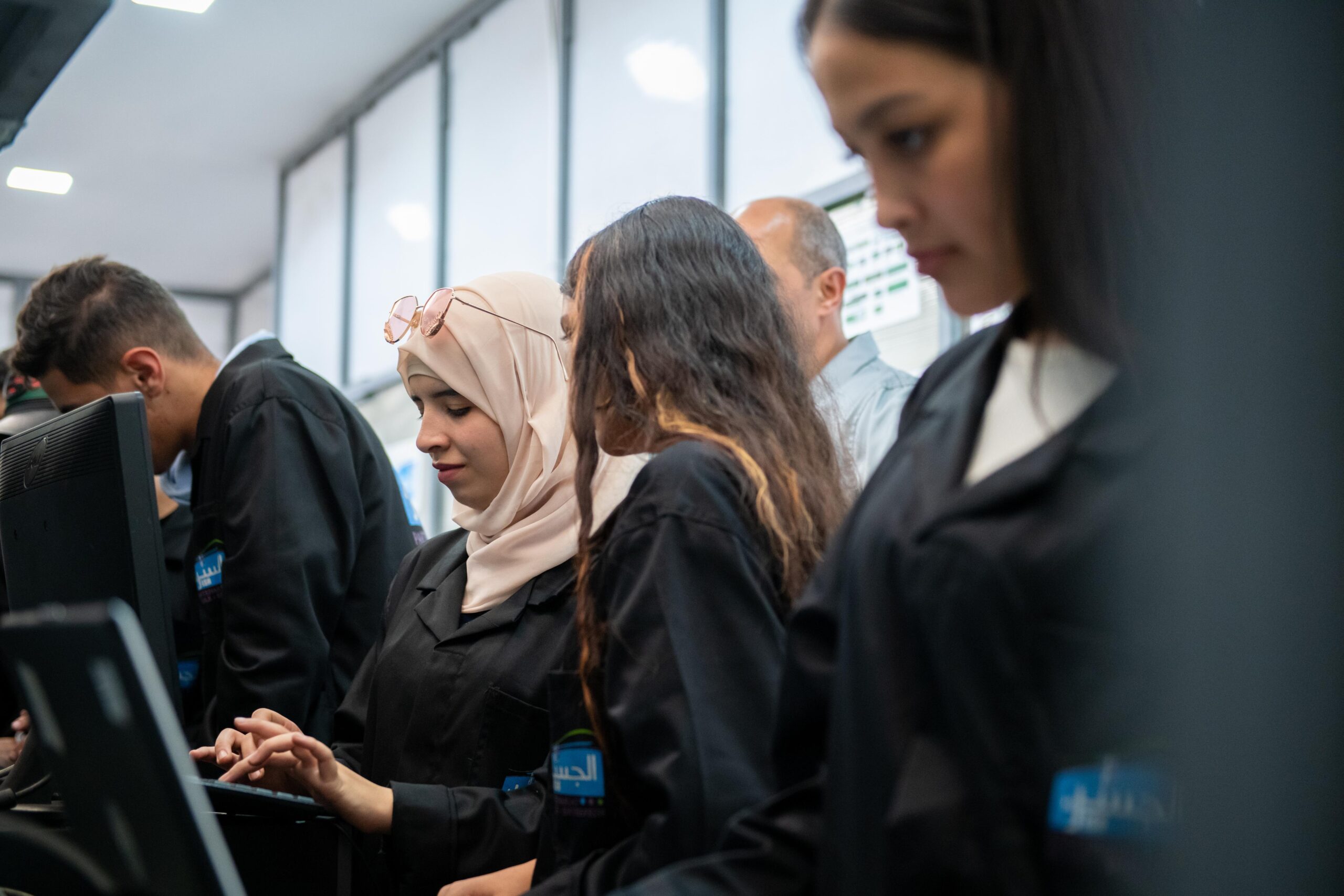
Buying software does not automatically improve productivity.
People must know how to use it.
Managers must change processes.
Employees must trust new systems.
Data must be clean.
Old habits must be challenged.
This is why digital transformation is cultural before it is technical.
A business may install new tools but continue working the same old way. In that case, technology becomes decoration.
Real transformation happens when the company changes how decisions are made.
More data.
Less guesswork.
More planning.
Less improvisation.
More measurement.
Less memory-based management.
That is harder than buying a subscription.
But it is where the value is.
AI Will Reward Organised Companies First
Artificial intelligence is powerful, but it rewards companies that already have structure.
A business with clean data, clear workflows and digital records can use AI to improve customer service, forecasting, marketing, translation, accounting support, document handling and productivity.
A business with scattered paperwork, WhatsApp-only records and no structured database will struggle to gain value.
This means AI could widen the gap between organised and disorganised firms.
Morocco must avoid that.
The first step for many companies may not be AI.
It may be basic digital discipline.
Cloud accounting.
Customer databases.
Inventory systems.
Digital payments.
Document management.
Only after that does advanced technology become truly useful.
Informality Limits Digital Productivity
The informal economy is one of Morocco’s biggest productivity challenges.
Informal businesses often avoid digital systems because visibility can bring tax and regulatory exposure. But that also limits access to finance, scale, contracts, insurance and technology.
This creates a trap.
The informal business avoids paperwork to survive.
But by avoiding formal systems, it remains small.
Digitalisation can help formalisation only if the transition feels fair and useful. If small businesses see only more control, they resist. If they see better finance, more clients, easier procedures and protection, they may enter the formal system.
Trust is essential.
Digital tools must offer value, not only surveillance.
Banks Can Push The Productivity Shift
Moroccan banks have an important role.
They already hold financial data, payment rails, SME relationships and branch networks. They can help businesses adopt digital payments, accounting tools, cash-flow analysis, online financing and merchant solutions.
But banks must not treat digitalisation only as a way to sell products.
They should help businesses become more bankable.
A company with proper digital records can show revenue, costs, margins and payment behaviour more clearly. That makes lending easier.
Better data reduces risk.
Lower risk can improve access to finance.
Access to finance can support investment.
This is how digital productivity and financial inclusion connect.
The Startup Ecosystem Needs Real Clients
Morocco’s startup ecosystem is often discussed through funding rounds, accelerators and innovation events.
But startups need customers.
The best digital transformation opportunity may be Moroccan startups serving Moroccan SMEs.
Accounting tools.
Logistics platforms.
HR software.
Point-of-sale systems.
AI translation.
Agritech dashboards.
E-commerce tools.
Restaurant management.
Legal-tech services.
School platforms.
Clinic booking systems.
If Moroccan startups solve real Moroccan business problems, the ecosystem becomes more productive and more grounded.
Innovation should not only chase global buzzwords.
It should solve local friction.
Offshoring Needs Higher Value
Morocco has built a strong position in offshoring and business services.
But the next stage should move beyond basic cost competitiveness.
As automation grows, low-value repetitive services may face pressure. Morocco needs higher-skilled digital talent in AI support, cybersecurity, software development, data services, multilingual customer operations, engineering support and business-process transformation.
The World Bank’s digital transformation programme includes job creation in the offshoring sector and expansion of the digital talent pool.
That is important.
The goal should not be only more seats in call centres.
It should be better-paid digital services that create stronger career paths.
Education Must Match The Productivity Agenda
Digital productivity depends on skills.
Schools, universities, vocational centres and private training platforms all need to align with the economy Morocco wants to build.
The country needs software skills, but not only software engineers.
It needs digital accountants.
Digital marketers.
Data-literate managers.
Cybersecurity technicians.
Cloud administrators.
Industrial automation specialists.
E-commerce operators.
AI-aware lawyers.
Digital healthcare administrators.
Productivity rises when digital competence spreads across professions.
The future worker does not need to be a coder in every sector.
But almost every sector will need workers who understand digital tools.
The Private Sector Must Stop Waiting
Government can create programmes.
International lenders can provide funding.
Banks can offer tools.
Training institutions can prepare talent.
But the private sector must move.
Many Moroccan companies cannot wait for perfect conditions before digitising. Competition will not wait. Consumers will not wait. Export buyers will not wait. Younger employees will not wait.
Business owners must ask themselves hard questions.
What tasks are wasting time?
What decisions are made without data?
What errors repeat every month?
Where are customers lost?
Where are payments delayed?
Where is stock invisible?
Where are documents duplicated?
Those questions are the beginning of productivity.
Digital Adoption Must Reach The Shop Floor
The productivity debate often stays at management level.
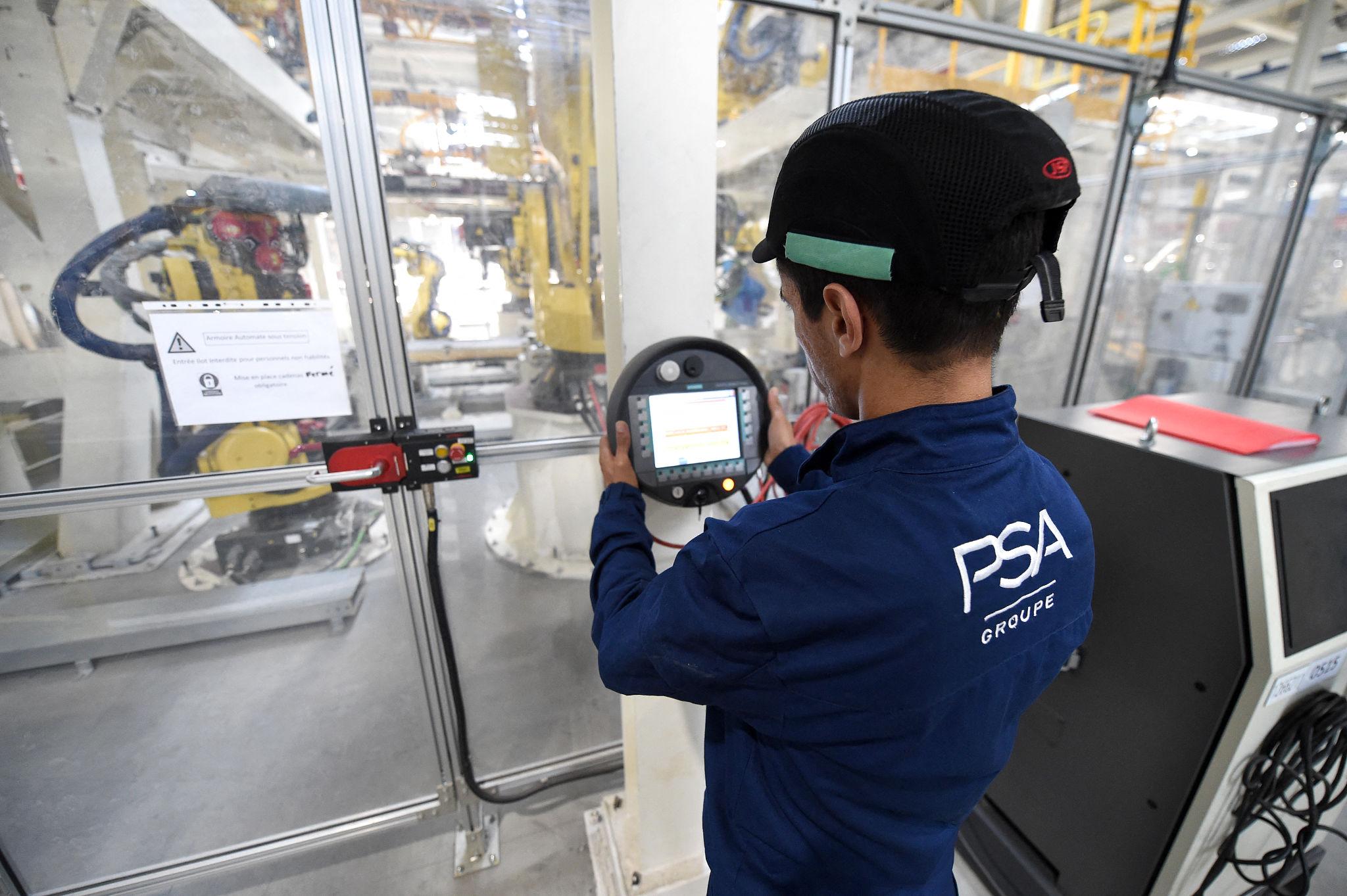
But real improvement happens on the shop floor, in the warehouse, at the counter, in the van, at the farm and inside the small office.
A factory worker using better production data.
A delivery driver following optimised routing.
A retailer scanning inventory instead of guessing.
A mechanic ordering parts digitally.
A farm manager using soil and irrigation information.
A clinic receptionist using a real appointment system.
These are not glamorous examples.
They are exactly where productivity gains appear.
Morocco’s digital transformation must touch everyday work.
The Cost Question Is Real
Many SMEs hesitate because technology costs money.
Software subscriptions.
Equipment.
Training.
Consultants.
Connectivity.
Maintenance.
Cybersecurity.
For a small business with tight margins, even useful tools can feel risky.
That is why Morocco may need targeted support: vouchers, tax incentives, low-cost digital packages, shared platforms, training credits and partnerships between banks, telecom operators and software providers.
A productivity policy must understand business reality.
Telling SMEs to digitise is not enough.
Make it affordable.
Make it simple.
Make it clearly profitable.
Cybersecurity Cannot Be Ignored
As businesses go digital, cyber risk rises.
A small company may think it is too small to be attacked.
That is wrong.
Phishing, ransomware, data theft and payment fraud can hit any business. If SMEs adopt digital tools without basic cybersecurity habits, trust can be damaged quickly.
Morocco’s digital productivity push must therefore include security.
Strong passwords.
Backups.
Employee awareness.
Secure payments.
Data protection.
Cloud reliability.
Incident response.
Cybersecurity is not a luxury.
It is part of doing business digitally.
Productivity Must Translate Into Wages
The real social test is whether productivity improves incomes.
If companies become more productive but workers do not benefit, the reform will feel unfair. If digital transformation creates better wages, better jobs and better career paths, public support grows.
This matters because technology can also create fear.
Workers may worry about automation, job loss or being replaced by software. The answer is not to stop technology. The answer is to train people, move them into higher-value tasks and share gains more fairly.
Productivity without inclusion creates tension.
Productivity with opportunity creates confidence.
Morocco Must Measure What Matters
A serious productivity agenda needs measurement.
How many SMEs adopt digital tools?
Which sectors improve fastest?
Where are productivity gains visible?
Do companies using digital payments grow faster?
Does cloud accounting improve access to finance?
Are rural businesses catching up?
Are women-led businesses benefiting?
Are startups solving real SME problems?
Are public digital services reducing processing times?
Without measurement, digital transformation becomes marketing.
With measurement, it becomes policy.
Morocco should track outcomes, not only announcements.
The International Comparison Is Unforgiving
Morocco is not competing with its past.
It is competing with other countries.
Eastern Europe, Turkey, Egypt, India, Vietnam, Indonesia and parts of Latin America are all trying to attract investment, build digital services, increase manufacturing sophistication and develop skilled labour.
Investors compare productivity.
Export buyers compare reliability.
Talent compares opportunity.
If Morocco wants to move up the value chain, digital adoption must accelerate.
The country has strong advantages.
Location.
Stability.
Infrastructure.
Industrial platforms.
Diaspora links.
But productivity will decide how far those advantages go.
The Bottom Line
The Productivity Gap is now one of Morocco’s most important economic questions.
The World Bank says Morocco is experiencing its strongest growth in more than a decade, supported by public investment and agricultural recovery. But it also expects growth to slow to 4.2% in 2026, and warns that the next productivity leap depends on how broadly and deeply Moroccan businesses adopt advanced digital technologies.
That is the message.
Morocco has built momentum.
Now it must build productivity.
The next chapter will not be written only by ports, roads and public projects.
It will be written inside companies.
In software.
In data.
In skills.
In management.
In digital payments.
In faster procedures.
In smarter SMEs.
Morocco’s growth story is strong.
But the next leap depends on whether businesses really go digital.