

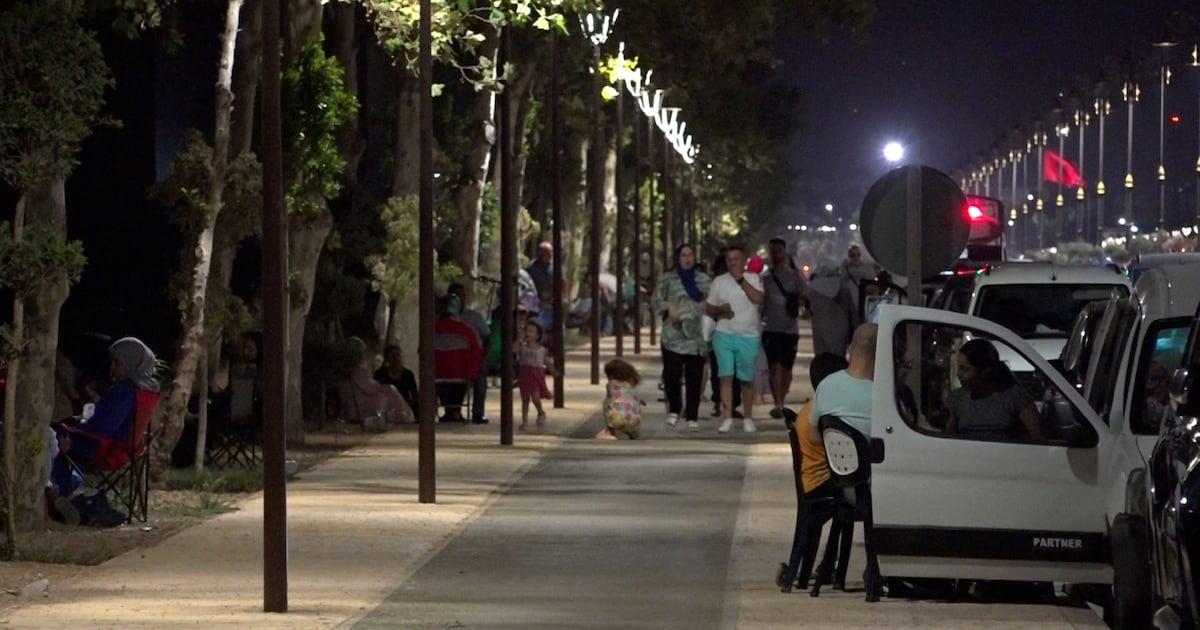
Morocco’s summer rhythm is changing.
The day is no longer the centre of family life.
The evening is.
As heatwaves become more frequent, more intense and more difficult to ignore, ordinary habits are shifting across Moroccan cities and towns. Families delay errands. Children stay indoors longer. cafés become evening meeting points. Parks fill after sunset. Walks move from afternoon to night. Shopping becomes a cooler-hours activity. Even simple family outings are now planned around temperature, shade and comfort.
This is the Night City Rhythm.
It is not only a weather story.
It is a lifestyle story.
A city story.
A family story.
A public-space story.
When heat becomes part of daily planning, the way people live changes.
Night City Rhythm Becomes The New Summer Routine
The Night City Rhythm matters because extreme heat does not only affect agriculture, water policy or electricity demand.
It affects how families organise normal life.
A parent with young children does not think about heat as an abstract climate issue. They think about whether the baby can go outside. Whether the car is too hot. Whether the children can play. Whether the walk to the shop is safe. Whether dinner should happen later. Whether grandparents should avoid midday movement.
That is how heat enters the household.
Morocco’s meteorological alerts in July pointed to temperatures reaching 44 to 47°C in provinces such as Assa-Zag, Es-Semara, Tata and Zagora, with 40 to 44°C expected in several central and eastern provinces.
At those levels, lifestyle adapts.
People do not simply continue as before.
They move the day.
The City After Sunset Becomes More Important
In hot periods, sunset becomes a social signal.
The city wakes up again.
Families leave apartments.
Children run in squares.
Cafés fill.
Ice cream shops become crowded.
Shopping streets gain movement.
Corniche areas, parks and pedestrian zones become more attractive.
The evening becomes the practical part of the day.
This is especially visible in cities where public outdoor life is already strong. Morocco has a culture of evening movement, but repeated heatwaves make that habit more structural. The evening is no longer only leisure time. It becomes the safe window for daily life.
That changes the value of public spaces.
A shaded park, a clean square, a safe sidewalk and a well-lit walking area become more than urban decoration.
They become climate infrastructure.
Heat Turns Shade Into A Public Service
Shade is becoming one of the most important features of Moroccan urban life.
A street without shade feels harsher.
A bus stop without shade feels neglected.
A school entrance without shade feels exposed.
A playground without shade becomes unusable during large parts of the day.
This is where lifestyle and urban planning meet.
Families do not need only large climate strategies. They need shade where daily life happens.
Trees.
Covered walkways.
Shaded benches.
Public fountains where appropriate.
Cooler waiting areas.
Better-designed parks.
These small details decide whether a city can still be used comfortably during heatwaves.
A city that ignores shade forces people indoors.
A city that designs shade protects social life.
Cafés Become Cooling Social Spaces
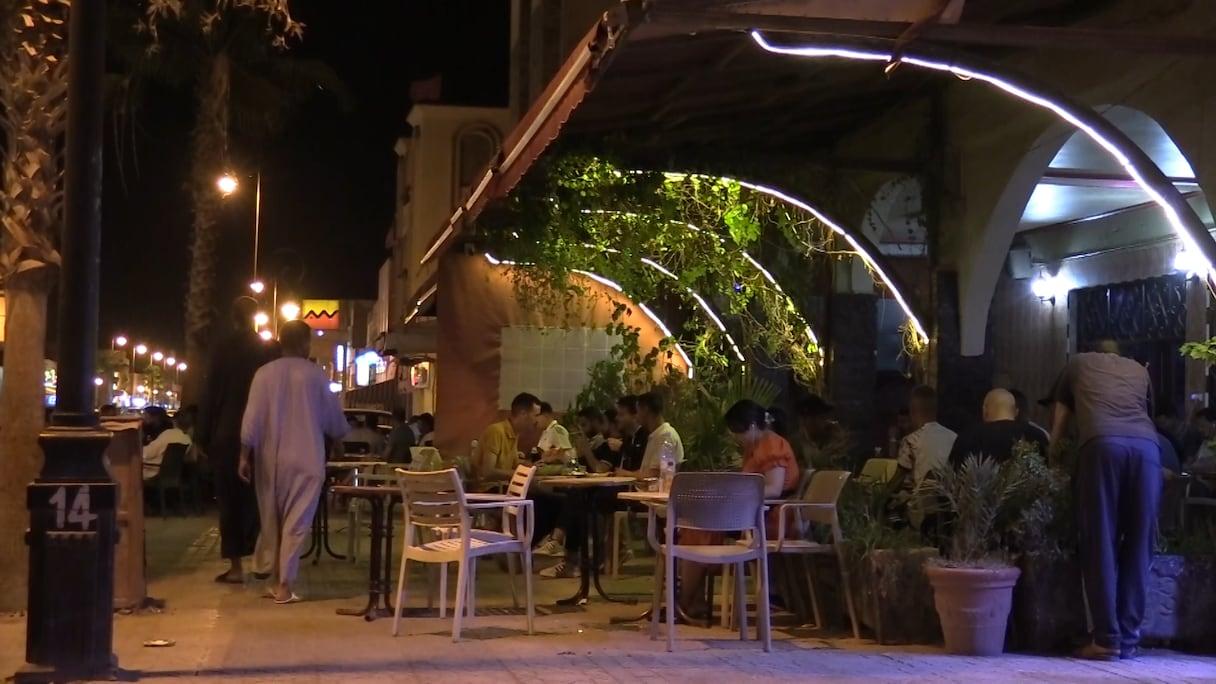
Moroccan cafés have always been social spaces.
During heatwaves, their role becomes even stronger.
They offer seating, shade, drinks, fans, terraces, conversation and a pause from the heat. For many people, the café becomes a second living room, especially in the evening.
This matters because not every household has the same comfort.
Some homes are well ventilated.
Others are hot, crowded or poorly insulated.
Some families have air conditioning.
Others do not.
Public and semi-public spaces therefore become part of how people cope with heat.
The café, the park, the mall, the mosque courtyard, the seaside promenade and the neighbourhood square all become part of the summer adaptation map.
Lifestyle is not only private.
It is shared.
Families Are Rewriting The Daily Schedule
Heat changes timing.
Morning becomes the moment for essential errands.
Midday becomes avoidance.
Late afternoon becomes waiting.
Evening becomes life.
This new rhythm affects families in small but real ways.
Meals shift later.
Children sleep later.
Outdoor play happens after sunset.
Shopping moves into the night.
Relatives visit later.
Exercise becomes an early morning or late evening activity.
For parents, this can be exhausting. Children have more energy at night, while adults still need to work the next day. The heatwave does not only raise temperature. It stretches the family schedule.
Summer becomes less spontaneous.
Every outing needs planning.
Children Need Safe Evening Spaces
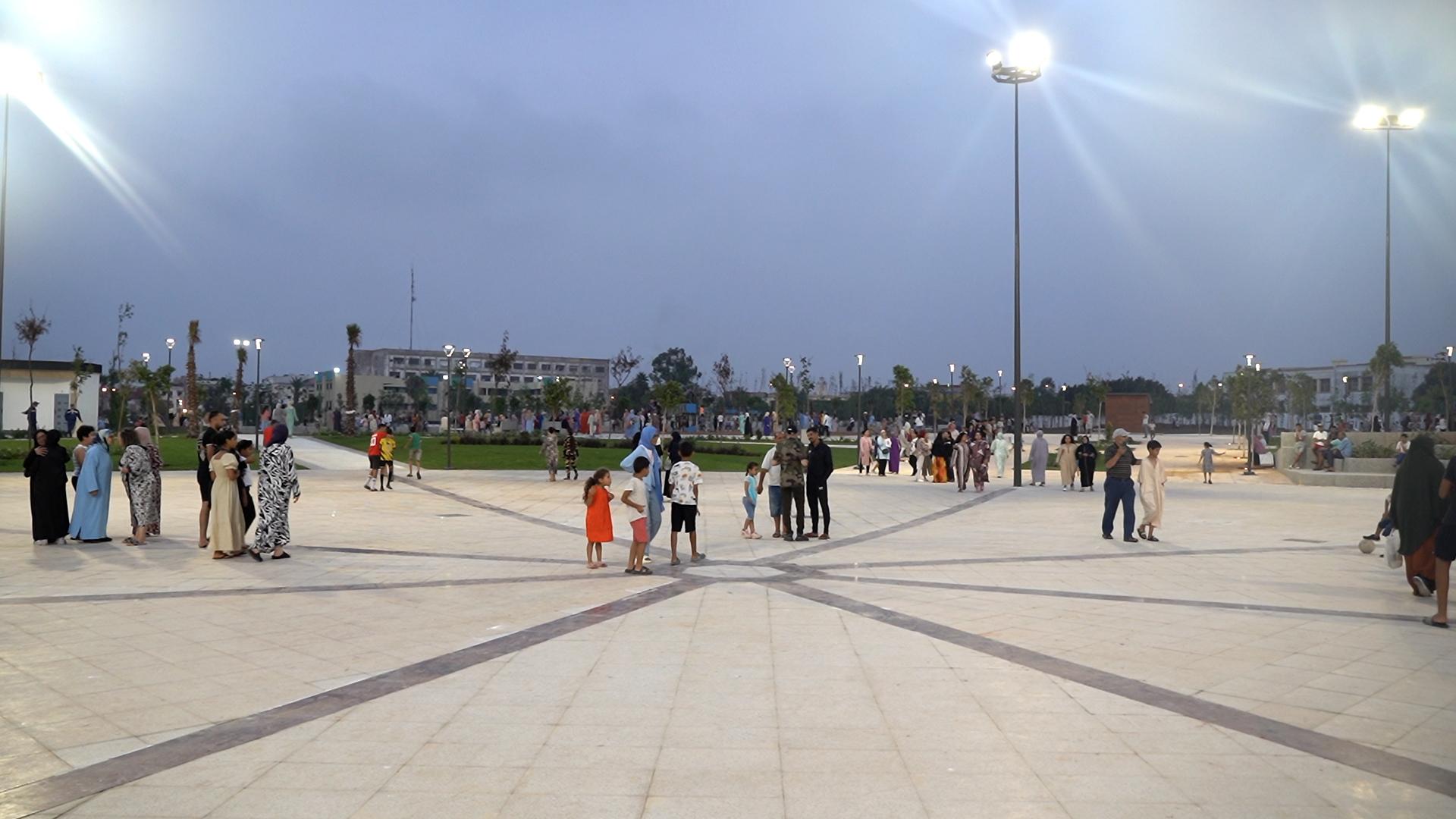
The Night City Rhythm puts more pressure on child-friendly public spaces.
If children cannot play outside during the day, they need safe places in the evening. That means parks, playgrounds, sports courts and walking areas must be clean, lit, supervised and accessible.
A city that offers no safe evening space pushes children back indoors.
That is not healthy.
Children need movement, social contact and fresh air. But during extreme heat, the window for that movement becomes smaller.
This makes evening urban design more important.
Lighting is safety.
Cleanliness is safety.
Traffic control is safety.
Visible families are safety.
A park that works at night becomes a public health asset.
Heat Also Changes What People Eat And Drink
Lifestyle adaptation also appears on the table.
During very hot days, families often look for lighter meals, more fruit, more water, cold drinks, salads, dairy, juices and foods that do not require long cooking. Heavy meals become less attractive during the day. Cooking itself can make homes hotter.
This changes household rhythm.
Families may cook earlier.
They may buy food outside.
They may rely more on simple evening meals.
They may drink more tea, water or juices after sunset.
But heat also brings risks.
Sugary drinks can replace water.
Street food must be handled carefully.
Food safety becomes more important when temperatures rise.
Summer eating is not only about taste.
It is about hydration, hygiene and comfort.
The Inequality Of Heat Is Real
Not everyone experiences heat in the same way.
A family with air conditioning, a car, a shaded home and flexible work hours lives a different summer from a family in a poorly insulated apartment, with limited transport and no cooling.
This is one of the most important lifestyle truths.
Heat is shared.
Comfort is not.
A worker who must move outside at midday cannot simply “wait until evening.”
A mother with children in a hot apartment may not have many options.
An elderly person living alone may struggle silently.
A student preparing exams in a hot room faces a different burden.
Climate pressure becomes social pressure when living conditions are unequal.
That is why urban cooling is not a luxury.
It is fairness.
Public Transport Must Adapt To Heat
Public transport becomes more important during heatwaves.
People need to move without suffering.
A bus stop in direct sun can feel unbearable. A crowded vehicle without good ventilation becomes uncomfortable quickly. Long waits feel longer when temperatures are extreme.
If Morocco’s cities want to remain functional during hotter summers, transport comfort matters.
Shade at stops.
Reliable schedules.
Better ventilation.
Clear information.
Access to water near major hubs.
Evening mobility options.
These are lifestyle issues because they affect daily behaviour.
A city where people can move comfortably during hot periods remains alive.
A city where movement becomes painful loses productivity and quality of life.
Evening Commerce Can Benefit
The Night City Rhythm also creates business opportunities.
Retailers, cafés, restaurants, ice cream shops, family entertainment spaces, sports clubs and seaside businesses can benefit from later activity. Evening commerce can become stronger during hot periods.
But this requires adaptation.
Longer evening hours.
Better lighting.
Family-friendly service.
Safe streets.
Clean terraces.
Flexible staffing.
More hydration options.
Businesses that understand the new summer rhythm can serve customers better.
The opportunity is not only selling more.
It is becoming part of how families manage heat.
A café that feels comfortable at 10 p.m. becomes valuable.
A shop that stays open during cooler hours becomes practical.
Housing Comfort Becomes A Lifestyle Priority
Heat is also changing what people expect from housing.
Ventilation matters more.
Orientation matters more.
Insulation matters more.
Shutters, balconies, shaded windows and building materials matter more.
In the past, many people judged homes by location, size, price and finishing.
Now summer comfort is becoming part of the equation.
Can the home stay cool?
Does air move?
Does the bedroom become unbearable?
Does the building trap heat?
Is there a shaded outdoor area?
Does the neighbourhood have trees?
As heatwaves repeat, buyers and renters may begin to value climate comfort more seriously.
Real estate is becoming a lifestyle adaptation issue.
The Elderly Need Special Attention
Extreme heat is especially dangerous for older people.
Even when this article is focused on lifestyle rather than health policy, families know the reality. Grandparents may need to avoid going out during the hottest hours. They may need more water, more check-ins and cooler rooms. They may need help with shopping or medication routines.
This changes family behaviour.
Calls become more frequent.
Visits may happen later.
Errands may be done for older relatives.
Neighbourhood solidarity matters.
Heatwaves reveal whether communities look after vulnerable people.
A strong family culture can help Morocco adapt, but families should not carry the whole burden alone.
Public communication and local services also matter.
The Coast Gains Lifestyle Value
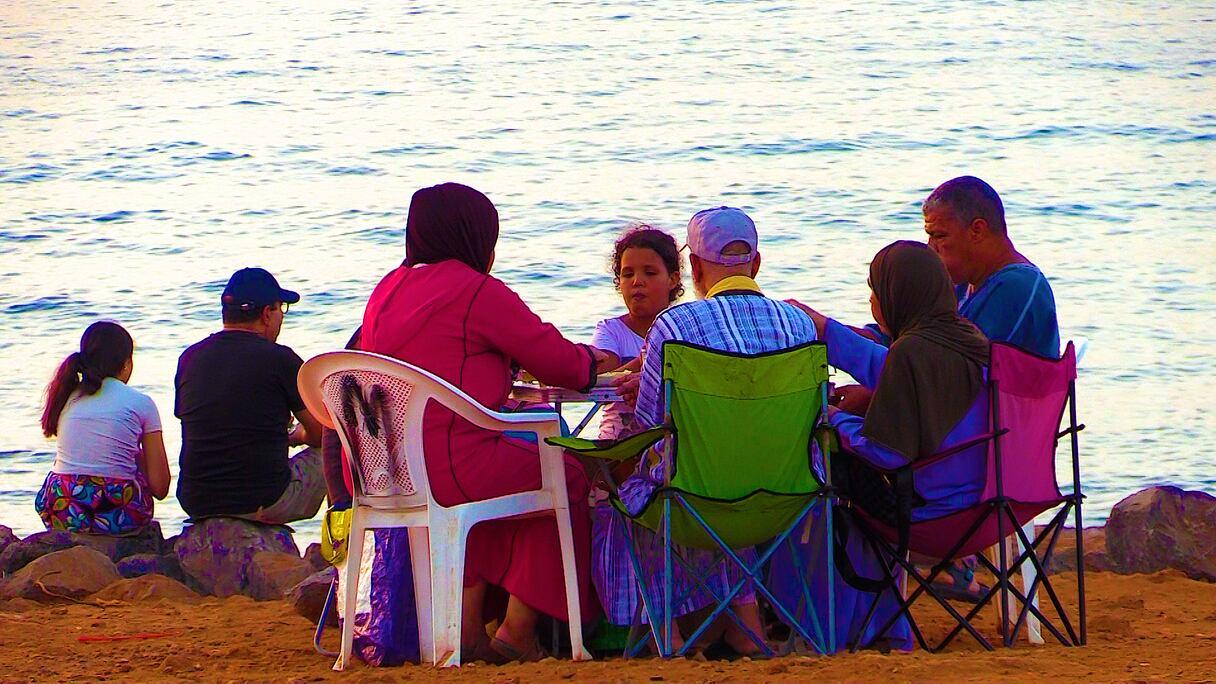
During heatwaves, coastal cities and seaside areas gain extra lifestyle value.
People search for breeze.
They look for cooler nights.
They spend more time near corniches, beaches and Atlantic-facing spaces.
This can increase pressure on coastal destinations, but it also shows how climate affects daily mobility and leisure choices.
A family may choose where to spend the evening based on air, not only entertainment.
A city’s natural cooling assets become more important.
Sea breeze, trees, elevation, water bodies and open public space all shape summer quality of life.
Urban planning should treat these assets seriously.
They are part of the comfort economy.
The New Family Walk Is Later And Longer
The evening walk is becoming one of the simplest forms of Moroccan climate adaptation.
It costs little.
It brings families outside.
It helps children move.
It gives adults social contact.
It supports local commerce.
It restores some normality after a difficult hot day.
But for evening walks to work, cities need walkability.
Safe sidewalks.
Crossings.
Lighting.
Clean streets.
Less chaotic traffic.
Benches.
Greenery.
A walkable city is not only a European urban concept.
It is increasingly a Moroccan summer necessity.
When the day becomes too hot, the evening walk becomes the family’s public room.
Heat Makes Noise And Rest More Complicated
Night activity brings benefits, but also tension.
If cities become more active at night, noise can increase. Families with babies, elderly residents and workers needing early sleep may struggle. Cafés and traffic can make neighbourhoods louder. Children staying up later may disturb household routines.
This is the balance cities must manage.
The night becomes more useful because the day is too hot.
But the night must still allow rest.
Urban life needs rules, not only activity.
Good lighting, safe public areas, noise management and respect between neighbours will become more important as summer life shifts later.
Climate Adaptation Starts With Ordinary Habits
Big climate policies are essential.
Morocco needs water management, agriculture reform, urban planning, energy resilience and better adaptation strategies. Le Monde reported that Morocco has faced repeated intense heatwaves, with experts warning that extreme conditions are becoming more normal and increasing pressure on water resources, agriculture and urban life.
But adaptation also starts with ordinary habits.
Drink earlier.
Move later.
Check on relatives.
Choose shaded routes.
Avoid unnecessary midday errands.
Plan children’s outings after sunset.
Use lighter meals.
Keep homes ventilated where possible.
Respect heat alerts.
These actions are small, but they shape daily resilience.
A society adapts through millions of small decisions.
The Lifestyle Story Is Also A Governance Story
The Night City Rhythm may sound soft.
It is not.
When families change routines because of heat, public services must notice.
Municipalities must think differently about parks, shade, waste collection, lighting, street vendors, playgrounds, public transport, health warnings and evening safety.
National climate policy matters, but local urban management decides whether people can live comfortably.
A heatwave is not only a meteorological event.
It is a test of city services.
If cities are hot, dark, unsafe and poorly shaded, families suffer more.
If cities are shaded, walkable, clean and active, adaptation becomes easier.
Morocco Should Design For Hotter Summers
The message is clear.
Morocco should design cities for hotter summers, not for old averages.
That means more trees, better public shade, cooler materials, water-sensitive planning, protected pedestrian routes and parks that work after sunset. It also means thinking about working hours, school schedules, sports activities and public events during heat periods.
The July heat alerts are not isolated lifestyle disturbances.
They are signs of a new normal.
Médias24 reported that the DGM issued orange-level alerts for several provinces, with 44 to 47°C expected in southern and south-eastern areas and 40 to 44°C in several inland provinces.
A country cannot treat those temperatures as background weather.
They must shape planning.
The Bottom Line
The Night City Rhythm is becoming part of Morocco’s summer lifestyle.
As heatwaves become more frequent and intense, families are moving daily life into cooler hours. Parks, cafés, evening walks, coastal spaces and shaded streets are becoming more important. Children play later. errands move earlier or later. cafés become cooling social spaces. Housing comfort, transport shade and public lighting become part of the quality-of-life conversation.
Morocco’s July heat alerts, with temperatures reaching 44 to 47°C in several provinces, show why this shift matters.
This is not only climate.
It is daily life.
The Moroccan summer day is being rewritten.
And increasingly, the city after sunset is where family life begins again.
 Jamal Mahdad, Founder & Editor-in-Chief