
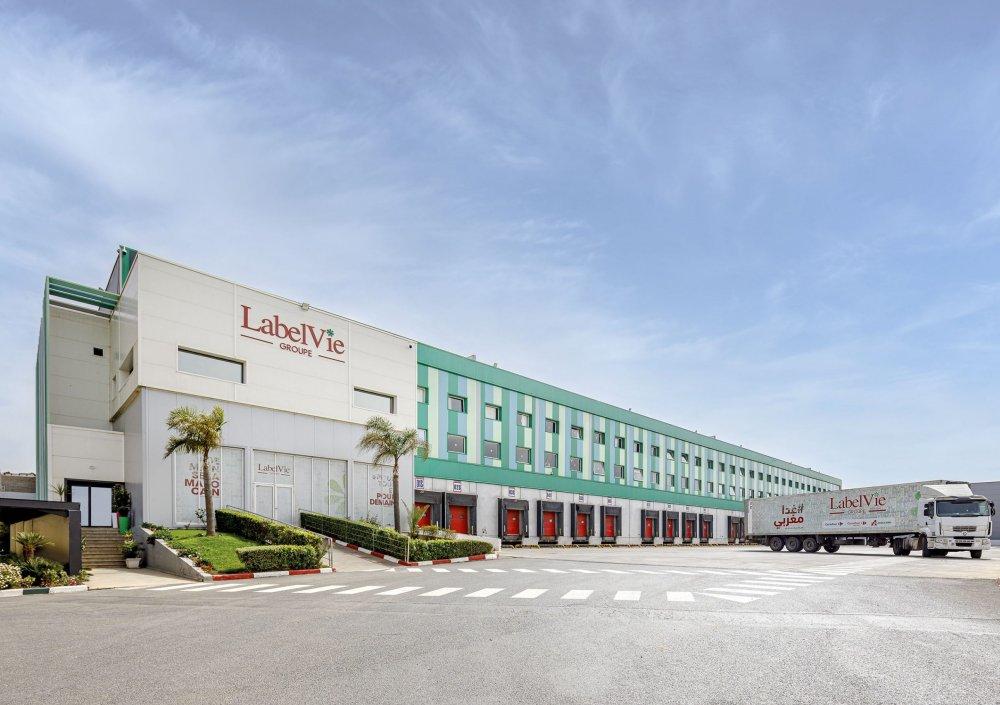
LabelVie is celebrating forty years of activity at a moment when its business model is becoming much larger than the traditional supermarket.
The group now operates through several formats serving different consumer needs.
Carrefour hypermarkets.
Carrefour Market supermarkets.
Atacadão cash-and-carry stores.
Supeco proximity and discount formats.
Its latest 500 million dirham private bond placement adds another financial signal.
LabelVie is not simply opening stores.
It is building the capital, logistics and operating structure required to become a national consumer platform.
That distinction matters.
A supermarket sells products.
A consumer platform influences how products are purchased, transported, priced, promoted and delivered across an entire economy.
It connects farmers, manufacturers, importers, logistics companies, property owners, employees and households.
It collects information about changing demand.
It decides which suppliers receive national visibility.
It shapes expectations around quality, convenience and price.
After four decades, LabelVie’s next phase will therefore not be judged only by the number of stores it operates.
It will be judged by whether its growing scale creates stronger value for Moroccan consumers, suppliers and cities.
Forty Years Changes The Strategic Question
A young retailer focuses on survival.
It needs locations, customers and basic operating discipline.
A mature group faces a different challenge.
It must decide how to use accumulated scale.
LabelVie has moved through several stages of Moroccan retail development.
It began in a market where traditional commerce dominated most household purchases.
It expanded as organised retail gained a larger role in urban consumption.
It introduced and developed several store formats.
It built partnerships around internationally recognised retail brands.
It entered more regions and adapted its offer to different income levels and shopping habits.
The question is no longer whether organised retail can grow in Morocco.
That has already been demonstrated.
The question is what type of national infrastructure a large retailer should become.
One Consumer Market Requires Several Formats
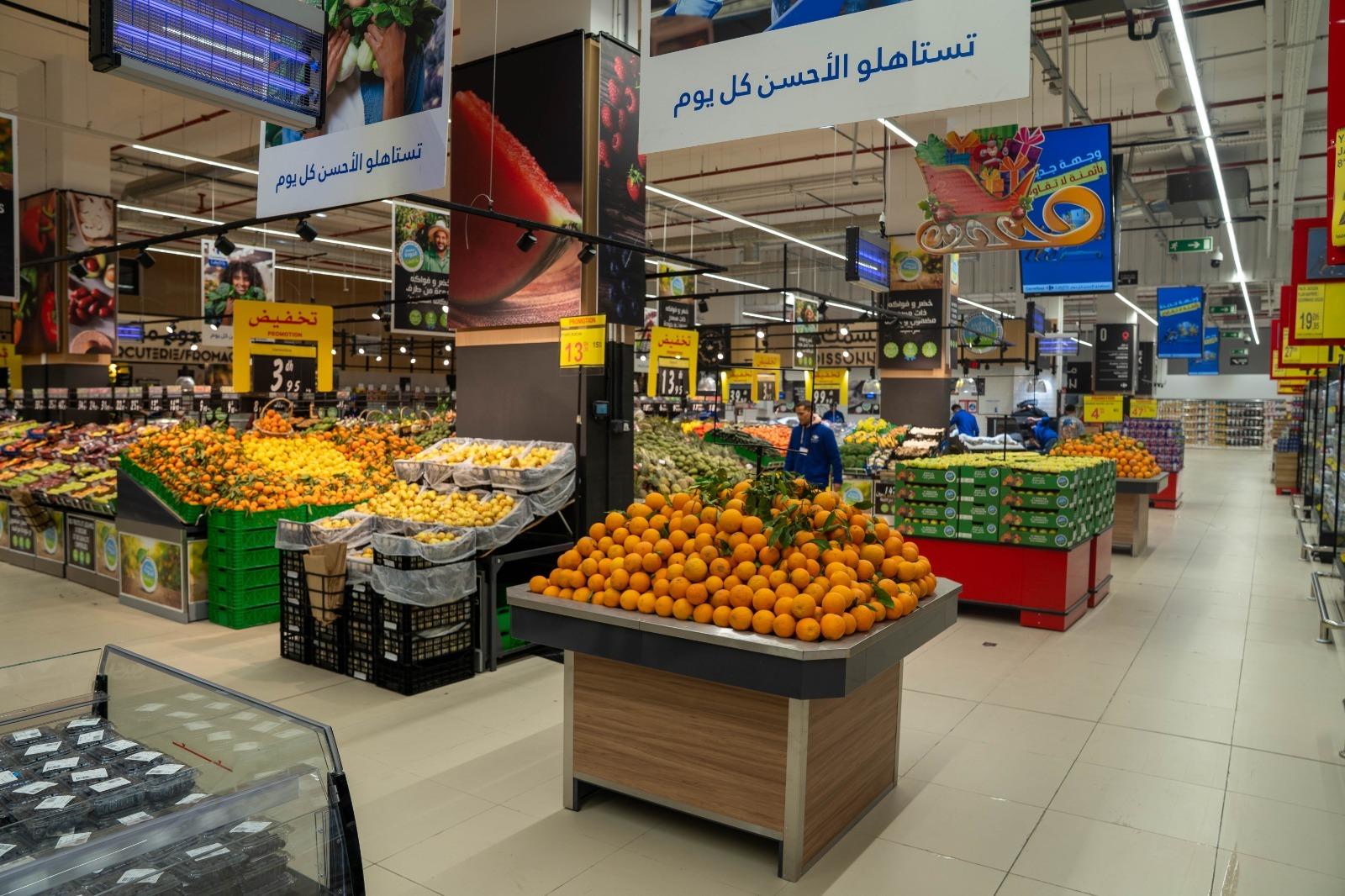
Moroccan households do not shop in the same way.
A family completing a large monthly purchase has different needs from a worker buying several items near home.
A restaurant owner purchasing in bulk behaves differently from a household choosing fresh produce for the evening.
Income, geography, transport and storage all influence the shopping decision.
This is why a multi-format strategy matters.
Hypermarkets can offer broad assortments and destination shopping.
Supermarkets serve regular household demand in urban areas.
Cash-and-carry stores can support professionals, traders and larger-volume buyers.
Discount and proximity formats can respond to price sensitivity and convenience.
The commercial advantage lies in serving several missions without depending entirely on one store model.
But operating multiple formats also creates complexity.
Each format requires a different assortment, cost structure, location strategy and service standard.
The group must avoid making every store feel like a smaller or larger version of the same concept.
A successful multi-format retailer understands exactly why the customer enters each format.
The Proposed Merger Signals A Larger Platform
LabelVie and Retail Holding announced a proposed strategic merger in 2026.
The planned structure would bring together grocery retail and cash-and-carry activities with additional businesses in textiles, culture, fast food and collective catering.
The strategic logic is significant.
A broader group can negotiate purchases across more activities.
It can share logistics, property, technology and customer knowledge.
It can create commercial relationships extending across several parts of everyday consumption.
A shopper may purchase groceries, clothing, books or restaurant meals through businesses connected to the same wider platform.
The proposed combined group is targeting substantial growth by 2030.
That ambition reflects more than store openings.
It suggests the construction of an integrated Moroccan retail group capable of competing across categories and potentially across borders.
The opportunity is large.
So is the governance test.
Diversification creates value only when the businesses genuinely strengthen one another.
Scale Can Reduce Cost
Large retailers can purchase at volumes unavailable to individual shops.
They can negotiate directly with manufacturers.
They can consolidate transport.
They can operate national warehouses.
They can use data to forecast demand more accurately.
They can spread technology and administrative costs across a larger sales base.
These efficiencies can reduce the cost of moving products from producer to shelf.
But consumers benefit only when part of that efficiency appears through price, quality or service.
Scale should not become valuable only to the retailer.
It should improve the economics of the complete chain.
Lower waste.
Fewer empty truck journeys.
Better stock availability.
More stable supply.
More competitive prices.
These are the outcomes that turn corporate size into consumer value.
The 500 Million Dirham Placement Is A Confidence Signal
LabelVie’s recent private placement of 500 million dirhams in ordinary bonds demonstrates access to institutional financing.
This matters because retail expansion requires substantial capital.
New stores need land, construction, equipment and inventory.
Distribution centres require technology and transport connections.
Digital systems must be developed continuously.
Energy and refrigeration infrastructure carry high upfront costs.
The bond market gives the group another source of financing beyond ordinary bank credit and shareholder capital.
It can support longer-term investment while matching repayment with the economic life of the assets being built.
But debt also creates discipline.
Capital raised today must generate enough future cash flow to cover financing costs.
Expansion therefore needs to produce more than visible store growth.
Each investment must strengthen revenue, margins or operating efficiency.
The ability to raise capital is a sign of confidence.
The ability to deploy it productively will determine whether that confidence was justified.
Stores Are Becoming Logistics Nodes
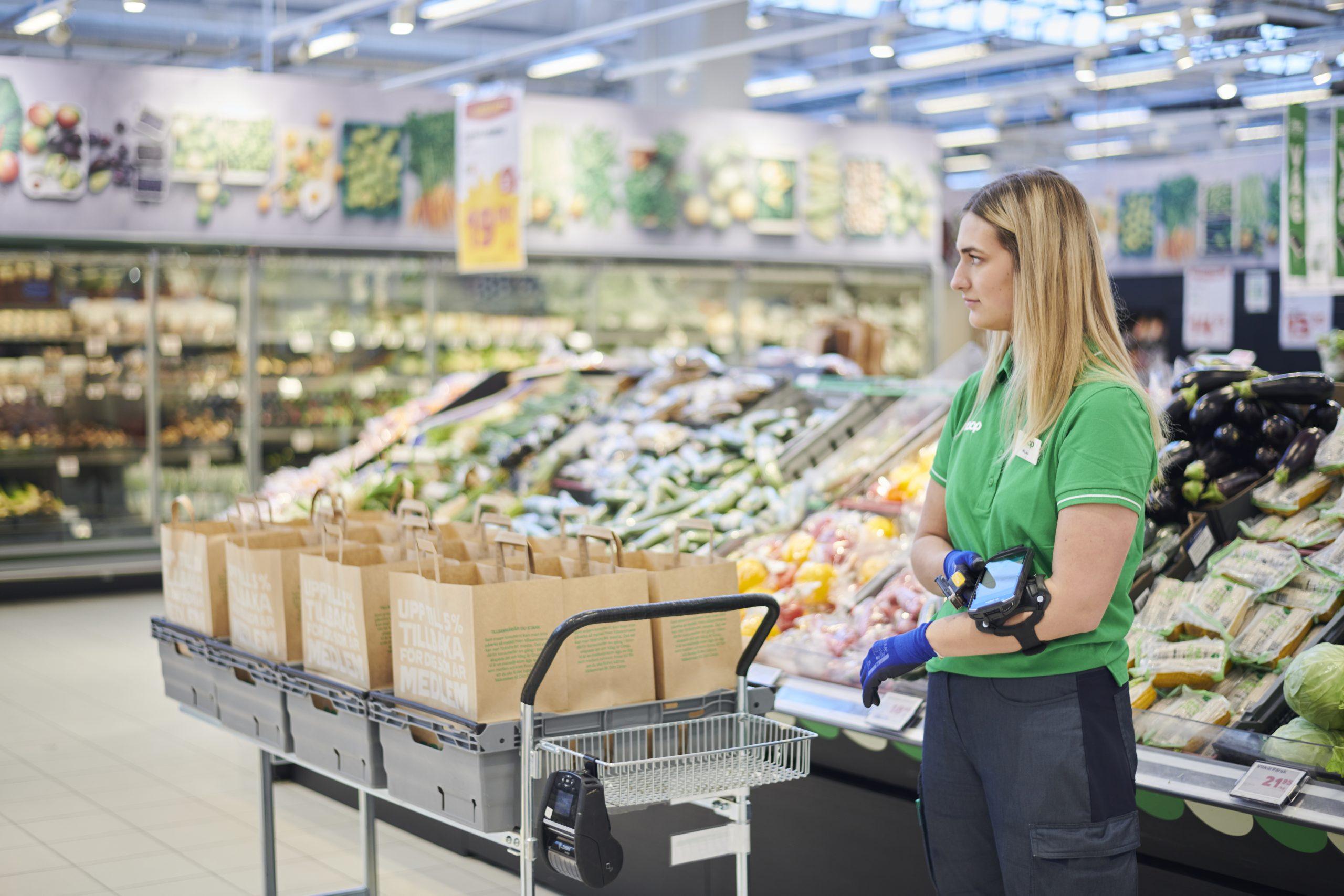
A modern retail store is no longer only a final sales point.
It can become part of a wider fulfilment network.
Customers may purchase in person.
Order online for home delivery.
Collect prepared orders.
Return products.
Compare prices digitally before visiting.
This changes the economic role of each location.
The store must serve physical customers while supporting digital demand.
Inventory needs to remain visible in real time.
Employees may prepare orders in addition to serving aisles and checkouts.
Delivery routes must connect efficiently with local neighbourhoods.
A well-positioned store can become a small logistics node inside a city.
This gives established retailers an advantage over digital competitors operating without a physical network.
But the advantage exists only when technology and operations are integrated.
A website promising unavailable products damages trust.
A delivery service that removes stock from shelves without accurate coordination creates frustration.
Omnichannel retail requires one inventory system, not two competing businesses.
Supplier Access Is A Form Of Economic Power
A national retailer controls valuable shelf space.
That gives it influence over which products reach large numbers of consumers.
For established suppliers, national distribution can accelerate growth.
For smaller Moroccan businesses, access can transform the company.
A food producer may move from local sales into several regions.
A household-products manufacturer can gain stable volume.
A cooperative can reach urban customers previously inaccessible.
But national retail requirements can also be difficult.
Suppliers must deliver consistent quality.
Packaging must meet standards.
Volumes must be reliable.
Invoices and documentation must be accurate.
Promotional activity may be required.
Payment periods can place pressure on working capital.
The retailer therefore has a dual role.
It must protect customers through professional standards.
It should also help capable Moroccan suppliers become ready to meet those standards.
Local Products Need A Structured Route To Scale
Morocco produces a wide variety of food, household, beauty and craft products.
Many remain regionally successful without becoming nationally visible.
The obstacle is not always demand.
It may be packaging.
Certification.
Logistics.
Production consistency.
Commercial presentation.
A large retailer can help close this gap.
Supplier-development programmes can prepare small businesses for national distribution.
Clear quality specifications can reduce uncertainty.
Shared forecasting can help producers plan volume.
Regional testing can allow products to prove demand before wider rollout.
Better payment visibility can support financing.
The objective should not be placing local products on shelves as a symbolic exercise.
It should be creating commercially sustainable Moroccan brands.
A supplier that grows successfully through national retail may eventually become an exporter.
The supermarket shelf can therefore become part of industrial development.
Private Labels Can Reshape Competition
Retailers increasingly develop products sold under their own brands.
Private labels can offer lower prices or differentiated quality.
They can also strengthen customer loyalty because the products are available only within the retailer’s network.
For LabelVie, private labels can support affordability and margin control.
But their expansion must be managed carefully.
The retailer controls both the shelf and one of the competing brands.
Independent manufacturers may fear that successful products will be copied or displaced.
Consumers need clarity about quality and origin.
The strongest private-label strategy creates additional choice rather than eliminating supplier diversity.
It can also support Moroccan production.
A retailer can contract local manufacturers to produce goods under defined standards and guaranteed volume.
This creates industrial demand while giving households more price options.
Private labels become strategically valuable when they combine affordability, quality and local capability.
Fresh Food Is The Hardest Test
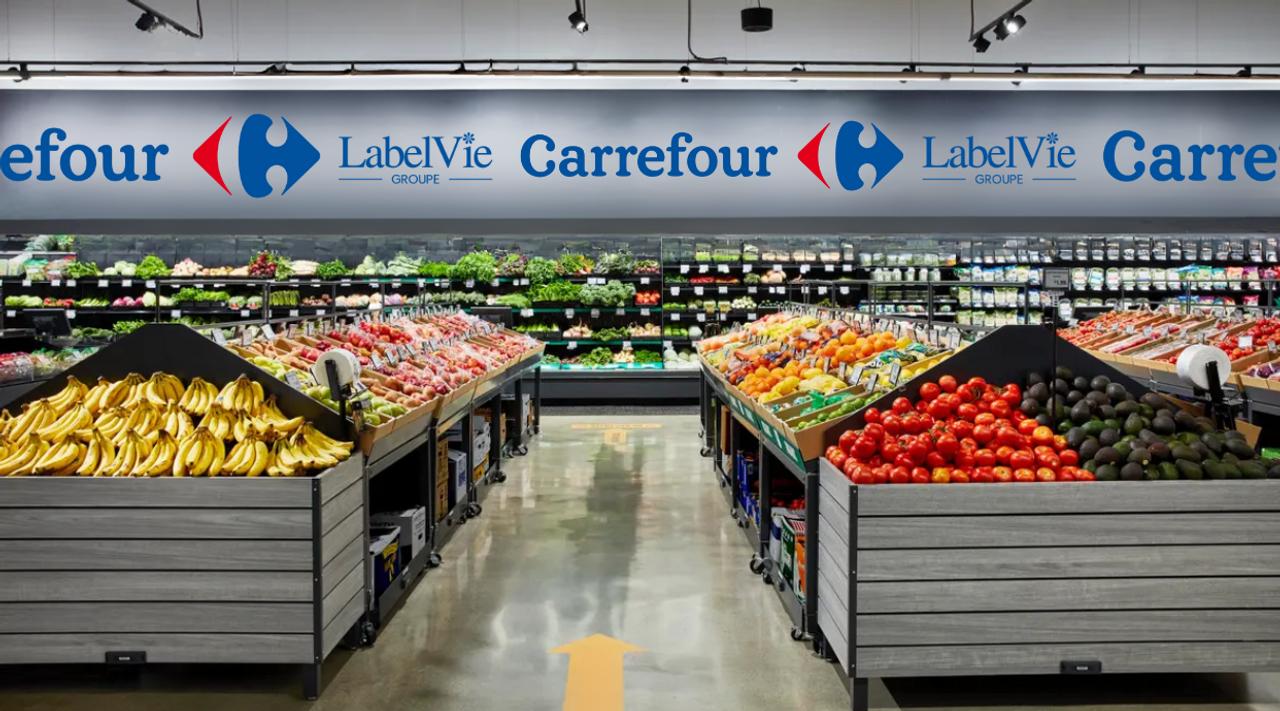
Packaged goods can travel and remain on shelves for relatively long periods.
Fresh produce, dairy, meat, seafood and prepared food operate under greater pressure.
Quality can decline rapidly.
Temperature must be controlled.
Demand varies daily.
Waste directly affects margin.
This makes fresh food one of the clearest tests of retail execution.
LabelVie’s scale can support better cold-chain infrastructure and forecasting.
Stores can analyse demand by location and season.
Distribution centres can consolidate supply.
Retail standards can improve hygiene and traceability.
But scale can also create loss when forecasting is inaccurate.
A national retailer purchasing large volumes may destroy significant value when products remain unsold.
The commercial objective is therefore not maximum availability at any cost.
It is high availability with minimal waste.
Retail Data Can Improve The Food System
Every purchase creates information.
Which products sell?
At what time?
In which region?
At what price?
During which season?
Which promotions influence demand?
This data can improve decisions throughout the supply chain.
Farmers and processors can understand future demand more accurately.
Warehouses can prepare appropriate inventory.
Transport can be scheduled around real need.
Stores can reduce shortages and excess stock.
The information becomes particularly valuable when shared responsibly with suppliers.
A small producer may not possess national market data.
Retail insight can help that producer decide whether to increase production, change packaging or enter another region.
Data should not become an instrument used only to transfer risk towards suppliers.
It should strengthen coordination.
A more informed supply chain wastes less capital, food and transport.
Price Perception Matters As Much As Price
Consumers do not remember every individual product price.
They develop a wider perception.
Is this retailer affordable?
Are promotions genuine?
Are essential goods competitively priced?
Can the family complete its full basket without exceeding its budget?
This perception influences loyalty.
A retailer may offer several deeply discounted products while remaining expensive across the complete basket.
Another may maintain more stable everyday prices with fewer dramatic promotions.
The consumer judges the total experience.
LabelVie’s multi-format model allows it to address different price expectations.
But brand positioning must remain clear.
A discount format should feel consistently accessible.
A premium hypermarket can justify higher spending through assortment and experience.
Confusion weakens trust.
Promotions Need Transparency
Promotions can help households manage budgets and allow suppliers to increase volume.
They can also encourage unnecessary purchases or make ordinary prices harder to understand.
Customers need confidence that discounts are real.
The reference price should be credible.
Conditions should be visible.
Available stock should reflect the campaign.
Digital loyalty offers should remain easy to use.
Promotional complexity may increase sales in the short term while weakening trust over time.
The strongest retailers treat transparency as a commercial asset.
A customer who believes the price system is fair is more likely to return even when every product is not the cheapest available.
Trust reduces the need to re-evaluate the retailer during every shopping trip.
The Traditional Shop Remains A Competitor And Partner
Organised retail has expanded, but traditional commerce remains central to Moroccan daily life.
Neighbourhood shops offer proximity, familiarity and flexible purchasing.
Customers can buy small quantities.
Some receive informal credit.
The shopkeeper understands local demand personally.
Large retailers cannot reproduce every part of this relationship.
Their competitive advantage lies elsewhere.
Assortment.
Price negotiation.
Formal quality systems.
Parking.
Digital services.
National promotions.
The two models will continue to coexist.
Cash-and-carry formats can also turn traditional retailers into customers.
Small shops purchase products in volume and resell them locally.
This means LabelVie does not compete only against traditional commerce.
Part of its business can support that commerce.
The relationship becomes more valuable when professional supply improves the reliability and price of neighbourhood retail.
Regional Expansion Can Formalise Local Consumption
When modern retail enters a new city, it brings more than a building.
It creates formal employment.
Supplier demand.
Taxed transactions.
Property activity.
Logistics routes.
New expectations around customer service and product presentation.
The expansion of Atacadão into cities such as Khénifra, Guelmim, Laâyoune and Ouarzazate reflects a broader territorial strategy.
Regional growth can reduce the concentration of organised retail in the largest urban centres.
But the store must adapt to the local economy.
Income levels differ.
Shopping frequency differs.
Transport patterns differ.
Regional products and consumer preferences differ.
Copying the same assortment everywhere can weaken performance.
A national platform becomes stronger when it understands local markets rather than attempting to standardise them completely.
Retail Employment Needs Career Pathways
Large retail groups employ cashiers, department staff, warehouse teams, drivers, buyers, technicians, digital specialists and managers.
These roles can provide important entry points into formal employment.
But the sector is often associated with demanding schedules, limited progression and high turnover.
A national platform should create visible careers.
A store employee should understand how to become a supervisor or manager.
A warehouse worker should have access to logistics training.
Buyers need specialist knowledge in negotiation, quality and data.
Digital growth creates roles in technology, e-commerce and analytics.
Internal promotion can become a strategic advantage.
Employees who understand store operations deeply often make strong managers.
Retention also reduces recruitment and training costs.
Customer service improves when experienced teams remain.
Women’s Employment Is Central To Retail Growth
Retail creates substantial employment for women.
Stores offer roles across customer service, administration, buying, logistics and management.
But participation alone is not enough.
Scheduling, transport, workplace safety and career progression all influence whether employment remains sustainable.
Late shifts can create mobility challenges.
Family responsibilities may limit advancement when management systems lack flexibility.
A growing retail group can help establish stronger standards.
Predictable scheduling.
Clear anti-harassment procedures.
Leadership development.
Safe transport solutions where operationally justified.
Equal access to promotion.
Women’s participation becomes economically transformative when it extends beyond entry-level positions into decision-making roles.
Energy Is A Major Operating Cost
Retail stores consume significant electricity.
Refrigeration operates continuously.
Lighting, air conditioning, warehouses and digital systems add further demand.
This makes energy efficiency commercially important.
LabelVie and Aradei Capital announced a large-scale solar programme in 2026.
The strategic logic is clear.
Solar installations can reduce exposure to electricity costs and lower the environmental footprint of retail operations.
But energy strategy should extend beyond generation.
Efficient refrigeration.
Better insulation.
Smart lighting.
Temperature monitoring.
Preventive maintenance.
Store design.
These measures can reduce consumption before additional electricity needs to be produced.
For a large network, small efficiency gains repeated across many locations can create significant financial value.
Real Estate Shapes Retail Returns
A retailer’s performance depends heavily on location.
The correct site must balance population, income, access, traffic and competition.
A store can perform poorly even when the concept is strong if the location is wrong.
Property also ties up substantial capital.
Some retailers own stores.
Others lease them.
Sale-and-leaseback structures can release capital for expansion while creating long-term rent obligations.
Partnerships with specialised real-estate companies can support faster growth.
But the relationship between operating business and property must remain disciplined.
A store should not open merely because attractive land is available.
The location needs sufficient long-term demand.
Retail expansion becomes dangerous when real-estate ambition moves faster than consumer economics.
Debt Must Be Supported By Store Productivity
The 500 million dirham bond placement increases LabelVie’s financing capacity.
It also increases the importance of productivity.
New capital should produce measurable returns.
Higher sales per square metre.
Better inventory turnover.
Lower logistics costs.
Stronger digital activity.
More efficient energy use.
Improved supplier terms.
Successful new formats.
Debt should not merely finance a larger physical footprint.
It should finance a stronger operating system.
This distinction matters because retail margins can be narrow.
Small execution problems repeated across a large network can become expensive.
Inventory, rent, energy and salaries must be managed continuously.
Growth without operational discipline can increase revenue while weakening cash flow.
The Merger Must Create More Than Size
The proposed combination with Retail Holding could create a much larger listed retail group.
The announced target includes consolidated revenue potentially reaching 47 billion dirhams by 2030, compared with 21.7 billion dirhams in 2025.
Size can create purchasing power and shared infrastructure.
But integration also creates risk.
Different businesses possess different cultures, customers and operating systems.
Grocery retail does not function like fashion.
Fast food does not function like cash-and-carry.
Collective catering follows another model again.
The merger will create value only when centralisation is selective.
Finance, technology, property and procurement may produce synergies.
Customer propositions must remain specialised.
The group should become more integrated without making every business operationally identical.
Customer Data Requires Trust
A multi-format group can understand household behaviour across several categories.
Loyalty programmes, digital purchases and payment activity can create detailed consumer profiles.
This information supports better offers and forecasting.
It also creates responsibility.
Customers need confidence that their information is protected and used appropriately.
Data collection should remain transparent.
Security systems must protect personal information.
Marketing should not become intrusive.
The group’s data advantage will be sustainable only when consumers believe the relationship remains fair.
Trust is especially important when digital identity connects purchases across several businesses.
A platform that knows more about the customer must also demonstrate stronger discipline.
Inclusion Requires More Than Urban Expansion
Retail modernisation can improve access to products and formal services.
But some consumers may remain excluded by geography, income or digital barriers.
Rural communities and smaller towns require different models.
Large stores may not be viable everywhere.
Proximity formats, wholesale distribution and partnerships with local retailers can extend reach.
Digital ordering can help where delivery economics are realistic.
The goal should not be replacing every traditional shop with organised retail.
It should be giving more households access to reliable products, transparent prices and stronger supply.
A national consumer platform becomes truly national when its benefits are not limited to the largest cities.
Retail Can Support Healthier Consumption
Retailers influence what consumers see and purchase.
Shelf placement, promotion and product availability affect behaviour.
This creates an opportunity to support healthier choices.
Clear nutritional information.
Affordable fresh produce.
Reduced sugar and salt in private labels.
Responsible promotion to children.
Support for local and seasonal products.
These measures should not become moral instruction.
Consumers retain the right to choose.
But the retailer can make informed choice easier.
Healthier options are meaningful only when they are affordable and available.
A premium wellness section serving a narrow customer base does not transform national consumption.
The strongest impact comes from improving ordinary products purchased regularly.
Waste Can Become A Business Indicator
Retail waste includes food, packaging, damaged goods and unsold inventory.
Reducing it creates direct economic benefit.
Better forecasting lowers over-ordering.
Discounting near expiry can recover value.
Donations can redirect appropriate products.
Packaging optimisation reduces transport and disposal cost.
Recycling can create additional partnerships.
Waste should therefore be measured as an operational KPI, not only an environmental issue.
Every discarded product contains purchasing, transport, storage and labour costs.
Reducing waste improves margins while lowering environmental pressure.
The largest retailer networks have the scale to create national systems around recovery and recycling.
Consumer Complaints Are Strategic Data
Complaints are often treated as isolated service problems.
At scale, they become operational intelligence.
Repeated complaints about one product may reveal a supplier issue.
Long checkout times may indicate staffing or process problems.
Delivery failures may expose weaknesses in digital fulfilment.
Pricing disputes may show that promotional communication is unclear.
The group should collect and analyse complaints across formats.
The objective is not only solving the individual case.
It is preventing the same problem from repeating.
A strong consumer platform learns from friction.
Customer service becomes part of quality control.
LabelVie’s Next Competitor May Not Be Another Store
Competition is changing.
LabelVie competes with Marjane, BIM, independent supermarkets and traditional commerce.
It also competes with digital marketplaces, delivery applications and specialised direct-to-consumer brands.
A customer can purchase groceries through several channels without entering a conventional store.
This means future competition will focus on convenience, data and fulfilment as much as physical location.
Established scale remains an advantage.
Warehouses, stores and purchasing power are difficult to reproduce quickly.
But legacy systems can slow adaptation.
The group must use its physical network as a digital advantage rather than defend stores against digital change.
The 40-Year Retail Reset
LabelVie’s first forty years followed the rise of organised retail in Morocco.
Its next phase may help define what Moroccan retail becomes.
The group now possesses scale, multiple formats, capital-market access, national logistics and a proposed path towards a broader integrated platform.
These assets create significant opportunity.
They also create responsibility.
Consumers need reliable value.
Suppliers need fair and predictable access.
Employees need career pathways.
Regions need formats adapted to local demand.
Investors need disciplined capital deployment.
The 500 million dirham bond placement provides additional capacity.
The proposed merger could create a group of much greater scale.
But the most important transformation will not appear only on the balance sheet.
It will appear in how efficiently products move, how clearly prices are understood, how many Moroccan suppliers grow and how consistently households trust the platform serving them.
LabelVie began as a retailer.
After forty years, it is preparing to become part of Morocco’s national consumer infrastructure.