

Morocco’s retail market is preparing for a new kind of competition.
Not another giant shopping centre.
Not another hypermarket on the edge of a city.
Something smaller.
Closer.
More frequent.
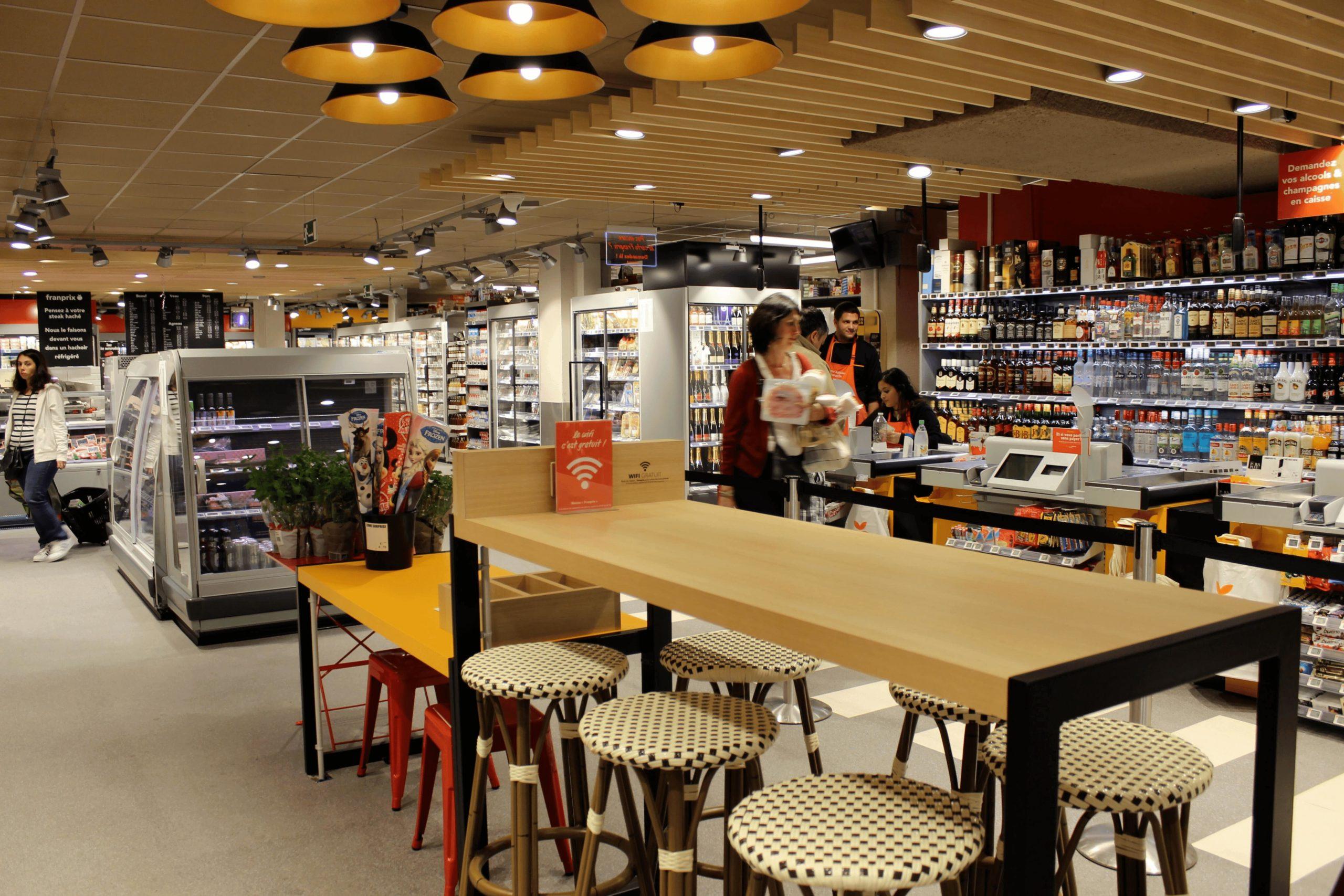
H&S Invest Holding and France’s Casino group are preparing a rollout that could eventually reach around 210 convenience stores in Morocco, using formats associated with brands such as Franprix and Monoprix.
The first openings are expected from 2026.
The number is significant.
But the real story is not 210 stores.
It is what happens when organised retail moves deeper into the neighbourhood.
Morocco’s next retail battle may be decided less by who operates the largest stores and more by who can become part of the customer’s everyday routine.
Convenience Changes The Economics
A hypermarket is a destination.
The customer may drive several kilometres, fill a trolley and shop for the week.
A convenience store plays a different role.
Breakfast.
Something forgotten for dinner.
A bottle of water.
A quick lunch.
Household essentials.
A late purchase on the way home.
The basket is smaller, but visits can be much more frequent.
That changes everything.
Location matters more.
Opening hours matter more.
Checkout speed matters more.
Stock availability matters more.
A neighbourhood customer does not want to spend twenty minutes completing a five-minute purchase.
Convenience retail is therefore a business built around removing friction.
Morocco Already Has A Powerful Convenience Network
The new stores will not enter an empty market.
Morocco already possesses thousands of neighbourhood grocery shops deeply embedded in everyday life.
They know their customers.
They operate close to homes.
They often provide flexible service.
Some deliver locally.
Some extend informal credit to known families.
That relationship is difficult for organised retail to reproduce.
H&S Invest and Casino therefore cannot assume that modern store design automatically creates superiority.
The traditional neighbourhood shop has one enormous advantage:
It already belongs to the neighbourhood.
The new retail format must compete through a different combination.
Reliable availability.
Transparent pricing.
Fresh products.
Clean presentation.
Electronic payment.
Long opening hours.
Efficient service.
The strongest concept will combine professional retail systems with the accessibility people already value in local commerce.
Two Hundred And Ten Locations Require Discipline
Opening one successful store is relatively straightforward.
Opening 210 is an operating-system test.
Every location needs the right assortment.
Employees.
Refrigeration.
Deliveries.
Security.
Technology.
Waste control.
Pricing.
A store in central Casablanca may behave very differently from one in Rabat, Tangier or a smaller city.
The company needs enough standardisation to control costs while allowing local adaptation.
Too much centralisation can fill shelves with products customers do not want.
Too much local freedom can destroy purchasing efficiency and brand consistency.
The winning model will define what must be identical everywhere and what individual stores can adjust.
Location Will Determine Most Of The Outcome

Convenience retail depends on density.
A store must sit where people already move.
Near homes.
Offices.
Transport.
Universities.
Busy pedestrian routes.
The strongest site may contain fewer square metres but more daily movement.
This creates a different real-estate strategy from conventional supermarket expansion.
The company must understand the neighbourhood almost street by street.
How many people live nearby?
When do they move?
Are they walking or driving?
What do competing shops offer?
How much storage space is available?
Can deliveries arrive without blocking the road?
A bad location cannot easily be corrected through better marketing.
For convenience retail, real estate is part of the product.
The Assortment Must Be Ruthlessly Edited
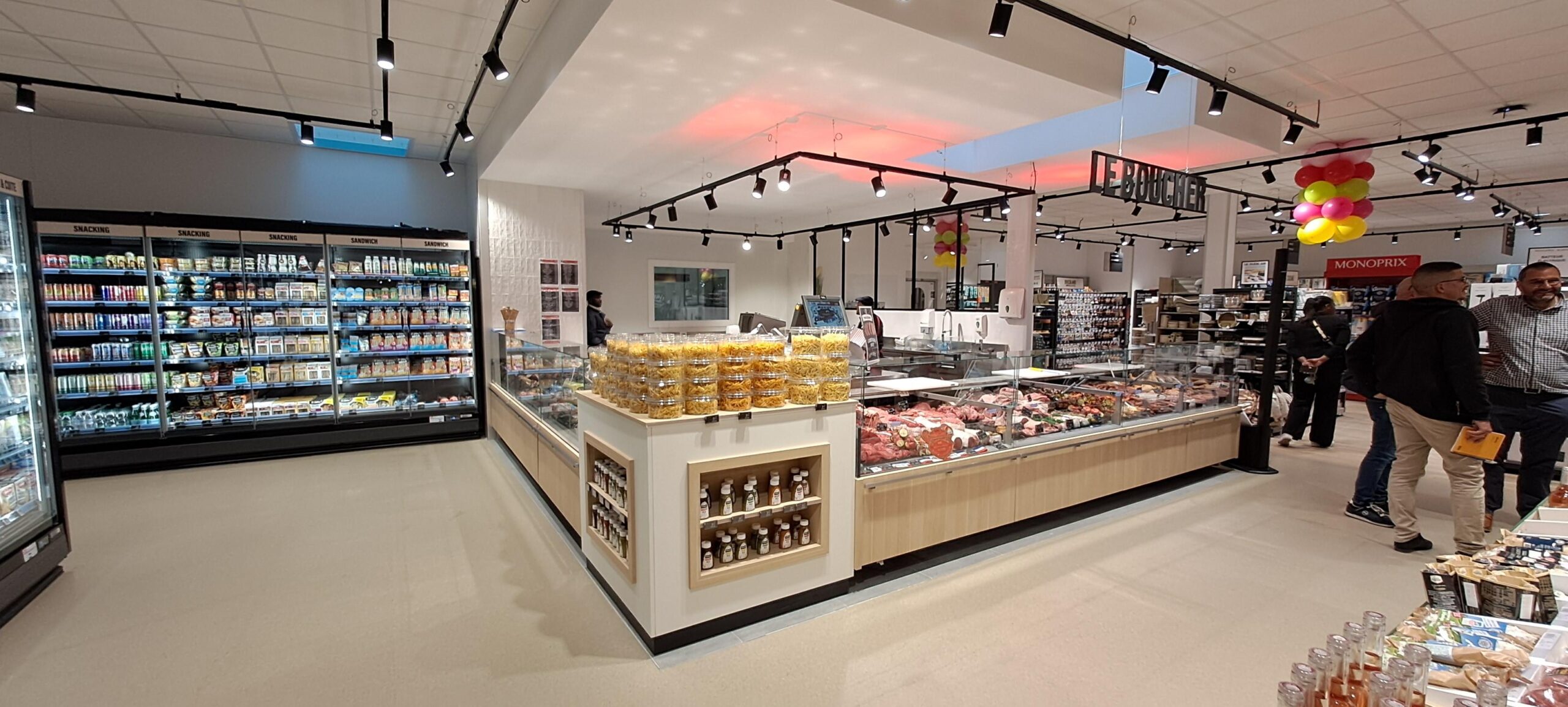
A smaller store cannot carry everything.
Every metre of shelf must earn its place.
This forces retailers to understand purchasing behaviour much more precisely.
Milk.
Bread.
Drinks.
Snacks.
Personal care.
Cleaning products.
Ready meals.
Fresh produce.
The exact mix will differ by neighbourhood.
A location near offices may sell more lunch products.
A residential area may need family essentials.
A tourism zone may require a different mix again.
The retailer should constantly measure what sells and what remains untouched.
Convenience stores become inefficient very quickly when slow inventory occupies scarce space.
The competitive advantage will come from choosing fewer products better.
Fresh Food Could Be The Differentiator
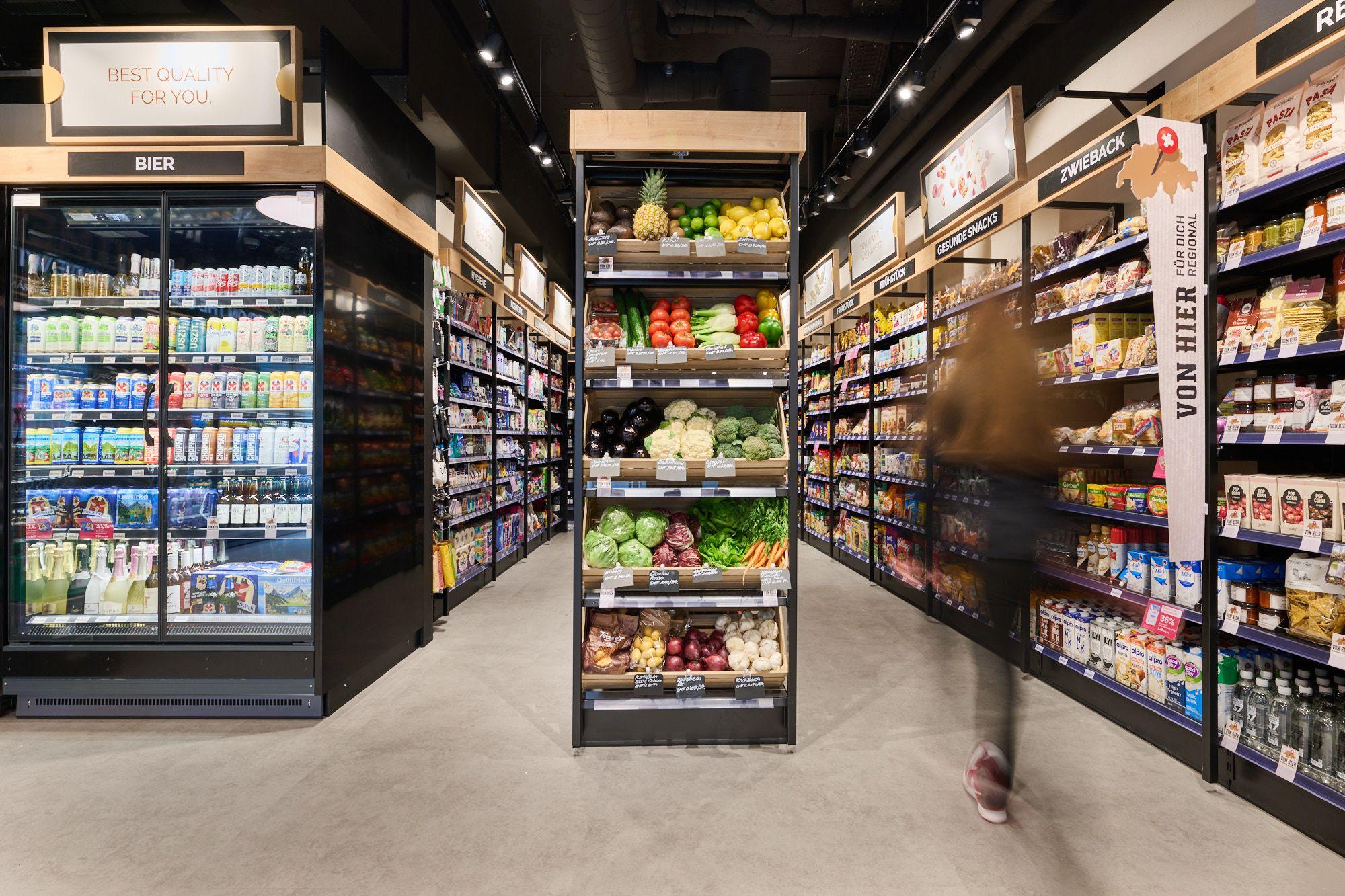
Packaged products are relatively easy to distribute.
Fresh food is harder.
Bread.
Fruit.
Vegetables.
Dairy.
Prepared meals.
Sandwiches.
Quality can deteriorate quickly.
Waste can destroy margins.
Yet fresh products give customers a strong reason to visit regularly.
A store selling good bread, fresh lunch options and reliable produce can become part of a daily routine rather than an occasional emergency stop.
This also creates opportunities for Moroccan food producers.
Local bakeries.
Dairy companies.
Prepared-food suppliers.
Fruit and vegetable networks.
The challenge is consistency.
The customer must receive the same acceptable quality on Monday evening as on Saturday morning.
Local Suppliers Should Capture The Expansion
A 210-store network would create substantial purchasing power.
That could benefit Moroccan manufacturers and food producers.
The easiest model might be importing some familiar international products associated with Casino brands.
The stronger economic model gives Moroccan suppliers a large route to market.
Private-label manufacturing could become especially important.
A Moroccan producer may manufacture food, household products or personal-care items under the retailer’s own brand.
This provides volume to the supplier and potentially lower prices to customers.
But H&S Invest should avoid using local sourcing only as a headline.
Suppliers need stable contracts, clear quality requirements and realistic payment terms.
Retail scale creates national value when local production grows with it.
Private Labels Can Change The Price Competition
Retailers around the world increasingly use private-label products to differentiate themselves.
The store controls the brand.
It negotiates directly with manufacturers.
Marketing costs can be lower.
Margins can be stronger.
Customers receive an alternative to major consumer brands.
In Morocco, this could create a particularly interesting dynamic.
A retailer with 210 locations could develop Moroccan-made private-label ranges across food and household categories.
The products would need to earn trust.
Low price alone is not enough.
If quality disappoints, customers return immediately to known brands.
The best private labels eventually become a reason to choose the retailer itself.
Price Will Remain Crucial
Convenience carries a structural risk.
Small stores often have higher operating costs per product than large supermarkets.
Rent may be expensive.
Deliveries are more frequent.
Storage is limited.
Customers may accept a small premium for convenience.
They will reject prices that feel permanently disconnected from the wider market.
H&S Invest will therefore need careful price architecture.
Some essential products should remain strongly competitive because customers know their prices.
Others may support higher margins through convenience, premium positioning or prepared food.
Retailers cannot assume customers are unaware of price differences.
Smartphones and multiple nearby alternatives make comparison easy.
Trust is lost when convenience feels like exploitation.
Digital Payments Can Accelerate The Format
Convenience stores are ideal environments for cashless transactions.
The basket is small.
The customer wants speed.
Card, contactless and mobile-wallet payments can reduce queues.
Self-checkout may eventually work in selected high-traffic locations.
Digital receipts can simplify the process further.
But cash remains important in Morocco.
Stores should support digital growth without turning ordinary cash users into second-class customers.
The objective is payment flexibility.
A good convenience store allows the customer to enter, choose and pay in the fastest method available to them.
Technology should remove friction rather than demonstrate sophistication.
Loyalty Data Could Become Extremely Valuable
A customer shopping once a month provides limited behavioural information.
A customer visiting three times a week generates a much clearer picture of everyday demand.
A loyalty programme can connect those purchases.
Which products are usually bought together?
Which customers respond to promotions?
What time does lunch demand peak?
Which items encourage repeat visits?
This data can improve inventory and personalised offers.
But convenience should remain convenient.
Customers should not need to complete complicated registrations simply to receive ordinary prices.
Data collection must also remain transparent.
A loyalty programme should reward the customer rather than become a hidden requirement for fair treatment.
Delivery Could Extend The Store Beyond Its Walls
Neighbourhood stores have a natural advantage for fast delivery.
Inventory is already close to customers.
A 210-location network could effectively become a distributed fulfilment system.
A household orders several items.
The nearest store prepares the basket.
A rider delivers it quickly.
This model can compete with dark stores or central warehouses because the physical retail network serves both walk-in and digital customers.
But operations become more complicated.
Staff must serve people inside the store while preparing online orders.
Inventory must remain accurate in real time.
A product shown online cannot repeatedly be unavailable after payment.
Delivery must improve the economics rather than create a loss-making service subsidised indefinitely for growth.
Opening Hours Will Matter
Convenience is partly about being available when larger retailers are less practical.
Early morning.
Late evening.
Weekends.
Holidays.
Long operating hours can increase sales but also raise labour and security costs.
The company needs staffing systems that remain fair and sustainable.
Employees should not absorb the cost of the convenience promise through permanently unstable schedules.
Store managers need enough flexibility to match staffing with traffic.
Data can help determine when locations are busiest and when extended hours create little value.
Not every neighbourhood requires exactly the same timetable.
Employees Will Define The Local Relationship
Large supermarket customers may interact minimally with staff.
In a neighbourhood store, repeated interaction is more likely.
The same customer may visit several times per week.
Employees become familiar faces.
That creates an opportunity for organised retail to develop some of the personal relationship traditionally associated with local shops.
Recruitment should therefore prioritise service alongside efficiency.
Employees need product knowledge, payment skills and the ability to solve ordinary problems quickly.
Store managers carry especially large responsibility.
A weak manager can create inventory problems, poor service and high staff turnover within months.
A 210-store strategy ultimately depends on developing dozens of strong local managers.
Waste Can Destroy Convenience Margins
Fresh products and small stores create a difficult inventory equation.
Too little stock produces empty shelves.
Too much creates waste.
Demand forecasting needs to operate at store level.
Weather may affect drinks.
Ramadan changes purchasing periods.
School calendars change traffic.
A local event may produce unusual demand.
The company should use central data while allowing managers to respond to obvious local conditions.
Discounting products approaching expiry can reduce food waste.
Donation partnerships may provide another route where regulations and food safety allow.
The most efficient convenience chain learns quickly from small demand changes.
Traditional Retail Will Also Adapt
The arrival of organised convenience chains should not be viewed only as a threat to neighbourhood shops.
Competition can accelerate modernisation.
Local retailers may expand electronic payments.
Improve store presentation.
Use digital ordering.
Join purchasing cooperatives.
Offer delivery.
Develop stronger inventory systems.
Some may even become franchisees or partners of organised networks.
Morocco’s retail market is large enough for several formats.
Traditional commerce will not disappear simply because modern chains expand.
The more likely outcome is gradual convergence.
Traditional shops become more organised.
Modern chains become more locally adapted.
Consumers gain more choice.
The 210-Store Test
H&S Invest and Casino’s Moroccan expansion could introduce a major new convenience-retail network.
If the planned scale is achieved, roughly 210 stores would create significant purchasing power, employment and neighbourhood presence.
But store count will not determine success.
The real questions are operational.
Can the assortment reflect local demand?
Can prices remain trusted?
Can fresh food be managed without excessive waste?
Can Moroccan suppliers capture more business?
Can delivery and digital payment improve convenience?
Can employees create the personal service customers already receive from neighbourhood merchants?
Most importantly, can an organised chain become genuinely local?
Morocco’s next retail battle will not necessarily be won in the biggest mall or the largest hypermarket.
It may be won on the street where a customer decides where to buy milk, bread and dinner five minutes before reaching home.
 Jamal Mahdad, Founder & Editor-in-Chief