

Morocco’s retail market is changing.
A shopping centre is no longer competing only with another shopping centre.
It is competing with home delivery.
Streaming.
Restaurants.
Gyms.
Social media.
Online shopping.
And ultimately, the customer’s limited free time.
That shift became visible again this summer as international brands continued upgrading their Moroccan presence. In July, Mango reopened at Morocco Mall in Casablanca in a larger 405-square-metre location built around its new Mediterranean retail concept.
The significance goes beyond one fashion store.
Physical retail is being forced to become more experiential at precisely the moment Moroccan consumers have more ways to shop without leaving home.
For developers and retailers, the next competition is therefore not simply about square metres.
It is about giving people enough reasons to stay.
Shopping Alone Is No Longer A Destination
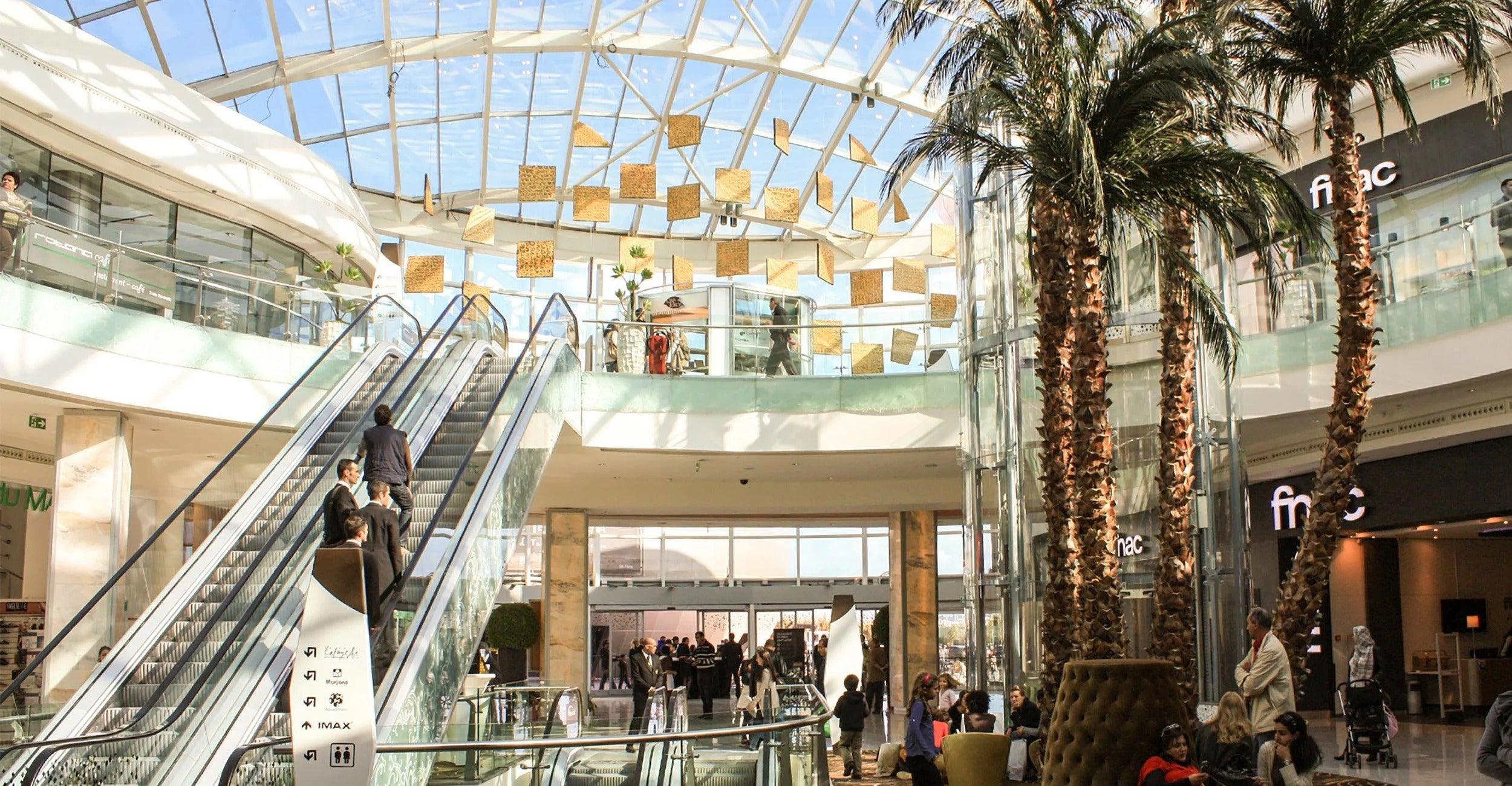
For decades, shopping centres could rely on a straightforward proposition.
Bring many stores together.
Provide parking.
Add food.
Generate traffic.
That model still works, but it is becoming less defensible.
A consumer can now order clothing, electronics, groceries or home products from a smartphone.
The physical trip requires additional effort.
Traffic.
Parking.
Walking.
Queues.
The centre must therefore provide something the screen cannot reproduce completely.
Entertainment.
Discovery.
Human interaction.
Food.
Events.
Services.
Family time.
The shopping transaction remains important.
But it increasingly becomes one part of a broader visit.
Time Has Become The Real Currency
Retailers traditionally measure sales per square metre.
Property owners monitor occupancy and footfall.
Those metrics remain essential.
But another measure is becoming more important:
How long does the customer stay?
A person entering for fifteen minutes to collect one product creates a different economic opportunity from a family spending three hours across shopping, lunch and entertainment.
Longer visits can support several tenants simultaneously.
The restaurant benefits.
The fashion store gains another opportunity.
Children participate in an activity.
The customer may make an unplanned purchase.
This does not mean centres should deliberately make shopping slower.
Convenience remains critical.
The objective is to create optional reasons to stay after the original task is completed.
Store Design Is Becoming Part Of Entertainment
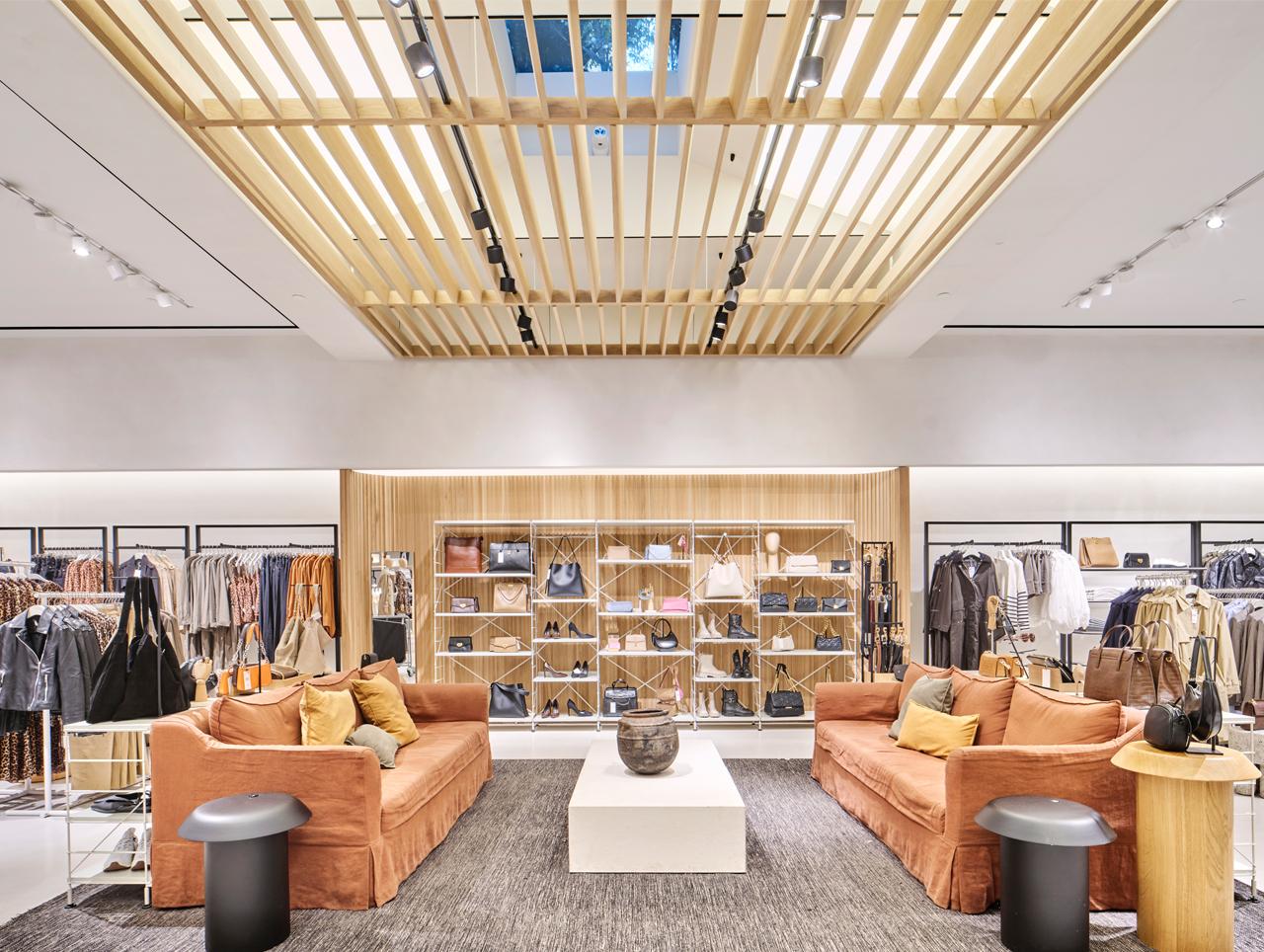
Mango’s upgraded Morocco Mall location illustrates how global retailers are responding.
The store is not designed only as racks of clothing around a payment counter.
Materials, lighting, circulation and product presentation form part of the experience.
This reflects a broader retail trend.
When consumers can view thousands of products online, physical stores must provide additional value through touch, fitting, advice and atmosphere.
A successful fashion store increasingly behaves like a showroom and brand experience alongside its traditional sales function.
Moroccan retailers face the same requirement.
The question is no longer only whether the product is available.
It is whether the physical environment makes the customer prefer visiting the store.
Food Is Becoming An Anchor
Restaurants and cafés were once secondary services inside many shopping centres.
They are increasingly central traffic generators.
People may visit specifically for dinner and then shop.
Groups meet for coffee.
Families combine lunch with children’s activities.
Food creates frequent visits because consumers eat out far more often than they purchase furniture or major fashion items.
This makes restaurant selection strategically important.
Centres need variety.
Affordable options.
Local concepts.
International brands.
Quick meals.
Longer sit-down experiences.
Too much duplication weakens the offer.
The strongest food mix gives different customers a reason to visit at different times of day.
Entertainment Changes The Visit
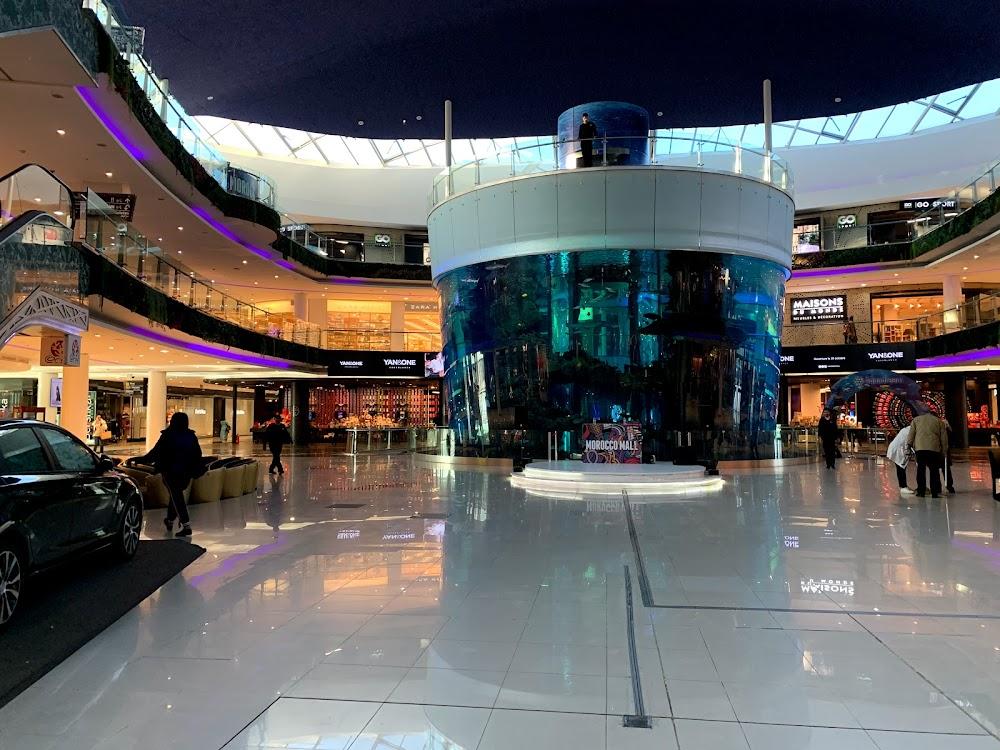
Cinema already demonstrated how entertainment can support shopping-centre traffic.
The category is expanding.
Gaming.
Children’s attractions.
Fitness.
Bowling.
Interactive experiences.
Events.
These activities increase the reasons for customers to visit without requiring a purchase from a traditional retailer.
They also make the centre more relevant to younger customers who may conduct much of their shopping online.
The commercial logic is powerful.
A family may arrive for entertainment and purchase food.
Parents may shop while children participate in an activity.
Friends may combine gaming with dinner.
The property becomes an ecosystem where one activity generates demand for another.
Moroccan Retail Needs More Local Concepts
International brands remain important.
They bring recognition and customer confidence.
But a shopping centre filled entirely with the same global names available in Madrid, Paris or Dubai risks losing local character.
Moroccan operators can create differentiation through stronger domestic brands.
Fashion.
Beauty.
Food.
Homeware.
Design.
Children’s concepts.
Local entrepreneurs often understand Moroccan preferences extremely well but may struggle with the cost and complexity of premium retail locations.
Developers can create smaller formats, temporary stores and flexible leases that allow promising brands to test demand.
The objective should not be local content for symbolic reasons.
It should be creating Moroccan retailers capable of eventually expanding beyond Morocco themselves.
Smaller Formats Can Reduce Risk
Traditional shopping-centre leases can require large commitments.
Fit-out.
Inventory.
Employees.
Rent.
Marketing.
A young brand may not know whether enough demand exists to justify that investment.
Pop-up spaces can change the equation.
A company can operate for several months.
Measure sales.
Understand customer behaviour.
Test pricing.
Build awareness.
If performance is strong, the concept can move into a permanent store.
This creates value for both sides.
Developers gain variety.
Entrepreneurs gain access.
Customers discover new brands.
Retail space becomes more dynamic rather than remaining fixed for years regardless of changing demand.
Digital And Physical Retail Must Become One System
The distinction between online and offline shopping is becoming increasingly artificial.
Customers move between both constantly.
They discover a product on Instagram.
Check availability online.
Visit the store to try it.
Order another size later.
Return the item physically.
A retailer that treats each channel separately creates friction.
Stock information should be consistent.
A product visible online should not repeatedly appear unavailable in the store without explanation.
Customers should be able to collect online orders conveniently.
Returns should remain simple.
Store employees should understand the digital offer.
The strongest retail companies will not ask whether customers are online or offline.
They will serve the same customer across both.
Parking Can Destroy An Otherwise Good Experience
Retail strategy often focuses on brands and architecture.
Customers also remember practical frustrations.
Finding parking.
Entering the site.
Leaving after a busy evening.
Walking safely from the car.
Traffic around the centre.
These operational details directly influence repeat visits.
A customer may enjoy a centre but stop visiting because accessing it takes too long.
Digital parking guidance, clearer entrances and better traffic management can reduce this friction.
Public transport connections are equally important.
As Moroccan cities grow, shopping centres cannot assume that every future customer will arrive by private car.
Accessibility will increasingly influence the commercial strength of the property.
Families Are A Major Customer Group
Moroccan retail destinations serve a particularly important social function for families.
A centre provides a controlled environment where several generations can spend time together.
This creates demand extending beyond stores.
Seating areas.
Clean facilities.
Children’s spaces.
Food suitable for different budgets.
Prayer facilities.
Safe circulation.
Comfortable temperature.
The details matter because family visits can last several hours.
A destination designed only around rapid consumption may miss this opportunity.
The strongest centres understand that customers are not always arriving as individual shoppers.
They are arriving as households.
Events Can Create Reasons To Return
Physical retail needs recurrence.
Seasonal events can create it.
Product launches.
Food festivals.
Children’s programmes.
Sports screenings.
Cultural exhibitions.
Fashion events.
Local-brand markets.
The centre then gains a calendar rather than depending entirely on permanent tenants.
Events also create social-media content and encourage customers to return even when they do not have a specific shopping need.
But programming should remain coherent.
Constant low-quality activity can make a destination feel noisy rather than interesting.
A smaller number of well-produced events can strengthen the centre’s identity more effectively.
Retail Media Is Becoming A Business
Large shopping centres know where customers are physically present.
That makes advertising inside these environments valuable.
Digital screens.
Applications.
Wi-Fi portals.
Parking areas.
Directories.
Promotional spaces.
Brands can communicate with consumers close to the moment of purchase.
This creates a revenue stream for landlords beyond rent.
It also gives tenants tools for driving traffic.
The opportunity must be managed carefully.
Customers should not feel surrounded by continuous advertising.
Retail media works best when it improves discovery instead of overwhelming the environment.
Data Can Improve Tenant Decisions
Property owners increasingly have access to information about traffic patterns.
Which entrances are busiest?
What times generate peak demand?
How does a new restaurant affect evening visits?
Which zones receive weaker footfall?
This information can help determine tenant placement and operating hours.
A coffee shop may need a different location from a premium fashion retailer.
Entertainment may perform best beside restaurants rather than near service businesses.
Data can also reveal whether a major renovation actually improved customer behaviour.
But measurement should remain proportionate and privacy-conscious.
The objective is understanding movement and demand, not creating intrusive surveillance.
Sustainability Is Becoming Operational
Large retail properties consume significant resources.
Cooling.
Lighting.
Water.
Escalators.
Parking ventilation.
Restaurants.
Entertainment facilities.
Reducing consumption can lower operating expenses substantially.
Solar energy.
LED systems.
Smart cooling.
Water monitoring.
Waste separation.
These measures also matter increasingly to international tenants with their own environmental commitments.
The strongest sustainability investments are those that improve economics and environmental performance simultaneously.
A shopping centre that lowers energy consumption can become more competitive without asking customers to sacrifice comfort.
The Mall-To-Lifestyle Reset
Morocco’s retail centres are entering a more competitive period.
International brands continue investing in physical stores.
Developers are adding restaurants, entertainment and services.
Consumers still enjoy shopping in person.
But the reason for visiting is changing.
A shopping centre can no longer rely on the simple fact that products are available inside it.
Those products are increasingly available everywhere.
The destination must offer convenience when customers are in a hurry and experience when they have time.
It must connect physical and digital retail.
Support international and Moroccan brands.
Make family visits comfortable.
Create food, entertainment and events worth leaving home for.
The future battle in Moroccan retail will therefore not be fought only over who owns the most shopping space.
It will be fought over something much scarcer:
The customer’s time.
 Jamal Mahdad, Founder & Editor-in-Chief