
Morocco’s private-capital market has just delivered a useful signal.
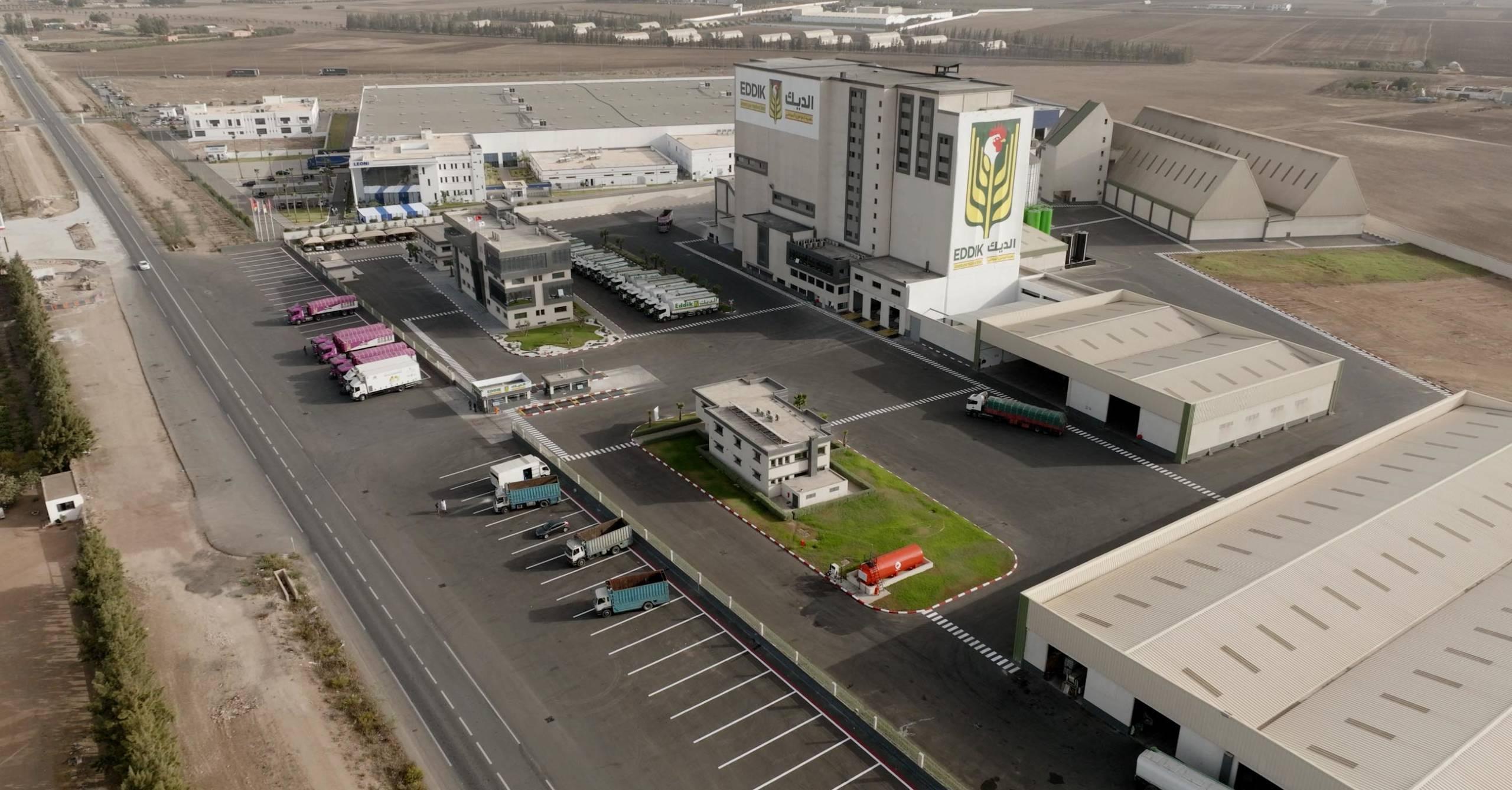
Africa Feed & Food has completed the entry of Proparco and RNAF III, the North African investment fund managed by RMBV, through an 850 million dirham capital increase.
No existing shareholder sold shares.
The transaction therefore brings fresh money directly into the company while preserving family control.
That structure matters.
This is not an owner cashing out.
It is an operating company raising substantial equity to finance its next stage.
For Morocco, the deal illustrates something broader: companies that want to scale do not always need to rely only on bank debt.
Equity can finance growth that requires patience, industrial expansion and strategic risk.
850 Million Dirhams Is Growth Capital
There is an important difference between debt and equity.
A bank loan must be repaid according to a schedule.
Equity becomes permanent capital inside the company.
That gives management more flexibility when expansion takes time to produce returns.
Africa Feed & Food operates in agro-industry, where investment can involve production capacity, working capital, logistics and integration across agricultural value chains.
Those activities can consume significant capital before the full commercial benefit appears.
An 850 million dirham equity injection gives the group a stronger balance-sheet foundation from which to expand.
For Moroccan companies approaching the limits of traditional financing, that is an important lesson.
Growth capital can change what is possible.
Family Control And Institutional Capital Can Coexist
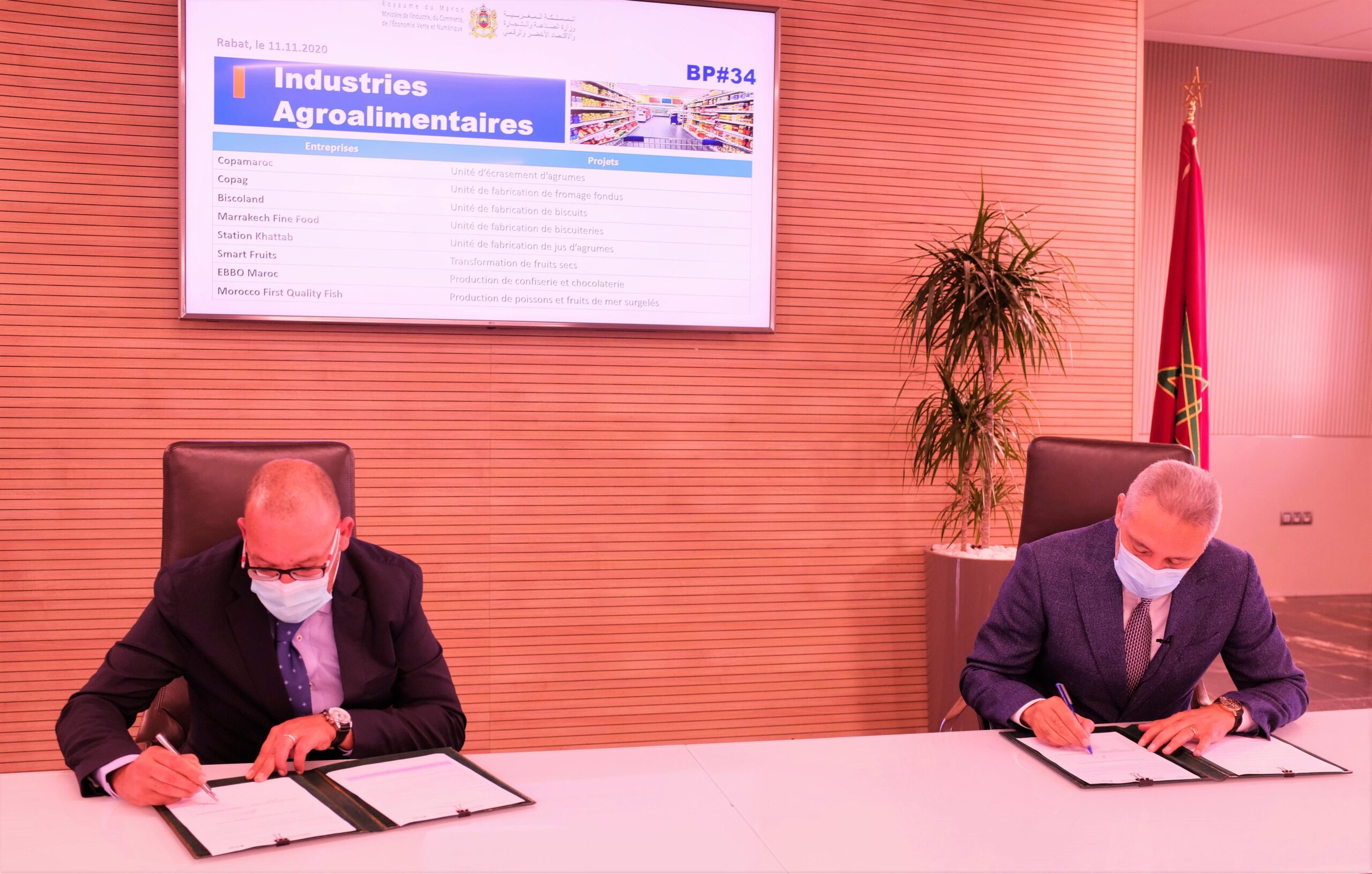
One of the most interesting elements of the transaction is that the investment took place entirely through newly issued capital.
There was no sale of existing shares, allowing the founding shareholders to maintain control while bringing institutional investors into the company.
That addresses one of the concerns many family-owned businesses have about private equity.
Opening capital does not automatically mean selling the company.
There are several possible structures.
A founder can sell.
A company can issue new shares.
Investors can take minority positions.
Governance rights can be negotiated separately from economic ownership.
The Africa Feed & Food transaction demonstrates one model particularly relevant to Morocco: institutional capital arrives, but the family business remains a family-controlled business.
That can make equity more acceptable to entrepreneurs who want capital without abandoning the company they built.
Private Equity Is More Than Money
Proparco and RMBV bring capital.
They also bring institutional expectations.
Governance.
Reporting.
Strategic planning.
Environmental and social standards.
Investment discipline.
International networks.
For a company preparing for a larger regional role, those capabilities can matter almost as much as the cash itself.
A growing family business may have strong operational instincts but less experience with formal investor reporting or institutional governance.
New shareholders can force the organisation to become more structured.
That may initially feel like additional complexity.
At sufficient scale, it becomes infrastructure.
Investors need reliable numbers.
Management needs clear responsibilities.
Boards need meaningful information.
Growth becomes easier to finance when outsiders can understand the company.
Morocco Needs More Companies Ready For Equity
Moroccan corporate finance remains heavily bank-centred.
Banks are essential and will remain so.
But different types of growth require different types of capital.
Debt works well when cash flows are predictable.
Equity becomes particularly useful when a company wants to make a larger strategic move.
New factories.
Acquisitions.
International expansion.
Technology investment.
Brand development.
Supply-chain integration.
These projects may create significant future value while producing limited immediate cash flow.
Funding them entirely through debt can increase financial pressure precisely when management needs flexibility.
More Moroccan companies reaching the scale where institutional equity becomes realistic would deepen the country’s financial ecosystem.
The Deal Also Shows What Investors Are Looking For
Institutional investors do not deploy hundreds of millions of dirhams simply because a sector is fashionable.
They look for businesses with a credible path to expansion.
Proparco described Africa Feed & Food as an integrated and resilient agro-industrial group positioned around food-security challenges in Morocco and Africa.
That description reveals several themes investors increasingly value.
Essential demand.
Industrial integration.
Regional growth potential.
Resilience.
Food systems are attractive partly because demand does not disappear when economic cycles weaken.
People continue eating.
Livestock still needs feed.
Food processors still need inputs.
But essential demand alone does not guarantee profitability.
The company still needs efficiency, purchasing discipline and scale.
Food Security Is Becoming An Investment Thesis
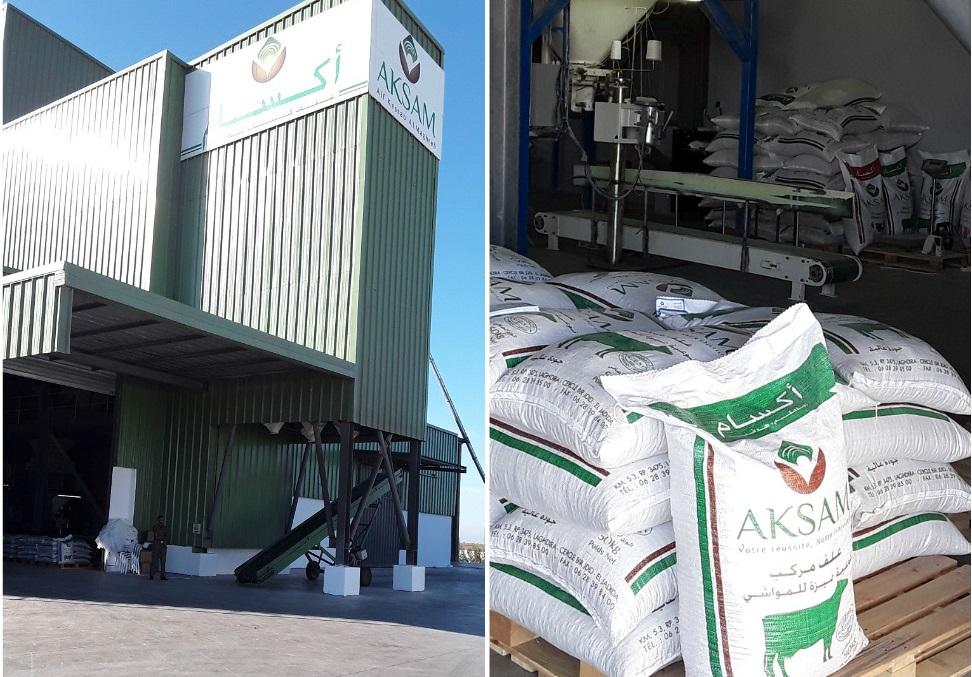
Food security is often discussed as public policy.
It is also becoming an investment theme.
Countries want more dependable supply chains.
Companies want less exposure to volatile imports.
Consumers want stable availability.
Climate pressure increases the importance of resilient agricultural systems.
That creates opportunities for businesses operating across feed, agricultural inputs, processing and distribution.
Africa Feed & Food sits directly inside that equation.
The capital injection therefore reflects more than confidence in one Moroccan company.
It reflects institutional interest in an industry becoming increasingly strategic.
Food infrastructure is beginning to resemble energy infrastructure in one important sense.
Reliability itself has economic value.
Integrated Models Can Protect Margins
Agro-industry often operates on thin margins.
Commodity prices fluctuate.
Transport costs move.
Agricultural output changes.
Foreign exchange can affect imported inputs.
A company controlling more stages of its value chain can reduce some of that exposure.
Integration can connect sourcing, feed, production, processing and distribution.
That does not eliminate risk.
It can provide greater visibility.
A company buying every critical input externally is exposed differently from one participating directly in upstream and downstream activities.
This partly explains institutional interest in integrated platforms.
Investors are not simply funding one product.
They are funding a system.
Scale Can Improve Purchasing Power
Capital can also strengthen procurement.
Large agro-industrial companies purchase enormous volumes of commodities, packaging and equipment.
Greater scale can improve negotiating power.
It can also allow the company to sign longer contracts, diversify suppliers and maintain larger inventories when economically justified.
That matters in markets exposed to international price volatility.
But purchasing power becomes valuable only when management remains disciplined.
Buying more does not automatically mean buying better.
Inventory can consume cash.
Commodity prices can fall after purchases.
Storage creates cost.
The advantage lies in sophisticated procurement, not simply size.
Working Capital Is A Hidden Constraint
Fast-growing industrial companies often encounter a problem that is less visible than factory capacity.
Working capital.
The company may sell more while simultaneously needing more cash.
More raw materials must be purchased.
More inventory must be stored.
Customers may pay weeks or months after delivery.
Growth can therefore consume liquidity before it generates profit.
This is one reason equity can be particularly useful in agro-industry.
Permanent capital gives companies more room to finance the operating cycle.
Without it, a business can appear profitable on paper while continuously requiring additional short-term borrowing.
Financial strength is not only about the income statement.
Cash conversion matters.
The Next Step Could Be Regional
Proparco’s announcement explicitly frames Africa Feed & Food as a group with broader African ambitions.
That makes regional expansion one of the most interesting potential uses of institutional backing.
West Africa and other parts of the continent have rapidly growing food demand.
Urbanisation increases consumption.
Protein demand rises with incomes.
Modern distribution expands.
Local food systems need more industrial capacity.
Moroccan groups can enter these markets with several advantages.
Geographic proximity.
Francophone business experience.
African banking relationships.
Logistics links.
Existing diplomatic and commercial networks.
But expansion must remain commercially selective.
“Africa” is not one market.
Every country has different regulation, currencies, competitors and consumer behaviour.
Institutional investors can help impose discipline on that expansion.
Morocco Could Produce More Regional Champions
The Moroccan economy has already created regional leaders in banking, insurance, telecoms, mining and construction.
Food and agro-industry could become another category.
That would be strategically important.
A country creates more economic value when its companies sell brands, expertise and processed products rather than relying primarily on raw-material exports.
Regional food champions can build distribution networks that later support multiple Moroccan products.
A company entering several African markets with feed or agricultural products may eventually introduce additional categories through the same commercial infrastructure.
Distribution itself becomes an asset.
Africa Feed & Food’s capital raise could therefore have implications beyond one company if it demonstrates that Moroccan agro-industrial businesses can scale institutionally across the continent.
Governance Will Become More Demanding
New institutional shareholders create expectations.
Boards become more important.
Risk management becomes more formal.
Financial reporting becomes more detailed.
Strategic decisions may face greater scrutiny.
That can be beneficial.
But management must prevent governance from slowing the entrepreneurial speed that created the company.
The strongest private-equity partnerships preserve both.
Founder knowledge and institutional discipline.
The family understands the market.
The investor brings frameworks, capital and external perspective.
When those capabilities reinforce each other, value grows.
When they become competing centres of authority, expansion can become harder.
Governance design therefore matters from the beginning.
An IPO Is Not The Only Destination
Large private-equity investments are sometimes discussed as steps toward a stock-market listing.
That is possible eventually.
It should not be assumed.
There are several exit routes for institutional investors.
Another strategic investor.
A secondary private-equity transaction.
A partial sale.
A public listing.
A company buyback under suitable conditions.
What matters today is that the company becomes more valuable and more institutionally robust.
If Africa Feed & Food grows substantially, the range of future financing options will naturally expand.
The immediate objective should remain business performance rather than an eventual transaction.
Casablanca’s Capital Market Benefits Indirectly
Private equity and public markets should not be seen as competitors.
They can feed each other.
Companies often need several financing stages before becoming suitable for an IPO.
Founder capital may build the first phase.
Banks finance assets and working capital.
Private equity can finance acceleration.
Public markets can later provide liquidity and another source of permanent capital.
A stronger Moroccan private-equity ecosystem therefore increases the number of companies that might eventually reach the Casablanca Stock Exchange at meaningful scale.
The pipeline matters.
A market cannot list strong companies if those companies never receive enough growth capital beforehand.
Institutional Capital Needs More Exit Opportunities
The reverse is also true.
Private-equity investors are more willing to invest when they can see credible future exits.
Morocco therefore needs a complete capital cycle.
Invest.
Grow.
Professionalise.
Exit.
Recycle capital into the next company.
If investors struggle to exit successful holdings, capital becomes trapped.
If exits work, fund managers can raise larger successor funds and finance more Moroccan businesses.
This is how isolated transactions become an investment industry.
The Africa Feed & Food deal therefore matters beyond the 850 million dirhams entering one balance sheet.
It contributes to the evidence that larger Moroccan growth-equity transactions can happen.
Banks Still Have A Major Role
Equity does not replace bank finance.
It can strengthen it.
A company with a larger capital base may become more attractive to lenders because shareholders absorb more risk.
That can unlock additional debt capacity for appropriate projects.
The ideal structure may therefore combine both.
Equity finances strategic growth.
Bank debt finances predictable assets or working-capital needs.
Development institutions can provide longer-term support.
Specialised facilities can finance trade.
The strongest companies use the correct capital for the correct purpose rather than treating every financing requirement as a standard bank loan.
Financial sophistication becomes a competitive advantage.
850 Million Dirhams Sends A Bigger Signal
Africa Feed & Food’s transaction is important because of what it represents.
850 million dirhams of fresh equity.
Institutional investors entering without existing shareholders selling.
Family control preserved.
A Moroccan agro-industrial company preparing for a larger growth phase.
Morocco needs more companies capable of reaching this stage.
Companies large enough to attract institutional money.
Transparent enough to satisfy professional investors.
Ambitious enough to deploy substantial capital productively.
And disciplined enough to grow without allowing expansion to destroy the economics that made them attractive in the first place.
Banks helped build much of Morocco’s corporate sector.
The next generation of champions will still need them.
But some of the biggest growth stories will require something else alongside debt:
patient equity willing to share the risk of becoming much larger.
Africa Feed & Food has just received 850 million dirhams of it.
Now the important number will be what that capital allows the company to become.